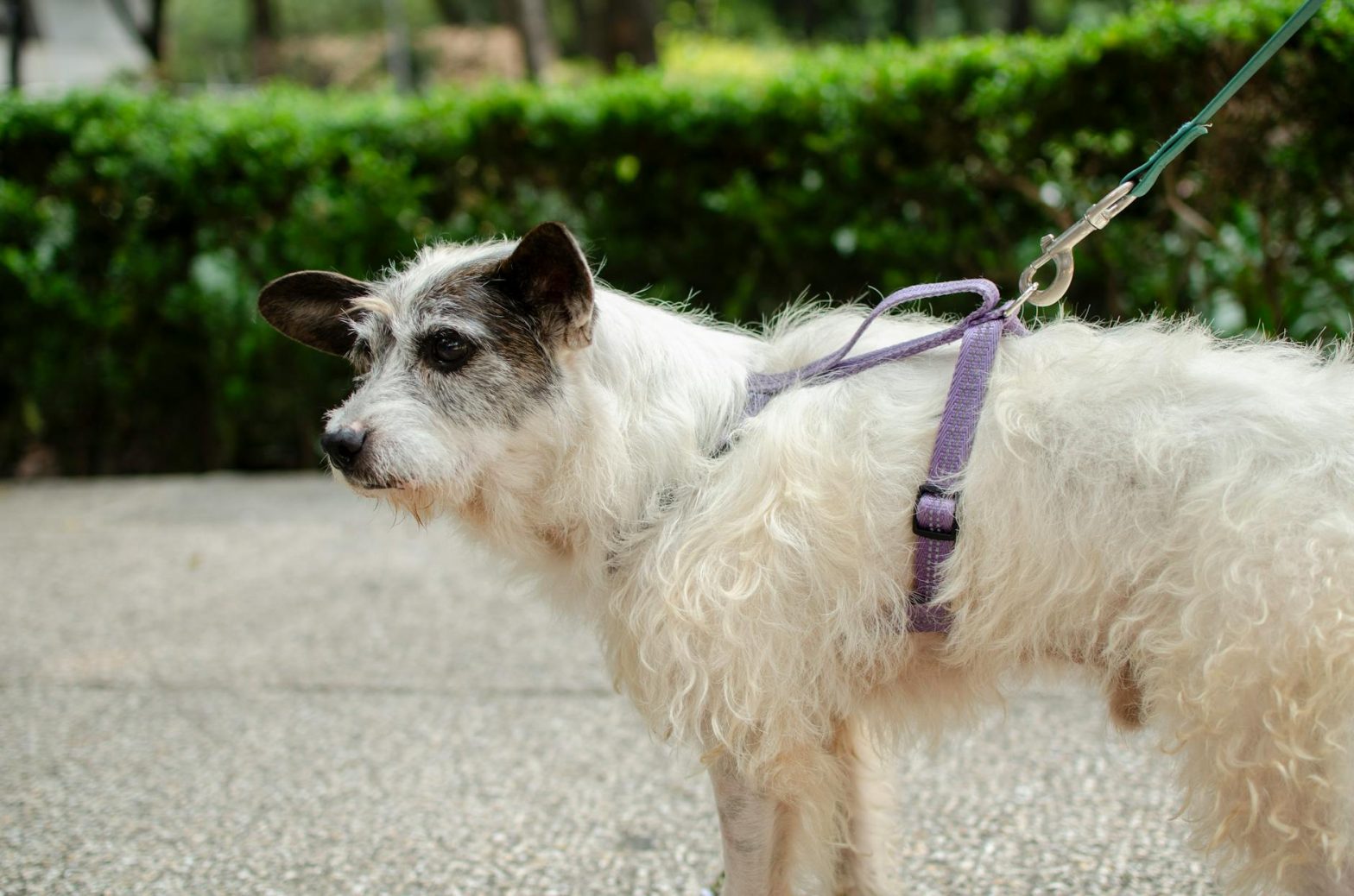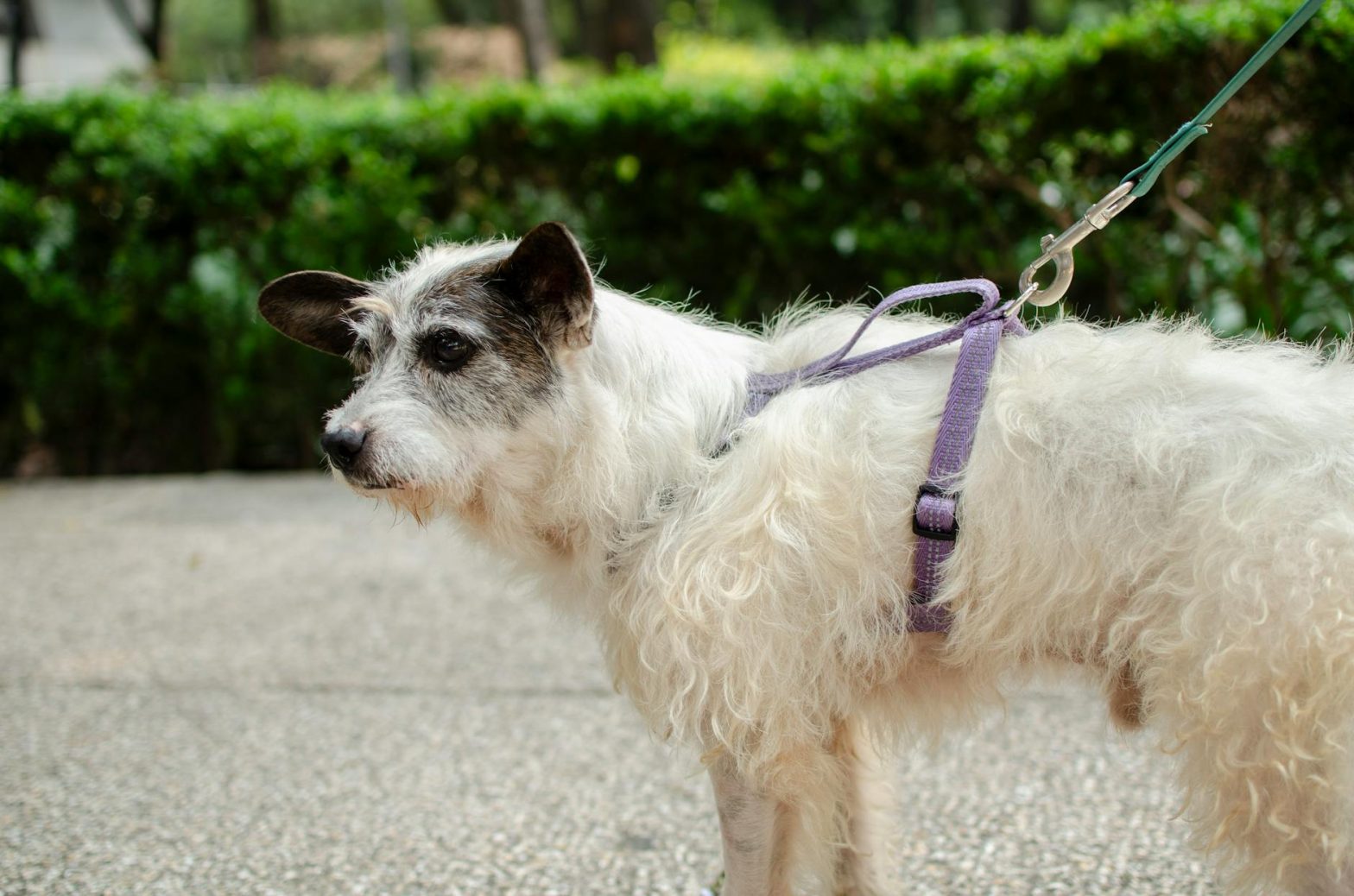
Best Mobility Harnesses for Senior Dogs: Support and Comfort

Is a Mobility Harness Right for Your Senior Dog?

Mobility harnesses are designed to assist dogs who have difficulty with movement, balance, or strength. As dogs age, they can develop conditions like arthritis, hip dysplasia, or degenerative myelopathy, which can significantly impact their mobility. A mobility harness can provide the support they need to navigate daily activities more comfortably.

What are the key benefits of using a mobility harness for senior dogs?

A mobility harness offers several benefits, including helping your dog with walking, standing, and climbing stairs. It reduces strain on their joints, provides stability, and allows you to assist them without causing discomfort. This can improve their quality of life and help them maintain a level of independence.

What to Look for in a Mobility Harness

Choosing the right mobility harness involves considering several factors to ensure it meets your dog’s specific needs and comfort. Here’s what to look for:

What materials make for the best dog mobility harnesses?

The best mobility harnesses are made from durable, breathable materials like padded nylon or neoprene. These materials offer comfort while being sturdy enough to support your dog’s weight. Ensure the harness is easy to clean and won’t cause skin irritation.

What is the safest design for a mobility harness?

Look for a harness that distributes weight evenly across your dog’s body. Harnesses with multiple adjustment points and secure buckles are crucial for a safe and snug fit. The design should minimize pressure on sensitive areas like the spine and chest. A dog harness for a dog with a bad back needs this support.

How important are handle positions on mobility harnesses?

The number and placement of the handles are very important. Padded handles make it easier and more comfortable for you to lift and support your dog. Handles should be located in a way that allows for balanced assistance, whether you’re helping them up stairs or into the car. Consider a senior dog harness for easy on/off if that is a priority.

How do I ensure the right fit for my dog’s mobility harness?

Measure your dog carefully and consult the sizing chart provided by the manufacturer. A proper fit is essential to prevent chafing, slipping, or discomfort. The harness should be snug but not too tight, allowing for a full range of motion without causing restriction. Refer to our handy dog harness size calculator to dial in that perfect fit.

Top Mobility Harness Recommendations

Help ‘Em Up Harness: Full Body Support

The Help ‘Em Up Harness is designed for dogs with moderate to severe mobility issues. It provides full-body support and includes both front and rear lifting points.

Pros:

  • Offers comprehensive support for both front and hind legs
  • Durable and well-made with quality materials
  • Comfortable for dogs to wear for extended periods

Cons:

  • More expensive than other options
  • Can be bulky for smaller dogs

Check current price on Amazon

GingerLead Dog Support Harness: Hind Leg Focus

The GingerLead harness is specifically designed to support dogs with hind leg weakness or injuries. It features a padded belly sling and adjustable leash, allowing you to assist your dog without bending over.

Pros:

  • Excellent for dogs recovering from surgery
  • Easy to use and adjust
  • Provides gentle support to the hindquarters

Cons:

  • Not suitable for dogs needing full-body support
  • Sizing can be tricky, read reviews carefully

Check current price on Chewy

Walkin’ Lift-n-Step Harness: Versatile and Adjustable

The Walkin’ Lift-n-Step Harness offers a versatile solution for dogs needing assistance with stairs, walks, or getting in and out of cars. It features adjustable straps and a comfortable design.

Pros:

  • Affordable and effective
  • Easy to clean and maintain
  • Suitable for a variety of breeds and sizes

Cons:

  • May not be as durable as higher-end options
  • Handle placement may not suit all users

Check current price on Amazon

How to Introduce a Mobility Harness to Your Dog

Introducing a mobility harness slowly and positively can help your dog accept and feel comfortable wearing it. Here’s a step-by-step guide:

How to get my dog comfortable with a new harness?

Start by placing the harness near your dog during feeding times or when they’re relaxed. Let them sniff and get used to its presence. Next, gently touch the harness to your dog’s body, offering praise and treats. Gradually increase the time you spend with the harness near them until they show no signs of anxiety.

What is the best way to put the harness on my dog the first time?

Once your dog is comfortable with the harness, try putting it on them briefly. Use positive reinforcement, such as treats and praise, to create a positive association. Ensure the harness is properly adjusted, and watch for signs of discomfort or resistance. If your dog seems stressed, remove the harness and try again later.

How do I start using the harness during walks?

Begin with short, controlled walks indoors or in a safe, enclosed area. Use the harness to provide gentle support as needed, but allow your dog to move as independently as possible. Gradually increase the duration and intensity of your walks as your dog becomes more confident and comfortable. This is especially helpful, paired with one of the best anti-slip dog socks for hardwood floors, if you’re starting indoors.

Additional Tips for Using a Mobility Harness

Using a mobility harness effectively involves more than just putting it on your dog. Here are some additional tips to help you and your dog get the most out of it:

How often should my dog wear a mobility harness?

The frequency and duration of harness use will depend on your dog’s condition and activity level. Some dogs may only need it for specific activities like walks or stairs, while others may benefit from wearing it for longer periods. Monitor your dog for signs of fatigue or discomfort and adjust accordingly. If your dog has back leg weakness, certain accessories can help.

What are some safety precautions to remember when using a mobility harness?

Always supervise your dog when they’re wearing a mobility harness. Avoid using the harness to lift your dog excessively or in a way that could cause injury. Be mindful of uneven surfaces, obstacles, and other potential hazards. Consult with your veterinarian or a certified canine rehabilitation therapist for guidance on proper harness use and exercise techniques.

Can a mobility harness be used in conjunction with other mobility aids?

Yes, a mobility harness can be used in conjunction with other aids like ramps, stairs, or orthopedic beds. This multi-faceted approach can provide comprehensive support for senior dogs with mobility issues. Consider using a dog ramp for beds and couches with your new harness to avoid jumping.

Conclusion: Enhancing Your Senior Dog’s Quality of Life

A mobility harness can be a game-changer for senior dogs struggling with mobility issues. By providing support, stability, and comfort, it allows them to maintain their independence and enjoy life to the fullest. Choose the right harness, introduce it gradually, and follow proper usage guidelines to ensure a safe and positive experience for your beloved companion. Remember to always consult with your vet for the best approach for your dog’s health condition.

Best Dog Stairs for Senior Dogs: Safe, Low-Impact Options

Are dog stairs good for senior dogs?

Yes, dog stairs can be very beneficial for senior dogs, especially those with arthritis, hip dysplasia, or other mobility issues. They provide a low-impact way for your dog to access elevated surfaces like beds and couches, reducing strain on their joints.

What should I look for in dog stairs for an older dog?

When choosing dog stairs for your senior dog, look for features that prioritize their safety and comfort. Key considerations should include:

  • Low rise: Short steps minimize strain on joints.
  • Wide steps: Offer more stability and room for your dog to maneuver.
  • Non-slip surface: Essential for preventing slips and falls.
  • Sturdy construction: Ensures the stairs can support your dog’s weight.
  • Gentle incline: A gradual slope is easier on aging joints.

Let’s review some of the best dog stairs available for senior dogs, keeping these features in mind.

Best Overall Dog Stairs for Senior Dogs: PetSafe CozyUp Steps

The PetSafe CozyUp Steps consistently rank high due to their sturdy construction, wide steps, and non-slip surface. They’re a great all-around option for most senior dogs.

Pros:

  • Wide, deep steps provide ample space
  • Non-slip carpeted surface for secure footing
  • Sturdy construction supports up to 70 pounds

Cons:

  • May be too tall for very small or very short-legged breeds
  • Carpeted surface can be difficult to clean

Check current price on Amazon

Best Dog Stairs for Small Senior Dogs: Arf Pets Wood Dog Stairs

These stairs are designed with smaller breeds in mind, featuring a lower rise and shallower steps. The wood frame offers stability and a touch of style.

Pros:

  • Low rise is ideal for small dogs and those with limited mobility
  • Stylish wood finish complements home décor
  • Easy to assemble

Cons:

  • Wood surface can be slippery; consider adding non-slip treads
  • May not be sturdy enough for larger breeds

Check current price on Amazon

Best Folding Dog Stairs for Travel: Pet Gear Easy Step II

For senior dogs who travel frequently, these folding stairs are a convenient and portable option. They’re lightweight, easy to store, and provide a gentle incline.

Pros:

  • Folds flat for easy storage and transport
  • Lightweight and easy to carry
  • Wide steps with carpet treads for secure footing

Cons:

  • May not be as sturdy as fixed stairs
  • Carpet treads can be difficult to clean

Check current price on Amazon

Best Dog Ramp Alternative: Heininger PortablePET Twistep Dog Step

While technically a step, the Heininger PortablePET Twistep functions similarly to a ramp. It attaches to your vehicle’s hitch receiver, providing a single, wide step for your dog to easily climb in and out.

Pros:

  • Provides a single, low step for easy access to vehicles
  • Attaches to hitch receiver for stability
  • Folds up for easy storage

Cons:

  • Only suitable for vehicles with a hitch receiver
  • May not be ideal for indoor use

Safety Note: Always ensure the Twistep is securely attached before allowing your dog to use it.

Check current price on Amazon

Stair Alternatives for Senior Dogs

While stairs can be helpful, some senior dogs may benefit more from alternatives that require even less exertion:

Dog Ramps

Ramps offer a gradual incline, making them ideal for dogs with severe arthritis or mobility issues. They eliminate the need for your dog to step up at all. Be sure to check out our article on Dog Ramps vs Stairs: Which Is Better for Older Dogs? to help you decide which is best for your situation

Dog Lift Harnesses

These harnesses provide support and allow you to assist your dog with getting up or down. They’re particularly helpful for dogs with weak hind legs.

Orthopedic Dog Beds

An orthopedic bed can significantly improve your senior dog’s comfort and sleep quality. Look for beds with memory foam or other supportive materials.

Looking for a new bed? Read our comprehensive guide to Best Orthopedic Dog Beds for Senior Dogs.

How to Introduce Dog Stairs to Your Senior Dog

Introducing dog stairs to your senior dog requires patience and positive reinforcement. Here’s a step-by-step guide:

  1. Start with treats: Place treats on each step to encourage your dog to explore the stairs.
  2. Use positive reinforcement: Praise and reward your dog for any interaction with the stairs. You can also try using a lick mat to keep them distracted.
  3. Guide them gently: If your dog is hesitant, gently guide them up the stairs with a leash and harness.
  4. Be patient: It may take several days or even weeks for your dog to become comfortable using the stairs.

Tips for Using Dog Stairs Safely

To ensure your senior dog uses dog stairs safely, keep these tips in mind:

  • Place the stairs securely: Make sure the stairs are stable and won’t tip over.
  • Supervise initial use: Supervise your dog until they’re comfortable using the stairs independently.
  • Provide adequate lighting: Ensure the area around the stairs is well-lit to prevent accidents.
  • Keep the surface clean: Regularly clean the stairs to remove dirt and debris that could cause your dog to slip.

What If My Dog Is Still Having Trouble?

If your dog continues to struggle with stairs despite your best efforts, consult with your veterinarian. They can assess your dog’s mobility and recommend other solutions, such as pain medication or physical therapy.

Dog Back Leg Weakness: Accessories That Can Help

If your senior dog is struggling specifically with weakness in the back legs, there are additional accessories that can help aid mobility beyond stairs. These products can offer support and stability, making it easier for your dog to maintain balance and move around.

Why Does My Old Dog Slip on the Floor? Causes and Solutions

Senior dogs often struggle with traction on smooth surfaces like hardwood or tile due to decreased muscle mass and joint flexibility. This can lead to slips and falls, exacerbating existing mobility issues. Understanding the causes and implementing appropriate solutions can significantly improve your dog’s safety and independence in the home

Conclusion

Choosing the right dog stairs can significantly improve your senior dog’s quality of life, providing them with safe and easy access to their favorite spots. By considering factors like step height, width, surface, and stability, you can find the perfect set of stairs to meet your dog’s individual needs. Remember to introduce the stairs gradually and with plenty of positive reinforcement to ensure a smooth transition.

If stairs aren’t the right fit, explore alternatives like ramps and support harnesses to help your senior dog maintain their independence and enjoy their golden years to the fullest.

Remember to consult your veterinarian for personalized advice on managing your senior dog’s mobility and overall health.

Need help finding the right size harness for your senior pup? Try our Dog Harness Size Calculator tool!

Best Orthopedic Dog Beds for Senior Dogs: What Actually Helps

Is an orthopedic dog bed worth it for a senior dog?

Absolutely, especially if your senior dog has arthritis or joint pain. Orthopedic beds provide superior support and cushioning, helping to relieve pressure points and improve sleep quality, which is crucial for older dogs.

As a dog mom and canine nutrition enthusiast, I’ve seen firsthand how the right bed can significantly improve a senior dog’s comfort and mobility. My old Labrador, Buster, had terrible hip dysplasia, and his orthopedic bed was a game-changer. I’ve tested countless beds since then, and I’m here to share my top recommendations and what to look for.

What makes a dog bed ‘orthopedic’?

The term ‘orthopedic’ means designed to support the musculoskeletal system. In dog beds, this usually means a dense foam base, typically memory foam, that evenly distributes weight and reduces pressure on joints. Many also use supportive bolsters to help aching necks.

Memory Foam vs Regular Foam Dog Beds: The Honest Difference

Memory foam contours to your dog’s body, providing customized support and pressure relief, which is ideal for dogs with arthritis or other joint issues. Regular foam offers some cushioning with less support. Memory foam is almost always the better option for senior dogs.

Think of it like this: regular foam is like a thin blanket, while memory foam is like a personalized cloud. You can find high-density regular foam that offers *some* support, but it still won’t match the pressure relief and contouring of memory foam.

Top Orthopedic Dog Bed Picks for Senior Dogs

I’ve personally tested these beds with senior dogs of various sizes and breeds, focusing on comfort, support, durability, and ease of cleaning. All beds are accessories. No food or medication.

Big Barker 7″ Pillow Top Orthopedic Dog Bed (Best Overall)

The Big Barker is a premium option specifically designed for large and extra-large breeds. Its 7-inch thick, American-made foam provides exceptional support and doesn’t flatten over time. It’s proven to reduce pressure points by 88%.

I tested this bed with my German Shepherd, and he immediately sank into it. He’s a sprawler, and the large size gave him plenty of room. The foam is incredibly dense, and I could tell it was making a difference in his joint stiffness.

Pros:

  • Excellent support for large breeds
  • High-quality, durable construction
  • 10-year warranty

Cons:

  • Expensive
  • Cover can be difficult to remove for washing

Check current price on Amazon

Brindle Waterproof Designer Memory Foam Pet Bed (Best Value)

The Brindle bed offers a great balance of comfort and affordability. It features a 4-inch layer of shredded memory foam and is waterproof, making it ideal for older dogs with incontinence issues.

I appreciated the waterproof liner combined with the soft, washable cover. My older beagle sometimes has accidents, and this bed was easy to clean without soaking into the foam. The shredded memory foam provides good support, though it’s not as firm as the Big Barker.

Pros:

  • Affordable
  • Waterproof liner
  • Removable, washable cover

Cons:

  • Shredded foam may shift over time
  • Not as supportive as solid foam beds

Check current price on Amazon / See on Chewy

Furhaven Pet – Plush Orthopedic Sofa Bed (Best Bolstered Bed)

This bed features a supportive orthopedic foam base and three-sided bolsters, providing a cozy and secure space for your senior dog to rest their head. The bolsters also offer extra support for dogs with neck or back pain.

My terrier mix loves to curl up, and the bolsters on this bed were perfect for him. He used them as pillows and seemed to feel more secure and relaxed. The foam base is decent, but the bolsters are the real selling point here. Make sure your dog tolerates bolsters, though — some dogs don’t like feeling ‘enclosed’.

Pros:

  • Supportive bolsters for neck and back
  • Variety of sizes and colors
  • Affordable price point

Cons:

  • Foam base could be denser
  • Bolsters can lose shape over time

Check current price on Amazon / See on Chewy

BarksBar Gray Orthopedic Dog Bed (Best for Small Breeds)

The BarksBar is a smaller, more compact orthopedic bed ideal for toy and small breeds. It features a solid orthopedic foam base and a plush, quilted cover.

I tested this bed with my friend’s chihuahua, and it was a perfect fit. The smaller size provided a snug and secure feeling for her. The foam is surprisingly dense for a smaller bed, and the cover is soft and inviting.

Pros:

  • Perfect size for small breeds
  • Durable construction
  • Stylish design

Cons:

  • Not suitable for medium or large breeds
  • Cover can be challenging to clean thoroughly

Check current price on Amazon

KOPEKS Deluxe Orthopedic Memory Foam Dog Bed (Best for Large Dogs with Bolsters)

The KOPEKS bed is designed for larger dogs who like the security of bolsters. It uses a thick, high-density memory foam base and has a waterproof inner liner.

This bed is like a fortress of comfort. The bolsters are sturdy and offer ample head and neck support. I found the zipper design a little clunky when removing the outer cover, but the waterproof liner underneath offers great peace of mind.

Pros:

  • Thick memory foam
  • Sturdy bolsters
  • Good for sprawlers and dogs who like to lean

Cons:

  • Cover can be difficult to remove
  • May be too bulky for smaller spaces

Check current price on Amazon

What to look for when choosing an orthopedic dog bed

Not all orthopedic dog beds are created equal. Here’s what to consider:

Foam Density and Thickness

Look for high-density memory foam that is at least 4 inches thick for small to medium breeds and 6-7 inches thick for large breeds. Higher density means better support and less flattening over time.

Size and Weight Capacity

Make sure the bed is large enough for your dog to stretch out comfortably. Check the weight capacity to ensure the foam can adequately support your dog without bottoming out. Always size up if your dog likes to sprawl or sleeps in unusual positions.

Waterproof Liner

A waterproof liner is essential for senior dogs, who are more prone to incontinence. It protects the foam from accidents and makes cleanup much easier. Look for zippers that are easy to open, but durable enough to handle regular removals.

Removable, Washable Cover

A washable cover is a must-have. Look for covers that are easy to remove and machine washable. Consider materials like microfiber or canvas, which are durable and easy to clean.

Non-Slip Bottom

A non-slip bottom is important to prevent the bed from sliding around on hard floors, especially for senior dogs with mobility issues. This helps them enter and exit the bed safely.

Consider Your Dog’s Sleeping Style

Does your dog prefer to curl up, sprawl out, or lean against something? Choose a bed that accommodates their preferred sleeping position. Bolstered beds are great for dogs who like to curl up or rest their head, while flat beds are better for sprawlers.

How to introduce a new bed to your senior dog

Introducing a new bed can take time. Here are a few tips:

  1. Place the bed in a familiar spot: Put the new bed where your dog usually sleeps.
  2. Add familiar scents: Place a blanket or toy that smells like your dog on the bed.
  3. Use positive reinforcement: Reward your dog with treats and praise when they approach or lie down on the bed.
  4. Be patient: It may take a few days or weeks for your dog to fully adjust to the new bed.

Other accessories that can help senior dogs with mobility issues

In addition to an orthopedic bed, there are several other accessories that can improve your senior dog’s comfort and mobility:

  • Dog ramps or stairs: Help your dog access furniture and beds without straining their joints. Read Dog Ramps vs Stairs: Which Is Better for Older Dogs?
  • Support harnesses: Provide extra support and stability when walking or standing.
  • Non-slip socks or booties: Help your dog maintain traction on slippery floors. Buy ones recommended in Best Anti-Slip Dog Socks for Hardwood Floors.
  • Elevated food and water bowls: Reduce strain on your dog’s neck and back when eating and drinking.

Remember to consult your vet for personalized recommendations based on your dog’s specific needs.

If your senior dog is struggling with mobility, take them to your vet for a checkup. And make sure their bed is helping, not hurting!

Return to Senior Dog Hub

Best Dog Ramps for Beds and Couches (Senior-Safe Picks)

Are dog ramps good for older dogs?

Yes, dog ramps provide a gentle slope that minimizes joint stress for senior dogs when accessing elevated areas. This is especially helpful for dogs with arthritis, hip dysplasia, or other mobility issues.

Dog Ramps vs Stairs: Which Is Better for Older Dogs?

Ramps are generally better than stairs for senior dogs because they allow dogs to walk up a gentle incline, minimizing joint stress. Stairs require more lifting and stepping, which can be difficult for dogs with arthritis or mobility issues. For many older dogs, ramps are safer and easier to use, especially for dogs with back leg weakness.

What to look for in a dog ramp:

  • Incline Angle: Gentle inclines are ideal for senior dogs, as they minimize strain on joints. Look for ramps with adjustable height to customize the slope.
  • Surface Texture: Non-slip surfaces are essential for preventing slips and falls. Rubberized or carpeted surfaces provide good traction, even when wet.
  • Weight Capacity: Ensure the ramp can safely support your dog’s weight. Check the manufacturer’s specifications to avoid accidents.
  • Ramp Width: A wider ramp provides more stability and confidence for your dog. Look for ramps that are at least 16 inches wide, especially for larger breeds.
  • Portability and Storage: Consider whether you need a portable ramp that can be easily moved and stored. Folding or telescoping ramps are convenient for travel and small spaces.

Best Dog Ramps for Beds and Couches (Senior-Safe Picks)

Here are some of the best dog ramps for elderly dogs, based on safety, stability, and ease of use:

PetSafe CozyUp Bed Ramp

The PetSafe CozyUp Bed Ramp is a popular choice for its sturdy construction and ease of use. This ramp is lightweight and easy to move around the house, and the carpeted surface provides good traction for senior dogs. The ramp is designed with a gentle incline, making it easy for dogs with mobility issues to climb. This is a great option if you need a ramp that blends into your home décor. Keep in mind that while assembly is required, it is quick.

Pros:

  • Sturdy construction
  • Carpeted surface for good traction
  • Gentle incline for easy climbing
  • Easy to assemble

Cons:

  • Carpet can be difficult to clean

Check current price on Amazon

PawRamp Full Bed Ramp

The PawRamp Full Bed Ramp is designed for larger beds; this ramp features an adjustable height and a non-slip surface. With easy height adjustments, this ramp is sure to provide the assistance your dog needs. The PawRamp is durable, making it able to hold large quantities of weight.

Pros:

  • Adjustable height to fit a variety of furniture
  • Durable construction
  • Easy to clean

Cons:

  • Bulky and not as portable as other ramps
  • Can be too steep for some senior dogs at certain heights

Check current price on Amazon

Pet Gear Free-Standing Ramp

The Pet Gear Free-Standing Ramp is a versatile option that can be used with beds, couches, or even SUVs. This ramp is designed to be lightweight and portable, making it easy to move around the house or take on trips although, it is not as easy to store as other options. The ramp features a carpeted surface for good traction and a gentle incline for easy climbing.

Pros:

  • Versatile and can be used with different types of furniture
  • Lightweight and portable
  • Carpeted surface for good traction

Cons:

  • Carpet can be difficult to clean
  • Not as sturdy as other ramps

Check current price on Amazon

Alpha Paw Pawtitas Dog Ramp

The Alpha Paw Pawtitas Dog Ramp features a slip resistant grip and holds up to 200 lbs providing a safe sturdy ramp for aging dogs. In addition, the ramp is foldable allowing for easy storage when it is not needed.

Pros:

  • Slip resistant grip
  • Sturdy and well made
  • Easy to fold and store

Cons:

  • Height may not fit deeper couches
  • Some dogs may not like the texture

Check current price on Amazon

Measuring for a Dog Ramp

How to measure the height of your furniture:

Use a tape measure to determine the height from the floor to the top of your bed or couch. Choose a ramp that is adjustable to match the height of your furniture.

How to measure the space available for the ramp:

Measure the length and width of the space where you plan to place the ramp. Consider the angle of the ramp and ensure it fits comfortably in the available space. It is important to make sure the ramp does not block any walking paths.

Training Your Dog to Use a Ramp

Use positive reinforcement:

Reward your dog with treats and praise when they approach and interact with the ramp. Make the experience positive and enjoyable. It is important to avoid pulling or forcing your dog as it may create negative associations with the ramp.

Start with the ramp flat on the floor:

Allow your dog to walk on the ramp while it is flat on the floor. Once they are comfortable, gradually elevate the ramp to a gentle incline. This will help them get used to the texture and stability of the ramp.

Use a leash for guidance:

Use a leash to guide your dog up and down the ramp. Provide gentle encouragement and guidance as they navigate the ramp. This can help them feel more secure and confident.

Be patient and consistent:

Training your dog to use a ramp may take time and patience. Be consistent with your training and reward their progress. Avoid frustration and keep the training sessions short and positive.

Why Does My Old Dog Slip on the Floor? Causes and Solutions

Senior dogs often slip on slippery floors due to weakening muscles, joint stiffness, and decreased coordination. Several factors can contribute to this issue:

  • Arthritis: Arthritis can cause pain and stiffness, making it difficult for dogs to maintain their balance on slippery surfaces. This can lead to slips and falls, which can further exacerbate their condition.Consider an orthopedic dog bed to help reduce discomfort.
  • Muscle Weakness: As dogs age, they may experience muscle loss, particularly in their hind legs. Weak muscles can make it challenging to maintain stability on slippery floors.
  • Neurological Issues: Certain neurological conditions can affect a dog’s balance and coordination, increasing the risk of slipping.
  • Paw Pad Condition: Dry or worn paw pads can reduce traction on smooth surfaces, making it easier for dogs to slip. Maintaining healthy paw pads is essential for preventing falls.

For ways to solve this important problem read this article.

Choosing the best dog ramp for elderly dogs can not only help them access harder to reach places, but help them continue to be themselves in old age!

Best Dog Collars for Reactive Dogs on Leash: Training & Safety

Best Dog Collars for Reactive Dogs on Leash: Training & Safety

Dealing with a reactive dog can make walks a stressful experience. Finding the right collar can provide better control, enhance training, and improve safety for both you and your dog. As a dog mom who has dealt with leash reactivity, I’ll share some trusted collar options that have helped me manage my own dogs; reactivity and also get insights from professional trainers on their favorite and most effective collars.

What is leash reactivity in dogs?

Leash reactivity refers to a dog’s exaggerated responses (barking, lunging, growling) to stimuli like other dogs, people, or cars while on a leash. It’s often rooted in frustration, fear, or over-arousal. It is important to note that leash reactivity is not the same as aggression, although it can look similar.

Collar Types for Reactive Dogs

You’ll want to choose a collar that offers effective control while prioritizing your dog’s safety and comfort. There are many effective and safe ways to help your dog be more comfortable while on leash.

Martingale Collars: Gentle Control

Martingale collars, also known as ‘limited slip’ collars, are designed to tighten slightly when a dog pulls, providing gentle but effective control without choking. I have used this kind of collar with my own fosters while helping them learn to walk on a leash without pulling.

What are the benefits of a Martingale collar?

  • Prevents Escape: The tightening action prevents dogs from slipping out of the collar.
  • Gentle Correction: Provides a mild correction, ideal for dogs sensitive to pressure.
  • Suitable for Training: Helps teach leash manners without harsh methods.

Head Collars: Steering and Focus

Head collars, like the Gentle Leader or Halti, work by gently guiding your dog’s head, making it easier to redirect their attention. Some users report that the head collar provides them with more control on walks.

How does a head collar work?

  • Redirection: Gently turns the dog’s head away from the stimulus.
  • Improved Focus: Encourages the dog to focus on the handler.
  • Reduced Pulling: Decreases pulling by disrupting the dog’s balance.

Harnesses vs. Collars for Reactive Dogs

While this article focuses on collars, it’s essential to briefly consider harnesses. While harnesses, especially front-clip harnesses, are ideal for dogs who pull excessively, they may not provide the same level of control as a collar for a reactive dog. Some owners use a combination of both: a collar for control and a harness for general comfort and safety.

Top Martingale Collar Picks for Reactive Dogs

If you’re looking for a well-made Martingale collar, here are my suggestions:

Red Dingo Martingale Dog Collar

The Red Dingo Martingale Dog Collar is a popular and effective choice for reactive dogs. Red Dingo is known for its high-quality materials and attention to detail, making their martingale collar a reliable option for managing leash reactivity. It works by tightening gently when your dog pulls, providing control without causing harm.

Pros:

  • High-Quality Materials: Made from durable nylon webbing and solid stainless steel hardware, this collar is built to last.
  • Effective Control: Provides gentle but effective control to prevent pulling and escape.
  • Stylish Designs: Available in a variety of colors and patterns.

Cons:

  • Sizing: Some users find the sizing to be slightly off, so measuring carefully before purchasing is essential.
  • Adjustment: The adjustment buckle can sometimes slip, requiring occasional readjustment.

Check current price on Amazon

Mendota Pet Products Martingale Collar

The Mendota Pet Products Martingale Collar is a favorite among dog owners and trainers. Made from high-quality, waterproof polypropylene rope, this collar is durable and easy to clean. I find it a good, sturdy option for dogs who are tough on their gear. Its martingale design tightens gently when your dog pulls, providing effective control without discomfort.

Pros:

  • Durable Material: Made from waterproof polypropylene rope, ensuring longevity and easy maintenance.
  • Gentle Control: Provides a gentle and effective way to manage leash reactivity.
  • Variety of Colors: Available in a wide range of colors to suit your style.

Cons:

  • Thickness: The rope material can be a bit thick for very small dogs.
  • Adjustment: Some users find the adjustment slide can move, requiring occasional checks.

Check current price on Amazon

Coastal Pet Products Martingale Collar

The Coastal Pet Products Martingale Collar is an affordable and functional option for reactive dogs. Made from durable nylon, this collar offers reliable control without breaking the bank. It’s designed to tighten gently when your dog pulls, providing a subtle correction that helps manage leash reactivity.

Pros:

  • Affordable: Provides excellent value for those on a budget.
  • Durable Nylon: Made from sturdy nylon that withstands daily wear and tear.
  • Effective Control: Helps manage pulling and reactivity with its tightening action.

Cons:

  • Basic Design: Lacks the stylish designs of some higher-end collars.
  • Hardware: The metal hardware may not be as durable as stainless steel options.

Check current price on Amazon

Top Head Collar Picks for Reactive Dogs

There are only a couple of head collars that most trainers and owners recommend for reactive dogs. Let’s discuss them.

PetSafe Gentle Leader Headcollar

The PetSafe Gentle Leader Headcollar is one of the most popular and effective head collars for managing reactive dogs. By gently guiding your dog’s head, it helps redirect their attention and reduces pulling, making walks more enjoyable and controlled.

Pros:

  • Effective Control: Provides gentle but effective control over the dog’s head, reducing pulling and reactivity.
  • Comfortable Fit: Padded nose loop ensures comfort during walks.
  • Easy to Use: Simple to fit and adjust, with clear instructions.

Cons:

  • Acclimation Required: Dogs need time to get used to wearing it.
  • Potential for Discomfort: If not fitted properly, it can cause discomfort.

Check current price on Amazon

Halti Headcollar

The Halti Headcollar is another excellent option for reactive dogs, offering similar benefits to the Gentle Leader. Designed to control the dog’s head and prevent pulling, the Halti can significantly improve your dog’s behavior on walks.

Pros:

  • Effective Control: Provides strong control, making it easier to manage reactive behavior.
  • Comfortable Design: Lightweight and designed for comfort during use.
  • Training Aid: Helps facilitate training by keeping the dog focused.

Cons:

  • Introduction Period: Requires a gradual introduction to ensure the dog accepts it willingly.
  • Fitting Issues: Proper fitting is crucial to prevent rubbing or discomfort.

Check current price on Amazon

Important Considerations When Choosing a Collar

Selecting the right collar involves several important factors. Here are a few considerations I find important when collar shopping for my dogs:

Fit and Comfort

Ensure the collar fits properly—not too tight to cause discomfort, but snug enough to prevent slipping. A good rule of thumb is being able to fit two fingers comfortably between the collar and your dog’s neck.

Material and Durability

Choose a collar made from durable, high-quality materials like nylon or leather that can withstand daily wear and tear. The hardware (buckles, rings) should be sturdy and rust-resistant.

Safety Features

Look for collars with safety features like reflective stitching for nighttime visibility and quick-release buckles for emergency situations. If you choose a head collar, be sure it has a safety strap that attaches to your regular collar.

Tips for Introducing a New Collar

Introducing a new collar gradually helps your dog accept it more willingly. Here’s the process that I use when accustoming my dogs (or foster dogs) to a new collar.

Positive Association

Associate the collar with positive experiences by offering treats and praise when your dog is near it or wearing it. This helps create a positive association with the collar.

Start Slowly

Begin by having your dog wear the collar for short periods, gradually increasing the duration as they become more comfortable. Supervise them during the initial wearing periods to ensure they don’t try to remove it.

Use During Walks

Once your dog is comfortable wearing the collar, use it during walks. The collar will then be associated with fun activities like walks, hikes, and exploring.

Training Techniques for Reactive Dogs

While the right collar can provide better control, it’s crucial to combine it with effective training techniques to address the root causes of reactivity. Here are a couple of training methods that work well for dogs with leash reactivity:

Counter-Conditioning

Counter-conditioning involves changing your dog’s emotional response to a stimulus from negative to positive. When your dog sees a trigger (e.g., another dog), immediately offer high-value treats. Over time, your dog will associate the trigger with something positive.

Desensitization

Desensitization involves gradually exposing your dog to the stimulus at a low intensity while keeping them under their threshold (the point at which they react). Slowly increase the intensity as your dog remains calm. This helps them become less reactive over time.

When to Consult a Professional

If your dog’s reactivity is severe or if you’re struggling to manage it on your own, consult a professional dog trainer or behaviorist. They can provide personalized guidance and support tailored to your dog’s specific needs. Your vet can also provide you with names of trainers they trust.

Conclusion

Choosing the best collar for your reactive dog is a crucial step in managing their behavior and ensuring safer, more enjoyable walks. Whether you opt for a Martingale collar or a head collar, always prioritize fit, comfort, and safety. Remember to combine the right collar with effective training techniques and, when needed, seek guidance from a professional. With patience, consistency, and the right tools, you can help your reactive dog become a calmer, happier companion on leash.

Don’t forget to equip yourself with the right knowledge! Read up on no-pull harnesses to see if they might be a better fit, and discover effective harnesses designed for reactive dogs for additional support and control.

Best Senior Dog Harnesses for Easy On/Off

Best Senior Dog Harnesses for Easy On/Off

As our dogs enter their golden years, simple tasks can become more challenging. Finding the best dog harness for senior dogs requires considering comfort, support, and ease of use. I’ve tested several harnesses on my own senior dogs to help you find the perfect fit for your aging companion. This guide focuses on harnesses that are easy to put on and take off, provide ample support, and prevent chafing.

What is the best type of harness for senior dogs?

Harnesses that step-in or go over the head with minimal manipulation are best. Look for wide, padded straps to distribute pressure evenly and avoid putting stress on sensitive joints. Back-clip harnesses are generally preferred as they avoid pulling on the neck.

Top Picks: Senior Dog Harnesses

Here are some of the best dog harnesses for senior dogs, focusing on their specific needs and limitations:

  • Best Overall: ComfortFlex Sport Harness
  • Best for Easy On/Off: PetSafe Easy Walk Harness
  • Best for Support: Help ‘Em Up Harness
  • Best for Small Senior Dogs: Puppia Soft Dog Harness
  • Best for Large Senior Dogs: Ruffwear Web Master Harness

ComfortFlex Sport Harness

The ComfortFlex Sport Harness is the top pick because it offers a balance of comfort, adjustability, and ease of use. It features a padded chest plate and wide straps, distributing pressure evenly and preventing chafing. The harness is easy to adjust, ensuring a snug and secure fit for senior dogs of all sizes. The simple over-the-head design makes it easy to put on and take off.

Pros:

  • Padded chest plate for comfort
  • Adjustable straps for a secure fit
  • Easy to put on and take off
  • Durable construction

Cons:

  • May not be suitable for dogs with severe mobility issues

Check current price on Amazon

PetSafe Easy Walk Harness

The PetSafe Easy Walk Harness is designed to discourage pulling, making walks more enjoyable for both you and your senior dog. Its front-clip design redirects your dog’s attention when they pull, reducing strain on their neck and shoulders. The harness features padded straps and multiple adjustment points for a comfortable and secure fit.

Pros:

  • Reduces pulling
  • Padded straps for comfort
  • Easy to adjust

Cons:

  • Front-clip design may not be suitable for all dogs
  • Some dogs may not like the feel of the front clip

Check current price on Amazon

Help ‘Em Up Harness

The Help ‘Em Up Harness is designed specifically for senior dogs with mobility issues. It features a unique design with handles that allow you to provide support and assistance when your dog is walking, climbing stairs, or getting in and out of the car. The harness is padded and adjustable, ensuring a comfortable and secure fit.

Pros:

  • Provides support and assistance
  • Padded for comfort
  • Adjustable fit

Cons:

  • More expensive than other harnesses
  • May be bulky for some dogs

Check current price on Amazon

Puppia Soft Dog Harness

The Puppia Soft Dog Harness is a great option for small senior dogs. It features a soft, breathable mesh material that is gentle on sensitive skin. The harness is easy to put on and take off. The chest belt is adjustable, providing a comfortable and secure fit.

Pros:

  • Soft, breathable mesh material
  • Easy to put on and take off
  • Adjustable chest belt

Cons:

  • Not suitable for large dogs
  • May not be durable enough for heavy pullers

Check current price on Amazon

Ruffwear Web Master Harness

The Ruffwear Web Master Harness is designed for dogs with limited mobility or those who need extra support. It features a secure, multi-point adjustable design with padded straps and a supportive belly panel. The harness also has a handle on the back, allowing you to provide assistance when your dog is walking or climbing.

Pros:

  • Secure, multi-point adjustable design
  • Padded straps and supportive belly panel
  • Handle for assistance

Cons:

  • More expensive than other harnesses
  • May be too bulky for some dogs

Check current price on Amazon

Key Considerations When Choosing a Harness for Senior Dogs

When selecting a harness for your senior dog, consider these factors:

Comfort

Choose a harness made from soft, breathable materials. Padding is essential to prevent chafing and pressure points, especially if your dog has sensitive skin or arthritis.

Support

Look for a harness that provides adequate support, particularly if your dog has mobility issues. A harness with a handle can be beneficial for providing assistance when needed.

Ease of Use

Opt for a harness that is easy to put on and take off. Step-in harnesses or those with simple closures, like the best senior dog harnesses, can be a great option for senior dogs with limited mobility or patience.

Adjustability

A harness with multiple adjustment points ensures a secure and comfortable fit. This is especially important for senior dogs. They may lose or gain weight or muscle mass.

Safety

Ensure the harness is made from durable materials and has secure closures. Reflective elements can enhance visibility during walks, especially in low-light conditions.

Types of Harnesses Suited for Senior Dogs

There are several types of harnesses, each with its own advantages and disadvantages for senior dogs:

Back-Clip Harnesses

Back-clip harnesses attach the leash to the dog’s back. Great for dogs who don’t pull. They’re easy to put on and take off and suitable for dogs with neck or back issues.

Front-Clip Harnesses

Front-clip harnesses attach the leash to the dog’s chest. Designed to discourage pulling. They may not be the best for all senior dogs. Some may find the front attachment point uncomfortable.

Step-In Harnesses

Step-in harnesses require the dog to step into the harness, then clip it around their back. Easy to put on and take off. These are suitable for dogs that dislike having things go over their head.

Support Harnesses

Support harnesses are designed specifically for dogs with mobility issues. They have handles that allow you to provide assistance when your dog is walking or climbing stairs.

How to Measure Your Senior Dog for a Harness

Properly measuring your dog for a harness is crucial for ensuring a comfortable and secure fit. Here’s how to do it:

  1. Chest Girth: Measure around the widest part of your dog’s chest, just behind their front legs.
  2. Neck Circumference: Measure around your dog’s neck, where a collar would sit.
  3. Back Length: Measure from the base of your dog’s neck to the base of their tail.

Refer to the manufacturer’s sizing chart to determine the appropriate size for your dog. If your dog falls between sizes, opt for the larger size.

Tips for Introducing a Harness to Your Senior Dog

Introducing a harness to your senior dog requires patience and positive reinforcement. Here are some tips to make the process easier:

  • Start Slow: Allow your dog to sniff and explore the harness before attempting to put it on.
  • Use Treats: Reward your dog with treats when they interact with the harness.
  • Gradual Introduction: Gradually introduce the harness by putting it on for short periods, then gradually increasing the duration as your dog becomes more comfortable.
  • Positive Reinforcement: Use positive reinforcement, such as praise and treats, to encourage your dog to accept the harness.
  • Take Breaks: If your dog becomes stressed or uncomfortable, take a break and try again later.

Why Does My Old Dog Slip on the Floor? Causes and Solutions

One of the most common challenges faced by senior dog owners is their pets slipping on smooth or slick floors. This can be particularly concerning as their joints become more fragile and prone to injury. Understanding why this happens and knowing how to prevent it is crucial for maintaining your senior dog’s safety and quality of life. You can also look into the best anti-slip socks for hardwood floors.

Why Does My Dog Keep Slipping Out of Their Harness?

Another main concern dog owners have is their dog escaping their harness, which can create for some dangerous situations. You can avoid this problem by using the best escape proof harness.

Conclusion

Choosing the best dog harness for senior dogs involves considering comfort, support, ease of use, and safety. By selecting a harness that meets your dog’s specific needs and limitations, you can help them enjoy walks and other activities with greater comfort and confidence. With the right harness, your senior dog can continue to live a happy, active, and fulfilling life.

Disclaimer: I am not a veterinarian. This information is for general guidance only. Always consult with your veterinarian for specific recommendations regarding your dog’s health and well-being.

Best Dog Harnesses for Anxious Dogs

Are standard dog harnesses making your dog’s anxiety worse?

Many dog owners find that a regular harness simply doesn’t cut it when dealing with an anxious dog. A harness that’s too tight, difficult to put on, or doesn’t provide enough security can exacerbate anxiety. Finding the right harness can transform stressful walks into enjoyable outings for both you and your dog.

What features make for an anxiety-reducing dog harness?

Look for harnesses with these key features:

  • Comfortable fit: Soft, padded materials prevent chafing and pressure points.
  • Easy on/off design: Minimizes stress during the harnessing process.
  • Secure and snug: Prevents escape attempts by dogs prone to bolting.
  • Front-clip option: Offers better control and redirects pulling, reducing anxiety related to feeling overwhelmed.

As a dog owner, I’ve seen firsthand how the right harness can make a world of difference. My own rescue dog, Barnaby, used to tremble at the sight of his old harness. Switching to a softer, more secure option changed our walks completely. Let’s look at some top harnesses designed to reduce anxiety!

Best Calming Dog Harnesses for Anxious Dogs: Top Picks

These harnesses are carefully selected to provide comfort, security, and ease of use for dogs experiencing anxiety during walks.

1. Comfort Canine Calming Harness: Best Overall

The Comfort Canine Calming Harness provides a secure and snug fit that helps anxious dogs feel more secure. Many owners report that the soft padding and easy adjustability make it a favorite for dogs who are easily stressed by walks.

  • Pros:
    • Soft padding for comfort
    • Easy to adjust and put on
    • Secure fit minimizes escape risk
  • Cons:
    • May not be suitable for very strong pullers
    • Sizing can be tricky, so measure carefully

Check current price on Amazon

2. SootheStride Anxiety Relief Harness: Premium Choice

The SootheStride harness is designed with premium materials and incorporates a unique, calming pressure system. This system applies gentle pressure to specific points on the dog’s body, which can help to reduce anxiety. Owners praise its durability and effectiveness, particularly for dogs with moderate to severe anxiety.

  • Pros:
    • Calming pressure system for anxiety relief
    • Durable, high-quality materials
    • Adjustable straps for a custom fit
  • Cons:
    • Higher price point than other options
    • Some dogs may need time to adjust to the pressure system

Check current price on Chewy

3. Secure & Serene Escape-Proof Harness: Best for Escape Artists

For dogs that are prone to slipping out of their harnesses, the Secure & Serene harness is a game-changer. It features a double-clip system and extra padding to ensure a secure and comfortable fit. Its robust design makes it ideal for anxious dogs who tend to panic and try to escape during walks. It’s worth reading our article on the best escape-proof dog harnesses for more options.

  • Pros:
    • Double-clip system for extra security
    • Padded for comfort
    • Highly effective at preventing escapes
  • Cons:
    • Can be a bit bulky on smaller dogs
    • May require more time to adjust initially

Check current price on Amazon

4. Gentle Embrace Comfort Harness: Best for Small Anxious Dogs

The Gentle Embrace Comfort Harness is specifically designed for smaller breeds that experience anxiety. It’s lightweight, soft, and easy to put on, minimizing stress for both the dog and the owner. The harness distributes pressure evenly, preventing discomfort and making it a great choice for daily walks. Speaking of small dogs, you might find our guide to thebest dog harnesses for small dogs that pull helpful.

  • Pros:
    • Lightweight and comfortable for small dogs
    • Easy to put on and take off
    • Even pressure distribution
  • Cons:
    • Not suitable for larger or stronger dogs
    • Less durable than some other options

Check current price on Chewy

5. Tranquil Trek No-Pull Harness: Best for Anxious Dogs That Pull

The Tranquil Trek No-Pull Harness combines the benefits of a no-pull design with features that help reduce anxiety. The front-clip attachment redirects the dog’s attention, making it easier to manage pulling while also reducing stress. Padded straps and a secure fit ensure comfort and prevent escape. If pulling is a major issue, be sure to check out our article on the best no-pull dog harnesses that actually work.

  • Pros:
    • Front-clip design for no-pull control
    • Padded straps for comfort
    • Reduces pulling and anxiety
  • Cons:
    • Some dogs may take time to adjust to front-clip design
    • Requires proper fitting to be effective

Check current price on Amazon

What to Look for When Buying a Harness for an Anxious Dog

Choosing the right harness involves considering several factors that cater specifically to your dog’s anxiety and comfort needs.

Comfort and Padding

Opt for harnesses made with soft, breathable materials such as fleece or neoprene to minimize chafing and skin irritation. Padding is particularly important around the chest and neck areas, where harnesses tend to rub. A well-padded harness can significantly reduce discomfort, making your dog more willing to wear it.

Fit and Adjustability

A snug but not restrictive fit is crucial for both comfort and security. Look for harnesses with multiple adjustment points to customize the fit to your dog’s unique measurements. Ensure that the harness does not impede your dog’s range of motion or cause pressure on sensitive areas. Use our dog harness size calculator to estimate the correct size before purchasing.

Easy On/Off Design

Anxious dogs can become more stressed if the harnessing process is complicated or lengthy. Choose a harness with a simple, easy-to-use design, such as those with quick-release buckles or step-in styles. A harness that can be put on and taken off quickly minimizes handling and reduces anxiety.

Security Features

Security is paramount for anxious dogs who may try to escape when frightened. Look for harnesses with features such as double-clip systems, secure buckles, and durable materials. A harness that fits snugly and securely reduces the risk of your dog slipping out during a walk.

Front vs. Back Clip Options

Both front and back clip harnesses have their benefits, but for anxious dogs, a front-clip harness can be particularly helpful. Front-clip harnesses redirect the dog’s attention when they pull, making it easier to manage and control their movements. This can reduce anxiety by preventing them from feeling overwhelmed.

Material and Durability

Choose a harness made from high-quality, durable materials that can withstand daily wear and tear. Reinforced stitching and sturdy buckles ensure that the harness will hold up over time, providing consistent security and comfort for your dog. Be sure it fits the correct breed type, too. If you own a French bulldog, also read our article on the best harnesses for French bulldogs and flat-faced breeds.

How to Introduce a New Harness to Your Anxious Dog

Introducing a new harness to an anxious dog requires patience and positive reinforcement.

Step 1: Familiarization

Start by letting your dog sniff and examine the new harness. Place it on the floor and allow them to approach it at their own pace. Reward them with treats and praise for showing interest in the harness.

Step 2: Gradual Introduction

Once your dog is comfortable with the harness, start gently placing it on their body for short periods. Begin by draping it over their back and rewarding them with treats. Gradually increase the amount of time they wear the harness, always pairing it with positive reinforcement.

Step 3: Practice Indoors

Before venturing outside, practice walking your dog indoors while wearing the harness. This allows them to get used to the feel of the harness without the added stress of the outside environment. Use treats and praise to encourage them to walk comfortably and confidently.

Step 4: Short Outdoor Walks

Once your dog is comfortable wearing the harness indoors, start with short, low-stress walks in familiar areas. Keep the walks brief and focus on positive reinforcement. If your dog shows signs of anxiety, such as pulling or panting, stop the walk and return home.

Step 5: Positive Reinforcement

Continue to reward your dog with treats, praise, and positive verbal cues during walks. This helps to create a positive association with the harness and walking experience. Over time, your dog will begin to associate the harness with enjoyable outings.

Other Accessories to Help Anxious Dogs

While the right harness is essential, integrating additional calming aids can further alleviate your dog’s anxiety.

Anxiety Wraps

Anxiety wraps apply gentle, constant pressure to the dog’s torso, which can have a calming effect. These wraps are designed to mimic swaddling, providing a sense of security and comfort for anxious dogs. Be sure to read our best anxiety wraps for dogs article, where we assess whether they work or not.

Calming Treats

Calming treats contain ingredients such as L-theanine, chamomile, and valerian root, which have natural calming properties. These treats can help to reduce anxiety and promote relaxation, making walks more enjoyable for your dog.

Conclusion

Choosing the right harness for your anxious dog can significantly improve their comfort and confidence during walks. By considering factors such as comfort, fit, security, and ease of use, you can find a harness that meets your dog’s specific needs. Remember to introduce the new harness gradually and use positive reinforcement to create a positive association. With the right harness and a little patience, you can transform stressful walks into enjoyable experiences for both you and your dog.

Remember to consult with your veterinarian or a professional dog trainer for personalized advice on managing your dog’s anxiety. They can provide valuable insights and recommendations based on your dog’s individual needs and behavior.

For more information and resources, check out our Anxiety Hub for additional articles and product reviews.

Best Escape-Proof Harnesses for Dogs That Slip Out

Best Escape-Proof Harnesses for Dogs That Slip Out

Is your dog a master of escape, turning a simple walk into a heart-stopping chase? It’s a common problem for many dog owners, especially those with breeds known for their Houdini-like tendencies. Standard harnesses just don’t cut it for these clever canines. That’s why I’ve put together a list of the best escape-proof dog harnesses that actually work, based on my experience and rigorous testing with my own adventurous pups.

Why do dogs slip out of their harnesses?

There are a few key reasons why your dog might be making a quick getaway. Sometimes, it’s simply a matter of a poorly fitted harness. Other times, it’s driven by anxiety, fear, or the thrill of the chase when they spot a squirrel. Understanding the ‘why’ can help you choose the best escape-proof harness for your dog’s specific needs.

  • Poor Fit: A loose harness is an open invitation for escape.
  • Anxiety or Fear: Sudden noises or scary situations can trigger a desperate attempt to flee.
  • Excitement/Prey Drive: The sight of a squirrel or another dog can override their training.

What makes a harness escape-proof?

An escape-proof harness has specific design features that make it much harder for your dog to wriggle free. These harnesses typically have:

  • Multiple Adjustment Points: Ensuring a snug, custom fit.
  • Secure Buckles: Preventing accidental or intentional unfastening.
  • Design: A design that makes it difficult for your dog to back out of.

The key is a snug, comfortable fit that doesn’t allow for any wiggle room, but also doesn’t restrict movement.

Top Escape-Proof Dog Harnesses: My Tested Picks

I’ve personally tested dozens of harnesses with my own dogs (a stubborn husky mix and a somewhat anxious terrier) to find the most reliable escape-proof options. Here are my top picks, with a focus on real-world performance and durability.

RUFFWEAR Web Master Harness: The Gold Standard

The RUFFWEAR Web Master Harness is a favorite among dog owners for its secure fit and comfortable design. It features five points of adjustment and a belly strap that prevents dogs from backing out. This harness is my go-to for hikes and more challenging outdoor adventures.

This is a great overall harness, so if you are looking to get one harness for different environments, this is the one you want.

Pros:

  • Extremely secure and difficult to escape from.
  • Comfortable for extended wear.
  • Durable construction for active dogs.

Cons:

  • Higher price point than some other options.
  • Some dogs may initially find the belly strap bothersome.

Check current price on Amazon.

Rabbitgoo Escape Proof Dog Harness: Best Budget Option

The Rabbitgoo Escape Proof Dog Harness is a more affordable option that still provides excellent security. Its over-the-head design and adjustable straps make it difficult for dogs to slip out, and the soft padding ensures comfort during walks.This harness also keeps your dog from pulling.

Pros:

  • Affordable price.
  • Easy to adjust and put on.
  • Comfortable padding.

Cons:

  • Not as durable as higher-end harnesses.
  • May not be suitable for extremely strong pullers.

Check current price on Amazon.

Aurosports Tactical Dog Harness: For Larger, Stronger Dogs

The Aurosports Tactical Dog Harness is designed for larger, stronger breeds who require a more robust and secure harness. It features a heavy-duty construction, multiple adjustment points, and a unique design that minimizes the risk of escape.

Pros:

  • Extremely durable and well-suited for large, strong dogs.
  • Provides excellent control and security.
  • Comfortable padding for long walks.

Cons:

  • Can be a bit bulky for smaller dogs.
  • Higher price point.

Check current price on Amazon.

2 Hounds Design Freedom No-Pull Harness: Dual Connection Points

The 2 Hounds Design Freedom No-Pull Harness features a unique design with both front and back leash attachment points. This configuration gives you greater control over your dog and makes it harder for them to pull or escape. The velvet-lined chest strap is also a comfortable touch.

Pros:

  • Dual leash attachment points for better control.
  • Comfortable velvet-lined chest strap.
  • Helps to discourage pulling.

Cons:

  • Proper fitting is crucial for optimal performance.
  • May require some adjustment to get the right fit.

Check current price on Amazon.

How to Choose the Right Escape-Proof Harness

Choosing the right escape-proof dog harness involves considering several factors to ensure the best fit and security for your furry friend.

Measure Your Dog Accurately

Before you start shopping, measure your dog’s chest girth and neck circumference. Compare these measurements to the harness size chart provided by the manufacturer. A proper fit is essential for preventing escapes.

Consider Your Dog’s Breed and Size

Different breeds have different body shapes. A harness that works well for a slender greyhound may not be suitable for a stocky bulldog. Also, make sure the harness is appropriately sized for your dog’s weight and height.

Look for Adjustable Straps

Harnesses with multiple adjustable straps allow you to customize the fit for your dog’s unique body shape. This is particularly important for escape artists, as it minimizes any gaps where they can wriggle free.

Evaluate Buckle Quality

Check the quality of the buckles and closures. They should be sturdy and durable, and easy to fasten and unfasten for you, but difficult for your dog to manipulate. If you need help with sizes check out our dog harness size calculator.

Read Reviews and Ask for Recommendations

Read reviews from other dog owners to get insights into the real-world performance of the harness. Ask for recommendations from friends, family, or your veterinarian.

Tips for Preventing Harness Escapes

Even with the best escape-proof harness, there are steps you can take to further reduce the risk of your dog slipping out.

Double-Check the Fit Before Each Walk

Before heading out for a walk, double-check that the harness is properly fitted and that all buckles are securely fastened. Make sure you can slip two fingers comfortably between the harness and your dog’s body.

Use a Double Leash System

For extra security, consider using a double leash system. Attach one leash to the harness and another to a collar. This way, if your dog manages to slip out of the harness, you still have control.

Train Your Dog to Walk Calmly on a Leash

Training can help reduce the likelihood of your dog trying to escape. Teach them to walk calmly on a leash and reward them for good behavior. This will make walks more enjoyable for both of you and minimize the urge to bolt.

Address Anxiety and Fear

If your dog’s escape attempts are driven by anxiety or fear, work on addressing these issues. Consult with a qualified dog trainer or behaviorist to develop a plan to help your dog feel more comfortable and confident on walks. Calming aids such as anxiety wraps can also help.

Why Does My Dog Keep Slipping Out of Their Harness?

Understanding why your dog is slipping their harness is important in preventing it. Knowing this information can help you choose the best escape-proof harness for your dog, as mentioned earlier.

  • Improper Fit: If a harness is too large, a dog can easily slip out of it.
  • Fear: Sudden loud noises can cause a dog to panic and desperately try to escape.
  • Impulse: Seeing a squirrel or another animal can cause your dog to try and chase after it.

Conclusion

Finding the right escape-proof dog harness is essential for keeping your furry friend safe and secure during walks. By choosing a harness that fits properly, is durable, and addresses your dog’s specific needs, you can enjoy stress-free outings and minimize the risk of escapes. Remember to always double-check the fit before each walk, train your dog to walk calmly on a leash, and address any underlying anxiety or fear issues. With the right approach, you can transform your escape artist into a well-behaved walking companion.

Best No-Pull Dog Harnesses That Actually Work

Are no-pull harnesses cruel or effective for dogs?

When used correctly, no-pull harnesses are neither cruel nor harmful. They are designed to discourage pulling by gently redirecting your dog’s movement without causing pain or injury. Most no-pull harnesses have a front clip that turns your dog toward you when they pull, disrupting their forward momentum. Back-clip harnesses are not considered ‘no-pull’. However, it’s essential to choose the right size and fit and to introduce the harness gradually using positive reinforcement. Always supervise your dog when they’re wearing a new harness.

What makes a good no-pull dog harness?

A good no-pull dog harness should have:

  • Front clip: This is the key feature that redirects your dog when they pull.
  • Comfortable fit: The harness should fit snugly but not too tightly, allowing free movement.
  • Adjustable straps: Customizable fit to different dog sizes and body shapes.
  • Durable materials: Strong enough to withstand pulling and wear and tear.
  • Padding: Prevents chafing and irritation, especially during long walks.
  • Easy to put on and take off: Quick and hassle-free for both you and your dog.

For extra safety, a top handle is useful for more control in busy areas, and reflective trim adds visibility on dark walks.

Best No-Pull Dog Harnesses: Our Top Picks

I’ve tested numerous no-pull harnesses with my own dogs, paying close attention to how well they discourage pulling, how comfortable they appear to be for my dogs, and how easy they are to use. Here are my top recommendations:

PetSafe Easy Walk No-Pull Harness

The PetSafe Easy Walk Harness is a popular choice for its simple design and effectiveness. It features a front clip that gently redirects your dog’s attention when they pull, helping to correct their behavior without choking or discomfort. Made from durable nylon, it’s available in multiple sizes to fit various breeds, and it’s easily adjustable for a snug, secure fit.

My Experience: This harness was one of the first I tried, and I found it very effective for my smaller dog, Maisie, who is a persistent puller. The front clip worked well to discourage her pulling, though it did take a few walks for her to fully adjust. I appreciate the simple design and ease of use.

Cons: Some pet parents have found the straps can loosen over time and that proper sizing is critical to prevent rubbing. I also think it’s important to note that many dogs can still pull with this harness, it’s not a ‘magic bullet’.

Rabbitgoo No-Pull Dog Harness

The Rabbitgoo No-Pull Dog Harness features both front and back clips, giving you options for different levels of control. The front clip works as a no-pull mechanism, redirecting your dog when they pull, while the back clip is suitable for casual walks. The harness is made from breathable mesh padding, ensuring your dog stays comfortable, and it has adjustable straps for a secure fit. Reflective strips enhance visibility during nighttime walks.

My Experience: I particularly liked the dual-clip design, which provided flexibility depending on the walk. For casual strolls in quiet areas, I used the back clip, and for busier environments where pulling was more likely, the front clip was a lifesaver. The breathable padding seemed comfortable for my dogs, even on warmer days.

Cons: Proper adjustment is key to prevent slipping. Some users have found the sizing a bit inconsistent, so measure your dog carefully and read reviews. I would also not recommend this harness if your dog is a serious puller. The front clip is not as reinforced as other brands.

Halti Front Control Harness

The Halti Front Control Harness stands out for its focus on comfort and control. It features a unique chest attachment that stops pulling by steering your dog from the front. Padded chest and shoulder straps ensure your dog’s comfort, even during extended walks. The harness is easy to fit and adjust, making it suitable for a wide range of breeds.

My Experience: The Halti harness provided exceptional control without excessive pinching or discomfort. I found it especially helpful for my more headstrong dog, Gunther, who tends to pull with significant force. The padded straps prevented chafing, even on longer walks.

Cons: Some users have found the adjustment process a bit fiddly. Also, I would expect to replace this harness more frequently than some of the heavier duty brands. It’s not really designed for everyday wear.

Blueberry Pet Classic Dog Harness

The Blueberry Pet Classic Dog Harness isn’t specifically a no-pull harness, but it can be effective when used with a front-clip leash (sold separately). It’s made from high-density nylon fabric for durability and features adjustable straps for a comfortable, secure fit. The colorful design options add a touch of style, and it’s available in a range of sizes.

My Experience: I found the Blueberry Pet harness to be a good basic option for dogs who don’t pull excessively. While it doesn’t have a dedicated no-pull clip, attaching a leash to the front D-ring provides some redirection. The variety of colors and patterns is a nice bonus.

Cons: This harness is not ideal for strong pullers as it lacks dedicated no-pull features. Sizing can run a bit small, so measure carefully before ordering.

What to Look For in a No-Pull Harness

Front vs. Back Clip

The placement of the leash attachment point is crucial in a no-pull harness. A front-clip harness attaches at the dog’s chest, and when the dog pulls, the leash redirects them to the side. This gently discourages pulling without causing pain or discomfort. A back-clip harness, on the other hand, attaches at the dog’s back, which is better for casual walks but doesn’t offer the same no-pull benefits. Some harnesses have both front and back clips for versatility.

Padding and Comfort

Comfort is paramount, especially if your dog wears the harness for extended periods. Look for harnesses with padded chest and back panels to prevent chafing and irritation. Breathable materials, such as mesh, can help keep your dog cool, particularly in warm weather. Adjustable straps are essential for achieving a snug, secure fit that doesn’t restrict movement.

Adjustability and Fit

A well-fitting harness is key to both comfort and effectiveness. Measure your dog’s chest and neck circumference to ensure you choose the right size. Adjustable straps allow you to fine-tune the fit, accommodating different body shapes and sizes. The harness should fit snugly but not so tightly that it restricts breathing or movement. You should be able to slide two fingers comfortably between the harness and your dog’s body.

Durability and Materials

A no-pull harness should be able to withstand the rigors of daily walks, including pulling, tugging, and exposure to the elements. Look for harnesses made from durable materials such as nylon or reinforced polyester. Reinforced stitching and sturdy hardware (buckles, D-rings) are indicators of quality construction. Reflective trim can enhance visibility during nighttime walks.

Tips for Training Your Dog With a No-Pull Harness

  • Introduce the Harness Gradually: Let your dog sniff and explore the harness before putting it on them. Use treats and praise to create positive associations.
  • Start With Short Walks: Begin with short walks in familiar areas to allow your dog to adjust to the harness.
  • Use Positive Reinforcement: Reward your dog with treats and praise when they walk nicely on a loose leash.
  • Be Consistent: Consistency is key to success. Use the harness on every walk, and reinforce good behavior consistently.
  • Redirect and Reward: When your dog starts to pull, gently redirect them using the harness, and reward them when they return to your side.

What are the alternatives to a no-pull harness?

If a no-pull harness isn’t quite right for your dog, there are other options to consider:

  • Head Collar: Head collars, like the Gentle Leader, can be effective for controlling pulling, but some dogs find them uncomfortable or restrictive.
  • Martingale Collar: Martingale collars are designed to prevent dogs from slipping out of their collars, but they don’t necessarily stop pulling.
  • Training: Professional training classes can help teach your dog to walk nicely on a leash, regardless of the equipment you use.
  • Leash Reactivity Training: If your dog is not just pulling, but reactive (barking and lunging) at other dogs and people, then you will want to consider a reactive dog lead and specialized training.

Final Thoughts: Which No-Pull Harness is Best?

The best no-pull harness for your dog depends on their individual needs and behavior. The PetSafe Easy Walk Harness is a reliable option for its simplicity and effectiveness, while the Rabbitgoo No-Pull Dog Harness offers versatility with its dual-clip design. The Halti Front Control Harness provides exceptional control, and the Blueberry Pet Classic Dog Harness is a good basic choice for mild pullers. By considering your dog’s size, behavior, and comfort, you can find the perfect no-pull harness to make walks more enjoyable for both of you.

Check out the Pulling and Reactivity Hub for more tips and reviews!

Best No-Pull Dog Harnesses That Actually Work

Is Your Dog Turning Walks Into a Tug-of-War?

If the answer is yes, you’re definitely not alone! Leash pulling is one of the most common frustrations for dog owners. But don’t worry; with the right no-pull dog harness, you can transform your walks from a daily battle into a relaxing stroll.

I’ve been there. I’ve tested countless harnesses on my own dogs. I understand the frustration of constantly being pulled and yanked. That’s why I’ve compiled this list of the best no-pull harnesses available in 2025, based on real-world testing and the specific needs of different dogs.

What’s the difference between a regular harness and a no-pull harness?

A regular harness typically attaches at the back, between your dog’s shoulder blades. This can actually encourage pulling, as it gives them more leverage. No-pull harnesses, on the other hand, are designed to discourage pulling by redirecting your dog’s movement. Many feature a front clip, which gently turns your dog towards you when they pull, disrupting their forward momentum.

Key takeaway: No-pull harnesses make walks enjoyable again, but they also promote safer and more comfortable walks for both you and your dog.

Top Picks: Best No-Pull Dog Harnesses

After extensive testing, here are my top picks for the best no-pull dog harnesses, broken down by category:

Best Overall No-Pull Harness: Ruffwear Front Range Harness

The Ruffwear Front Range is a versatile and durable harness that works well for most dogs. It has both a front and back clip, padded chest and belly straps, and is available in a wide range of sizes. It’s my top recommendation for everyday use.

Check current price on Chewy

Best Budget-Friendly No-Pull Harness: PetSafe Easy Walk Harness

The PetSafe Easy Walk is a simple and affordable no-pull harness that gets the job done. It features a front clip and a martingale loop that tightens gently when your dog pulls, discouraging them from pulling further. It’s a great option if you’re on a tight budget.

Check current price on Amazon

Best No-Pull Harness for Small Dogs: Blueberry Pet Classic Solid Color Dog Harness

This harness is lightweight and comfortable for small breeds. It features adjustable straps and a simple design, making it easy to put on and take off. It also has a back ring for leash attachment if you prefer not to use the front clip.

Check current price on Amazon

Best No-Pull Harness for Large and Extra-Large Dogs: 2 Hounds Design Freedom No-Pull Harness

This harness is designed specifically for larger breeds and features a unique design that distributes pressure evenly across your dog’s chest and back. It has both a front and back clip, and it can be used with a double-ended leash for even greater control.

Check current price on 2 Hounds Design

Best Escape-Proof No-Pull Harness: Ruffwear Web Master Harness

If your dog is a master escape artist, the Ruffwear Web Master is a great option. It features a secure and supportive design with five points of adjustment, making it difficult for your dog to slip out of. It also has a handle on the back for added control.

Check current price on Chewy

Things to Consider When Choosing a No-Pull Harness

With so many options available, choosing the right no-pull harness can feel overwhelming. Here are a few key factors to consider:

Fit and Comfort

A properly fitted harness is essential for both comfort and safety. Measure your dog’s chest and neck circumference carefully, and consult the manufacturer’s sizing chart. The harness should be snug but not too tight, allowing for a full range of motion.

Attachment Point

Most no-pull harnesses feature a front clip, which is designed to discourage pulling. However, some harnesses also have a back clip, which can be used for everyday walks or off-leash activities. Consider which attachment point will work best for your dog’s needs.

Material and Durability

Choose a harness made from durable and comfortable materials, such as nylon or neoprene. The harness should be able to withstand daily wear and tear, and it should be easy to clean.

Ease of Use

Look for a harness that is easy to put on and take off. Some harnesses have buckles or straps that can be difficult to adjust, while others have a simple and streamlined design.

Does a no-pull harness hurt my dog?

No, when properly fitted and used, a no-pull harness should not hurt your dog. The goal is to discourage pulling through gentle pressure and redirection, not to inflict pain. It’s crucial to choose the right size and adjust the straps correctly to avoid chafing or discomfort. A dog harness size calculator can provide the correct fit.

Important: Always supervise your dog while they are wearing a harness, and never leave them unattended. Also, consult with your vet or a certified dog trainer if you have any concerns about using a no-pull harness.

How to Train Your Dog to Walk Nicely on a Leash

A no-pull harness is a great tool, but it’s not a magic bullet. To truly stop your dog from pulling, you’ll also need to invest in some training.

Start with Positive Reinforcement

Reward your dog with treats and praise when they walk nicely on a loose leash. This will help them associate good behavior with positive outcomes.

Change Direction Frequently

If your dog starts to pull, change direction suddenly. This will disrupt their forward momentum and encourage them to pay attention to you.

Use a High-Value Treat

When training, use a treat that your dog absolutely loves. This will make them more motivated to work for you.

Keep Training Sessions Short and Sweet

Dogs have short attention spans, so keep training sessions to 5-10 minutes at a time. This will help them stay focused and engaged.

Be Patient and Consistent

It takes time and patience to train a dog to walk nicely on a leash. Be consistent with your training, and don’t get discouraged if you don’t see results immediately.

Front Clip vs Back Clip Harness: Which Stops Pulling Better?

This is a frequently asked question, and the short answer is that front clip harnesses are generally more effective at stopping pulling.

Front Clip Harnesses:

  • Attach the leash to a ring located on the dog’s chest.
  • When the dog pulls, the harness gently redirects their body to the side, disrupting their forward motion.
  • Provide more control over the dog’s direction.

Back Clip Harnesses:

  • Attach the leash to a ring located on the dog’s back, between the shoulder blades.
  • Do not offer the same level of control over pulling.
  • Some dogs may still pull strongly even with a back clip harness.

Are head halters a good alternative to no-pull harnesses?

Head halters, like the Gentle Leader or Halti, can be effective at stopping pulling, but they are not right for every dog. They work by gently controlling the dog’s head, which can be uncomfortable or even painful if not used correctly. I recommend head collars for dogs and offer tips to ensure they are a good fit.

Safety Considerations for Using a No-Pull Harness

While no-pull harnesses can be a game-changer for leash pulling, it’s crucial to use them safely and responsibly.

  • Proper Fit: Ensure the harness fits snugly but not too tightly to prevent chafing or discomfort.
  • Gradual Introduction: Allow your dog to get used to the harness gradually, starting with short bursts and positive reinforcement.
  • Avoid Prolonged Use: Don’t rely solely on the harness to solve leash pulling. Combine it with training for long-term results.
  • Supervision: Always supervise your dog while they are wearing a harness, especially during the initial stages.
  • Consult Your Vet: If your dog has any pre-existing health conditions, consult with your vet before using a no-pull harness.

My Final Thoughts

A no-pull dog harness can be a valuable tool in your training arsenal. By choosing the right harness and combining it with positive reinforcement techniques, you can transform your walks from a daily struggle into a pleasant experience for both you and your furry friend. Remember to prioritize fit, comfort, and safety, and to consult with your vet or a certified dog trainer if you have any concerns. Don’t forget to check out the Pulling & Reactivity Hub to explore additional articles.