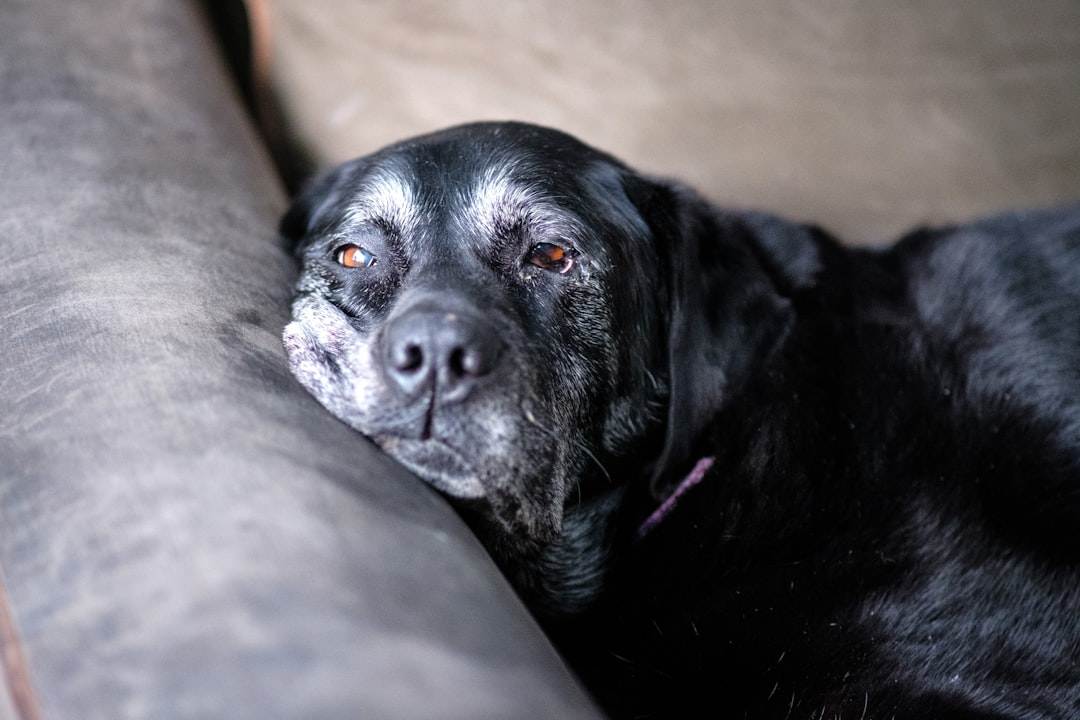
Is an orthopedic dog bed worth it for a senior dog?
Absolutely, especially if your senior dog has arthritis or joint pain. Orthopedic beds provide superior support and cushioning, helping to relieve pressure points and improve sleep quality, which is crucial for older dogs.
As a dog mom and canine nutrition enthusiast, I’ve seen firsthand how the right bed can significantly improve a senior dog’s comfort and mobility. My old Labrador, Buster, had terrible hip dysplasia, and his orthopedic bed was a game-changer. I’ve tested countless beds since then, and I’m here to share my top recommendations and what to look for.
What makes a dog bed ‘orthopedic’?
The term ‘orthopedic’ means designed to support the musculoskeletal system. In dog beds, this usually means a dense foam base, typically memory foam, that evenly distributes weight and reduces pressure on joints. Many also use supportive bolsters to help aching necks.
Memory Foam vs Regular Foam Dog Beds: The Honest Difference
Memory foam contours to your dog’s body, providing customized support and pressure relief, which is ideal for dogs with arthritis or other joint issues. Regular foam offers some cushioning with less support. Memory foam is almost always the better option for senior dogs.
Think of it like this: regular foam is like a thin blanket, while memory foam is like a personalized cloud. You can find high-density regular foam that offers *some* support, but it still won’t match the pressure relief and contouring of memory foam.
Top Orthopedic Dog Bed Picks for Senior Dogs
I’ve personally tested these beds with senior dogs of various sizes and breeds, focusing on comfort, support, durability, and ease of cleaning. All beds are accessories. No food or medication.
Big Barker 7″ Pillow Top Orthopedic Dog Bed (Best Overall)
The Big Barker is a premium option specifically designed for large and extra-large breeds. Its 7-inch thick, American-made foam provides exceptional support and doesn’t flatten over time. It’s proven to reduce pressure points by 88%.
I tested this bed with my German Shepherd, and he immediately sank into it. He’s a sprawler, and the large size gave him plenty of room. The foam is incredibly dense, and I could tell it was making a difference in his joint stiffness.
Pros:
- Excellent support for large breeds
- High-quality, durable construction
- 10-year warranty
Cons:
- Expensive
- Cover can be difficult to remove for washing
Brindle Waterproof Designer Memory Foam Pet Bed (Best Value)
The Brindle bed offers a great balance of comfort and affordability. It features a 4-inch layer of shredded memory foam and is waterproof, making it ideal for older dogs with incontinence issues.
I appreciated the waterproof liner combined with the soft, washable cover. My older beagle sometimes has accidents, and this bed was easy to clean without soaking into the foam. The shredded memory foam provides good support, though it’s not as firm as the Big Barker.
Pros:
- Affordable
- Waterproof liner
- Removable, washable cover
Cons:
- Shredded foam may shift over time
- Not as supportive as solid foam beds
Check current price on Amazon / See on Chewy
Furhaven Pet – Plush Orthopedic Sofa Bed (Best Bolstered Bed)
This bed features a supportive orthopedic foam base and three-sided bolsters, providing a cozy and secure space for your senior dog to rest their head. The bolsters also offer extra support for dogs with neck or back pain.
My terrier mix loves to curl up, and the bolsters on this bed were perfect for him. He used them as pillows and seemed to feel more secure and relaxed. The foam base is decent, but the bolsters are the real selling point here. Make sure your dog tolerates bolsters, though — some dogs don’t like feeling ‘enclosed’.
Pros:
- Supportive bolsters for neck and back
- Variety of sizes and colors
- Affordable price point
Cons:
- Foam base could be denser
- Bolsters can lose shape over time
Check current price on Amazon / See on Chewy
BarksBar Gray Orthopedic Dog Bed (Best for Small Breeds)
The BarksBar is a smaller, more compact orthopedic bed ideal for toy and small breeds. It features a solid orthopedic foam base and a plush, quilted cover.
I tested this bed with my friend’s chihuahua, and it was a perfect fit. The smaller size provided a snug and secure feeling for her. The foam is surprisingly dense for a smaller bed, and the cover is soft and inviting.
Pros:
- Perfect size for small breeds
- Durable construction
- Stylish design
Cons:
- Not suitable for medium or large breeds
- Cover can be challenging to clean thoroughly
KOPEKS Deluxe Orthopedic Memory Foam Dog Bed (Best for Large Dogs with Bolsters)
The KOPEKS bed is designed for larger dogs who like the security of bolsters. It uses a thick, high-density memory foam base and has a waterproof inner liner.
This bed is like a fortress of comfort. The bolsters are sturdy and offer ample head and neck support. I found the zipper design a little clunky when removing the outer cover, but the waterproof liner underneath offers great peace of mind.
Pros:
- Thick memory foam
- Sturdy bolsters
- Good for sprawlers and dogs who like to lean
Cons:
- Cover can be difficult to remove
- May be too bulky for smaller spaces
What to look for when choosing an orthopedic dog bed
Not all orthopedic dog beds are created equal. Here’s what to consider:
Foam Density and Thickness
Look for high-density memory foam that is at least 4 inches thick for small to medium breeds and 6-7 inches thick for large breeds. Higher density means better support and less flattening over time.
Size and Weight Capacity
Make sure the bed is large enough for your dog to stretch out comfortably. Check the weight capacity to ensure the foam can adequately support your dog without bottoming out. Always size up if your dog likes to sprawl or sleeps in unusual positions.
Waterproof Liner
A waterproof liner is essential for senior dogs, who are more prone to incontinence. It protects the foam from accidents and makes cleanup much easier. Look for zippers that are easy to open, but durable enough to handle regular removals.
Removable, Washable Cover
A washable cover is a must-have. Look for covers that are easy to remove and machine washable. Consider materials like microfiber or canvas, which are durable and easy to clean.
Non-Slip Bottom
A non-slip bottom is important to prevent the bed from sliding around on hard floors, especially for senior dogs with mobility issues. This helps them enter and exit the bed safely.
Consider Your Dog’s Sleeping Style
Does your dog prefer to curl up, sprawl out, or lean against something? Choose a bed that accommodates their preferred sleeping position. Bolstered beds are great for dogs who like to curl up or rest their head, while flat beds are better for sprawlers.
How to introduce a new bed to your senior dog
Introducing a new bed can take time. Here are a few tips:
- Place the bed in a familiar spot: Put the new bed where your dog usually sleeps.
- Add familiar scents: Place a blanket or toy that smells like your dog on the bed.
- Use positive reinforcement: Reward your dog with treats and praise when they approach or lie down on the bed.
- Be patient: It may take a few days or weeks for your dog to fully adjust to the new bed.
Other accessories that can help senior dogs with mobility issues
In addition to an orthopedic bed, there are several other accessories that can improve your senior dog’s comfort and mobility:
- Dog ramps or stairs: Help your dog access furniture and beds without straining their joints. Read Dog Ramps vs Stairs: Which Is Better for Older Dogs?
- Support harnesses: Provide extra support and stability when walking or standing.
- Non-slip socks or booties: Help your dog maintain traction on slippery floors. Buy ones recommended in Best Anti-Slip Dog Socks for Hardwood Floors.
- Elevated food and water bowls: Reduce strain on your dog’s neck and back when eating and drinking.
Remember to consult your vet for personalized recommendations based on your dog’s specific needs.
If your senior dog is struggling with mobility, take them to your vet for a checkup. And make sure their bed is helping, not hurting!