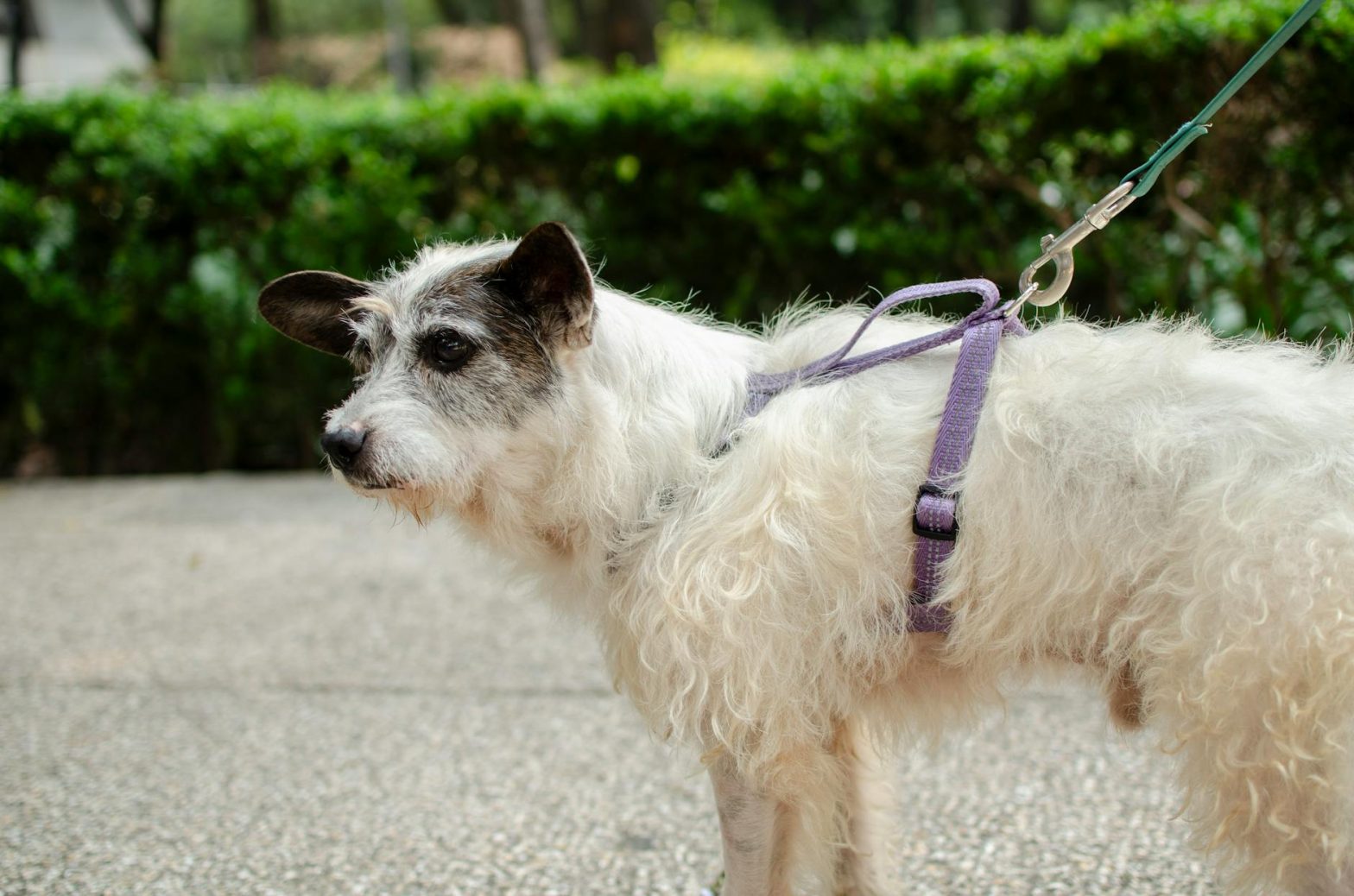
Are no-pull harnesses cruel or effective for dogs?
When used correctly, no-pull harnesses are neither cruel nor harmful. They are designed to discourage pulling by gently redirecting your dog’s movement without causing pain or injury. Most no-pull harnesses have a front clip that turns your dog toward you when they pull, disrupting their forward momentum. Back-clip harnesses are not considered ‘no-pull’. However, it’s essential to choose the right size and fit and to introduce the harness gradually using positive reinforcement. Always supervise your dog when they’re wearing a new harness.
What makes a good no-pull dog harness?
A good no-pull dog harness should have:
- Front clip: This is the key feature that redirects your dog when they pull.
- Comfortable fit: The harness should fit snugly but not too tightly, allowing free movement.
- Adjustable straps: Customizable fit to different dog sizes and body shapes.
- Durable materials: Strong enough to withstand pulling and wear and tear.
- Padding: Prevents chafing and irritation, especially during long walks.
- Easy to put on and take off: Quick and hassle-free for both you and your dog.
For extra safety, a top handle is useful for more control in busy areas, and reflective trim adds visibility on dark walks.
Best No-Pull Dog Harnesses: Our Top Picks
I’ve tested numerous no-pull harnesses with my own dogs, paying close attention to how well they discourage pulling, how comfortable they appear to be for my dogs, and how easy they are to use. Here are my top recommendations:
PetSafe Easy Walk No-Pull Harness
The PetSafe Easy Walk Harness is a popular choice for its simple design and effectiveness. It features a front clip that gently redirects your dog’s attention when they pull, helping to correct their behavior without choking or discomfort. Made from durable nylon, it’s available in multiple sizes to fit various breeds, and it’s easily adjustable for a snug, secure fit.
My Experience: This harness was one of the first I tried, and I found it very effective for my smaller dog, Maisie, who is a persistent puller. The front clip worked well to discourage her pulling, though it did take a few walks for her to fully adjust. I appreciate the simple design and ease of use.
Cons: Some pet parents have found the straps can loosen over time and that proper sizing is critical to prevent rubbing. I also think it’s important to note that many dogs can still pull with this harness, it’s not a ‘magic bullet’.
Rabbitgoo No-Pull Dog Harness
The Rabbitgoo No-Pull Dog Harness features both front and back clips, giving you options for different levels of control. The front clip works as a no-pull mechanism, redirecting your dog when they pull, while the back clip is suitable for casual walks. The harness is made from breathable mesh padding, ensuring your dog stays comfortable, and it has adjustable straps for a secure fit. Reflective strips enhance visibility during nighttime walks.
My Experience: I particularly liked the dual-clip design, which provided flexibility depending on the walk. For casual strolls in quiet areas, I used the back clip, and for busier environments where pulling was more likely, the front clip was a lifesaver. The breathable padding seemed comfortable for my dogs, even on warmer days.
Cons: Proper adjustment is key to prevent slipping. Some users have found the sizing a bit inconsistent, so measure your dog carefully and read reviews. I would also not recommend this harness if your dog is a serious puller. The front clip is not as reinforced as other brands.
Halti Front Control Harness
The Halti Front Control Harness stands out for its focus on comfort and control. It features a unique chest attachment that stops pulling by steering your dog from the front. Padded chest and shoulder straps ensure your dog’s comfort, even during extended walks. The harness is easy to fit and adjust, making it suitable for a wide range of breeds.
My Experience: The Halti harness provided exceptional control without excessive pinching or discomfort. I found it especially helpful for my more headstrong dog, Gunther, who tends to pull with significant force. The padded straps prevented chafing, even on longer walks.
Cons: Some users have found the adjustment process a bit fiddly. Also, I would expect to replace this harness more frequently than some of the heavier duty brands. It’s not really designed for everyday wear.
Blueberry Pet Classic Dog Harness
The Blueberry Pet Classic Dog Harness isn’t specifically a no-pull harness, but it can be effective when used with a front-clip leash (sold separately). It’s made from high-density nylon fabric for durability and features adjustable straps for a comfortable, secure fit. The colorful design options add a touch of style, and it’s available in a range of sizes.
My Experience: I found the Blueberry Pet harness to be a good basic option for dogs who don’t pull excessively. While it doesn’t have a dedicated no-pull clip, attaching a leash to the front D-ring provides some redirection. The variety of colors and patterns is a nice bonus.
Cons: This harness is not ideal for strong pullers as it lacks dedicated no-pull features. Sizing can run a bit small, so measure carefully before ordering.
What to Look For in a No-Pull Harness
Front vs. Back Clip
The placement of the leash attachment point is crucial in a no-pull harness. A front-clip harness attaches at the dog’s chest, and when the dog pulls, the leash redirects them to the side. This gently discourages pulling without causing pain or discomfort. A back-clip harness, on the other hand, attaches at the dog’s back, which is better for casual walks but doesn’t offer the same no-pull benefits. Some harnesses have both front and back clips for versatility.
Padding and Comfort
Comfort is paramount, especially if your dog wears the harness for extended periods. Look for harnesses with padded chest and back panels to prevent chafing and irritation. Breathable materials, such as mesh, can help keep your dog cool, particularly in warm weather. Adjustable straps are essential for achieving a snug, secure fit that doesn’t restrict movement.
Adjustability and Fit
A well-fitting harness is key to both comfort and effectiveness. Measure your dog’s chest and neck circumference to ensure you choose the right size. Adjustable straps allow you to fine-tune the fit, accommodating different body shapes and sizes. The harness should fit snugly but not so tightly that it restricts breathing or movement. You should be able to slide two fingers comfortably between the harness and your dog’s body.
Durability and Materials
A no-pull harness should be able to withstand the rigors of daily walks, including pulling, tugging, and exposure to the elements. Look for harnesses made from durable materials such as nylon or reinforced polyester. Reinforced stitching and sturdy hardware (buckles, D-rings) are indicators of quality construction. Reflective trim can enhance visibility during nighttime walks.
Tips for Training Your Dog With a No-Pull Harness
- Introduce the Harness Gradually: Let your dog sniff and explore the harness before putting it on them. Use treats and praise to create positive associations.
- Start With Short Walks: Begin with short walks in familiar areas to allow your dog to adjust to the harness.
- Use Positive Reinforcement: Reward your dog with treats and praise when they walk nicely on a loose leash.
- Be Consistent: Consistency is key to success. Use the harness on every walk, and reinforce good behavior consistently.
- Redirect and Reward: When your dog starts to pull, gently redirect them using the harness, and reward them when they return to your side.
What are the alternatives to a no-pull harness?
If a no-pull harness isn’t quite right for your dog, there are other options to consider:
- Head Collar: Head collars, like the Gentle Leader, can be effective for controlling pulling, but some dogs find them uncomfortable or restrictive.
- Martingale Collar: Martingale collars are designed to prevent dogs from slipping out of their collars, but they don’t necessarily stop pulling.
- Training: Professional training classes can help teach your dog to walk nicely on a leash, regardless of the equipment you use.
- Leash Reactivity Training: If your dog is not just pulling, but reactive (barking and lunging) at other dogs and people, then you will want to consider a reactive dog lead and specialized training.
Final Thoughts: Which No-Pull Harness is Best?
The best no-pull harness for your dog depends on their individual needs and behavior. The PetSafe Easy Walk Harness is a reliable option for its simplicity and effectiveness, while the Rabbitgoo No-Pull Dog Harness offers versatility with its dual-clip design. The Halti Front Control Harness provides exceptional control, and the Blueberry Pet Classic Dog Harness is a good basic choice for mild pullers. By considering your dog’s size, behavior, and comfort, you can find the perfect no-pull harness to make walks more enjoyable for both of you.
Check out the Pulling and Reactivity Hub for more tips and reviews!