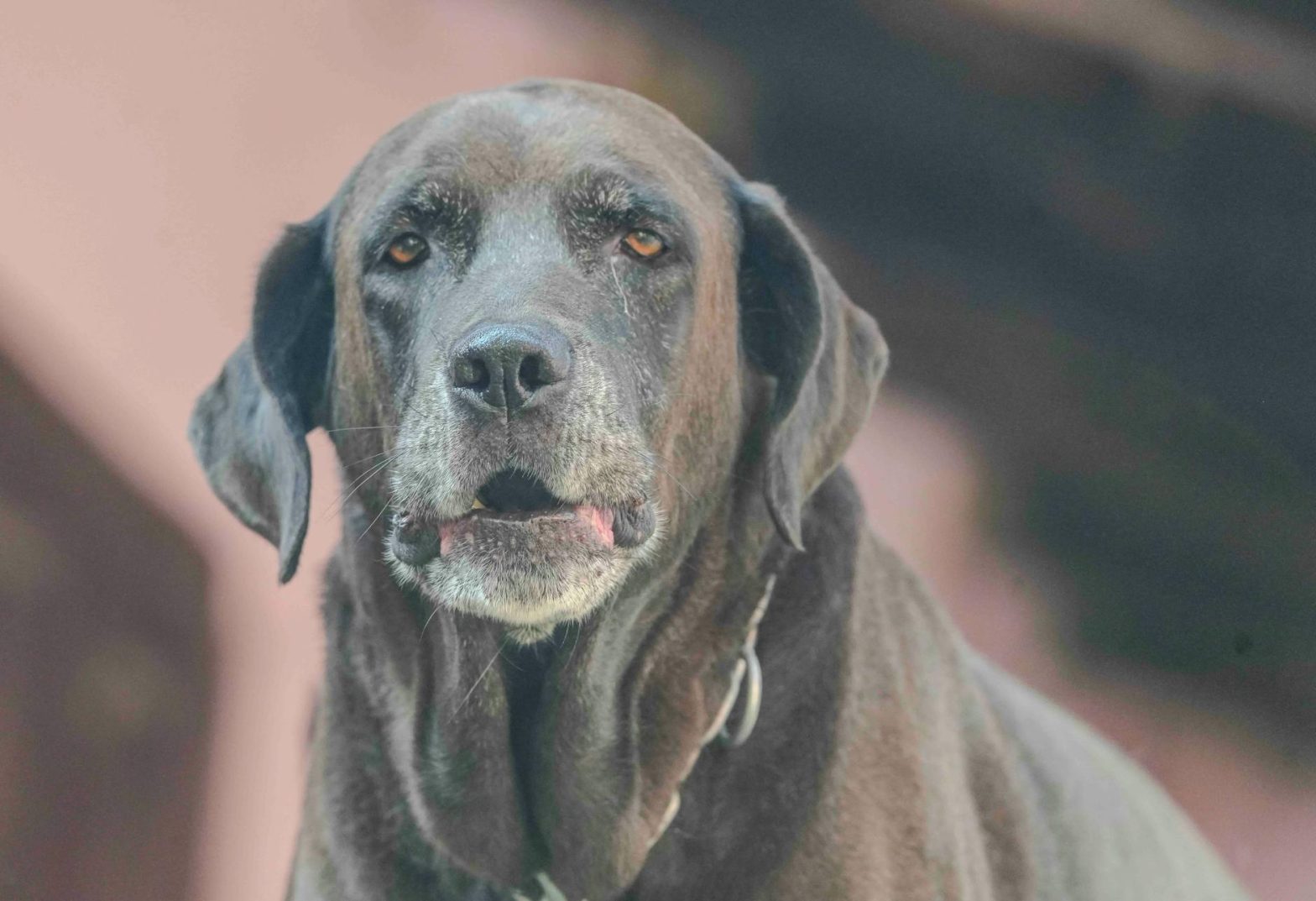
Are dog stairs good for senior dogs?
Yes, dog stairs can be very beneficial for senior dogs, especially those with arthritis, hip dysplasia, or other mobility issues. They provide a low-impact way for your dog to access elevated surfaces like beds and couches, reducing strain on their joints.
What should I look for in dog stairs for an older dog?
When choosing dog stairs for your senior dog, look for features that prioritize their safety and comfort. Key considerations should include:
- Low rise: Short steps minimize strain on joints.
- Wide steps: Offer more stability and room for your dog to maneuver.
- Non-slip surface: Essential for preventing slips and falls.
- Sturdy construction: Ensures the stairs can support your dog’s weight.
- Gentle incline: A gradual slope is easier on aging joints.
Let’s review some of the best dog stairs available for senior dogs, keeping these features in mind.
Best Overall Dog Stairs for Senior Dogs: PetSafe CozyUp Steps
The PetSafe CozyUp Steps consistently rank high due to their sturdy construction, wide steps, and non-slip surface. They’re a great all-around option for most senior dogs.
Pros:
- Wide, deep steps provide ample space
- Non-slip carpeted surface for secure footing
- Sturdy construction supports up to 70 pounds
Cons:
- May be too tall for very small or very short-legged breeds
- Carpeted surface can be difficult to clean
Best Dog Stairs for Small Senior Dogs: Arf Pets Wood Dog Stairs
These stairs are designed with smaller breeds in mind, featuring a lower rise and shallower steps. The wood frame offers stability and a touch of style.
Pros:
- Low rise is ideal for small dogs and those with limited mobility
- Stylish wood finish complements home décor
- Easy to assemble
Cons:
- Wood surface can be slippery; consider adding non-slip treads
- May not be sturdy enough for larger breeds
Best Folding Dog Stairs for Travel: Pet Gear Easy Step II
For senior dogs who travel frequently, these folding stairs are a convenient and portable option. They’re lightweight, easy to store, and provide a gentle incline.
Pros:
- Folds flat for easy storage and transport
- Lightweight and easy to carry
- Wide steps with carpet treads for secure footing
Cons:
- May not be as sturdy as fixed stairs
- Carpet treads can be difficult to clean
Best Dog Ramp Alternative: Heininger PortablePET Twistep Dog Step
While technically a step, the Heininger PortablePET Twistep functions similarly to a ramp. It attaches to your vehicle’s hitch receiver, providing a single, wide step for your dog to easily climb in and out.
Pros:
- Provides a single, low step for easy access to vehicles
- Attaches to hitch receiver for stability
- Folds up for easy storage
Cons:
- Only suitable for vehicles with a hitch receiver
- May not be ideal for indoor use
Safety Note: Always ensure the Twistep is securely attached before allowing your dog to use it.
Stair Alternatives for Senior Dogs
While stairs can be helpful, some senior dogs may benefit more from alternatives that require even less exertion:
Dog Ramps
Ramps offer a gradual incline, making them ideal for dogs with severe arthritis or mobility issues. They eliminate the need for your dog to step up at all. Be sure to check out our article on Dog Ramps vs Stairs: Which Is Better for Older Dogs? to help you decide which is best for your situation
Dog Lift Harnesses
These harnesses provide support and allow you to assist your dog with getting up or down. They’re particularly helpful for dogs with weak hind legs.
Orthopedic Dog Beds
An orthopedic bed can significantly improve your senior dog’s comfort and sleep quality. Look for beds with memory foam or other supportive materials.
Looking for a new bed? Read our comprehensive guide to Best Orthopedic Dog Beds for Senior Dogs.
How to Introduce Dog Stairs to Your Senior Dog
Introducing dog stairs to your senior dog requires patience and positive reinforcement. Here’s a step-by-step guide:
- Start with treats: Place treats on each step to encourage your dog to explore the stairs.
- Use positive reinforcement: Praise and reward your dog for any interaction with the stairs. You can also try using a lick mat to keep them distracted.
- Guide them gently: If your dog is hesitant, gently guide them up the stairs with a leash and harness.
- Be patient: It may take several days or even weeks for your dog to become comfortable using the stairs.
Tips for Using Dog Stairs Safely
To ensure your senior dog uses dog stairs safely, keep these tips in mind:
- Place the stairs securely: Make sure the stairs are stable and won’t tip over.
- Supervise initial use: Supervise your dog until they’re comfortable using the stairs independently.
- Provide adequate lighting: Ensure the area around the stairs is well-lit to prevent accidents.
- Keep the surface clean: Regularly clean the stairs to remove dirt and debris that could cause your dog to slip.
What If My Dog Is Still Having Trouble?
If your dog continues to struggle with stairs despite your best efforts, consult with your veterinarian. They can assess your dog’s mobility and recommend other solutions, such as pain medication or physical therapy.
Dog Back Leg Weakness: Accessories That Can Help
If your senior dog is struggling specifically with weakness in the back legs, there are additional accessories that can help aid mobility beyond stairs. These products can offer support and stability, making it easier for your dog to maintain balance and move around.
- Dog Hip Support Harnesses: A hip support harness provides additional support and stability to dogs with hip dysplasia, arthritis, or general weakness. Check out our guide on Dog Hip Support Harnesses: Do They Actually Work?
Why Does My Old Dog Slip on the Floor? Causes and Solutions
Senior dogs often struggle with traction on smooth surfaces like hardwood or tile due to decreased muscle mass and joint flexibility. This can lead to slips and falls, exacerbating existing mobility issues. Understanding the causes and implementing appropriate solutions can significantly improve your dog’s safety and independence in the home
- Non-Slip Dog Socks: These socks provide extra grip and traction, helping your dog maintain balance on slippery floors. We have a guide to help you choose the Best Anti-Slip Dog Socks for Hardwood Floors
- Grip Pads and Rugs: Strategically place grip pads and rugs around the house to create safer pathways for your senior dog. Learn how to help your Helping Senior Dogs on Slippery Floors
Conclusion
Choosing the right dog stairs can significantly improve your senior dog’s quality of life, providing them with safe and easy access to their favorite spots. By considering factors like step height, width, surface, and stability, you can find the perfect set of stairs to meet your dog’s individual needs. Remember to introduce the stairs gradually and with plenty of positive reinforcement to ensure a smooth transition.
If stairs aren’t the right fit, explore alternatives like ramps and support harnesses to help your senior dog maintain their independence and enjoy their golden years to the fullest.
Remember to consult your veterinarian for personalized advice on managing your senior dog’s mobility and overall health.
Need help finding the right size harness for your senior pup? Try our Dog Harness Size Calculator tool!