What Not to Do With a Senior Dog: Mistakes Dog Owners Make
As your dog ages, their needs change, and their bodies start to slow down. Just like us, they might experience aches, pains, and a general slowing of their pace. Understanding how to care for a senior dog involves more than just providing food and shelter; it’s about adapting to their evolving needs and ensuring they live their golden years with dignity and comfort. But what not to do with a senior dog?
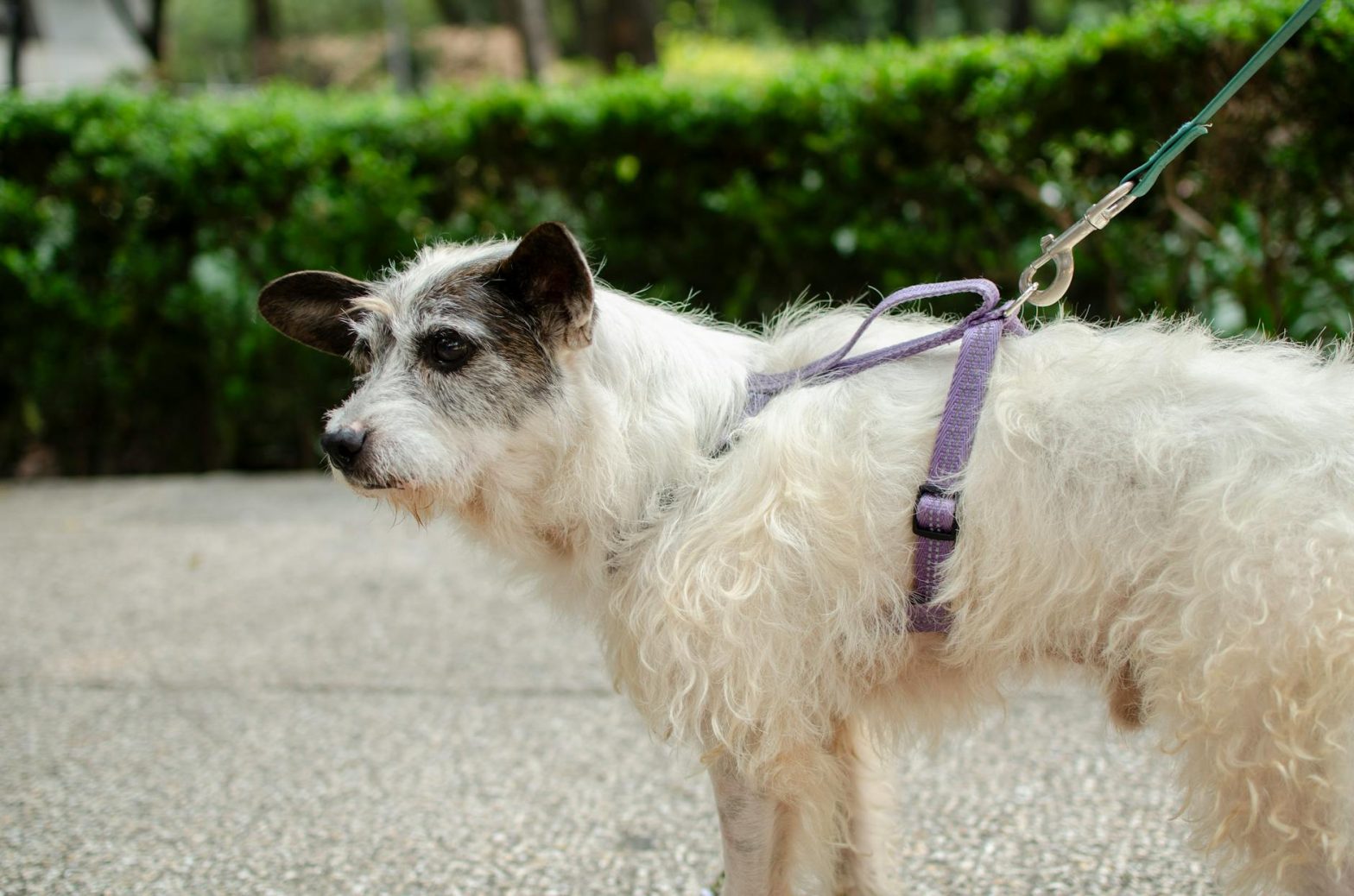
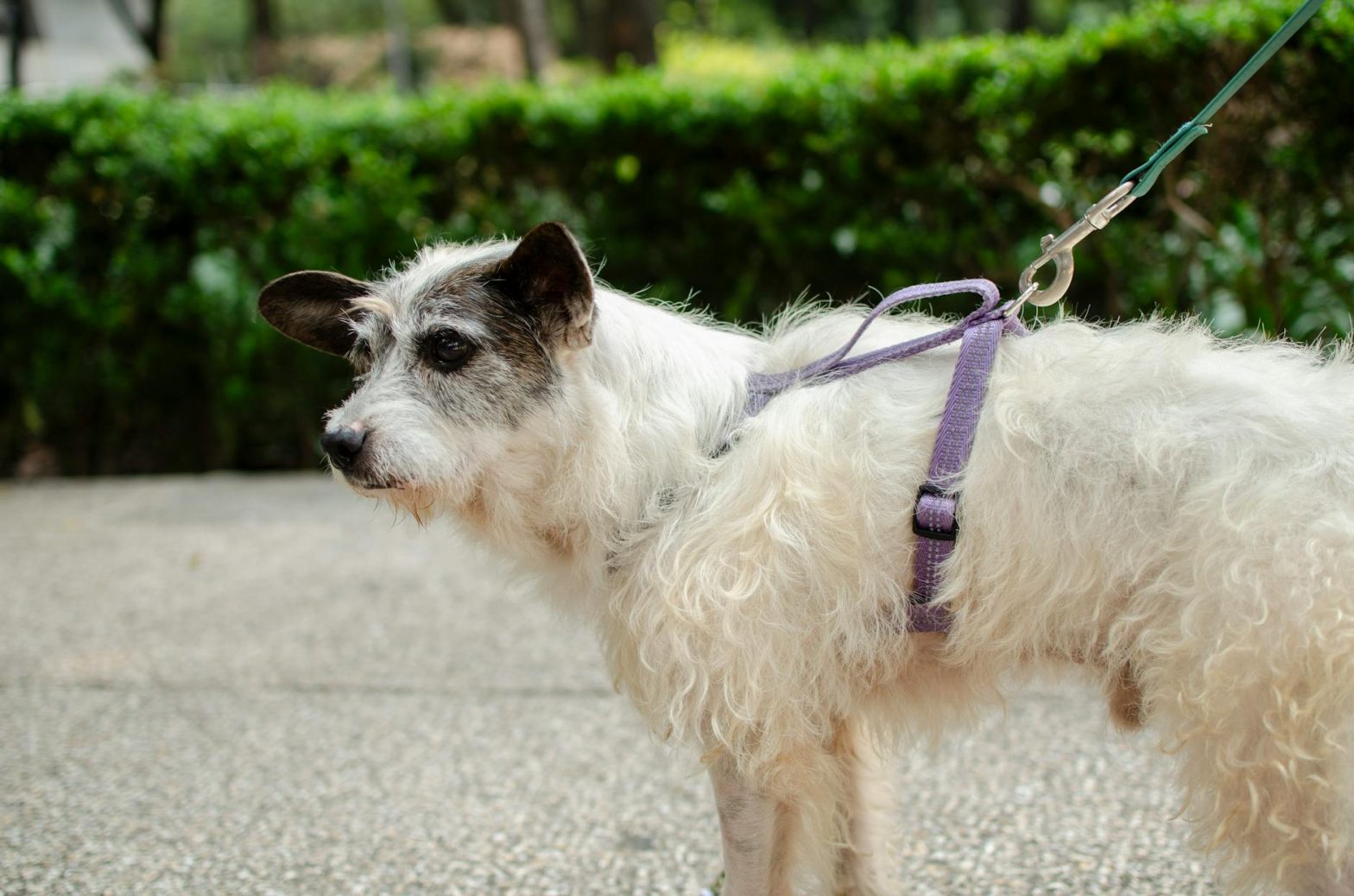
This isn’t just about avoiding obvious harm; it’s about understanding the subtle shifts in their behavior and knowing how to adjust your care accordingly. We’ll explore the common oversights that dog owners make and provide actionable advice to ensure your furry companion enjoys a happy, healthy, and comfortable senior life. After all, they’ve given us years of unconditional love and companionship; it’s our turn to provide the best possible care in their later years. Be sure to check out the tools hub for tips on how to measure your senior dog for a new harness if they’re struggling to get around!
Ignoring Subtle Changes in Behavior
Failing to notice gradual shifts in your dog’s behavior can lead to missed opportunities for early intervention.
It’s easy to dismiss subtle changes as just “old age,” but these can often be early indicators of underlying health issues. A slight decrease in appetite, a little more stiffness after a nap, or a reluctance to jump on the couch—these aren’t just signs of getting old; they could be symptoms of arthritis, dental problems, or other age-related conditions. By recognizing these subtle cues early, you can seek veterinary care sooner, potentially slowing the progression of the condition and improving your dog’s quality of life. Regular observation and a keen awareness of your dog’s normal behavior are your best tools for early detection. Regular check-ups are a great way to keep your dog in tip-top shape, but always follow your vet’s advice.
Skipping Regular Vet Checkups
Neglecting routine veterinary visits can result in undiagnosed conditions that significantly impact your senior dog’s well-being.
While regular vet visits are important for dogs of all ages, they’re crucial for senior dogs. As dogs age, they become more susceptible to a range of health problems, including heart disease, kidney disease, diabetes, and cancer. These conditions can develop gradually, often without obvious symptoms in the early stages. Regular checkups allow your vet to screen for these issues, monitor existing conditions, and make adjustments to your dog’s care plan as needed. Early detection and management are key to helping your senior dog live a longer, healthier life. Aim for vet visits every six months to ensure optimal health monitoring. If your dog is diagnosed with a condition that may impair movement, consider an orthopedic hip support harness to aid with mobility.
Overlooking Dental Health
Ignoring your senior dog’s dental hygiene can lead to painful infections and systemic health problems.
Dental disease is extremely common in older dogs. Tartar buildup, gum inflammation, and infections can cause significant pain and discomfort, making it difficult for your dog to eat. What’s more, dental problems can have systemic effects, potentially leading to heart, liver, and kidney issues. Regular dental checkups and professional cleanings, along with at-home dental care like brushing and dental chews, are essential for maintaining your senior dog’s oral health and overall well-being. Your vet can advise you on the best approach to your dog’s oral care, considering their specific needs and any existing health conditions. Don’t delay getting your dog the dental treatment they need!
Providing Insufficient or Inappropriate Exercise
Failing to adjust your dog’s exercise routine to their changing physical abilities can lead to injury or discomfort.
While senior dogs still need exercise, their ability to tolerate strenuous activity decreases with age. Continuing to push your older dog to keep up with the same level of exercise they did in their youth can put undue stress on their joints and muscles, potentially leading to pain and injury. On the other hand, completely eliminating exercise can lead to muscle loss, weight gain, and decreased cardiovascular health. The key is to find a balance that meets your dog’s individual needs. Shorter, more frequent walks, gentle swimming, or indoor play sessions can be great ways to keep your senior dog active without overdoing it. A senior dog harness can also help make your dog’s daily walks easier.
Neglecting Mental Stimulation
Underestimating the importance of mental challenges for senior dogs can lead to cognitive decline and boredom.
Just like their bodies, senior dogs’ minds need to stay active to prevent cognitive decline. Puzzle toys, scent work, and interactive games can provide mental stimulation and help keep your dog engaged and alert. Training sessions, even if it’s just a few minutes a day, can also be a great way to exercise their brain. Introducing new toys, rotating familiar ones, and varying your dog’s routine can all help keep them mentally stimulated and prevent boredom. A bored dog may become destructive or develop new anxieties, so make sure they have plenty of mental stimulation each day.
Ignoring Dietary Needs
Continuing to feed your senior dog the same diet they ate in their younger years can lead to weight gain or nutritional deficiencies.
Senior dogs have different dietary needs than younger dogs. Their metabolism slows down, so they require fewer calories to maintain a healthy weight. They may also have specific dietary needs due to age-related health conditions like kidney disease or diabetes. Providing a diet formulated for senior dogs can help ensure they get the right balance of nutrients to support their overall health. It’s crucial to consult with your vet to determine the best diet for your individual dog, considering their age, weight, activity level, and any existing health conditions. Choosing the right diet can help your dog stay at a healthy weight and improve their overall quality of life. This is especially important in dogs with arthritis, as healthy weight can help manage symptoms.
Failing to Provide a Comfortable Environment
Not adapting your home to meet your senior dog’s physical limitations can lead to discomfort and potential injuries.
As dogs age, they may experience joint pain, muscle weakness, and decreased mobility. Failing to make adjustments to your home environment can make it difficult for them to navigate and increase their risk of falls and injuries. Providing ramps or steps to help them get on and off furniture, using non-slip mats on slippery floors, and ensuring they have a comfortable, supportive bed can all make a big difference in their comfort and safety. Your vet may also recommend a special orthopedic bed for dogs with stiff joints due to arthritis. For dogs with declining eyesight, minimizing clutter and providing consistent lighting can help them navigate more easily. Simple modifications can greatly improve your senior dog’s quality of life.
Ignoring Grooming Needs
Neglecting your senior dog’s grooming needs can lead to skin problems, discomfort, and even infections.
While grooming is important for dogs of all ages, it’s particularly crucial for senior dogs. As they age, they may have difficulty grooming themselves, leading to matted fur, skin irritation, and even infections. Regular brushing, bathing, and nail trimming are essential for maintaining their hygiene and comfort. Check your dog regularly for lumps, bumps, or skin abnormalities during grooming sessions. If your dog has difficulty standing for long periods, consider grooming them in shorter sessions or using a supportive grooming table. Prioritizing their comfort during grooming can help make the experience more enjoyable for both of you.
Isolating Your Senior Dog
Reducing social interaction for your senior dog can lead to loneliness, depression, and decreased cognitive function.
Even though senior dogs may slow down, they still need social interaction and companionship. Isolating them from the family or limiting their opportunities to socialize with other dogs can lead to loneliness, depression, and decreased cognitive function. Make an effort to include your senior dog in family activities, even if it’s just sitting with you while you watch TV. If they enjoy the company of other dogs, continue to provide opportunities for supervised playdates. Maintaining their social connections can help keep them mentally stimulated and emotionally fulfilled.
Ignoring Their Pain
Failing to recognize and address your senior dog’s pain can significantly diminish their quality of life.
Senior dogs are prone to a variety of conditions that can cause chronic pain, such as arthritis, hip dysplasia, and dental disease. Unfortunately, dogs are often stoic and may not show obvious signs of pain. It’s essential to be observant and learn to recognize subtle cues that may indicate discomfort, such as changes in appetite, reluctance to move, or increased irritability. If you suspect your senior dog is in pain, consult with your vet. They can help diagnose the underlying cause and develop a pain management plan, which may include medication, physical therapy, or other supportive measures. A great way to tell if your dog needs pain management is to watch to see if they struggle to get on and off furniture. If they do, this is a likely indicator that they are experiencing joint pain.
Conclusion
Taking care of a senior dog involves understanding their changing needs and adapting your care accordingly. Avoid these common mistakes, and you’ll ensure your loyal companion enjoys a comfortable, healthy, and fulfilling golden age. Remember, their love is unconditional, and they deserve nothing less than the best care in their senior years.
Be sure to check out Lucy’s Barkery for all the best accessories and tips to help your senior dog live their best life!