Is there a trick to stop my dog from pulling immediately?
Yes, there is! The most effective immediate trick is to become a tree. When your dog starts to pull, stop moving completely. Only resume walking once the leash is slack. This teaches your dog pulling gets them nowhere.
Hi, I’m Lucy Hargreaves, and as a dog owner and certified canine nutrition enthusiast, I know how frustrating leash pulling can be. I’ve tested countless products and training methods with my own dogs, and I’m here to share what truly works. Leash pulling isn’t just annoying; it can be harmful to both you and your dog. Luckily, with the right approach and consistent training, you can transform those frustrating walks into enjoyable outings.
Why does my dog pull on the leash anyway?
Dogs pull on the leash for many reasons, but the most common is simple: it works. When they pull, they get to where they want to go faster. Other reasons include excitement, curiosity, and a natural instinct to explore.
What are the common causes of leash pulling?
- Excitement: Your dog might be eager to explore and sniff everything in their path.
- Instinct: Some breeds have a stronger natural pulling instinct, especially those bred for sledding or hunting.
- Lack of Training: Without proper training, dogs haven’t learned that pulling is undesirable behavior.
- Faster route: Pulling gets them to their desired destination faster.
How does the ‘be a tree’ method work to stop pulling?
The ‘be a tree’ method is a simple yet effective technique. Here’s how it works:
What steps should I follow to “Be A Tree”?
- Start Walking: Begin your walk as usual.
- Dog Pulls: As soon as your dog starts to pull, stop moving. Plant your feet and become a ‘tree’.
- Wait: Wait until your dog stops pulling and the leash is slack. You might need to be patient.
- Reward: Once the leash is loose, praise your dog and start walking again.
- Repeat: Repeat this process every time your dog pulls. Consistency is key.
Are there specific leash types that discourage pulling?
Yes, certain leashes and harnesses can help discourage pulling by providing better control or discomfort when your dog pulls.
What types of leash work best for pullers?
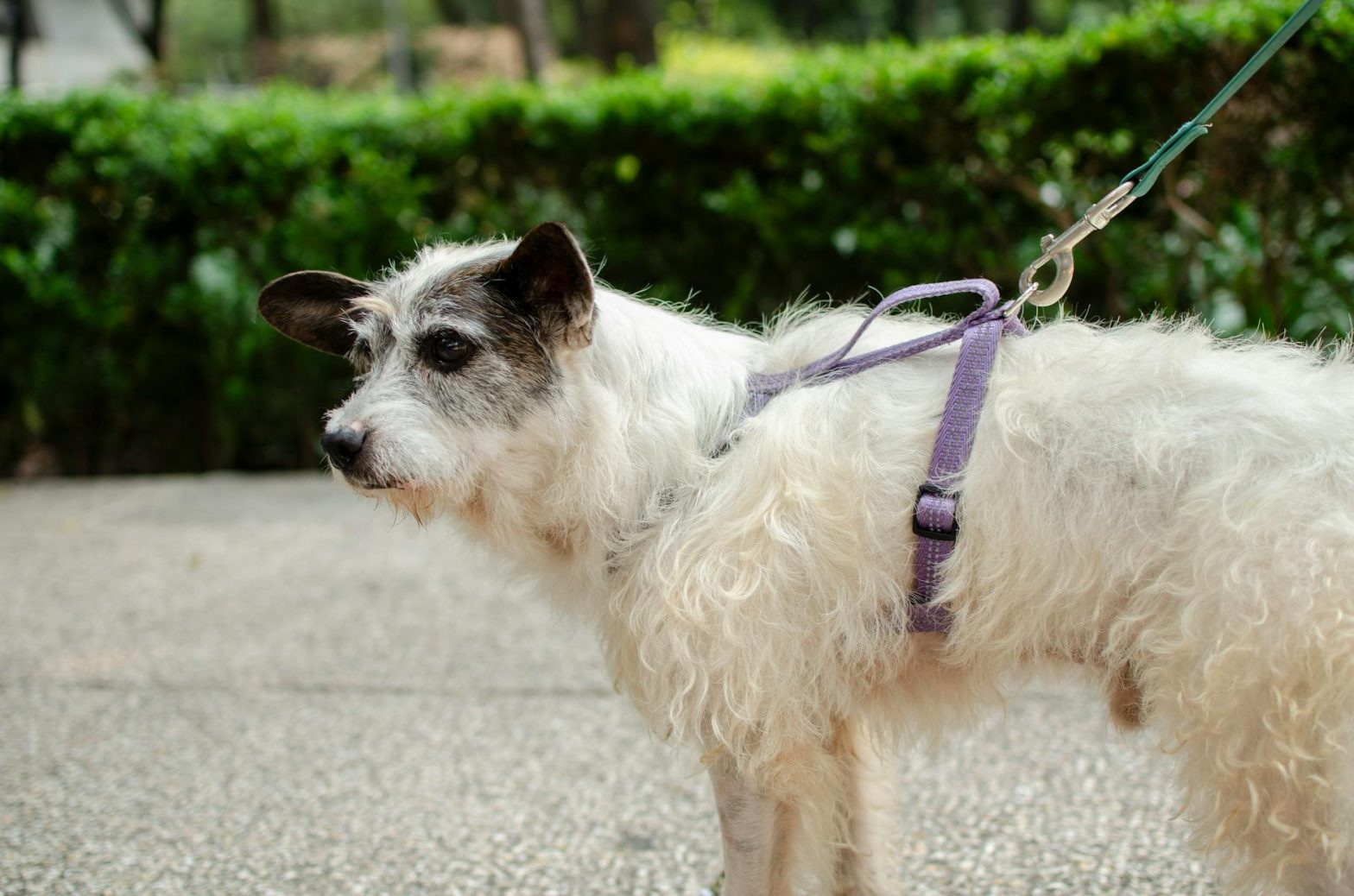
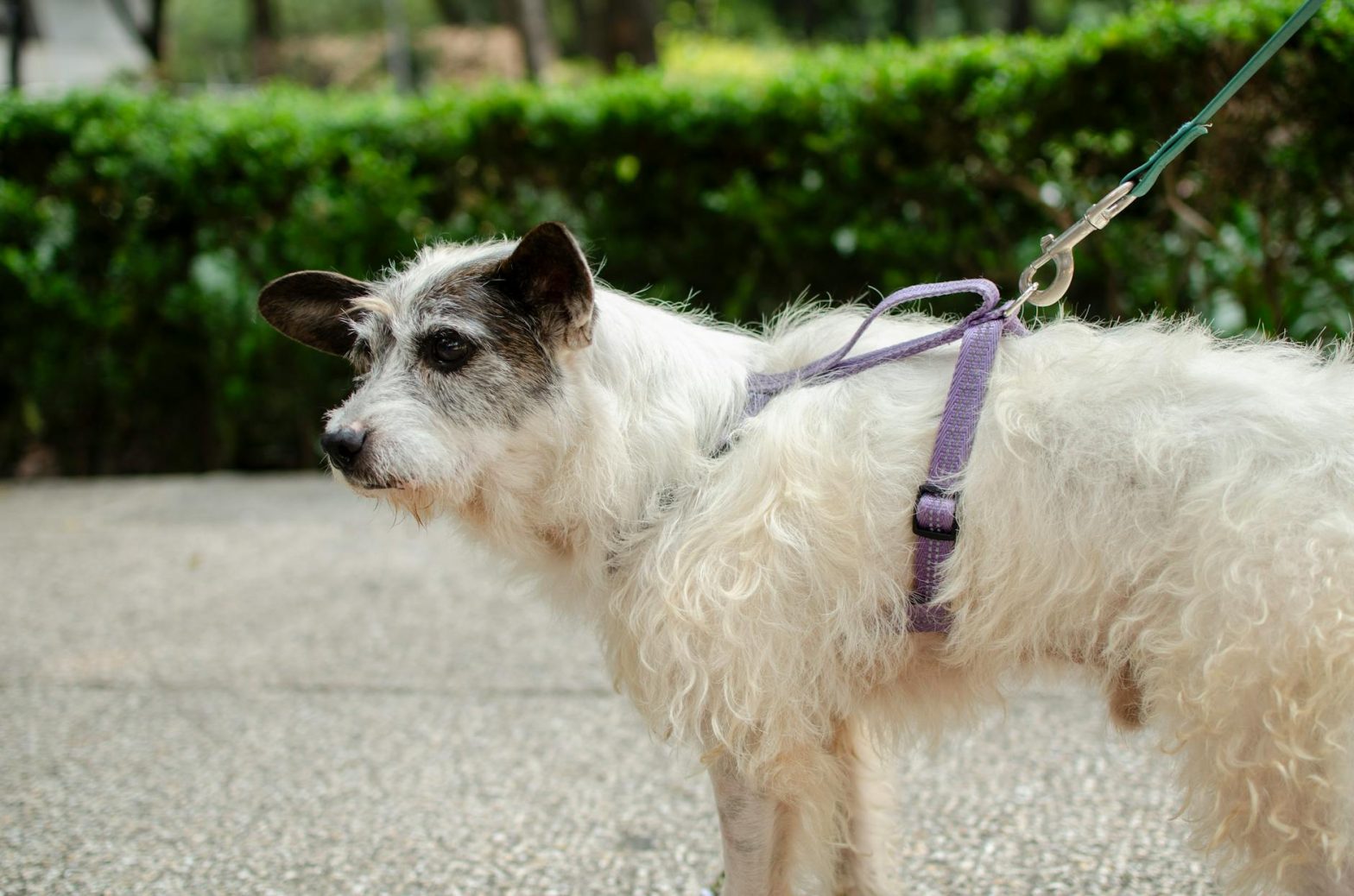
- Front-Clip Harnesses: These harnesses clip in the front, so when your dog pulls, they are gently turned to the side, discouraging pulling.
- Head Halters: These resemble a horse halter and give you control over your dog’s head, making it harder for them to pull.
- Martingale Collars: Also known as ‘limited slip’ collars, these tighten slightly when your dog pulls, providing feedback without choking.
My personal pick is a front clip harness. It’s effective and humane.
Front Clip vs Back Clip Harness: Which Stops Pulling Better?
Good question! Since we’re talking harnesses, it’s worth diving into the difference between the two major types.
Front-clip harnesses are designed specifically to discourage pulling. When your dog pulls, the leash redirects their body to the side, interrupting their forward momentum and making it uncomfortable to pull. This is a more natural and intuitive correction.
Back-clip harnesses, on the other hand, attach at the dog’s back. These are generally better for dogs who already walk nicely on a leash, or for activities like jogging where you want a more streamlined connection. However, they offer little to no correction for pulling.
Thinking of buying a new harness? Read my in-depth guide to front vs back clip harnesses.
How does a harness help compared to a regular collar?
Harnesses offer more control and distribute pressure more evenly across your dog’s body, reducing the risk of neck injuries.
What are the benefits of using a harness?
- Reduced Neck Strain: Harnesses avoid putting pressure on your dog’s neck, which is especially important for small breeds or dogs with tracheal issues.
- Increased Control: Harnesses give you better control, making it easier to manage your dog during walks.
- Safer for Escape Artists: A well-fitted harness is harder for a dog to slip out of compared to a collar. If you have an escape artist, read my guide to the best harnesses for Houdini dogs.
Besides gear, what training techniques work best?
Alongside the ‘be a tree’ method, several other training techniques can help reduce leash pulling. Consistency and positive reinforcement are key.
What are some good training methods for leash pulling?
- Positive Reinforcement: Reward your dog with treats and praise when they walk nicely on a loose leash.
- Change Direction: When your dog starts to pull, change direction abruptly. This encourages them to pay attention to you.
- Short Leash Control: Keep the leash short and close to your body. Reward your dog for staying by your side.
- Clicker Training: Use a clicker to mark the desired behavior (loose leash walking) and follow with a treat.
How often should I train my dog to stop pulling?
Daily training sessions, even just 10-15 minutes, can make a significant difference. Practice in different environments to generalize the behavior.
What is a good training schedule to stop pulling?
- Daily Sessions: Conduct short training sessions once or twice a day.
- Vary Locations: Practice in your yard, on quiet streets, and in busier areas.
- Consistency: Be consistent with your commands and corrections.
- End on a Positive Note: Always end each session with a success, rewarding your dog for good behavior.
How long will it take for my dog to stop pulling?
The timeline varies depending on the dog’s age, breed, temperament, and consistency of training. Some dogs may improve in a few weeks, while others may take several months.
What factors influence the time it takes to stop pulling?
- Age: Younger dogs may learn faster.
- Breed: Some breeds are more prone to pulling.
- Temperament: Stubborn dogs may require more patience.
- Consistency: Consistent training is crucial for success.
Are there any exercises to improve leash manners indoors?
Yes, you can start training indoors to build a foundation before heading outside. This helps your dog understand what’s expected of them.
What indoor exercises have carry-over benefit?
- Leash Introduction: Get your dog used to wearing a leash indoors.
- Follow Me: Practice having your dog follow you around the house on a loose leash.
- Stationary Training: Use a treat to lure your dog into a heel position and reward them for staying there.
What mistakes do people make training against pulling?
Many owners make common mistakes that hinder progress. Avoiding these mistakes can speed up the training process.
What missteps slow leash training progress?
- Inconsistency: Not correcting the behavior every time it occurs.
- Using Punishment: Yelling or jerking the leash can create fear and resistance.
- Long Walks Before Training: Allowing the dog to pull for the majority of the walk.
- Lack of Patience: Expecting immediate results.
What if my dog pulls due to anxiety or reactivity?
If your dog pulls out of fear, anxiety, or reactivity, addressing the underlying issue is crucial. Consult with a professional trainer or behaviorist.
Will anxiety-specific gear help in these situations?
Anxiety wraps, calming treats, and pheromone diffusers can help reduce overall anxiety, making training more effective. These tools don’t replace training but can support it.
Want to learn more about anxiety wraps? Check out my review of the top-rated anxiety wraps.
Senior Dog Considerations
Leash pulling in senior dogs can be a sign of cognitive decline or physical discomfort. Always consult with your vet to rule out any underlying health issues before starting a new training program.
Consider a supportive harness that doesn’t put pressure on painful joints. Keep walks short and on even surfaces to avoid further strain.
Pulling on the Leash: Key Takeaways
Stopping your dog from pulling on the leash requires patience, consistency, and the right tools. By using the ‘be a tree’ method, choosing the right leash, and employing positive reinforcement techniques, you can transform walks from a chore into a joy. Remember to address any underlying anxiety or reactivity issues and consult with professionals when needed.
Happy walking!