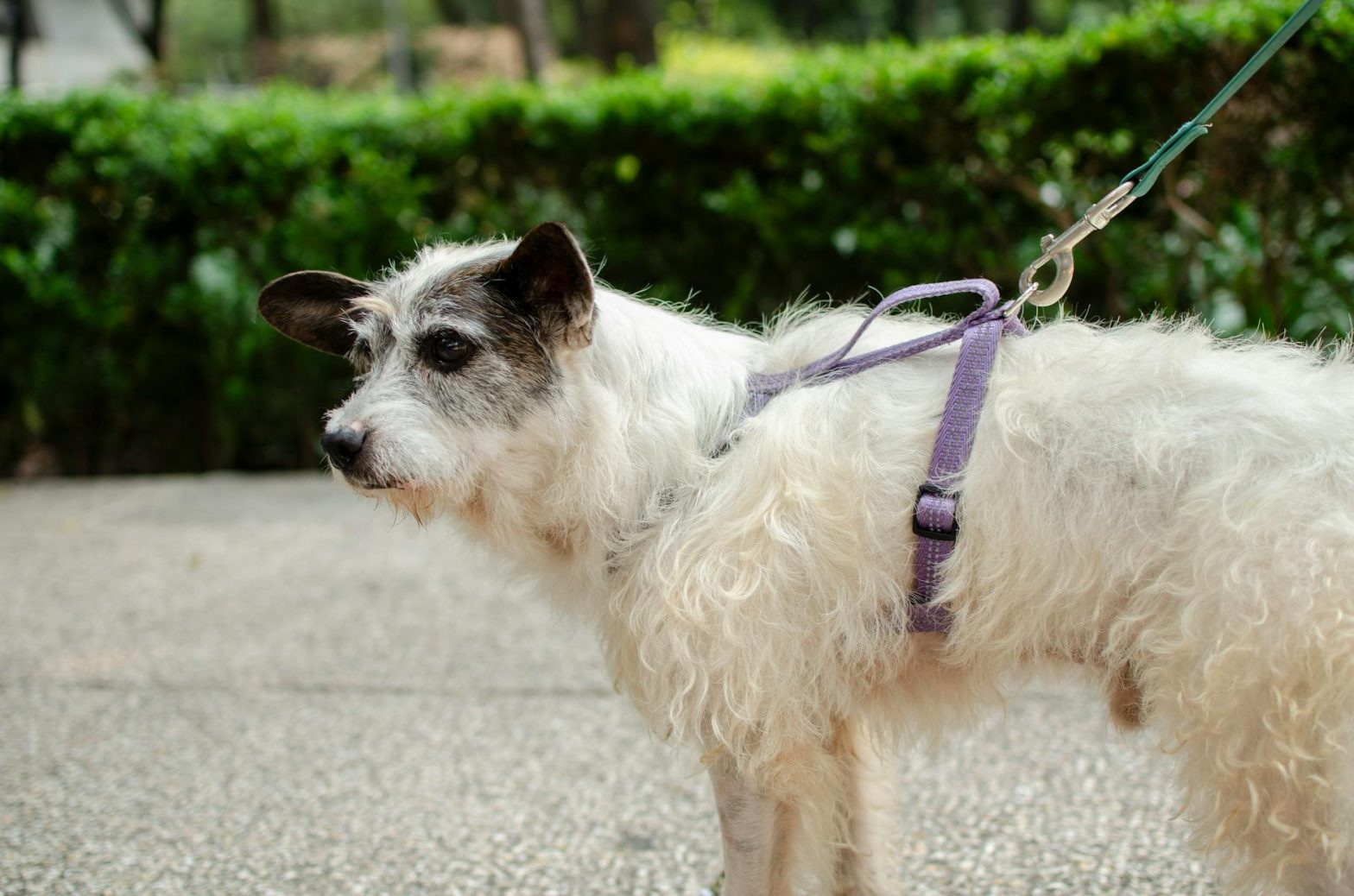
What’s the best dog harness to stop pulling?
The best no-pull dog harness depends on your dog’s size, breed, and pulling strength. Front-clip harnesses generally offer the most control, redirecting your dog’s forward momentum. Harnesses with multiple adjustment points ensure a snug, comfortable fit, preventing escapes and chafing.
As a dog owner myself, I know the frustration of leash pulling all too well. I’ve tested countless harnesses on my own dogs, from tiny terriers to enthusiastic Labradors. Believe me; not all no-pull harnesses are created equal! This guide shares my hands-on experiences to help you choose a harness that actually works, transforming those dreaded walks into enjoyable outings for both you and your furry friend.
Front Clip vs Back Clip Harness: Which Stops Pulling Better?
Front-clip harnesses are generally more effective at stopping pulling. They attach the leash to a ring located on the dog’s chest. When your dog pulls, the harness gently redirects them to the side, discouraging forward momentum without choking or discomfort. Back-clip harnesses are better for dogs who don’t pull excessively, providing comfort and freedom of movement.
The position of the leash attachment makes all the difference. Think of it like steering a boat. A front attachment gives you more leverage and control over your dog’s direction, whereas a back attachment is more about letting them lead the way.
Best No-Pull Dog Harnesses: Our Top Picks
Based on my testing and research, here are some of the best no-pull dog harnesses available:
- PetSafe Easy Walk Harness: A popular and affordable front-clip harness known for its simple design and effectiveness.
- Rabbitgoo No-Pull Dog Harness: Features both front and back clips, padded construction, and multiple adjustment points for a secure, comfortable fit.
- Blueberry Pet Classic Dog Harness: A stylish and durable harness with a back clip and a wide range of colors and sizes.
- Ruffwear Front Range Harness: A comfortable and durable everyday harness with a back clip and a padded chest plate.
- Halti Front Control Harness: A front-clip harness designed to discourage pulling and make walks more enjoyable.
PetSafe Easy Walk Harness: Simple and Effective
The PetSafe Easy Walk Harness consistently earns top marks for its simple design and effectiveness in reducing pulling. The front-clip design gently redirects your dog, while the Martingale loop on the chest strap tightens slightly when your dog pulls, discouraging them without causing discomfort. This harness comes highly recommended for dogs that pull moderately.
Pros:
- Easy to fit and adjust
- Affordable price point
- Effective at reducing moderate pulling
Cons:
- May not be durable enough for strong pullers
- Limited padding may cause chafing for some dogs
Rabbitgoo No-Pull Dog Harness: Versatile and Comfortable
The Rabbitgoo No-Pull Dog Harness stands out for its versatility and comfort features. With both front and back clips, you can choose the attachment point that best suits your dog’s needs and training level. The harness is well-padded, preventing chafing, and the multiple adjustment points ensure a secure, custom fit. The four adjustment straps allow you to make the harness fit perfectly to your dog, whatever its size.
Pros:
- Dual clip design for versatility
- Padded construction for comfort
- Multiple adjustment points for a secure fit
Cons:
- Can be a bit confusing to fit initially
- Some users report durability issues with heavy pullers
Blueberry Pet Classic Dog Harness: Stylish and Durable
The Blueberry Pet Classic Dog Harness combines style and functionality. This harness features a back clip and is made from high-quality, durable nylon webbing. Available in a wide range of colors and sizes, you can find the perfect fit and style for your dog. It’s a great choice for everyday walks with dogs that have a history of pulling.
Pros:
- Stylish design with a wide range of colors
- Durable construction
- Comfortable for everyday use
Cons:
- Back clip design may not be effective for strong pullers
- Limited padding
Ruffwear Front Range Harness: Comfortable and Adventure-Ready
The Ruffwear Front Range Harness is designed for comfort and durability, making it ideal for adventurous dogs. Featuring a back clip and a padded chest plate, this harness distributes pressure evenly, preventing chafing. The reflective trim enhances visibility in low-light conditions, great if you want to walk your dog in the evenings.
Pros:
- Padded chest and belly panel for comfort
- Durable construction for outdoor adventures
- Reflective trim for visibility
Cons:
- Back clip design may not be effective for strong pullers
- Higher price point
Halti Front Control Harness: Designed for Pulling
The Halti Front Control Harness is specifically designed to discourage pulling. The front-clip design redirects your dog’s momentum, and the chest strap applies gentle pressure when they pull. This harness is a good choice for dogs that need a bit more guidance on the leash. It’s designed to be very effective, but it might be too much harness for a dog who doesn’t pull hard.
Pros:
- Effective at reducing pulling
- Easy to fit and adjust
Cons:
- Minimal padding
- Some dogs may not like the feel of the chest strap
Why Does My Dog Keep Slipping Out of Their Harness?
If your dog is a master escape artist, their harness might not fit properly, or it might not be the right style for their body shape. Some harnesses are designed with features to prevent escapes, such as multiple adjustment points and snug-fitting designs. Consider a harness specifically marketed as “escape-proof”. It’s always worth double-checking that all the straps are tight enough to avoid any chance of the dog slipping out.
Best Escape-Proof Harnesses for Dogs That Slip Out
For escape artists, look for harnesses with these features:
- Multiple Adjustment Points: Allows for a snug, custom fit that prevents slipping.
- Double Straps: Extra straps around the chest and belly provide added security.
- Figure-Eight Design: Wraps around the dog’s body for a secure, snug fit.
How to Fit a Dog Harness So They Can’t Escape (Step by Step)
Proper fit is crucial for preventing escapes. Follow these steps:
- Measure Your Dog: Use a soft measuring tape to measure your dog’s chest girth and neck circumference.
- Adjust the Straps: Loosen all straps and put the harness on your dog.
- Snug Fit: Adjust the straps so that the harness is snug but not too tight. You should be able to fit two fingers comfortably between the harness and your dog’s body.
- Check the Fit: Make sure the harness doesn’t slide around or restrict your dog’s movement.
Best Dog Harnesses for Reactive Dogs on Leash
Reactive dogs need a harness that provides maximum control and security. Look for these features:
- Front Clip: Redirects your dog’s attention and momentum.
- Sturdy Construction: Durable materials and strong buckles can withstand pulling.
- Handle: A handle on the back of the harness allows for quick control in emergency situations.
Also, consider using a muzzle in conjunction with the harness as an extra method of control. If your dog is reactive you should always prioritise the safety of those around you.
Dog Harness Size Calculator
Finding the right size can be tricky. Use our dog harness size calculator to get a personalized recommendation based on your dog’s breed, weight, and measurements. Don’t forget to refer to the product’s sizing chart as well. Some brands vary widely in sizing.
Click here to use the Dog Harness Size Calculator
How to Choose a Dog Harness for a Dog with a Bad Back
If your dog has a bad back, it’s extra important to choose a harness that doesn’t put pressure on their spine. Look for harnesses with:
- Padded Chest Plate: Distributes pressure evenly across the chest, avoiding the neck and back.
- Adjustable Straps: Allows for a custom fit that doesn’t restrict movement.
- Step-In Design: Eliminates the need to lift your dog’s legs, minimizing strain on their back.
A harness with a step-in design is often best, since it is less likely to cause agitation to your dogs back or neck.
The best harness to stop pulling for small dogs will depend on your dog’s specific needs, whether it’s an escape artist with a strong prey drive or has back problems and would be more comfortable in a step-in harness. You should always prioritize your dog’s comfort and wellbeing over trying to stop it from pulling. A trainer can help you determine the right solution for your dog.
Disclaimer: I am not a veterinarian. This information is based on my personal experience and research. Please consult with your veterinarian for specific advice regarding your dog’s health and well-being.