Best Dog Life Jackets: What to Look For and Best Picks

Do dogs really need life jackets?

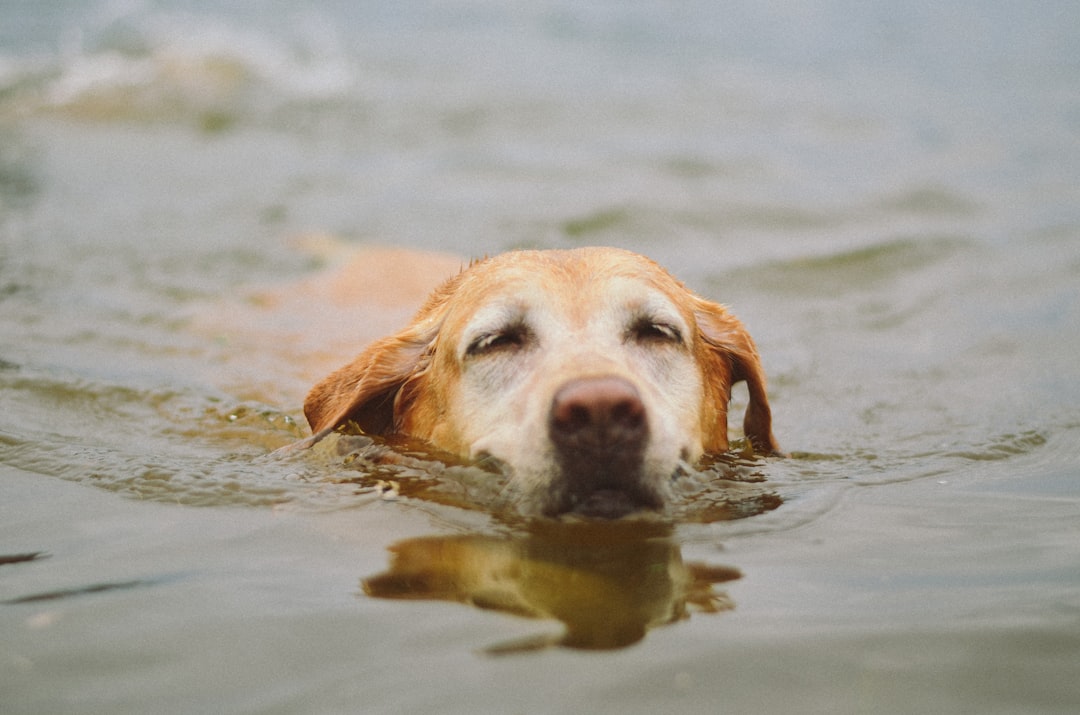
Yes, even strong swimmers can benefit from a dog life jacket. Life jackets provide extra buoyancy, which can be crucial in rough water, for tired dogs, or for dogs who are not strong swimmers. They also help keep your dog visible in the water.

What to Look For in a Dog Life Jacket

Choosing the right life jacket for your dog is an important decision. Here are the key features to consider to ensure their safety and comfort:

  • Buoyancy: The life jacket should provide adequate buoyancy to keep your dog afloat. Check the weight capacity to ensure it’s appropriate for your dog’s size.
  • Fit: A snug, comfortable fit is essential. The jacket should not be too tight or restrict your dog’s movement. Adjustable straps are a must.
  • Visibility: Bright colors and reflective strips enhance visibility, making it easier to spot your dog in the water.
  • Grab Handle: A sturdy grab handle on the back allows you to quickly and easily lift your dog out of the water, especially in emergency situations.
  • D-Ring: A D-ring for leash attachment is convenient for walks near the water.

How to Measure Your Dog for a Life Jacket

Accurate measurements are key to finding the right fit. Here’s how to measure your dog:

  1. Back Length: Measure from the base of the neck to the base of the tail.
  2. Chest Girth: Measure around the widest part of the chest.
  3. Neck Girth: Measure around the neck where the collar sits.

Compare your dog’s measurements to the manufacturer’s size chart to determine the correct size. If your dog is between sizes, it’s generally best to choose the larger size.

Best Dog Life Jackets: My Top Picks

Outward Hound Granby Splash Dog Life Jacket

The Outward Hound Granby Splash Dog Life Jacket is a popular choice known for its excellent buoyancy and comfortable fit. It features multiple grab handles, reflective accents, and adjustable straps.

Pros:

  • High buoyancy
  • Multiple grab handles
  • Adjustable straps for a secure fit
  • Reflective accents for enhanced visibility

Cons:

  • Some users report that the sizing can be inconsistent

Check current price on Amazon

RUFFWEAR Float Coat Dog Life Jacket

The RUFFWEAR Float Coat Dog Life Jacket is a premium option designed for maximum safety and performance. It offers a streamlined design, strong grab handle, and strategically placed foam panels for optimal buoyancy.

Pros:

  • Superior buoyancy with strategically placed foam
  • Strong, comfortable grab handle
  • Streamlined design for unrestricted movement
  • Reflective trim for visibility

Cons:

  • Higher price point compared to other options

Check current price on Amazon

EzyDog Doggy Flotation Device DFD

The EzyDog Doggy Flotation Device (DFD) stands out with its ergonomic design and focus on comfort. It features a unique fit that contours to your dog’s body, providing excellent support and freedom of movement.

Pros:

  • Ergonomic design for a comfortable, secure fit
  • Excellent buoyancy with durable construction
  • Grab handle for easy lifting
  • Reflective trim for visibility

Cons:

  • Sizing can be tricky; be sure to measure carefully

Check current price on Amazon

Vivaglory Ripstop Dog Life Vest

The Vivaglory Ripstop Dog Life Vest is a budget-friendly option that doesn’t compromise on safety. It features a durable ripstop fabric, adjustable straps, and a rescue handle for quick retrieval.

Pros:

  • Affordable price point
  • Durable ripstop fabric
  • Adjustable straps for a secure fit
  • Bright colors and reflective accents for visibility

Cons:

  • Buoyancy may not be as high as more expensive options

Check current price on Amazon

Paws Aboard Dog Life Jacket Vest

The Paws Aboard Dog Life Jacket Vest is designed with a sporty look and practical features. It includes adjustable nylon straps, a quick-release buckle, and a convenient grab handle.

Pros:

  • Sporty design
  • Adjustable nylon straps
  • Quick-release buckle
  • Grab handle for easy lifting

Cons:

  • Some users find the fit less secure than other options

Check current price on Amazon

Tips for Introducing Your Dog to a Life Jacket

Getting your dog comfortable with a life jacket is crucial for a positive experience. Here’s how to introduce it gradually:

  1. Start Indoors: Let your dog wear the life jacket for short periods indoors to get used to the feel.
  2. Positive Reinforcement: Use treats and praise to create positive associations with the life jacket.
  3. Gradual Introduction to Water: Start in shallow water and gradually increase the depth as your dog becomes more confident.
  4. Supervise Closely: Always supervise your dog when they are wearing a life jacket in the water.

Safety Considerations

  • Weight Capacity: Always check the weight capacity of the life jacket to ensure it is appropriate for your dog’s size.
  • Proper Fit: A life jacket that is too loose or too tight can be dangerous. Make sure the jacket fits snugly and does not restrict your dog’s movement.
  • Supervision: Never leave your dog unattended while they are wearing a life jacket in the water.

Conclusion

A dog life jacket is an essential safety accessory for any water-loving dog. By choosing the right life jacket and introducing it properly, you can ensure your furry friend stays safe and enjoys their time in the water. Be sure to consider buoyancy, visibility, and fit when making your selection, and always supervise your dog closely.

Looking for more ways to keep your senior dog active? Check out our article on the best orthopedic dog beds for senior dogs for comfortable rest after a swim!
Dog Hiking Gear: Full Kit for Trail Adventures

What’s the essential dog hiking gear?

The essential dog hiking gear includes a well-fitting harness, a sturdy leash, a portable water bowl and bottle, poop bags, and potentially a dog backpack, depending on the length of the hike and your dog’s carrying capacity.

Dog Hiking Gear: Getting Started on the Right Paw

Hitting the trails with your dog is an amazing way to bond and get some exercise. But before you lace up your boots and head out, it’s important to make sure your dog has the right gear. Just like you need proper hiking shoes and a comfortable backpack, your furry friend needs equipment that fits well, keeps them safe, and makes the experience enjoyable for both of you. I take my two goldendoodles, Maple and Willow, on hikes every weekend, and over the years, I’ve learned what works and what doesn’t when it comes to dog hiking gear. This guide breaks down the essential items you’ll need for a successful and safe hiking adventure with your canine companion. Remember to consult with your vet before starting any rigorous exercise program with your dog, especially if they are a senior or have any underlying health conditions.

What to Consider Before You Buy

Before diving into specific gear recommendations, consider a few key factors that will influence your choices:

  • Your dog’s size and breed: Not all gear is created equal. Make sure to select items that are appropriately sized for your dog.
  • The type of terrain you’ll be hiking on: Are you hiking rocky mountain trails or smooth forest paths? The terrain will influence whether you need dog boots or a more durable harness.
  • The length of your hikes: Longer hikes require more water, food, and potentially a dog backpack to carry those essentials.
  • Your dog’s experience level: If your dog is new to hiking, start with shorter, easier trails and gradually increase the difficulty and distance as they gain confidence.

Best Dog Hiking Harnesses: Comfort, Fit, and Function

What makes a good dog hiking harness?

A good dog hiking harness should be comfortable, durable, and provide a secure fit without restricting your dog’s movement. Look for features like padded chest and back panels, adjustable straps, and a strong leash attachment point.

A well-fitting harness is arguably the most important piece of hiking gear for your dog. It provides you with control and keeps your dog safe, especially on uneven or challenging terrain. Look for a harness that:

  • Fits snugly but doesn’t restrict movement: You should be able to fit two fingers comfortably between the harness and your dog’s body.
  • Has multiple adjustment points: This allows you to customize the fit for your dog’s unique shape.
  • Features padding in key areas: Padding on the chest and back will prevent chafing and discomfort.
  • Has a strong leash attachment point: A D-ring on the back is ideal for most hiking situations. Some harnesses also have a front attachment point, which can be helpful for dogs that pull.

My pick: The Ruffwear Web Master Harness (check current price on Amazon) is a favorite among hikers. It’s durable, comfortable, and provides excellent support, making it a great choice for dogs of all shapes and sizes. Read our full guide for dog hiking harnesses with handle and saddlebag options here.

Dog Backpacks: Let Your Dog Carry Their Load

Should my dog wear a backpack while hiking?

Whether or not your dog should wear a backpack depends on their size, breed, fitness level, and the length of the hike. If your dog is in good physical condition and the hike is long, then, yes, a backpack can be beneficial, allowing them to carry their own water and supplies.

For longer hikes, a dog backpack can be a lifesaver, allowing your dog to carry their own water, food, and other essentials. When choosing a dog backpack, consider:

  • The size and fit: The backpack should fit snugly and comfortably without restricting movement.
  • The weight capacity: Don’t overload your dog’s backpack. A general rule of thumb is that your dog should carry no more than 25% of their body weight.
  • The construction: Look for a durable backpack made from water-resistant materials.
  • The features: Some backpacks have features like reflective trim, multiple pockets, and a handle for lifting your dog over obstacles.

My Pick: The Ruffwear Approach Pack (check current price on Amazon) is a popular choice among experienced hikers. It’s durable, comfortable, and has plenty of room for carrying essentials.

Dog Hiking Boots: Protect Those Paws

When do dogs need hiking boots?

Dogs need hiking boots when hiking on rough, rocky, or hot terrain, especially if they aren’t used to those surfaces. Boots protect their paws from abrasions, burns, and injuries.

Dog hiking boots are essential for protecting your dog’s paws on rough, rocky, or hot terrain. They can also provide traction on slippery surfaces. When choosing dog hiking boots, consider:

  • The fit: The boots should fit snugly but not too tightly. Make sure to measure your dog’s paws carefully and consult the manufacturer’s sizing chart.
  • The construction: Look for durable boots made from waterproof or water-resistant materials.
  • The sole: The sole should be thick and provide good traction.
  • The closure system: Boots with adjustable straps or Velcro closures are easier to put on and take off.

My Pick: Ruffwear Grip Trex Dog Boots (check current price on Amazon) are a top choice for serious hikers. They’re durable, provide excellent traction, and stay on securely, even in challenging conditions.

Water Bottles and Bowls: Staying Hydrated on the Trail

What’s the best way to carry water for my dog on a hike?

The best way to carry water for your dog on a hike is with a portable water bottle designed for dogs, paired with a collapsible bowl. This makes it easy to offer water breaks without waste.

Just like you, your dog needs to stay hydrated on the trail. Carry plenty of water and a portable water bowl. Consider:

  • A collapsible bowl: These bowls are lightweight and easy to pack.
  • A water bottle designed for dogs: These bottles have a built-in bowl or spout that makes it easy for your dog to drink.

My Pick: The Highwave AutoDogMug (check current price on Amazon) is a convenient and leak-proof water bottle with an attached drinking cup for easy hydration on the go. I’ve tried many, this this the cleanest and least leaky!

Leashes: Keeping Your Dog Close

What type of leash is best for hiking with a dog?

A standard 6-foot leash is generally best for hiking with a dog, offering a balance between control and freedom. Avoid retractable leashes, which can pose a safety risk on trails.

A reliable leash is essential for keeping your dog safe and under control on the trail. Consider:

  • A standard leash: A 6-foot leash is a good choice for most hiking situations.
  • A hands-free leash: These leashes attach around your waist, allowing you to hike hands-free.
  • A traffic leash: These short leashes are helpful for keeping your dog close in crowded areas or on narrow trails.

My Pick: A simple, durable 6-foot leash is my go-to for most hikes. I prefer leashes made from nylon or biothane, as they are easy to clean and don’t absorb water.

Safety First: Essential Safety Gear

What safety gear does my dog need on a hike?

Essential safety gear for your dog on a hike includes a first-aid kit, tick remover, reflective gear, and a GPS tracker, especially in areas with wildlife or challenging terrain.

Safety should always be your top priority when hiking with your dog. Pack these essential safety items:

  • A first-aid kit: Include items like bandages, antiseptic wipes, and pain relievers safe for dogs (consult your vet for appropriate medications and dosages).
  • A tick remover: Ticks are common in many hiking areas.
  • Reflective gear: If you’re hiking in low-light conditions, reflective gear will help keep your dog visible. I like Outward Hound’s light-up collar.
  • A GPS tracker: This can be a lifesaver if your dog gets lost. Check out our review of GPS dog collars for escape artists.

Other Important Considerations

  • Poop bags: Always clean up after your dog.
  • Sunscreen: Dogs with thin or light-colored fur can get sunburned. Apply dog-safe sunscreen to exposed areas like the nose and ears.
  • Insect repellent: Protect your dog from mosquitoes, fleas, and ticks with a dog-safe insect repellent.
  • Trail etiquette: Keep your dog on a leash and yield to other hikers.

Enjoy the Adventure!

With the right gear and a little preparation, hiking with your dog can be an incredibly rewarding experience. So get out there, explore the trails, and create lasting memories with your furry friend!

Best Dog Backpack Carriers: Top Picks for Safe and Comfortable Travel

What is a dog backpack carrier and who is it best for?

A dog backpack carrier is a soft-sided or framed pack that allows you to carry your dog on your back. It’s primarily designed for small dogs or puppies, but some larger, sturdier models can accommodate dogs up to 25 pounds. Dog backpacks can be a great option for traveling, hiking, public transportation, or simply keeping your dog close in crowded areas.

Is my dog a good fit for a backpack carrier?

Backpack carriers are best suited for:

  • Small breeds (Yorkies, Chihuahuas, Pomeranians, Dachshunds)
  • Puppies who aren’t yet ready for long walks
  • Dogs who get anxious in crowded spaces
  • Owners who want to keep their hands free during activities

What to look for in a quality dog backpack carrier

Not all dog backpack carriers are created equal. To ensure your dog’s safety and comfort, keep an eye out for these key features when choosing a carrier:

How do I measure my dog for a backpack carrier?

You’ll need your dog’s height (from shoulder to ground), length (from chest to base of tail), and weight. Compare these measurements to the carrier’s sizing chart to ensure a proper fit. Your dog should be able to stand up, turn around, and lie down comfortably inside the backpack.

Safety features to look for in a dog backpack

Essential safety features include:

  • Secure zippers or closures: To prevent escapes.
  • Interior leash attachment: To keep your dog tethered inside.
  • Ventilation: Mesh panels for proper airflow.
  • Sturdy construction: Durable materials that can withstand wear and tear.
  • Reflective accents: For visibility in low-light conditions.

Comfort features for your dog

Look for features that will keep your dog comfortable during your adventures:

  • Padded interior: A soft, cushioned base for your dog to sit or lie on.
  • Adjustable straps: To customize the fit and distribute weight evenly.
  • Chest and waist straps: Provide extra support and stability.
  • Good visibility: Mesh windows or openings so your dog can see the world around them.

Durability and ease of cleaning

Choose a carrier made from water-resistant and easy-to-clean materials, such as nylon or polyester. Removable, machine-washable padding is a bonus.

Top Dog Backpack Carriers: My Tested and Approved Picks for 2026

I’ve personally tested several dog backpack carriers with my own dogs, considering comfort, safety, and convenience. Here are my top recommendations:

K9 Sport Sack AIR2: Best overall dog backpack

The K9 Sport Sack AIR2 is a front-facing carrier designed for active dogs. It features adjustable side vents, a padded back panel, and a safety D-ring for leash attachment. It’s available in multiple sizes to accommodate dogs up to 25 pounds. Check current price

Pros:

  • Comfortable and supportive for both dog and owner
  • Good ventilation
  • Stylish design

Cons:

  • Can be a bit pricey
  • Front-facing design may not be suitable for all dogs

Pecute Dog Carrier Backpack: Budget-friendly option

The Pecute Dog Carrier Backpack is a more affordable option that still offers decent comfort and safety features. It has a breathable mesh window, a soft bottom pad, and a safety leash. It’s suitable for small dogs up to 18 pounds. Check current price

Pros:

  • Affordable
  • Lightweight and easy to carry
  • Good ventilation

Cons:

  • Not as durable as higher-end models
  • Limited padding

Kurgo G-Train Dog Carrier Backpack: Best for hiking

The Kurgo G-Train Dog Carrier Backpack is built for outdoor adventures. It’s made from durable, water-resistant material and features a structured frame, padded shoulder straps, and a chest strap for added stability making it one of the best dog hiking accessories. It can accommodate dogs up to 25 pounds. Check current price

Pros:

  • Durable and weather-resistant
  • Comfortable for long hikes
  • Multiple compartments for storage

Cons:

  • More expensive than other options
  • Can be bulky

PetAmi Deluxe Pet Carrier Backpack: Best for comfort

If your dog’s comfort is your top priority, the PetAmi Deluxe Pet Carrier Backpack is a great choice. It features a well-ventilated design, a cozy fleece bed, and a collapsible bowl for food and water making it one of the best travel accessories for your dog. It’s suitable for small to medium-sized dogs up to 18 pounds. Check current price

Pros:

  • Excellent ventilation
  • Comfortable fleece bedding
  • Includes collapsible bowl

Cons:

  • May not be as durable as other options
  • Some dogs may find the fleece too warm

Outward Hound PoochPouch Front Carrier: Best Front Carrier

For the ultimate in closeness, the Outward Hound PoochPouch offers a front-facing design that keeps smaller dogs snug against your chest. Ideal for pups up to 20 pounds, its adjustable straps and breathable mesh ensure both your and your dog’s comfort. Check current price

Pros:

  • Keeps your dog close and secure
  • Good for nervous or anxious dogs
  • Easy to put on and take off

Cons:

  • May not be suitable for larger dogs
  • Can feel heavy on your front

Tips for safely using a dog backpack carrier

To ensure a safe and positive experience for both you and your dog, follow these tips:

How do I introduce my dog to the backpack carrier?

Start by letting your dog sniff and explore the carrier in a familiar environment. Place treats or toys inside to encourage them to enter. Gradually increase the amount of time your dog spends in the carrier, rewarding them with praise and treats. Take short walks around the house before venturing outdoors.

Weight limits and proper fit

Always adhere to the carrier’s weight limit and ensure a snug, comfortable fit. A too-large carrier can cause your dog to shift around and become unstable, while a too-small carrier can restrict their movement and cause discomfort. Make sure to use our dog harness size calculator to measure your dog for accurate fit.

Monitoring your dog’s comfort

Pay close attention to your dog’s body language. If they seem anxious, uncomfortable, or overheated, take a break and adjust the carrier as needed. Never leave your dog unattended in the backpack carrier.

What if my dog doesn’t like the backpack?

Some dogs may never fully adjust to being carried in a backpack. If your dog shows signs of extreme stress or anxiety, discontinue use and explore alternative options, such as a stroller or simply letting them walk on a leash at their own pace.

Conclusion

A dog backpack carrier can be a wonderful way to explore the world with your furry friend. By choosing a safe, comfortable, and well-fitting carrier and following these tips, you can create lasting memories and strengthen your bond with your dog on every adventure. Don’t forget to check out the travel and adventure hub for more travel accessories.

Best Airline-Approved Dog Carriers for In-Cabin Travel

Can I take my dog in the cabin on a plane?

Yes, most airlines allow small dogs to travel in the cabin with you, provided they meet specific requirements and are in an airline-approved carrier that fits comfortably under the seat in front of you.

What makes a dog carrier “airline approved”?

Airline-approved dog carriers must meet certain criteria to ensure the safety and comfort of your dog during the flight. Here’s what to look for:

  • Size and Dimensions: The carrier must be small enough to fit under the seat in front of you. Each airline has slightly different size restrictions, so always check with your specific airline before flying.
  • Ventilation: Proper ventilation is essential for your dog’s comfort and well-being. Look for carriers with mesh windows on multiple sides to ensure good airflow.
  • Durability and Safety: The carrier should be made of durable materials that can withstand the bumps and jostles of air travel. It should also have a secure closure mechanism to prevent your dog from escaping.
  • Leak-proof Bottom: Accidents can happen, so a waterproof bottom is a must-have for easy cleanup.
  • Comfort: A comfortable interior, such as a soft, padded floor, will help your dog relax during the flight.

Soft-Sided vs. Hard-Sided Carriers: Which is better for airline travel?

For in-cabin airline travel, soft-sided carriers are generally preferred because they are more likely to conform to the under-seat dimensions. They are also typically lighter and easier to carry.

Best Soft-Sided Airline-Approved Dog Carriers

Sherpa Original Deluxe Pet Carrier: Best Overall for Comfort and Compliance

The Sherpa Original Deluxe Pet Carrier is a popular choice among pet owners for its comfort, durability, and airline compliance. It features mesh windows for ventilation, a comfortable quilted liner, and a sturdy frame.

Pros:

  • Guaranteed On Board program (check airline compatibility)
  • Multiple mesh windows for excellent ventilation
  • Comfortable, removable quilted liner
  • Top and side entry options
  • Durable and easy to clean

Cons:

  • Can be a bit pricey compared to other options
  • Some users find the sizing to be a bit small, so measure carefully.

Check current price on Amazon

Sleepypod Air: Best for Versatility

The Sleepypod Air is a unique and versatile carrier that can be flattened to fit under the seat during takeoff and landing, and then expanded during the flight to give your dog more space.

Pros:

  • Unique design allows for expansion during flight
  • Durable and high-quality materials
  • Excellent ventilation
  • Crash tested for safety

Cons:

  • Expensive
  • Heavier than other soft-sided carriers

Check current price on Amazon

AmazonBasics Soft-Sided Pet Travel Carrier: Best Budget Option

For a budget-friendly option, the AmazonBasics Soft-Sided Pet Travel Carrier offers good value. It features mesh panels for ventilation, a comfortable fleece bed, and a carrying handle and shoulder strap.

Pros:

  • Affordable price
  • Lightweight and easy to carry
  • Good ventilation with mesh panels

Cons:

  • Less durable than higher-end carriers
  • Fleece bed is not very thick

Check current price on Amazon

Things to Consider Before Buying

Sizing and Breed Suitability

Accurate measurements are key since airline requirements specify maximum carrier sizes. Measure your dog accurately while standing and lying down. Factor in their breed characteristics. A pug or bulldog needs especially good ventilation due to their brachycephalic (flat-faced) build.

Durability and Security

Durable construction prevents damage or escape. Look at materials (ripstop nylon, reinforced corners). Secure closures prevent your dog from pushing their way out and risking an accident. Test zippers before you leave home!

Comfort for Your Dog

Some carriers have plush linings. You know your dog best: what materials or textures do they find soothing? If your dog gets car sick, avoid carriers with limited visibility that may worsen disorientation. If they tend toward anxiety, prioritize a carrier that allows them to see you always.

How to Get Your Dog Comfortable With the Carrier

Introducing the carrier slowly helps reduce anxiety. Start by leaving the carrier in a common area of your house with the door open. Place treats or toys inside to encourage your dog to explore it at their own pace.

  • Positive Reinforcement: Reward your dog with treats and praise when they go near or inside the carrier.
  • Short Trips: Once your dog is comfortable in the carrier, take them on short trips around the house or in the car.
  • Familiar Items: Place a familiar blanket or toy inside the carrier to help your dog feel more secure.

Tips for a Stress-Free Flight

Before You Go

  • Vet Check: Get a checkup to ensure your dog is fit to fly – airlines may require a health certificate.
  • ID Tags: Ensure updated contact info is on your dog’s tags. Microchipping provides extra protection should they get lost.

During The Flight

  • Potty Breaks: Allow them to relieve themselves before boarding, using puppy pads in the carrier if necessary on long flights.
  • Stay Calm: Your dog will pick up on your stress, so try to remain calm and reassuring.

What if my dog is too big to fly in-cabin?

If your dog exceeds the size restrictions for in-cabin travel, you may need to consider flying them in the cargo hold or using a pet transport service. Check with the airline for their specific policies and requirements for cargo travel.

Are there any airlines that are better for dog travel?

Some airlines are known for being more pet-friendly than others. JetBlue, for example, has a dedicated pet program called JetPaws. Research airlines and read reviews from other pet owners before making your booking.

Essential Checklist for Airline Travel

  • Airline-approved carrier
  • Health certificate (if required)
  • Updated ID tags
  • Food and water bowls
  • Puppy pads
  • Favorite toys
  • Small blanket or towel

Choosing the best airline-approved dog carrier is one part of preparing for air travel. Combine the right carrier with early acclimation and following stress-reduction steps for a smooth, safe journey for both of you. Safe travels.

Looking for tips on calming your dog in transit? Check out our guide to safe dog car travel for more information.

Best Crash-Tested Dog Car Harnesses: Safety-Certified Picks

Are Crash-Tested Dog Car Harnesses Worth It?

Yes, crash-tested dog car harnesses are absolutely worth the investment. In the event of a car accident, a regular harness can fail, or worse, become a projectile, endangering your dog and other passengers. Crash-tested harnesses are designed to distribute impact forces safely and keep your dog secure.

What Does “Crash-Tested” Actually Mean for a Dog Harness?

When a dog car harness is labeled “crash-tested,” it means it has undergone simulated crash tests to assess its performance in a collision. Look for harnesses that meet or exceed established safety standards, such as those set by the Center for Pet Safety (CPS). These tests evaluate the harness’s ability to:

  • Keep the dog restrained during a crash
  • Prevent the dog from becoming a projectile
  • Distribute impact forces to minimize injury
  • Withstand the forces of a collision without breaking

Best Crash-Tested Dog Car Harnesses: My Top Picks

I’ve researched and tested numerous dog car harnesses to bring you the best crash-tested options available. Here are my top picks, based on safety, comfort, and ease of use:

Sleepypod Clickit Sport Plus: Best Overall

The Sleepypod Clickit Sport Plus is consistently rated as one of the safest dog car harnesses on the market. It has undergone rigorous crash testing and meets the standards set by the Center for Pet Safety. It secures directly into the car’s seatbelt system for maximum security. Plus, it comes in a range of sizes to suit most dogs.

Pros:

  • Excellent crash test performance
  • Easy to use and adjust
  • Comfortable design for dogs
  • Secure three-point attachment

Cons:

  • Higher price point

Check current price on Sleepypod

Kurgo Tru-Fit Crash Tested Dog Car Harness: Budget-Friendly Pick

The Kurgo Tru-Fit harness is a more affordable crash-tested option that still offers excellent protection for your dog. It has been crash-tested at an established automotive safety lab, following child restraint standards. The harness features a padded chest plate and broad straps to distribute forces during impact.

Pros:

  • Certified crash-tested
  • More affordable than other options
  • Comfortable padded design
  • Works with any car seatbelt system

Cons:

  • Some users find the sizing slightly inaccurate

Check current price on Amazon

EzyDog Drive Safety Travel Dog Car Harness: Premium Comfort

The EzyDog Drive harness combines safety with comfort and style. It is made from durable materials and has been crash-tested to ensure it meets stringent safety standards. Its wide chest plate and padded construction provide a comfortable fit for your dog while offering superior protection in an accident.

Pros:

  • High-quality materials and construction
  • Extensive crash testing
  • Padded chest plate for comfort
  • Easy to put on and take off

Cons:

  • Can be a bit bulky for smaller dogs

Check current price on EzyDog

AllSafe Crash Tested Dog Car Harness: Simplest Design

The AllSafe harness offers a simple yet effective design for keeping your dog safe in the car. It has been crash-tested and conforms to European safety standards. The harness fits snugly around your dog’s chest and attaches to the seatbelt, providing a secure restraint.

Pros:

  • Crash-tested to European standards
  • Simple and easy to use
  • Adjustable straps for a snug fit
  • Lightweight design

Cons:

  • Not as padded as other options

Check current price on Amazon

Why Do Dog Car Harnesses Need to Be Crash-Tested?

The primary reason to choose a crash-tested harness is safety. In the event of a sudden stop or collision, a non-crash-tested harness may fail to restrain your dog, leading to severe injuries or even death. Crash-tested harnesses are designed to withstand the forces of impact and keep your dog safely secured.

Beyond the immediate safety concerns, a crash-tested harness can also prevent your dog from distracting the driver and potentially causing an accident. An unrestrained dog can move around the car, jump into the front seat, or even interfere with the vehicle’s controls.

Using a proper car harness can also help you comply with local laws. Many states and countries have regulations about unrestrained pets in vehicles to ensure the safety of both the animals and the drivers.

What to Look for in a Crash-Tested Dog Car Harness

When shopping for a crash-tested dog car harness, keep the following factors in mind:

Crash Test Certification

First and foremost, make sure the harness is explicitly advertised as crash-tested and meets recognized safety standards. Look for certifications from reputable organizations like the Center for Pet Safety (CPS) or testing conducted at established automotive safety labs. Don’t rely on vague claims or self-testing without independent verification.

Proper Fit

The harness should fit your dog snugly without being too tight. Measure your dog’s chest and neck circumference accurately and consult the manufacturer’s sizing chart to choose the correct size. Ensure you can fit one or two fingers between the harness and your dog’s body to ensure comfort. See our Dog Harness Size Calculator for help

Durable Materials

Look for harnesses made from high-quality, durable materials like nylon webbing, reinforced stitching, and metal hardware. These materials can withstand the forces of a collision and prevent the harness from breaking or tearing. Consider ballistic nylon options for exceptional strength.

Comfortable Design

Choose a harness with padding in key areas, such as the chest and shoulders, to provide comfort for your dog during car rides. Ensure the straps are wide enough to distribute pressure evenly and avoid chafing. A comfortable harness will make your dog more likely to accept wearing it willingly.

Ease of Use

Select a harness that is easy to put on and take off and that can be adjusted quickly. Complicated designs can be frustrating and time-consuming. Look for features like quick-release buckles and adjustable straps that make the harness simple to use every day.

How to Properly Use a Crash-Tested Dog Car Harness

Using a crash-tested dog car harness correctly is just as important as choosing the right one. Here’s a step-by-step guide to ensuring your dog’s safety:

  1. Read the Instructions: Always begin by reading the manufacturer’s instructions thoroughly. Each harness may have specific fitting and usage guidelines.
  2. Adjust the Harness: Adjust the straps to ensure a snug but comfortable fit. The harness should not be too loose, allowing your dog to slip out, nor too tight, restricting their movement. It might be worth checking out our article on How to Fit a Dog Harness.
  3. Attach the Harness to the Seatbelt: Secure the harness to the car’s seatbelt system according to the manufacturer’s instructions. This may involve threading the seatbelt through loops on the harness or using a separate attachment strap.
  4. Check for Twists: Ensure the straps are not twisted and lying flat against your dog’s body. Twists can cause discomfort and reduce the harness’s effectiveness in a crash.
  5. Secure the Dog: Once the harness is properly attached, make sure your dog is comfortably seated or lying down. Avoid allowing them to stand on the seat or move around excessively.

Can I Use An Anxiety Wrap as a Car Restraint?

No, anxiety wraps such as ThunderShirts are designed to provide calming pressure, but they are NOT designed as car restraints. You should never use an anxiety wrap in place of a properly crash-tested car harness. If your dog suffers from car anxiety, it is best to combine a crash-tested harness with other calming aids (see Dog Anxiety in the Car: Gear to Make Rides Calmer), such as calming chews or a pheromone diffuser. Always prioritize your dog’s physical protection first, and then address their anxiety through supplementary tools.

Consult Your Vet

Always consult with your vet on which option would best suit your dog’s needs. Factors such as age, breed, size, and pre-existing conditons will all play a part in choosing a car harness for your beloved pet.

Conclusion

Choosing the best crash-tested dog car harness is crucial for protecting your furry friend during car rides. By investing in a high-quality, properly fitted harness and using it correctly, you can ensure your dog’s safety and enjoy peace of mind on the road.

Check current prices now, and make the right choice for you and your beloved pal!

Best Dog Seat Covers That Actually Stay Put

Are dog seat covers worth it?

Absolutely, especially if you frequently travel with your dog or have a breed prone to shedding. A good dog seat cover protects your car’s upholstery from scratches, muddy paw prints, dog hair, and even accidents. Plus, they’re much easier to clean than your actual car seats!

What should you look for in a good dog car seat cover?

A good dog car seat cover needs to be durable, waterproof, easy to clean, and, most importantly, stay securely in place. Key features include:

  • Waterproof Material: Accidents happen, so a waterproof backing is a must.
  • Non-Slip Backing: Look for covers with a rubberized or textured backing to prevent sliding.
  • Seat Anchors: These tuck into the seat crevice to further secure the cover.
  • Adjustable Straps: Ensure a snug fit around the headrests.
  • Side Flaps: These offer extra protection for the sides of your seats.
  • Durability: Consider the material’s resistance to scratching and tearing.

What are the different types of dog car seat covers?

Dog car seat covers come in several styles, each with its own advantages:

  • Hammock Style: Attaches to both the front and rear headrests, creating a barrier to the front seat. Great for preventing dogs from jumping forward.
  • Bench Style: Covers the entire back seat but doesn’t attach to the front. Simpler to install and remove.
  • Bucket Seat Covers: Designed for individual front seats. Ideal for protecting your driver or passenger seat.
  • Cargo Liners: Protect the cargo area of SUVs and hatchbacks.

The Best Dog Seat Covers That Don’t Slip

I’ve tested numerous dog seat covers with my own dogs (a senior Labrador and a very enthusiastic terrier mix) to find the ones that truly stay put during car rides. Here are my top recommendations:

BarksBar Original Pet Car Seat Cover – Best Overall

The BarksBar cover consistently earns high marks for its quality, durability, and non-slip performance. It’s a hammock-style cover made from waterproof, heavy-duty polyester with a non-slip backing, seat anchors, and side flaps. It’s also easy to install and clean.

Check current price on Amazon

Pros:

  • Excellent non-slip performance
  • Durable and waterproof
  • Easy to install and clean
  • Good value for the price

Cons:

  • Side flaps could be slightly longer for complete coverage in some vehicles

iBuddy Dog Car Seat Cover – Best for Heavy Shedders

If you have a dog that sheds a lot, the iBuddy cover is an excellent choice. It features multiple layers of fabric, including a quilted top layer that effectively traps hair. It also has a waterproof backing and a non-slip design.

Check current price on Amazon

Pros:

  • Excellent for containing dog hair
  • Waterproof and durable
  • Non-slip backing works well

Cons:

  • May be a bit bulky for smaller cars

4Knines Dog Car Seat Cover – Most Durable

The 4Knines cover is built to last. It’s made from heavy-duty, puncture-proof material that can withstand even the most active dogs. It also features a waterproof backing, non-slip backing, and seat anchors for maximum stability. This is a great option for dog owners who enjoy taking their dog on outdoor adventures.

Check current price on Amazon

Pros:

  • Extremely durable and puncture-resistant
  • Excellent waterproof protection
  • Stays securely in place

Cons:

  • More expensive than other options

Epica Pet Car Seat Cover – Best Budget Option

If you’re looking for an affordable dog seat cover that still offers decent protection, the Epica cover is a solid choice. It’s made from waterproof polyester with a non-slip backing and seat anchors. While it may not be as durable as some of the more expensive options, it’s a great value for the price.

Check current price on Amazon

Pros:

  • Affordable
  • Waterproof
  • Non-slip backing

Cons:

  • Not as durable as more expensive options

Frisco Quilted Water-Resistant Bench Car Seat Cover – Best Bench Style Cover

For a simple bench car seat cover, this option from Frisco is a reliable and budget-friendly pick. It’s water-resistant and easy to install. While it may not have all the bells and whistles of a hammock style cover, it’s a solid choice for basic protection.

Check current price on Chewy

Pros:

  • Easy to install and remove
  • Water-resistant
  • Affordable

Cons:

  • Doesn’t offer as much protection as a hammock style cover
  • May slide around more than hammock options

How to Choose the Right Size Dog Car Seat Cover

Most dog car seat covers are designed to be universal, fitting a wide range of vehicles. However, it’s still important to measure your back seat to ensure a proper fit. Measure the width of your seat from door to door, and the depth from the seat back to the front edge. Compare these measurements to the dimensions of the seat cover before purchasing.

Tips for Keeping Your Dog Car Seat Cover Clean

Regular cleaning will help extend the life of your dog car seat cover and keep your car smelling fresh. Here are some tips:

  • Vacuum Regularly: Use a handheld vacuum or the hose attachment on your regular vacuum to remove dog hair and debris.
  • Spot Clean: Address spills and stains immediately with a damp cloth and mild detergent.
  • Machine Wash: Many dog seat covers are machine washable. Follow the manufacturer’s instructions carefully.
  • Air Dry: Avoid putting your dog seat cover in the dryer, as this can damage the waterproof backing. Hang it to air dry instead.

How can I stop my dog from being anxious in the car?

Car rides can be stressful for some dogs. To reduce anxiety, try these tips:

  • Make the car a positive experience: Start with short trips to fun places like the park.
  • Use a calming aid: Consider using a dog anxiety wrap to help calm your dog.
  • Play calming music. Some studies show that music helps ease anxiety in dogs.

Final Thoughts

Investing in a good dog car seat cover is a smart way to protect your vehicle and make car travel more comfortable for both you and your dog. Choose a cover that fits your needs and budget, and remember to clean it regularly to keep it in top condition. No matter if you are just taking a trip to the dog park, or heading out on a road trip, these car seat covers can help keep your car clean while doing it!

For more ways to make your aging dog comfortable, check out our guide on how to provide senior dog care.

Best Mobility Harnesses for Senior Dogs: Support and Comfort

Is a Mobility Harness Right for Your Senior Dog?

Mobility harnesses are designed to assist dogs who have difficulty with movement, balance, or strength. As dogs age, they can develop conditions like arthritis, hip dysplasia, or degenerative myelopathy, which can significantly impact their mobility. A mobility harness can provide the support they need to navigate daily activities more comfortably.

What are the key benefits of using a mobility harness for senior dogs?

A mobility harness offers several benefits, including helping your dog with walking, standing, and climbing stairs. It reduces strain on their joints, provides stability, and allows you to assist them without causing discomfort. This can improve their quality of life and help them maintain a level of independence.

What to Look for in a Mobility Harness

Choosing the right mobility harness involves considering several factors to ensure it meets your dog’s specific needs and comfort. Here’s what to look for:

What materials make for the best dog mobility harnesses?

The best mobility harnesses are made from durable, breathable materials like padded nylon or neoprene. These materials offer comfort while being sturdy enough to support your dog’s weight. Ensure the harness is easy to clean and won’t cause skin irritation.

What is the safest design for a mobility harness?

Look for a harness that distributes weight evenly across your dog’s body. Harnesses with multiple adjustment points and secure buckles are crucial for a safe and snug fit. The design should minimize pressure on sensitive areas like the spine and chest. A dog harness for a dog with a bad back needs this support.

How important are handle positions on mobility harnesses?

The number and placement of the handles are very important. Padded handles make it easier and more comfortable for you to lift and support your dog. Handles should be located in a way that allows for balanced assistance, whether you’re helping them up stairs or into the car. Consider a senior dog harness for easy on/off if that is a priority.

How do I ensure the right fit for my dog’s mobility harness?

Measure your dog carefully and consult the sizing chart provided by the manufacturer. A proper fit is essential to prevent chafing, slipping, or discomfort. The harness should be snug but not too tight, allowing for a full range of motion without causing restriction. Refer to our handy dog harness size calculator to dial in that perfect fit.

Top Mobility Harness Recommendations

Help ‘Em Up Harness: Full Body Support

The Help ‘Em Up Harness is designed for dogs with moderate to severe mobility issues. It provides full-body support and includes both front and rear lifting points.

Pros:

  • Offers comprehensive support for both front and hind legs
  • Durable and well-made with quality materials
  • Comfortable for dogs to wear for extended periods

Cons:

  • More expensive than other options
  • Can be bulky for smaller dogs

Check current price on Amazon

GingerLead Dog Support Harness: Hind Leg Focus

The GingerLead harness is specifically designed to support dogs with hind leg weakness or injuries. It features a padded belly sling and adjustable leash, allowing you to assist your dog without bending over.

Pros:

  • Excellent for dogs recovering from surgery
  • Easy to use and adjust
  • Provides gentle support to the hindquarters

Cons:

  • Not suitable for dogs needing full-body support
  • Sizing can be tricky, read reviews carefully

Check current price on Chewy

Walkin’ Lift-n-Step Harness: Versatile and Adjustable

The Walkin’ Lift-n-Step Harness offers a versatile solution for dogs needing assistance with stairs, walks, or getting in and out of cars. It features adjustable straps and a comfortable design.

Pros:

  • Affordable and effective
  • Easy to clean and maintain
  • Suitable for a variety of breeds and sizes

Cons:

  • May not be as durable as higher-end options
  • Handle placement may not suit all users

Check current price on Amazon

How to Introduce a Mobility Harness to Your Dog

Introducing a mobility harness slowly and positively can help your dog accept and feel comfortable wearing it. Here’s a step-by-step guide:

How to get my dog comfortable with a new harness?

Start by placing the harness near your dog during feeding times or when they’re relaxed. Let them sniff and get used to its presence. Next, gently touch the harness to your dog’s body, offering praise and treats. Gradually increase the time you spend with the harness near them until they show no signs of anxiety.

What is the best way to put the harness on my dog the first time?

Once your dog is comfortable with the harness, try putting it on them briefly. Use positive reinforcement, such as treats and praise, to create a positive association. Ensure the harness is properly adjusted, and watch for signs of discomfort or resistance. If your dog seems stressed, remove the harness and try again later.

How do I start using the harness during walks?

Begin with short, controlled walks indoors or in a safe, enclosed area. Use the harness to provide gentle support as needed, but allow your dog to move as independently as possible. Gradually increase the duration and intensity of your walks as your dog becomes more confident and comfortable. This is especially helpful, paired with one of the best anti-slip dog socks for hardwood floors, if you’re starting indoors.

Additional Tips for Using a Mobility Harness

Using a mobility harness effectively involves more than just putting it on your dog. Here are some additional tips to help you and your dog get the most out of it:

How often should my dog wear a mobility harness?

The frequency and duration of harness use will depend on your dog’s condition and activity level. Some dogs may only need it for specific activities like walks or stairs, while others may benefit from wearing it for longer periods. Monitor your dog for signs of fatigue or discomfort and adjust accordingly. If your dog has back leg weakness, certain accessories can help.

What are some safety precautions to remember when using a mobility harness?

Always supervise your dog when they’re wearing a mobility harness. Avoid using the harness to lift your dog excessively or in a way that could cause injury. Be mindful of uneven surfaces, obstacles, and other potential hazards. Consult with your veterinarian or a certified canine rehabilitation therapist for guidance on proper harness use and exercise techniques.

Can a mobility harness be used in conjunction with other mobility aids?

Yes, a mobility harness can be used in conjunction with other aids like ramps, stairs, or orthopedic beds. This multi-faceted approach can provide comprehensive support for senior dogs with mobility issues. Consider using a dog ramp for beds and couches with your new harness to avoid jumping.

Conclusion: Enhancing Your Senior Dog’s Quality of Life

A mobility harness can be a game-changer for senior dogs struggling with mobility issues. By providing support, stability, and comfort, it allows them to maintain their independence and enjoy life to the fullest. Choose the right harness, introduce it gradually, and follow proper usage guidelines to ensure a safe and positive experience for your beloved companion. Remember to always consult with your vet for the best approach for your dog’s health condition.

Best Dog Stairs for Senior Dogs: Safe, Low-Impact Options

Are dog stairs good for senior dogs?

Yes, dog stairs can be very beneficial for senior dogs, especially those with arthritis, hip dysplasia, or other mobility issues. They provide a low-impact way for your dog to access elevated surfaces like beds and couches, reducing strain on their joints.

What should I look for in dog stairs for an older dog?

When choosing dog stairs for your senior dog, look for features that prioritize their safety and comfort. Key considerations should include:

  • Low rise: Short steps minimize strain on joints.
  • Wide steps: Offer more stability and room for your dog to maneuver.
  • Non-slip surface: Essential for preventing slips and falls.
  • Sturdy construction: Ensures the stairs can support your dog’s weight.
  • Gentle incline: A gradual slope is easier on aging joints.

Let’s review some of the best dog stairs available for senior dogs, keeping these features in mind.

Best Overall Dog Stairs for Senior Dogs: PetSafe CozyUp Steps

The PetSafe CozyUp Steps consistently rank high due to their sturdy construction, wide steps, and non-slip surface. They’re a great all-around option for most senior dogs.

Pros:

  • Wide, deep steps provide ample space
  • Non-slip carpeted surface for secure footing
  • Sturdy construction supports up to 70 pounds

Cons:

  • May be too tall for very small or very short-legged breeds
  • Carpeted surface can be difficult to clean

Check current price on Amazon

Best Dog Stairs for Small Senior Dogs: Arf Pets Wood Dog Stairs

These stairs are designed with smaller breeds in mind, featuring a lower rise and shallower steps. The wood frame offers stability and a touch of style.

Pros:

  • Low rise is ideal for small dogs and those with limited mobility
  • Stylish wood finish complements home décor
  • Easy to assemble

Cons:

  • Wood surface can be slippery; consider adding non-slip treads
  • May not be sturdy enough for larger breeds

Check current price on Amazon

Best Folding Dog Stairs for Travel: Pet Gear Easy Step II

For senior dogs who travel frequently, these folding stairs are a convenient and portable option. They’re lightweight, easy to store, and provide a gentle incline.

Pros:

  • Folds flat for easy storage and transport
  • Lightweight and easy to carry
  • Wide steps with carpet treads for secure footing

Cons:

  • May not be as sturdy as fixed stairs
  • Carpet treads can be difficult to clean

Check current price on Amazon

Best Dog Ramp Alternative: Heininger PortablePET Twistep Dog Step

While technically a step, the Heininger PortablePET Twistep functions similarly to a ramp. It attaches to your vehicle’s hitch receiver, providing a single, wide step for your dog to easily climb in and out.

Pros:

  • Provides a single, low step for easy access to vehicles
  • Attaches to hitch receiver for stability
  • Folds up for easy storage

Cons:

  • Only suitable for vehicles with a hitch receiver
  • May not be ideal for indoor use

Safety Note: Always ensure the Twistep is securely attached before allowing your dog to use it.

Check current price on Amazon

Stair Alternatives for Senior Dogs

While stairs can be helpful, some senior dogs may benefit more from alternatives that require even less exertion:

Dog Ramps

Ramps offer a gradual incline, making them ideal for dogs with severe arthritis or mobility issues. They eliminate the need for your dog to step up at all. Be sure to check out our article on Dog Ramps vs Stairs: Which Is Better for Older Dogs? to help you decide which is best for your situation

Dog Lift Harnesses

These harnesses provide support and allow you to assist your dog with getting up or down. They’re particularly helpful for dogs with weak hind legs.

Orthopedic Dog Beds

An orthopedic bed can significantly improve your senior dog’s comfort and sleep quality. Look for beds with memory foam or other supportive materials.

Looking for a new bed? Read our comprehensive guide to Best Orthopedic Dog Beds for Senior Dogs.

How to Introduce Dog Stairs to Your Senior Dog

Introducing dog stairs to your senior dog requires patience and positive reinforcement. Here’s a step-by-step guide:

  1. Start with treats: Place treats on each step to encourage your dog to explore the stairs.
  2. Use positive reinforcement: Praise and reward your dog for any interaction with the stairs. You can also try using a lick mat to keep them distracted.
  3. Guide them gently: If your dog is hesitant, gently guide them up the stairs with a leash and harness.
  4. Be patient: It may take several days or even weeks for your dog to become comfortable using the stairs.

Tips for Using Dog Stairs Safely

To ensure your senior dog uses dog stairs safely, keep these tips in mind:

  • Place the stairs securely: Make sure the stairs are stable and won’t tip over.
  • Supervise initial use: Supervise your dog until they’re comfortable using the stairs independently.
  • Provide adequate lighting: Ensure the area around the stairs is well-lit to prevent accidents.
  • Keep the surface clean: Regularly clean the stairs to remove dirt and debris that could cause your dog to slip.

What If My Dog Is Still Having Trouble?

If your dog continues to struggle with stairs despite your best efforts, consult with your veterinarian. They can assess your dog’s mobility and recommend other solutions, such as pain medication or physical therapy.

Dog Back Leg Weakness: Accessories That Can Help

If your senior dog is struggling specifically with weakness in the back legs, there are additional accessories that can help aid mobility beyond stairs. These products can offer support and stability, making it easier for your dog to maintain balance and move around.

Why Does My Old Dog Slip on the Floor? Causes and Solutions

Senior dogs often struggle with traction on smooth surfaces like hardwood or tile due to decreased muscle mass and joint flexibility. This can lead to slips and falls, exacerbating existing mobility issues. Understanding the causes and implementing appropriate solutions can significantly improve your dog’s safety and independence in the home

Conclusion

Choosing the right dog stairs can significantly improve your senior dog’s quality of life, providing them with safe and easy access to their favorite spots. By considering factors like step height, width, surface, and stability, you can find the perfect set of stairs to meet your dog’s individual needs. Remember to introduce the stairs gradually and with plenty of positive reinforcement to ensure a smooth transition.

If stairs aren’t the right fit, explore alternatives like ramps and support harnesses to help your senior dog maintain their independence and enjoy their golden years to the fullest.

Remember to consult your veterinarian for personalized advice on managing your senior dog’s mobility and overall health.

Need help finding the right size harness for your senior pup? Try our Dog Harness Size Calculator tool!

Best Orthopedic Dog Beds for Senior Dogs: What Actually Helps

Is an orthopedic dog bed worth it for a senior dog?

Absolutely, especially if your senior dog has arthritis or joint pain. Orthopedic beds provide superior support and cushioning, helping to relieve pressure points and improve sleep quality, which is crucial for older dogs.

As a dog mom and canine nutrition enthusiast, I’ve seen firsthand how the right bed can significantly improve a senior dog’s comfort and mobility. My old Labrador, Buster, had terrible hip dysplasia, and his orthopedic bed was a game-changer. I’ve tested countless beds since then, and I’m here to share my top recommendations and what to look for.

What makes a dog bed ‘orthopedic’?

The term ‘orthopedic’ means designed to support the musculoskeletal system. In dog beds, this usually means a dense foam base, typically memory foam, that evenly distributes weight and reduces pressure on joints. Many also use supportive bolsters to help aching necks.

Memory Foam vs Regular Foam Dog Beds: The Honest Difference

Memory foam contours to your dog’s body, providing customized support and pressure relief, which is ideal for dogs with arthritis or other joint issues. Regular foam offers some cushioning with less support. Memory foam is almost always the better option for senior dogs.

Think of it like this: regular foam is like a thin blanket, while memory foam is like a personalized cloud. You can find high-density regular foam that offers *some* support, but it still won’t match the pressure relief and contouring of memory foam.

Top Orthopedic Dog Bed Picks for Senior Dogs

I’ve personally tested these beds with senior dogs of various sizes and breeds, focusing on comfort, support, durability, and ease of cleaning. All beds are accessories. No food or medication.

Big Barker 7″ Pillow Top Orthopedic Dog Bed (Best Overall)

The Big Barker is a premium option specifically designed for large and extra-large breeds. Its 7-inch thick, American-made foam provides exceptional support and doesn’t flatten over time. It’s proven to reduce pressure points by 88%.

I tested this bed with my German Shepherd, and he immediately sank into it. He’s a sprawler, and the large size gave him plenty of room. The foam is incredibly dense, and I could tell it was making a difference in his joint stiffness.

Pros:

  • Excellent support for large breeds
  • High-quality, durable construction
  • 10-year warranty

Cons:

  • Expensive
  • Cover can be difficult to remove for washing

Check current price on Amazon

Brindle Waterproof Designer Memory Foam Pet Bed (Best Value)

The Brindle bed offers a great balance of comfort and affordability. It features a 4-inch layer of shredded memory foam and is waterproof, making it ideal for older dogs with incontinence issues.

I appreciated the waterproof liner combined with the soft, washable cover. My older beagle sometimes has accidents, and this bed was easy to clean without soaking into the foam. The shredded memory foam provides good support, though it’s not as firm as the Big Barker.

Pros:

  • Affordable
  • Waterproof liner
  • Removable, washable cover

Cons:

  • Shredded foam may shift over time
  • Not as supportive as solid foam beds

Check current price on Amazon / See on Chewy

Furhaven Pet – Plush Orthopedic Sofa Bed (Best Bolstered Bed)

This bed features a supportive orthopedic foam base and three-sided bolsters, providing a cozy and secure space for your senior dog to rest their head. The bolsters also offer extra support for dogs with neck or back pain.

My terrier mix loves to curl up, and the bolsters on this bed were perfect for him. He used them as pillows and seemed to feel more secure and relaxed. The foam base is decent, but the bolsters are the real selling point here. Make sure your dog tolerates bolsters, though — some dogs don’t like feeling ‘enclosed’.

Pros:

  • Supportive bolsters for neck and back
  • Variety of sizes and colors
  • Affordable price point

Cons:

  • Foam base could be denser
  • Bolsters can lose shape over time

Check current price on Amazon / See on Chewy

BarksBar Gray Orthopedic Dog Bed (Best for Small Breeds)

The BarksBar is a smaller, more compact orthopedic bed ideal for toy and small breeds. It features a solid orthopedic foam base and a plush, quilted cover.

I tested this bed with my friend’s chihuahua, and it was a perfect fit. The smaller size provided a snug and secure feeling for her. The foam is surprisingly dense for a smaller bed, and the cover is soft and inviting.

Pros:

  • Perfect size for small breeds
  • Durable construction
  • Stylish design

Cons:

  • Not suitable for medium or large breeds
  • Cover can be challenging to clean thoroughly

Check current price on Amazon

KOPEKS Deluxe Orthopedic Memory Foam Dog Bed (Best for Large Dogs with Bolsters)

The KOPEKS bed is designed for larger dogs who like the security of bolsters. It uses a thick, high-density memory foam base and has a waterproof inner liner.

This bed is like a fortress of comfort. The bolsters are sturdy and offer ample head and neck support. I found the zipper design a little clunky when removing the outer cover, but the waterproof liner underneath offers great peace of mind.

Pros:

  • Thick memory foam
  • Sturdy bolsters
  • Good for sprawlers and dogs who like to lean

Cons:

  • Cover can be difficult to remove
  • May be too bulky for smaller spaces

Check current price on Amazon

What to look for when choosing an orthopedic dog bed

Not all orthopedic dog beds are created equal. Here’s what to consider:

Foam Density and Thickness

Look for high-density memory foam that is at least 4 inches thick for small to medium breeds and 6-7 inches thick for large breeds. Higher density means better support and less flattening over time.

Size and Weight Capacity

Make sure the bed is large enough for your dog to stretch out comfortably. Check the weight capacity to ensure the foam can adequately support your dog without bottoming out. Always size up if your dog likes to sprawl or sleeps in unusual positions.

Waterproof Liner

A waterproof liner is essential for senior dogs, who are more prone to incontinence. It protects the foam from accidents and makes cleanup much easier. Look for zippers that are easy to open, but durable enough to handle regular removals.

Removable, Washable Cover

A washable cover is a must-have. Look for covers that are easy to remove and machine washable. Consider materials like microfiber or canvas, which are durable and easy to clean.

Non-Slip Bottom

A non-slip bottom is important to prevent the bed from sliding around on hard floors, especially for senior dogs with mobility issues. This helps them enter and exit the bed safely.

Consider Your Dog’s Sleeping Style

Does your dog prefer to curl up, sprawl out, or lean against something? Choose a bed that accommodates their preferred sleeping position. Bolstered beds are great for dogs who like to curl up or rest their head, while flat beds are better for sprawlers.

How to introduce a new bed to your senior dog

Introducing a new bed can take time. Here are a few tips:

  1. Place the bed in a familiar spot: Put the new bed where your dog usually sleeps.
  2. Add familiar scents: Place a blanket or toy that smells like your dog on the bed.
  3. Use positive reinforcement: Reward your dog with treats and praise when they approach or lie down on the bed.
  4. Be patient: It may take a few days or weeks for your dog to fully adjust to the new bed.

Other accessories that can help senior dogs with mobility issues

In addition to an orthopedic bed, there are several other accessories that can improve your senior dog’s comfort and mobility:

  • Dog ramps or stairs: Help your dog access furniture and beds without straining their joints. Read Dog Ramps vs Stairs: Which Is Better for Older Dogs?
  • Support harnesses: Provide extra support and stability when walking or standing.
  • Non-slip socks or booties: Help your dog maintain traction on slippery floors. Buy ones recommended in Best Anti-Slip Dog Socks for Hardwood Floors.
  • Elevated food and water bowls: Reduce strain on your dog’s neck and back when eating and drinking.

Remember to consult your vet for personalized recommendations based on your dog’s specific needs.

If your senior dog is struggling with mobility, take them to your vet for a checkup. And make sure their bed is helping, not hurting!

Return to Senior Dog Hub

Best Dog Ramps for Beds and Couches (Senior-Safe Picks)

Are dog ramps good for older dogs?

Yes, dog ramps provide a gentle slope that minimizes joint stress for senior dogs when accessing elevated areas. This is especially helpful for dogs with arthritis, hip dysplasia, or other mobility issues.

Dog Ramps vs Stairs: Which Is Better for Older Dogs?

Ramps are generally better than stairs for senior dogs because they allow dogs to walk up a gentle incline, minimizing joint stress. Stairs require more lifting and stepping, which can be difficult for dogs with arthritis or mobility issues. For many older dogs, ramps are safer and easier to use, especially for dogs with back leg weakness.

What to look for in a dog ramp:

  • Incline Angle: Gentle inclines are ideal for senior dogs, as they minimize strain on joints. Look for ramps with adjustable height to customize the slope.
  • Surface Texture: Non-slip surfaces are essential for preventing slips and falls. Rubberized or carpeted surfaces provide good traction, even when wet.
  • Weight Capacity: Ensure the ramp can safely support your dog’s weight. Check the manufacturer’s specifications to avoid accidents.
  • Ramp Width: A wider ramp provides more stability and confidence for your dog. Look for ramps that are at least 16 inches wide, especially for larger breeds.
  • Portability and Storage: Consider whether you need a portable ramp that can be easily moved and stored. Folding or telescoping ramps are convenient for travel and small spaces.

Best Dog Ramps for Beds and Couches (Senior-Safe Picks)

Here are some of the best dog ramps for elderly dogs, based on safety, stability, and ease of use:

PetSafe CozyUp Bed Ramp

The PetSafe CozyUp Bed Ramp is a popular choice for its sturdy construction and ease of use. This ramp is lightweight and easy to move around the house, and the carpeted surface provides good traction for senior dogs. The ramp is designed with a gentle incline, making it easy for dogs with mobility issues to climb. This is a great option if you need a ramp that blends into your home décor. Keep in mind that while assembly is required, it is quick.

Pros:

  • Sturdy construction
  • Carpeted surface for good traction
  • Gentle incline for easy climbing
  • Easy to assemble

Cons:

  • Carpet can be difficult to clean

Check current price on Amazon

PawRamp Full Bed Ramp

The PawRamp Full Bed Ramp is designed for larger beds; this ramp features an adjustable height and a non-slip surface. With easy height adjustments, this ramp is sure to provide the assistance your dog needs. The PawRamp is durable, making it able to hold large quantities of weight.

Pros:

  • Adjustable height to fit a variety of furniture
  • Durable construction
  • Easy to clean

Cons:

  • Bulky and not as portable as other ramps
  • Can be too steep for some senior dogs at certain heights

Check current price on Amazon

Pet Gear Free-Standing Ramp

The Pet Gear Free-Standing Ramp is a versatile option that can be used with beds, couches, or even SUVs. This ramp is designed to be lightweight and portable, making it easy to move around the house or take on trips although, it is not as easy to store as other options. The ramp features a carpeted surface for good traction and a gentle incline for easy climbing.

Pros:

  • Versatile and can be used with different types of furniture
  • Lightweight and portable
  • Carpeted surface for good traction

Cons:

  • Carpet can be difficult to clean
  • Not as sturdy as other ramps

Check current price on Amazon

Alpha Paw Pawtitas Dog Ramp

The Alpha Paw Pawtitas Dog Ramp features a slip resistant grip and holds up to 200 lbs providing a safe sturdy ramp for aging dogs. In addition, the ramp is foldable allowing for easy storage when it is not needed.

Pros:

  • Slip resistant grip
  • Sturdy and well made
  • Easy to fold and store

Cons:

  • Height may not fit deeper couches
  • Some dogs may not like the texture

Check current price on Amazon

Measuring for a Dog Ramp

How to measure the height of your furniture:

Use a tape measure to determine the height from the floor to the top of your bed or couch. Choose a ramp that is adjustable to match the height of your furniture.

How to measure the space available for the ramp:

Measure the length and width of the space where you plan to place the ramp. Consider the angle of the ramp and ensure it fits comfortably in the available space. It is important to make sure the ramp does not block any walking paths.

Training Your Dog to Use a Ramp

Use positive reinforcement:

Reward your dog with treats and praise when they approach and interact with the ramp. Make the experience positive and enjoyable. It is important to avoid pulling or forcing your dog as it may create negative associations with the ramp.

Start with the ramp flat on the floor:

Allow your dog to walk on the ramp while it is flat on the floor. Once they are comfortable, gradually elevate the ramp to a gentle incline. This will help them get used to the texture and stability of the ramp.

Use a leash for guidance:

Use a leash to guide your dog up and down the ramp. Provide gentle encouragement and guidance as they navigate the ramp. This can help them feel more secure and confident.

Be patient and consistent:

Training your dog to use a ramp may take time and patience. Be consistent with your training and reward their progress. Avoid frustration and keep the training sessions short and positive.

Why Does My Old Dog Slip on the Floor? Causes and Solutions

Senior dogs often slip on slippery floors due to weakening muscles, joint stiffness, and decreased coordination. Several factors can contribute to this issue:

  • Arthritis: Arthritis can cause pain and stiffness, making it difficult for dogs to maintain their balance on slippery surfaces. This can lead to slips and falls, which can further exacerbate their condition.Consider an orthopedic dog bed to help reduce discomfort.
  • Muscle Weakness: As dogs age, they may experience muscle loss, particularly in their hind legs. Weak muscles can make it challenging to maintain stability on slippery floors.
  • Neurological Issues: Certain neurological conditions can affect a dog’s balance and coordination, increasing the risk of slipping.
  • Paw Pad Condition: Dry or worn paw pads can reduce traction on smooth surfaces, making it easier for dogs to slip. Maintaining healthy paw pads is essential for preventing falls.

For ways to solve this important problem read this article.

Choosing the best dog ramp for elderly dogs can not only help them access harder to reach places, but help them continue to be themselves in old age!