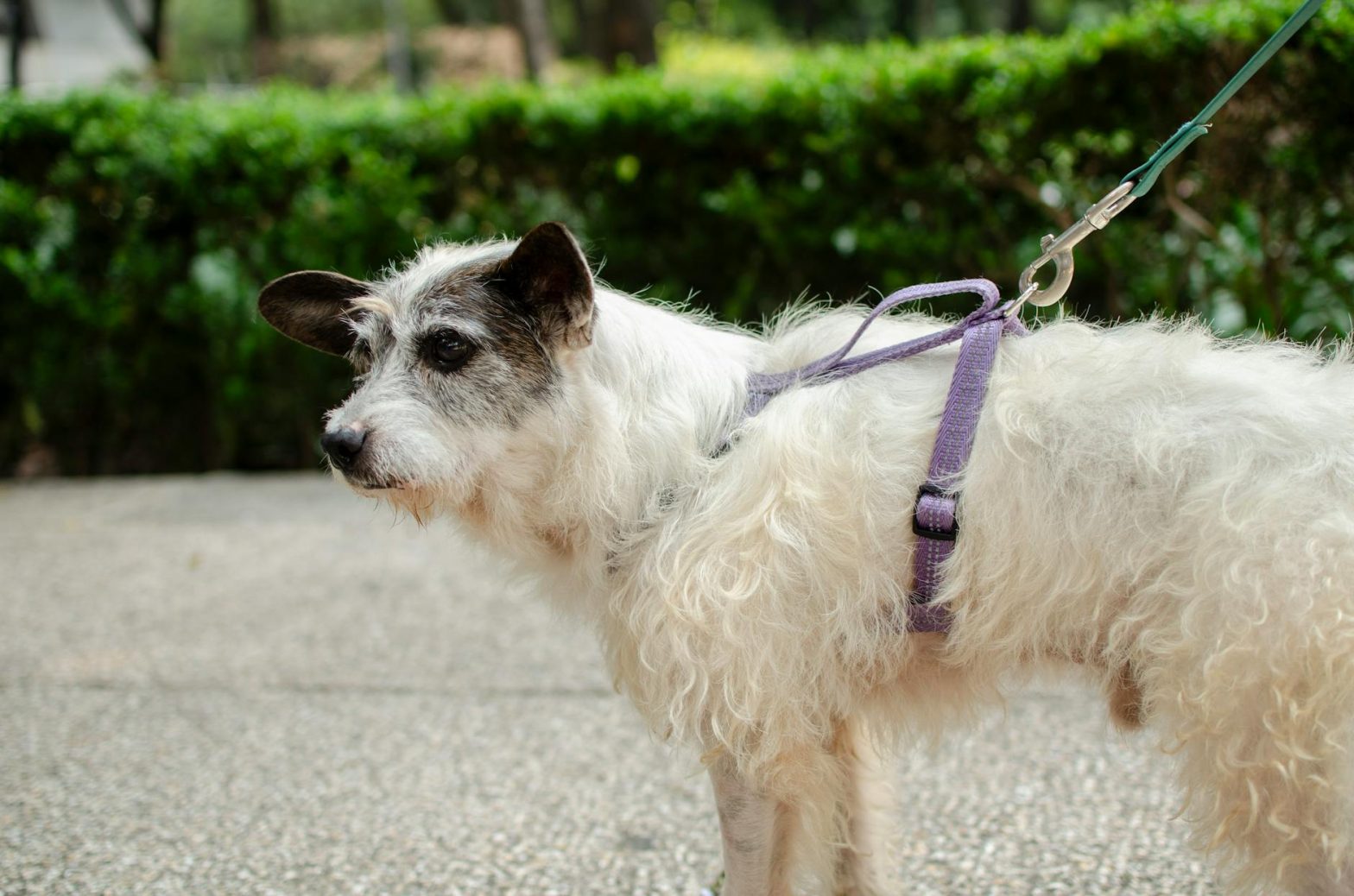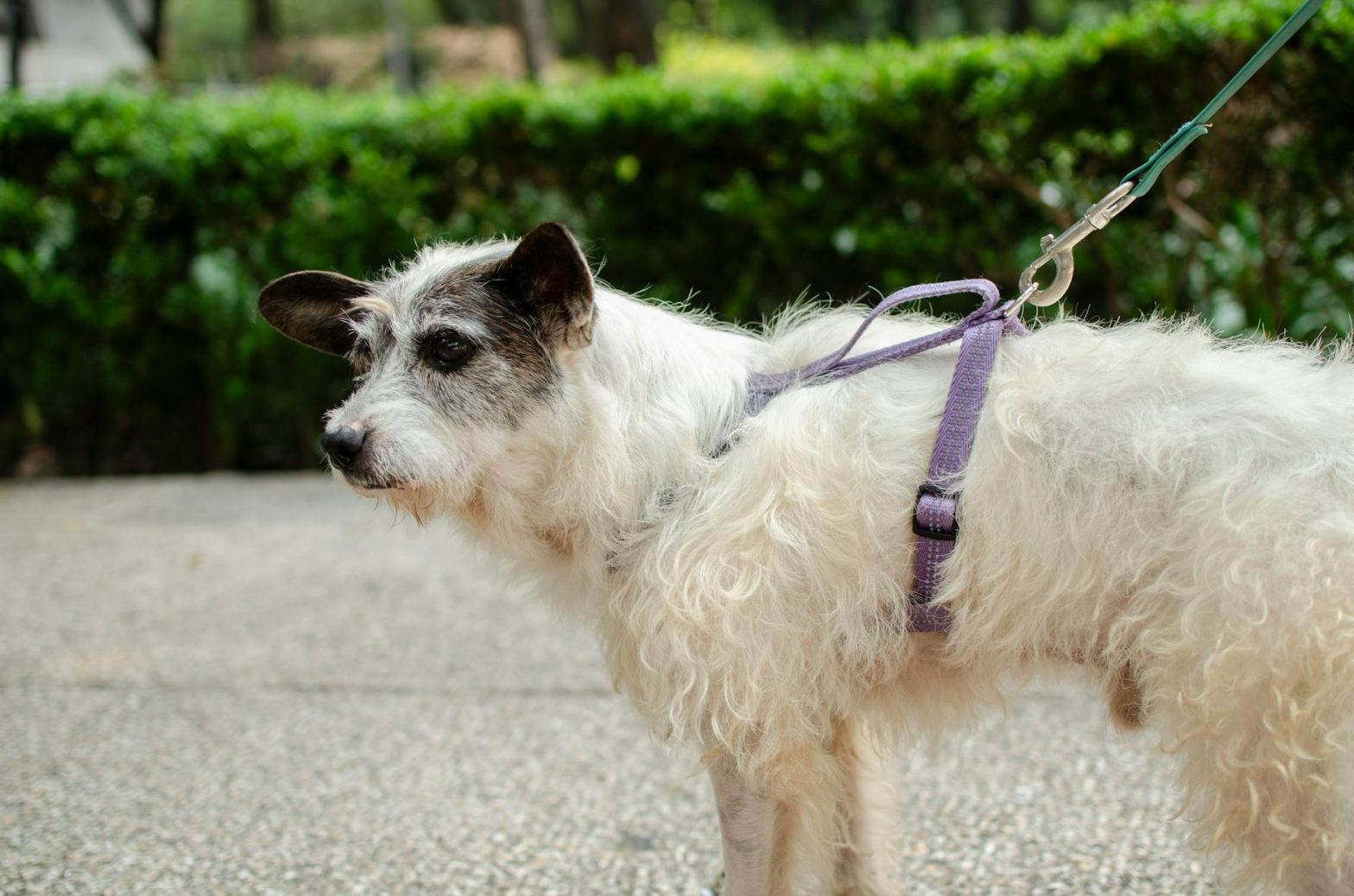
Are Harnesses Better for Older Dogs? The Vet-Approved Guide

Are Harnesses Better for Older Dogs?

Many dog owners wonder if harnesses are a better choice for their aging companions compared to traditional collars. As dogs get older, they often develop health issues like arthritis, back problems, or weakened tracheas, making collars potentially uncomfortable or even harmful. Harnesses can distribute pressure more evenly across the dog’s body, offering a more comfortable and supportive alternative. But are they always the best choice? Let’s dive into the pros and cons of harnesses for senior dogs to help you make an informed decision.

What are the benefits of using a harness on an older dog?

Harnesses offer several advantages for senior dogs, primarily due to their design and how they distribute pressure. They reduce strain on the neck, offer better control, and can provide additional support for dogs with mobility issues.

Reduced Neck Strain and Risk of Injury

One of the primary benefits of a harness is that it avoids putting direct pressure on the dog’s neck. This is especially important for senior dogs who may have conditions like cervical disc disease or a collapsing trachea. Collars can exacerbate these issues, leading to pain and discomfort. Harnesses, on the other hand, distribute the force across the chest and shoulders, reducing the risk of neck injury. If your senior dog is prone to pulling, a harness is even more advantageous. Consider a no-pull harness to further discourage pulling without causing neck strain.

Improved Control and Support

Harnesses provide better control over your dog, which is crucial for senior dogs who may have balance issues or mobility problems. The secure fit of a harness allows you to assist your dog with walking and provide support when navigating stairs or uneven terrain. Some harnesses even come with a handle on the back, which can be invaluable for helping your dog get up or over obstacles. These are particularly helpful for dogs with back leg weakness.

Comfort and Security

Many senior dogs find harnesses more comfortable than collars, especially during walks. The soft padding and adjustable straps of a well-fitted harness can prevent chafing and irritation. A harness can also give a dog a sense of security, especially if they are anxious or fearful. If your dog suffers from anxiety, you might explore options like the Thundershirt, which combines gentle pressure which many dogs find calming.

What are the potential drawbacks of using a harness on an older dog?

Despite the numerous benefits, harnesses also have potential drawbacks that should be considered before making the switch. These can include improper fit causing discomfort, potential rubbing, and the type of harness being unsuitable for dogs with specific mobility issues.

Importance of Proper Fit

A poorly fitted harness can be just as uncomfortable, or even more so, than a collar. If the harness is too tight, it can restrict movement and cause chafing. If it’s too loose, your dog may be able to slip out of it, leading to potential safety issues. It is especially important for dogs with escape artist tendencies. Carefully measure your dog and adjust the straps to ensure a snug but comfortable fit. You should be able to fit two fingers between the harness and your dog’s body. Make sure to consult a dog harness size calculator before purchasing.

Potential for Rubbing and Irritation

Some harnesses can cause rubbing and irritation, particularly around the legs and chest. This is more likely to occur if the harness is made of rough material or if it’s not properly adjusted. Look for harnesses with soft padding and smooth edges to minimize the risk of irritation. Regularly check your dog’s skin for any signs of redness or chafing.

Not Suitable for All Mobility Issues

While harnesses can be helpful for many senior dogs with mobility issues, they may not be suitable for all. For example, dogs with certain types of arthritis or spinal conditions may find that a harness restricts their movement or puts pressure on sensitive areas. In these cases, a consult with your vet is essential.

What type of harness is best for a senior dog?

Choosing the right type of harness for your senior dog depends on their individual needs and health conditions. Here are some of the most popular and vet-recommended types:

Back-Clip Harnesses

Back-clip harnesses are a great option for dogs who don’t pull excessively. The leash attaches to the harness on the dog’s back, which distributes the pressure evenly across their body. These harnesses are generally easy to put on and take off, making them ideal for senior dogs with limited mobility.

Front-Clip Harnesses

Front-clip harnesses are designed to discourage pulling. The leash attaches to the harness on the dog’s chest, which redirects their attention when they pull. While these can be effective, they may not be the best choice for senior dogs with arthritis or joint pain, as the twisting motion can be uncomfortable. Consider this when looking at front-clip versus back-clip harnesses.

Step-In Harnesses

Step-in harnesses are easy to put on and take off, making them a convenient option for senior dogs with limited mobility. Your dog simply steps into the harness, and you clip it closed on their back. These harnesses are generally comfortable and secure, but they may not be suitable for dogs who are prone to escaping.

Support Harnesses

Support harnesses are designed to provide additional support for dogs with mobility issues. These harnesses typically have a handle on the back, which allows you to assist your dog with walking and getting up. Some support harnesses also have straps that go around the dog’s hind legs, providing extra stability. These harnesses can be especially useful for dogs with hip dysplasia or arthritis. A high quality hip support harness for dogs can significantly improve their mobility and quality of life.

How do I properly fit a harness on my older dog?

Properly fitting a harness is essential to ensure your senior dog’s comfort and safety. Here are some tips to help you get the perfect fit:

Measure Your Dog

Before purchasing a harness, carefully measure your dog’s chest and neck. Use a soft measuring tape and record the measurements in inches. Consult the manufacturer’s sizing chart to determine the appropriate size for your dog.

Adjust the Straps

Once you have the harness, adjust the straps to ensure a snug but comfortable fit. You should be able to fit two fingers between the harness and your dog’s body. Make sure the straps are not too tight, as this can restrict movement and cause chafing.

Check for Chafing

Regularly check your dog’s skin for any signs of redness or chafing. Pay particular attention to the areas around the legs and chest. If you notice any irritation, adjust the harness or switch to a different type.

Monitor Your Dog’s Comfort

Pay attention to your dog’s body language when they are wearing the harness. If they seem uncomfortable or are reluctant to move, the harness may not be a good fit. Try a different type or adjust the straps to see if it makes a difference.

Are there any alternatives to harnesses for older dogs?

While harnesses are a great option for many senior dogs, they are not the only choice. Collars, head halters, and specialized mobility devices can also be used, depending on the dog’s individual needs and health conditions.

Collars

Collars can be a good option for senior dogs who don’t pull excessively and don’t have any neck problems. Choose a lightweight collar made of soft material to minimize the risk of irritation. Make sure the collar is not too tight, as this can restrict breathing and cause discomfort.

Head Halters

Head halters, also known as Gentle Leaders, are designed to control a dog’s head and prevent pulling. While these can be effective, they may not be suitable for senior dogs with arthritis or neck problems. Head halters can put pressure on the neck and cause discomfort.

Mobility Devices

For senior dogs with severe mobility issues, specialized mobility devices like wheelchairs or support slings may be necessary. These devices can provide additional support and stability, allowing your dog to move around more easily. Also explore options such as senior dog harnesses for support.

Conclusion

Harnesses can be a great option for older dogs, offering numerous benefits like reduced neck strain, improved control, and increased comfort. However, it’s important to choose the right type of harness and ensure a proper fit. Consider your dog’s individual needs and health conditions, and consult with your veterinarian if you have any concerns. With the right harness, your senior dog can enjoy comfortable and safe walks for years to come.

What Harness Helps Senior Dogs? Top Picks for Comfort & Support

What Harness Helps Senior Dogs?

Choosing the right harness for your senior dog means prioritizing their comfort, safety, and any specific mobility needs they might have. Finding the perfect fit can make walks more enjoyable and less stressful for both of you.

Why is a harness better than a collar for senior dogs?

Harnesses distribute pressure more evenly across your dog’s body compared to collars, which concentrate pressure on the neck. This is especially important for senior dogs who may have arthritis, neck problems, or a collapsing trachea.

What to Look for in a Senior Dog Harness

Here’s what I considered when testing harnesses on my own senior dogs and researching the best options for yours:

Easy On/Off Design

Arthritis and limited mobility can make it difficult for senior dogs to lift their legs or stand for extended periods. Harnesses that step-in or go over the head can be challenging. Look for harnesses with multiple adjustable straps and buckles that allow for easy on and off.

Comfortable Padding

Comfort is key for senior dogs. Look for harnesses with soft, breathable padding, especially around the chest and shoulders. Avoid harnesses with rough edges or materials that could chafe or irritate sensitive skin.

Supportive Design

Senior dogs with mobility issues may benefit from a harness that provides additional support. Harnesses with a back handle allow you to assist your dog with getting up or navigating obstacles. Some harnesses also offer hip support straps for dogs with weak hind legs or hip dysplasia.

Adjustability

A well-fitting harness is essential for both comfort and safety. Look for harnesses with multiple adjustable straps that allow you to customize the fit to your dog’s body. This is especially important if your dog is between sizes or has an unusual body shape.

Front and Back Leash Attachment Points

While senior dogs aren’t always known for pulling, a front clip can provide extra control if needed and can discourage pulling if your dog is prone to it. Back clips are generally more comfortable for leisurely strolls.

Visibility

Senior dogs may have slower reflexes or be less aware of their surroundings. Choose a harness with reflective strips or bright colors to increase visibility, especially during early morning or evening walks. If your dog has sight issues, this can be especially helpful for other walkers to spot them.

Best Senior Dog Harnesses: My Top Picks

Based on my testing and research, here are some of the best harnesses for senior dogs, considering different needs and preferences:

Rabbitgoo Dog Harness – Best Overall

The Rabbitgoo Dog Harness is a popular and affordable option that offers a good balance of comfort, support, and adjustability. It features soft padding, multiple adjustable straps, and both front and back leash attachment points. The Rabbitgoo is a great all-around choice for senior dogs. I also found this one very easy to clean after muddy walks which is a huge plus.

Check current price on Amazon

Pros:

  • Comfortable padding
  • Easy to adjust
  • Front and back leash attachment points
  • Affordable

Cons:

  • Some users report sizing issues

Joyride Harness – Best for Escape Artists

If your senior dog is a master of escape, the Joyride Harness is a great option. It features a secure fit and a unique side-ring attachment point that prevents dogs from slipping out. It’s also easy to put on and take off, even for dogs with limited mobility. This one is great even for dogs who are not seniors but have a knack for getting out of things!

Check current price on Amazon

Pros:

  • Escape-proof design
  • Easy to put on and take off
  • Comfortable and durable

Cons:

  • More expensive than other options

Help ‘Em Up Harness – Best for Full Body Support

For senior dogs with significant mobility issues, the Help ‘Em Up Harness is a lifesaver. This harness provides full body support, allowing you to assist your dog with getting up, walking, and climbing stairs. It’s especially helpful for dogs with arthritis, hip dysplasia, or back problems. This one is more pricey but is worth it to give your pet the support and love they need.

Check current price on Amazon

Pros:

  • Provides full body support
  • Helps dogs with mobility issues
  • Durable and well-made

Cons:

  • Expensive
  • May be too bulky for some dogs

PetSafe Easy Walk Harness – Best for No-Pull Training

If your senior dog still has some pep in their step and tends to pull on the leash, the PetSafe Easy Walk Harness can help. This harness features a front leash attachment point that gently redirects your dog’s attention when they pull, discouraging pulling without choking or discomfort. I often recommend this one for dogs who are still fairly young so it is a great long-term option.

Check current price on Amazon

Pros:

  • Effective no-pull training
  • Comfortable and easy to use
  • Affordable

Cons:

  • May not be suitable for dogs with severe pulling issues

Pawtitas Reflective Padded Dog Harness – Best for Small Senior Dogs

Finding a harness that fits well and is comfortable for small senior dogs can be a challenge. The Pawtitas Reflective Padded Dog Harness is designed specifically for small breeds and features soft padding, a lightweight design, and reflective strips for added safety. Great to use at night for increased visibility!

Check current price on Amazon

Pros:

  • Designed for small breeds
  • Comfortable and lightweight
  • Reflective strips for safety

Cons:

  • May not be durable enough for strong pullers

Tips for Introducing a Harness to Your Senior Dog

If your senior dog is not used to wearing a harness, it’s important to introduce it gradually and positively.

  1. Start by letting your dog sniff and inspect the harness.
  2. Place the harness on the floor and reward your dog for approaching it.
  3. Gradually start putting the harness on your dog for short periods, rewarding them with treats and praise.
  4. Increase the duration of time your dog wears the harness, and gradually introduce walks with the harness.

Harnesses vs. Collars: A Closer Look for Senior Dogs

While collars have been a traditional choice for dog walking, harnesses offer distinct advantages, especially for senior dogs.

Pressure Distribution

Harnesses distribute pressure across the chest and shoulders, reducing strain on the neck. Collars, on the other hand, concentrate pressure on the neck, which can be problematic for senior dogs with neck issues or tracheal collapse.

Support and Stability

Harnesses can provide additional support and stability, especially for senior dogs with mobility issues. Harnesses with a back handle allow you to assist your dog with getting up or navigating obstacles.

Reduced Risk of Injury

Harnesses reduce the risk of neck injuries, especially for dogs who pull on the leash. Collars can cause tracheal damage, neck strain, and even spinal injuries in dogs who pull or lunge.

Improved Control

Harnesses provide better control over your dog, especially in crowded or unpredictable environments. Harnesses with a front leash attachment point can help discourage pulling and redirect your dog’s attention.

The Importance of a Proper Fit

A properly fitted harness is essential for both comfort and safety. A harness that is too tight can chafe and restrict movement, while a harness that is too loose can allow your dog to slip out. Take the time to measure your dog carefully and adjust the harness to achieve a snug but comfortable fit.

When to Consult Your Vet

If your senior dog has any underlying health conditions, such as arthritis, hip dysplasia, or back problems, it’s always a good idea to consult with your vet before choosing a harness. Your vet can help you determine the best type of harness for your dog’s specific needs and recommend any necessary modifications or adaptations.

Choosing the right harness for your senior dog is an investment in their comfort, safety, and well-being. By considering your dog’s individual needs and preferences, you can find a harness that makes walks more enjoyable and less stressful for both of you. Make sure to also take a look at our article on Best Orthopedic Dog Beds for Senior Dogs: What Actually Helps for other ways to keep your dog comfortable.

And to help keep walks and travel easy too, be sure to measure your pup using our Dog Harness Size Calculator today so you can accurately get the correct harness size.

What is Best to Calm an Anxious Dog? (Tried & Tested Gear)

Is There a Single ‘Best’ Way to Calm an Anxious Dog?

Not really, no. What works wonders for one dog might not make a dent in another’s anxiety. It’s about understanding *why* your dog is anxious and then tailoring your approach. Some dogs respond best to physical comfort, others to mental distraction, and some require a combination of both. I’ll walk you through some of the most effective methods, based on my own experiences with my anxious terrier, Milo.

What are the signs of anxiety in dogs?

Common signs include excessive panting, pacing, trembling, whining, barking, destructive chewing, hiding, or even aggression. Your dog might also exhibit changes in appetite or sleep patterns. Pay attention to triggers – what situations seem to bring on these behaviors?

Best Anxiety Wraps for Dogs: Do ThunderShirts Actually Work?

Anxiety wraps like the ThunderShirt apply gentle, constant pressure to your dog’s torso, similar to swaddling a baby. Studies suggest that this can release endorphins and reduce anxiety in some dogs. Milo definitely seemed calmer when wearing his, especially during thunderstorms.

However, it’s not a magic bullet. Research shows anxiety wraps reduce stress behaviours in about 70% of dogs, but they work best combined with training, not as a standalone fix. Make sure you get the sizing right – it needs to be snug but not restrictive, and introduce it gradually with positive reinforcement (treats!).

Best Calming Dog Beds for Anxious Dogs

A supportive and comfortable dog bed can provide a sense of security for anxious dogs. Look for beds with raised sides or a ‘donut’ shape, as these create a nest-like environment that can help your dog feel safe and enclosed. Memory foam is a plus for older dogs or those with joint pain.

When choosing a calming bed, consider the material. Soft, plush fabrics can be comforting, but if your dog is a chewer, opt for something more durable. Place the bed in a quiet, low-traffic area where your dog can retreat when feeling overwhelmed. I put Milo’s calming bed in a corner of the living room, and he often goes there to de-stress when things get too hectic.

Dog Calming Chews vs Anxiety Wraps: Which Works Better?

Calming chews typically contain ingredients like L-theanine, chamomile, or melatonin, which have mild sedative effects. They can be helpful for dogs with mild to moderate anxiety, especially in predictable situations like car rides or vet visits.

In my experience, calming chews are more effective for preventative anxiety management, while anxiety wraps are better for immediate relief during stressful events. Always consult your vet before giving your dog any new supplements, and start with a low dose to see how they react.

Best Dog Crates for Anxious Dogs (Covered vs Open)

For some dogs, a crate can be a safe haven, a place where they can escape the chaos and feel secure. However, it’s crucial to introduce the crate properly and never use it as punishment. The goal is to make the crate a positive association.

Whether a covered or open crate is better depends on your dog’s preferences. Some dogs feel more secure in a fully covered crate, while others prefer to have a view of their surroundings. Experiment to see what your dog prefers. I found that Milo preferred a partially covered crate with a soft bed and a few favorite toys.

Calming Dog Collars: Do Lavender and Pheromone Collars Work?

Calming collars typically release pheromones or essential oils like lavender, which are believed to have calming effects on dogs. Pheromone collars mimic the scent of a mother dog, which can provide a sense of security.

The effectiveness of calming collars is debatable. Some owners swear by them, while others see no noticeable difference. If you decide to try a calming collar, choose one from a reputable brand and monitor your dog for any adverse reactions. It is also important to note that some dogs can have skin irritation from these collars.

Weighted Dog Blankets: Do They Calm Anxious Dogs?

Similar to anxiety wraps, weighted blankets provide deep pressure stimulation, which can have a calming effect on some dogs. They can be particularly helpful for dogs with thunderstorm anxiety or those who are easily startled by loud noises.

When using a weighted blanket, make sure it’s appropriately sized for your dog and that they can easily move it if they feel too warm or restricted. Start with short periods of use and gradually increase the duration as your dog gets used to it. I introduced Milo to his weighted blanket by draping it over him while he was already relaxed and giving him plenty of praise and treats.

Best Lick Mats for Dog Anxiety (Distraction and Calm)

Lick mats are a great way to distract anxious dogs and provide mental stimulation. Spread a tasty treat like peanut butter or yogurt on the mat, and let your dog lick it off. The repetitive licking motion can be very soothing and can help redirect their focus away from their anxiety.

Lick mats are particularly useful for dogs with separation anxiety or those who get stressed during grooming or bath time. Choose a lick mat made from food-grade silicone and that is easy to clean. I keep a couple of lick mats in the freezer, so I always have a cold, long-lasting treat ready for Milo when he needs a distraction.

Dog Anxiety During Thunderstorms: Gear That Actually Helps

Thunderstorm anxiety is a common problem in dogs. In addition to anxiety wraps and calming beds, there are several other accessories that can help during storms.

Noise-canceling headphones or earmuffs can help reduce the intensity of the thunder. White noise machines or calming music can also help mask the sound of the storm. Create a safe space for your dog, such as a crate or a quiet room, and provide plenty of comfort and reassurance. Milo has a designated ‘thunderstorm corner’ in the basement, complete with his calming bed, weighted blanket, and favorite toys.

Best Dog Crates for Separation Anxiety

Separation anxiety is a common cause of distress in dogs. When choosing a crate for a dog with separation anxiety, prioritize durability and security. Look for a crate made from sturdy materials that your dog can’t easily chew through or escape from.

Make the crate a positive place by associating it with treats, toys, and comfortable bedding. Start with short periods of confinement and gradually increase the duration as your dog gets more comfortable. Never leave your dog in the crate for excessively long periods, and be sure to provide plenty of exercise and mental stimulation when you are home.

Dog Anxiety at Night: Accessories and Setups That Help

Some dogs experience heightened anxiety at night. Creating a calming bedtime routine can help ease their stress. Establish a consistent schedule for feeding, exercise, and bedtime.

Provide a comfortable and secure sleeping environment, such as a calming bed or a crate with soft bedding. A nightlight or a white noise machine can also help create a relaxing atmosphere. I make sure Milo gets a good walk in the evening and a calming massage before bed. This helps him release any pent-up energy and relax before settling down for the night.

How to Use a ThunderShirt Correctly (Most People Get It Wrong)

The ThunderShirt, or similar anxiety wrap, works by applying gentle, constant pressure to your dog’s torso. This is thought to have a calming effect, similar to swaddling a baby. However, many people don’t use it correctly, reducing its effectiveness.

Fit is crucial. The wrap needs to be snug but not too tight. You should be able to easily slip a couple of fingers between the wrap and your dog’s body. Introduce it gradually. Don’t just put it on your dog during a stressful situation. Start by putting it on for short periods while they are relaxed, and reward them with treats and praise. Use it consistently. The ThunderShirt is most effective when used regularly, not just during occasional stressful events.

Dog Anxiety in the Car: Gear to Make Rides Less Stressful

Car rides can be a major source of anxiety for some dogs. The motion, the unfamiliar surroundings, and the confinement can all contribute to their stress.

A comfortable car seat or carrier can help your dog feel more secure during the ride. A dog car harness is also a good idea for safely securing the dog in the back seat of the car. You can purchase dog car seat covers to help keep your car clean. Consider these accessories if your dog has car anxiety: Calming music or pheromone diffusers designed for cars. Start with short trips and gradually increase the duration. Make sure your dog has plenty of ventilation and access to water. I always bring Milo’s favorite toy and a small blanket on car rides to help him feel more at home.

Rescue Dog Anxiety: Best Accessories for the First Few Months

Rescue dogs often come with a history of trauma or neglect, which can manifest as anxiety. In the first few months after bringing a rescue dog home, it’s important to create a safe and predictable environment.

A crate or a designated safe space can provide a sense of security. Calming chews or supplements can help ease their anxiety, but always consult with your vet first. Puzzle toys and interactive games can help provide mental stimulation and reduce boredom. Be patient and understanding. It takes time for a rescue dog to adjust to a new home. Provide plenty of love, support, and positive reinforcement. Milo was incredibly anxious when I first adopted him, but with patience and the right accessories, he’s now a much more confident and relaxed dog.

Indestructible Dog Crates: Best for Anxiety-Driven Escape Artists

For dogs with severe separation anxiety, a standard crate may not be enough. These dogs can become destructive and may even injure themselves trying to escape. An indestructible dog crate can provide a safe and secure environment for these dogs.

Look for a crate made from heavy-duty steel or aluminum with reinforced doors and locks. Be sure to choose a crate that is appropriately sized for your dog. It should be large enough for them to stand up, turn around, and lie down comfortably. Even with an indestructible crate, it’s important to address the underlying cause of your dog’s anxiety with training and behavior modification.

Best Chew Toys for Anxious Dogs (Destructive Chewing Guide)

Chewing is a natural behavior for dogs, but for anxious dogs, it can become a destructive outlet. Providing appropriate chew toys can help redirect their chewing behavior and provide mental stimulation.

Choose chew toys that are durable and safe for your dog. Avoid toys that can be easily broken into small pieces and swallowed. Puzzle toys that dispense treats can also be a great way to keep your dog entertained and reduce anxiety. I keep a variety of chew toys on hand for Milo and rotate them regularly to keep him interested.

What is the 3-3-3 Rule for Dog Anxiety in New Homes?

What is the 3-3-3 Rule for Dog Anxiety?

The 3-3-3 rule is a guideline for understanding how a rescue or newly adopted dog typically adjusts to a new home. It breaks down the adjustment period into three phases: the first 3 days, the first 3 weeks, and the first 3 months. Each phase represents different milestones in your dog’s emotional and behavioral adaptation.

Why is the 3-3-3 Rule Important for Anxious Dogs?

Many dogs, especially those from shelters or with unknown histories, experience anxiety when entering a new environment. The 3-3-3 rule helps you anticipate potential challenges and provide appropriate support. By understanding what your dog is likely feeling, you can create a more comfortable and secure transition process.

The First 3 Days: Overwhelmed and Hesitant

The first few days are often the most challenging for a new dog. They are likely feeling overwhelmed, scared, and uncertain about their new surroundings. It’s crucial to be patient and understanding during this time.

What to Expect in the First 3 Days:

  • Fear and Anxiety: Your dog may be hesitant to explore, hide in corners, or exhibit signs of anxiety such as panting, pacing, or trembling.
  • Loss of Appetite: Stress can suppress appetite. Don’t be alarmed if your dog doesn’t eat much during the first few days.
  • Potty Accidents: Accidents can happen due to anxiety and unfamiliarity with the new environment.
  • Sleepiness or Restlessness: Your dog’s sleep patterns may be disrupted as they adjust.

How to Help Your Dog in the First 3 Days:

  • Provide a Safe Space: Set up a comfortable and quiet area, such as a crate or a corner with a bed, where your dog can retreat to feel safe. A covered crate can also help.
  • Limit Interactions: Avoid overwhelming your dog with attention. Let them approach you on their own terms.
  • Establish a Routine: A consistent schedule for feeding, potty breaks, and walks can provide a sense of security.
  • Use Calming Aids: Consider using calming aids like anxiety wraps or calming chews to help reduce anxiety.
  • Avoid Overcorrection: If accidents happen, clean them up without scolding your dog. This will only increase their anxiety.

The First 3 Weeks: Starting to Settle In

After the initial shock wears off, your dog will start to settle in and explore their new environment. They may begin to show more of their personality but may still exhibit signs of anxiety or insecurity.

What to Expect in the First 3 Weeks:

  • Increased Confidence: Your dog may start to venture out of their safe space more often and explore the house.
  • Bonding Begins: They may start to form a bond with you and other family members.
  • Testing Boundaries: Your dog may start to test boundaries and see what they can get away with.
  • Continued Anxiety: While anxiety may lessen, it’s still present, especially during new or stressful situations.

How to Help Your Dog in the First 3 Weeks:

  • Continue Routine: Maintain a consistent routine for feeding, potty breaks, walks, and playtime.
  • Introduce Training: Start with basic training commands to build confidence and establish clear expectations. Positive reinforcement is key.
  • Socialization: Gradually introduce your dog to new people, places, and experiences, but don’t overwhelm them. Short, positive interactions are best.
  • Provide Enrichment: Offer plenty of toys and lick mats to keep your dog mentally stimulated and prevent boredom.
  • Address Anxiety Triggers: Identify what triggers your dog’s anxiety and work to desensitize them to those triggers.

The First 3 Months: Building Trust and Security

By the end of the first 3 months, your dog should be feeling more comfortable and secure in their new home. They will have established a routine, formed bonds with family members, and begun to trust their surroundings.

What to Expect in the First 3 Months:

  • Established Routine: Your dog should have a solid understanding of their daily routine and what to expect.
  • Stronger Bonds: They will have formed strong bonds with you and other family members.
  • Reduced Anxiety: Anxiety levels should be significantly lower, but occasional setbacks can still occur.
  • Fuller Personality: Your dog’s true personality will emerge as they feel more comfortable and confident.

How to Help Your Dog in the First 3 Months:

  • Consistency is Key: Continue to maintain a consistent routine and positive training methods.
  • Reinforce Boundaries: Continue to reinforce boundaries and expectations to provide structure and security.
  • Monitor Anxiety: Watch for signs of anxiety and address them promptly.
  • Celebrate Successes: Acknowledge and reward your dog’s progress to reinforce positive behaviors.
  • Consult a Professional: If anxiety persists or worsens, consult with a veterinarian or certified dog trainer for guidance.

Accessories to Help Anxious Dogs Settle In

Certain accessories can greatly assist in helping your anxious dog adjust to their new home during each phase of the 3-3-3 rule.

Safe Spaces and Comfort Items:

  • Dog Crate: A crate provides a secure den-like space for your dog. Make it comfortable with a soft bed and familiar-smelling blankets. Consider an indestructible dog crate if your dog suffers from severe anxiety.
  • Calming Dog Bed: A calming dog bed with raised edges can provide a sense of security and comfort.
  • Weighted Blanket: Weighted dog blankets can have a calming effect on anxious dogs, similar to how they help humans.
  • Snuffle Mat: A snuffle mat provides mental stimulation and helps your dog focus, reducing anxiety.

Anxiety-Reducing Gear:

  • Anxiety Wrap: Anxiety wraps apply gentle, constant pressure to your dog’s torso, which can have a calming effect.
  • Pheromone Diffuser: Dog-appeasing pheromone diffusers release synthetic pheromones that mimic a mother dog’s scent, creating a sense of security.
  • Calming Collar: A calming collar infused with lavender or other calming ingredients can help reduce anxiety throughout the day.

Travel and Car Anxiety:

  • Dog Car Seat: Helps keep your dog more secure, especially for smaller dogs.
  • Dog Car Harness: A dog car harness keeps your dog safe and secure during car rides, and it can help reduce car anxiety.

When to Consult a Professional

While the 3-3-3 rule offers a general guideline, every dog is an individual, and their adjustment period may vary. If your dog’s anxiety is severe or persistent, it’s essential to seek professional help.

Signs That You Should Consult a Professional:

  • Aggression: If your dog exhibits aggressive behaviors, such as biting or growling, consult with a certified dog trainer or behaviorist immediately.
  • Extreme Anxiety: If your dog is constantly trembling, pacing, or showing other signs of extreme anxiety, consult with a veterinarian.
  • Self-Harm: If your dog is engaging in self-harm behaviors, such as excessive licking or chewing, seek professional help right away.
  • Lack of Progress: If you’re not seeing any improvement in your dog’s anxiety levels after several weeks, consult with a professional.

Conclusion

The 3-3-3 rule is a valuable tool for understanding and supporting a new dog’s adjustment to your home. By being patient, understanding, and providing appropriate support, you can help your anxious dog feel safe, secure, and loved. Remember to consult with a professional if you have any concerns about your dog’s well-being.

What is the Best Dog Harness for a Dog with Anxiety?

Is finding the right harness a struggle for your anxious dog?

Many dogs experience anxiety during walks or in stressful situations, and a poorly fitted or uncomfortable harness can worsen their distress. A well-designed harness can provide a sense of security and control without exacerbating anxiety. As a dog owner and certified canine nutrition enthusiast, I’ve seen firsthand how the right gear can transform a dog’s experience. Let’s explore some of the best options to help you find the perfect harness for your anxious dog.

What are the key features to look for in an anxiety-reducing dog harness?

When choosing a harness for an anxious dog, prioritize comfort, security, and adjustability. Look for soft, breathable materials that won’t irritate your dog’s skin. A snug but not restrictive fit can provide a calming effect, similar to a gentle hug. Easy on/off designs are also beneficial to minimize stress during the gearing-up process.

Front Clip vs Back Clip Harness: Which Is Better for My Anxious Dog?

Front clip harnesses are generally better for managing anxiety-related pulling, while back clip harnesses offer more comfort for relaxed walks. Many harnesses offer both options! Deciding on front or back clip depends on your dog’s specific behaviours and comfort level. Here’s a breakdown:

What are the benefits of a front clip harness?

Front clip harnesses attach the leash at the dog’s chest. This design redirects your dog’s attention back to you when they pull, making it easier to manage leash manners and reduce anxiety triggers. They discourage pulling without putting pressure on the neck, offering a more humane approach than traditional collars, especially when dogs get anxious and pull harder.

Are there any downsides to front clip harnesses?

Some dogs may initially find front clip harnesses awkward as the leash can get tangled around their legs. It requires a bit of training to get them used to the different point of contact. Also, while effective against pulling, they might not be the most comfortable option for dogs who walk nicely on a leash and simply need a secure way to be walked.

What are the advantages of a back clip harness for anxious dogs?

Back clip harnesses attach the leash at the dog’s back, offering more comfort and freedom of movement for dogs who don’t pull excessively. They are a good choice for dogs who are already comfortable walking on a leash but still experience anxiety, as they provide a secure and familiar feel. The design distributes pressure evenly across the dog’s back, reducing any potential strain.

When should I avoid using a back clip harness?

If your dog tends to pull or lunge, back clip harnesses may not be the best option as they don’t offer the same level of control as front clip harnesses. They can potentially exacerbate pulling behaviour, especially when the dog is anxious or stressed. Opt for a front-clip harness for any dog that tends to pull.

Best Anxiety Wraps for Dogs: Do They Help When Used With a Harness?

Anxiety wraps, like the ThunderShirt, apply gentle, constant pressure to a dog’s torso, which can have a calming effect. When used in combination with a well-fitted harness, anxiety wraps can significantly reduce anxiety during walks or stressful events. But do they really work?

Do anxiety wraps actually calm dogs down?

Research suggests that anxiety wraps can reduce stress behaviours in about 70% of dogs. The pressure mimics the feeling of being hugged, which releases calming hormones. However, it’s most effective when combined with training and positive reinforcement, not as a standalone solution. It’s important to introduce the wrap gradually and associate it with positive experiences, such as treats or gentle praise.

Are there any potential drawbacks to using anxiety wraps?

Some dogs may not tolerate the feeling of being wrapped, especially in hot weather. It’s important to monitor your dog for signs of overheating or discomfort. Start with short periods of wear and gradually increase the duration as your dog gets used to it. Always ensure the wrap is fitted properly to avoid restricting movement or causing skin irritation. Remember to introduce the wrap in a comfortable environment. See other anxiety-reducing gear here.

What are the best dog harnesses for anxious dogs?

Based on customer reviews, expert recommendations, and personal experience, here are some of the best dog harnesses for anxious dogs:

  1. The Comfort Fit Harness: Made from breathable, soft materials, this harness provides a snug yet comfortable fit. It features both front and back clip options, allowing you to choose the best configuration for your dog’s needs. The padded chest and back panels distribute pressure evenly, reducing strain and discomfort.
  2. The Security Plus Harness: Designed with escape-proof features, this harness is ideal for anxious dogs who tend to slip out of their gear. It has multiple adjustment points, ensuring a secure and customized fit. The reflective strips enhance visibility during low-light walks.
  3. The Calming Wrap Harness: This harness combines the benefits of an anxiety wrap with the functionality of a harness. It applies gentle pressure around the dog’s torso, promoting a sense of security and calm. The soft, plush fabric adds an extra layer of comfort.
  4. The Freedom No-Pull Harness: This harness features a unique design that tightens gently when your dog pulls, discouraging the behavior without causing pain or discomfort. It has multiple attachment points and adjustable straps for a customized fit.
  5. The Buddy Belts Harness: Offers a snug, secure fit, preventing escape. It’s made from soft, durable materials and features a low-profile design that minimizes bulk. Perfect for dogs who are sensitive to feeling restricted.

How to Choose the Right Size Harness for an Anxious Dog

A properly fitted harness is crucial for an anxious dog’s comfort and safety. A harness that’s too tight can cause chafing and restrict movement, while one that’s too loose can allow the dog to slip out. Follow these steps to ensure you choose the right size:

  1. Measure Your Dog: Use a soft measuring tape to measure your dog’s chest girth, which is the circumference around the widest part of their chest, just behind the front legs. Also, measure their neck circumference.
  2. Consult the Size Chart: Each harness brand has its own size chart. Compare your dog’s measurements to the chart and choose the size that corresponds most closely. If your dog falls between sizes, opt for the larger size to ensure comfort.
  3. Adjust the Fit: Once you receive the harness, adjust the straps to achieve a snug but not restrictive fit. You should be able to fit two fingers comfortably between the harness and your dog’s body.
  4. Check for Slippage: Before heading out for a walk, test the harness in a safe, enclosed area. Try to gently pull the harness over your dog’s head or back. If it slips easily, tighten the straps or consider a smaller size.

Use our dog harness size calculator to get the perfect fit.

What are some additional tips for helping my anxious dog during walks?

Beyond the harness, other strategies can minimize anxiety during walks:

  • Choose Quiet Routes: Opt for less crowded and quieter streets or parks. Avoid areas with high traffic, loud noises, or other potential triggers.
  • Use Positive Reinforcement: Bring high-value treats and reward your dog for calm behavior. Praise and treats can help create positive associations with walks.
  • Desensitize to Triggers: Gradually expose your dog to potential triggers in a controlled manner. Start with a distance where your dog feels comfortable and gradually decrease the distance as they become more confident.
  • Consider Calming Aids: Use calming sprays, pheromone diffusers, or calming treats before walks. These aids can help reduce anxiety levels and promote relaxation. Consult with your veterinarian about the best options for your dog.
  • End on a Positive Note: Finish each walk with a positive experience, such as a play session or a favorite treat. Avoid ending the walk when your dog is feeling stressed or anxious.

What are the alternatives to harnesses for managing dog anxiety?

While harnesses are a great option, there are alternatives worth exploring:

  • Head Collars (Gentle Leaders): These collars attach to the leash under the dog’s chin, providing gentle control over their head. They can be effective for managing pulling and redirecting attention.
  • Martingale Collars: Also known as limited-slip collars, these collars tighten gently when the dog pulls, discouraging the behavior without causing choking or discomfort. They are a good option for dogs who tend to slip out of traditional collars. See our picks for the best martingale collars here.

Conclusion: Choosing the Best Harness

Choosing the right harness for an anxious dog involves considering their specific needs, size, and behaviours. A well-fitted, comfortable harness can provide a sense of security and control. Combine the harness with positive reinforcement, calming aids, and quiet routes to create a positive walking experience for your furry friend.

How to Handle an Escape Artist Dog: Expert Tips and Gear

Is your dog an escape artist? Why does my dog keep running away?

If your dog seems determined to make a break for it at every opportunity, you’re likely dealing with an escape artist. It can be frustrating and scary when your dog disappears, but understanding *why* they’re escaping is the first step to solving the problem. Here are a few common reasons:

  • Boredom: Many dogs, especially high-energy breeds, may try to escape if they aren’t getting enough physical or mental stimulation.
  • Anxiety: Separation anxiety or fear of loud noises like thunderstorms can drive a dog to try and escape their environment.
  • Curiosity: Some dogs are simply curious about the world beyond the fence and will seize any opportunity to explore.
  • Lack of Training: A dog with poor recall or impulse control is more likely to take off if given the chance.
  • Unaltered Dogs: Intact male dogs are often motivated by hormones to seek out a mate, especially if there are females in heat nearby.
  • Prey Drive: Seeing a squirrel, rabbit, or cat can trigger a chase response that leads to an escape.

Evaluate your yard and home security for dog escapes

Before diving into training, take a critical look at your property. Addressing vulnerabilities in your fencing and securing potential escape routes can make a huge difference. Here’s what to look for:

  • Fence Height: Is your fence tall enough to deter your dog from jumping or climbing over it? Many dogs can clear a 4-foot fence with ease, and larger breeds may need a 6-foot fence or higher.
  • Gaps and Holes: Walk the perimeter of your fence and look for any gaps or holes that your dog could squeeze through. Pay special attention to areas near the ground, under gates, and around posts.
  • Digging: If your dog is a digger, they may be creating escape routes under the fence. Check regularly for signs of digging along the fence line.
  • Gates: Ensure that gates are securely latched and that your dog can’t push or pull them open. Consider adding a self-locking latch for extra security.
  • Weak Spots: Look for any weak or damaged sections of the fence that could be easily breached. These might include loose boards, rusted wire, or wobbly posts.
  • Indoor Opportunities: Make sure windows and doors are secure so that your dog can’t push through screens or open doors.

Best escape-proof harnesses for dogs that slip out

A well-fitted harness can be a game changer for keeping your escape artist safe on walks and preventing them from wriggling free. Here are some key features to look for in an escape-proof harness, and some recommendations:

  • Double Buckles: Harnesses with buckles on both sides of the neck are more secure than those with just one, as they prevent the harness from being pulled over the dog’s head.
  • Adjustable Straps: A harness with multiple adjustable straps allows you to customize the fit and ensure that it’s snug but not too tight.
  • Padding: Padding can make the harness more comfortable for your dog to wear and prevent chafing.
  • Front Clip: A front-clip harness can help to discourage pulling and give you more control over your dog.
  • Multiple Attachment Points: Some harnesses have both front and back attachment points, giving you more options for leash placement.

What is the best escape-proof dog harness?

One harness consistently recommended by trainers and owners of escape artist dogs is the Ruffwear Web Master Harness. It features a secure, multi-strap design with padding for comfort. Another option is the Gooby Escape Free Easy Fit Harness, which has a unique design that tightens slightly when the dog pulls, preventing them from backing out. For smaller dogs, consider the Coastal Pet Products Step-In Harness, which is lightweight and easy to put on but still provides a secure fit.

Martingale collars for escape artists: How they work

Martingale collars, also known as limited-slip collars, are designed to prevent dogs from slipping out of their collars. They work by tightening slightly when the dog pulls, providing gentle pressure that discourages them from trying to escape. Here’s what you need to know about Martingale collars:

  • How They Work: A Martingale collar consists of two straps connected by a D-ring. When the dog pulls, the smaller strap tightens, causing the larger strap to cinch around the dog’s neck.
  • Proper Fit: It’s essential to fit a Martingale collar correctly. When properly adjusted, the two straps should almost meet when the collar is tightened, but not overlap significantly. You should be able to fit two fingers comfortably between the collar and your dog’s neck.
  • Safety: Martingale collars are generally safe, but it’s crucial to supervise your dog while they’re wearing one, especially if they’re left unattended. A properly fitted Martingale collar shouldn’t be able to choke the dog.
  • Not for Constant Wear: Martingale collars are best used for walks or training sessions and should not be left on the dog all the time, due to the risk of entanglement.

GPS dog collars for escape artists: Peace of mind

Even with the best preventative measures and training, accidents can happen. A GPS dog collar can provide invaluable peace of mind by allowing you to track your dog’s location in real-time if they manage to escape. Key features to look for in a GPS collar include:

  • Real-Time Tracking: Look for a collar that provides real-time tracking, allowing you to see your dog’s current location on a map via a smartphone app or web browser.
  • Geofencing: Geofencing allows you to set up virtual boundaries and receive alerts if your dog crosses them. This can be especially useful for escape artists, as it gives you early warning that they’re on the move.
  • Battery Life: Consider the battery life of the GPS collar. Some collars can last for several days on a single charge, while others need to be charged daily.
  • Durability: Choose a GPS collar that’s durable and waterproof, especially if your dog is active or spends time outdoors.
  • Subscription Costs: Be aware that many GPS collars require a subscription to a cellular network for data transmission. Factor this cost into your decision.

Training tips to prevent your dog from escaping

While gear can help, training is essential to preventing escapes. A well-trained dog is less likely to take off in the first place. Here are some key training exercises to focus on:

  • Recall: A reliable recall is crucial for bringing your dog back if they start to wander. Practice recall in a variety of environments, using positive reinforcement to reward them for coming when called. Start in a controlled environment and gradually increase the distractions.
  • Stay: Teaching your dog to stay can prevent them from bolting out the door or through a gate. Start with short stays and gradually increase the duration. Reward them for remaining in place, even with distractions.
  • Leave It: The “leave it” command teaches your dog to ignore tempting distractions like squirrels or other animals. This can be helpful for preventing them from chasing after something and escaping.
  • Impulse Control: Impulse control exercises help your dog learn to think before they act, which can be helpful for preventing them from making rash decisions like running away. Examples include having them wait for their food or stay in a sit position until released.
  • Crate Training: A crate can be a safe haven for your dog and prevent them from escaping when you’re not home. Introduce the crate gradually and make it a positive experience by feeding them treats and toys inside.

Address underlying anxiety and boredom

Often, escaping is a symptom of a deeper issue like anxiety or boredom. Addressing these underlying causes can make a significant difference in your dog’s behavior. Here are some tips:

  • Increase Exercise: Make sure your dog is getting enough physical exercise. This might mean longer walks, runs, hikes, or play sessions. Consider hiring a dog walker if you’re unable to provide enough exercise yourself.
  • Provide Mental Stimulation: Mental stimulation is just as important as physical exercise. Puzzle toys, training games, and even a simple game of hide-and-seek can help to keep your dog’s mind engaged.
  • Address Separation Anxiety: If your dog escapes when you leave them alone, they may be suffering from separation anxiety. Consult with a veterinarian or certified dog trainer to develop a plan to address this issue. This might include crate training, desensitization exercises, or medication.
  • Create a Safe Space: Make sure your dog has a safe and comfortable place to retreat to when they’re feeling anxious or overwhelmed. This might be a crate, bed, or even just a quiet corner of the house.
  • Use Calming Aids: Calming aids like pheromone diffusers, anxiety wraps, or calming chews can help to reduce anxiety and prevent escapes.

Reinforce positive behaviour and reward a good dog

Positive reinforcement is essential for any training program. When your dog exhibits good behavior, like staying in the yard or coming when called, reward them with praise, treats, or toys. This will help them learn that good behavior leads to positive outcomes.
Avoid punishing your dog for escaping, as this can create fear and anxiety, which can actually make the problem worse. Instead, focus on rewarding them for making good choices and creating a safe and enriching environment for them.

Dog Anxiety Self-Assessment: What Accessories Might Help

If you are at your wit’s end, it may be worth going through this self-assessment tool to get a clearer picture on what might be causing your dog’s anxiety and what accessories might solve the problem. There’s no commitment necessary, it may just help make your search easier.

Dog Anxiety Self-Assessment: What Accessories Might Help

Key Takeaways for your Escape Artist Dog

Dealing with an escape artist dog can be challenging, but with the right strategies and gear, you can keep your furry friend safe and secure. Remember to:

  • Identify the underlying cause of your dog’s escapes.
  • Secure your property and eliminate potential escape routes.
  • Invest in an escape-proof harness and/or a GPS collar.
  • Train your dog with a focus on recall, stay, and impulse control.
  • Address any underlying anxiety or boredom.
  • Reinforce positive behavior and reward good choices.

With patience, consistency, and the right tools, you can turn your escape artist into a well-behaved and happy companion.

Which Dog Harness Is Escape-Proof? Top Picks for Houdini Dogs

Which Dog Harness Is Escape-Proof?

Finding an escape-proof dog harness can feel like an impossible mission if you have a canine Houdini. Many dog owners struggle with this, constantly worrying that their dog will slip out during walks. You’re not alone! My Golden Retriever, Gus, used to be a pro at wriggling free, causing endless stress during our outings. But with the right harness, you can finally enjoy peaceful, worry-free walks.

What makes a dog harness truly escape-proof?

An escape-proof dog harness has a design that makes it virtually impossible for your dog to slip out, no matter how hard they try. Look for features like:

  • Multiple adjustment points for a snug, custom fit.
  • A secure, locking buckle system.
  • A Y-shaped front design that prevents the harness from riding up.
  • A narrower neck opening compared to the chest, reducing the chance of escape.

Many ‘escape-proof’ harnesses fail because they lack one or more of these features. It’s more than just marketing hype; it’s about engineering a harness that physically prevents escape.

Best Escape-Proof Dog Harnesses: My Top Picks

After years of testing various harnesses on my own escape artist dogs and reading countless reviews, I’ve narrowed down the best escape-proof options available in 2024. These harnesses combine security, comfort, and durability to keep your dog safe and secure.

Ruffwear Web Master Harness: The Gold Standard

The Ruffwear Web Master Harness is a longtime favorite among dog owners, and for good reason. This harness boasts five points of adjustment, allowing for a customized, snug fit that prevents slippage. The padded handle on the back is great for helping your dog over obstacles or providing extra control in crowded areas. It’s a fantastic choice for dogs who need a little assistance or extra security.

Check current price on Amazon

What I like:

  • Secure, five-point adjustment system.
  • Sturdy construction and durable materials.
  • Padded handle for added control.
  • Great for dogs needing assistance.

Cons:

  • Can be a bit pricey compared to other options.
  • Some dogs may find the fit bulky.

EcoBark Control Dog Harness: Budget-Friendly Security

If you’re looking for an affordable escape-proof harness that doesn’t compromise on safety, the EcoBark Control Dog Harness is an excellent choice. This harness features double buckles on both sides, ensuring a secure fit and preventing your dog from slipping out. The soft, breathable material keeps your dog comfortable during walks, and the reflective stitching enhances visibility in low-light conditions.

Check current price on Amazon

What I Like:

  • Affordable price point for an escape-proof design.
  • Double buckle system for added security.
  • Soft, breathable material for comfort.
  • Reflective stitching for visibility.

Cons:

  • Durability may not be as high as more expensive options.
  • Limited color choices.

PetSafe 3 in 1 Harness: Versatile and Secure

The PetSafe 3 in 1 Harness is a versatile option that can be used as a standard walking harness, a no-pull harness, or a car safety harness. It features multiple adjustment points and a secure, locking buckle system to prevent escapes. The included car restraint loop adds an extra layer of safety during car rides, making this harness a great all-in-one solution.

Check current price on Amazon

What I Like:

  • Versatile design for walking, no-pull training, and car rides.
  • Secure, locking buckle system.
  • Multiple adjustment points for a customized fit.
  • Includes car restraint loop.

Cons:

  • Some users report sizing inconsistencies.
  • The front clip may not be effective for all pullers.

Why Does My Dog Keep Slipping Out of Their Harness?

There are a few common reasons why dogs slip out of their harnesses. Understanding these reasons can help you choose a harness that addresses your dog’s specific escape tactics. See, there’s no such thing as a 100% escape proof dog harness, just ones that are way harder to get out of. Things like fit, design, and your dog’s behavior play a role.

Poor Harness Fit

An ill-fitting harness is the most common culprit. If the harness is too loose, your dog can easily wriggle out. Even if you think you’ve measured correctly, harness sizing can vary between brands, so always double-check the size chart and read reviews to see if the harness runs small or large.

Design Flaws

Some harnesses simply have design flaws that make them easier to escape from. Harnesses with wide neck openings or flimsy buckles are particularly prone to slippage.

Anxiety or Fear

If your dog is anxious or fearful, they may be more likely to try to escape from their harness. Loud noises, busy streets, or other triggers can send your dog into a panic, causing them to pull and struggle against the harness. Addressing the underlying anxiety can help reduce the urge to escape.

Consider pairing the harness with the best anxiety wraps for dogs to soothe your pup.

Learned Behavior

Sometimes, escaping from a harness becomes a learned behavior. If your dog has successfully slipped out of their harness in the past, they may be more likely to try it again in the future. It’s crucial to choose a harness that prevents repeat escapes.

How to Choose an Escape-Proof Dog Harness: A Step-by-Step Guide

What’s the best way to select a harness that will work for your dog? The process involves more than just picking the cutest one you see. To find the right escape-proof dog harness, follow these steps:

Measure Your Dog Correctly

Accurate measurements are essential for ensuring a proper fit. Use a soft measuring tape to measure your dog’s neck and chest circumference. Refer to the harness manufacturer’s size chart to determine the appropriate size. If your dog falls between sizes, it’s generally best to size up.

Prioritize Adjustment Points

Choose a harness with multiple adjustment points, ideally at the neck, chest, and girth. This will allow you to fine-tune the fit and ensure that the harness is snug and secure. Look for harnesses with adjustable straps that won’t loosen over time.

Consider the Closure System

Opt for a harness with a secure, locking buckle system. These buckles are designed to prevent accidental opening, even if your dog pulls or struggles. Avoid harnesses with flimsy plastic buckles that can easily break or come undone.

Assess the Neck Opening

The neck opening is a critical factor in preventing escapes. Choose a harness with a relatively narrow neck opening compared to the chest. This will prevent your dog from backing out or slipping their head through the opening.

Read Reviews and Ask for Recommendations

Before making a purchase, read reviews from other dog owners, especially those who have escape artists. Pay attention to comments about the harness’s security, durability, and fit. Ask for recommendations from friends, family, or online dog communities.

Remember the importance of the step by step instructions on how to fit a dog harness to get the best experience.

Tips for Preventing Harness Escapes

Even with the best escape-proof harness, proper usage and training are essential for preventing escapes. Follow these tips to keep your dog safe and secure:

Practice Harness Acclimation

Before using the harness on walks, get your dog used to wearing it indoors. Start by briefly putting the harness on your dog and rewarding them with treats. Gradually increase the amount of time they wear the harness, always pairing it with positive reinforcement. This will help your dog associate the harness with pleasant experiences.

Check the Fit Regularly

Even if you’ve initially adjusted the harness for a perfect fit, it’s essential to check the fit regularly. Dogs can gain or lose weight, and the harness straps can loosen over time. Adjust the harness as needed to ensure a snug, secure fit.

Avoid Leaving Your Dog Unattended

Never leave your dog unattended while wearing a harness. Even the most escape-proof harness can be compromised if your dog has enough time and opportunity to work their way out of it. Always supervise your dog when they’re wearing a harness.

Use Positive Reinforcement

If your dog starts to struggle or pull against the harness, use positive reinforcement to redirect their attention. Offer treats, praise, or toys to distract them from their discomfort. Avoid using punishment or force, as this can increase their anxiety and make them more likely to try to escape. If your dog is pulling, consider the best no-pull dog harness that actually works.

Consult with a Professional Trainer

If you’re struggling to prevent your dog from escaping their harness, consider consulting with a professional dog trainer. A trainer can help you identify the underlying causes of your dog’s behavior and develop a customized training plan to address the issue.

By choosing the right escape-proof dog harness and following these tips, you can keep your furry friend safe and secure on all your adventures. Happy walking!

What Is the #1 Trick to Stop Your Dog From Pulling on the Leash?

Is there a trick to stop my dog from pulling immediately?

Yes, there is! The most effective immediate trick is to become a tree. When your dog starts to pull, stop moving completely. Only resume walking once the leash is slack. This teaches your dog pulling gets them nowhere.

Hi, I’m Lucy Hargreaves, and as a dog owner and certified canine nutrition enthusiast, I know how frustrating leash pulling can be. I’ve tested countless products and training methods with my own dogs, and I’m here to share what truly works. Leash pulling isn’t just annoying; it can be harmful to both you and your dog. Luckily, with the right approach and consistent training, you can transform those frustrating walks into enjoyable outings.

Why does my dog pull on the leash anyway?

Dogs pull on the leash for many reasons, but the most common is simple: it works. When they pull, they get to where they want to go faster. Other reasons include excitement, curiosity, and a natural instinct to explore.

What are the common causes of leash pulling?

  • Excitement: Your dog might be eager to explore and sniff everything in their path.
  • Instinct: Some breeds have a stronger natural pulling instinct, especially those bred for sledding or hunting.
  • Lack of Training: Without proper training, dogs haven’t learned that pulling is undesirable behavior.
  • Faster route: Pulling gets them to their desired destination faster.

How does the ‘be a tree’ method work to stop pulling?

The ‘be a tree’ method is a simple yet effective technique. Here’s how it works:

What steps should I follow to “Be A Tree”?

  1. Start Walking: Begin your walk as usual.
  2. Dog Pulls: As soon as your dog starts to pull, stop moving. Plant your feet and become a ‘tree’.
  3. Wait: Wait until your dog stops pulling and the leash is slack. You might need to be patient.
  4. Reward: Once the leash is loose, praise your dog and start walking again.
  5. Repeat: Repeat this process every time your dog pulls. Consistency is key.

Are there specific leash types that discourage pulling?

Yes, certain leashes and harnesses can help discourage pulling by providing better control or discomfort when your dog pulls.

What types of leash work best for pullers?

  • Front-Clip Harnesses: These harnesses clip in the front, so when your dog pulls, they are gently turned to the side, discouraging pulling.
  • Head Halters: These resemble a horse halter and give you control over your dog’s head, making it harder for them to pull.
  • Martingale Collars: Also known as ‘limited slip’ collars, these tighten slightly when your dog pulls, providing feedback without choking.

My personal pick is a front clip harness. It’s effective and humane.

Front Clip vs Back Clip Harness: Which Stops Pulling Better?

Good question! Since we’re talking harnesses, it’s worth diving into the difference between the two major types.

Front-clip harnesses are designed specifically to discourage pulling. When your dog pulls, the leash redirects their body to the side, interrupting their forward momentum and making it uncomfortable to pull. This is a more natural and intuitive correction.

Back-clip harnesses, on the other hand, attach at the dog’s back. These are generally better for dogs who already walk nicely on a leash, or for activities like jogging where you want a more streamlined connection. However, they offer little to no correction for pulling.

Thinking of buying a new harness? Read my in-depth guide to front vs back clip harnesses.

How does a harness help compared to a regular collar?

Harnesses offer more control and distribute pressure more evenly across your dog’s body, reducing the risk of neck injuries.

What are the benefits of using a harness?

  • Reduced Neck Strain: Harnesses avoid putting pressure on your dog’s neck, which is especially important for small breeds or dogs with tracheal issues.
  • Increased Control: Harnesses give you better control, making it easier to manage your dog during walks.
  • Safer for Escape Artists: A well-fitted harness is harder for a dog to slip out of compared to a collar. If you have an escape artist, read my guide to the best harnesses for Houdini dogs.

Besides gear, what training techniques work best?

Alongside the ‘be a tree’ method, several other training techniques can help reduce leash pulling. Consistency and positive reinforcement are key.

What are some good training methods for leash pulling?

  • Positive Reinforcement: Reward your dog with treats and praise when they walk nicely on a loose leash.
  • Change Direction: When your dog starts to pull, change direction abruptly. This encourages them to pay attention to you.
  • Short Leash Control: Keep the leash short and close to your body. Reward your dog for staying by your side.
  • Clicker Training: Use a clicker to mark the desired behavior (loose leash walking) and follow with a treat.

How often should I train my dog to stop pulling?

Daily training sessions, even just 10-15 minutes, can make a significant difference. Practice in different environments to generalize the behavior.

What is a good training schedule to stop pulling?

  • Daily Sessions: Conduct short training sessions once or twice a day.
  • Vary Locations: Practice in your yard, on quiet streets, and in busier areas.
  • Consistency: Be consistent with your commands and corrections.
  • End on a Positive Note: Always end each session with a success, rewarding your dog for good behavior.

How long will it take for my dog to stop pulling?

The timeline varies depending on the dog’s age, breed, temperament, and consistency of training. Some dogs may improve in a few weeks, while others may take several months.

What factors influence the time it takes to stop pulling?

  • Age: Younger dogs may learn faster.
  • Breed: Some breeds are more prone to pulling.
  • Temperament: Stubborn dogs may require more patience.
  • Consistency: Consistent training is crucial for success.

Are there any exercises to improve leash manners indoors?

Yes, you can start training indoors to build a foundation before heading outside. This helps your dog understand what’s expected of them.

What indoor exercises have carry-over benefit?

  • Leash Introduction: Get your dog used to wearing a leash indoors.
  • Follow Me: Practice having your dog follow you around the house on a loose leash.
  • Stationary Training: Use a treat to lure your dog into a heel position and reward them for staying there.

What mistakes do people make training against pulling?

Many owners make common mistakes that hinder progress. Avoiding these mistakes can speed up the training process.

What missteps slow leash training progress?

  • Inconsistency: Not correcting the behavior every time it occurs.
  • Using Punishment: Yelling or jerking the leash can create fear and resistance.
  • Long Walks Before Training: Allowing the dog to pull for the majority of the walk.
  • Lack of Patience: Expecting immediate results.

What if my dog pulls due to anxiety or reactivity?

If your dog pulls out of fear, anxiety, or reactivity, addressing the underlying issue is crucial. Consult with a professional trainer or behaviorist.

Will anxiety-specific gear help in these situations?

Anxiety wraps, calming treats, and pheromone diffusers can help reduce overall anxiety, making training more effective. These tools don’t replace training but can support it.

Want to learn more about anxiety wraps? Check out my review of the top-rated anxiety wraps.

Senior Dog Considerations

Leash pulling in senior dogs can be a sign of cognitive decline or physical discomfort. Always consult with your vet to rule out any underlying health issues before starting a new training program.

Consider a supportive harness that doesn’t put pressure on painful joints. Keep walks short and on even surfaces to avoid further strain.

Is your older dog having trouble with walks? Consider an easy-on, easy-off harness designed for senior dogs.

Pulling on the Leash: Key Takeaways

Stopping your dog from pulling on the leash requires patience, consistency, and the right tools. By using the ‘be a tree’ method, choosing the right leash, and employing positive reinforcement techniques, you can transform walks from a chore into a joy. Remember to address any underlying anxiety or reactivity issues and consult with professionals when needed.

Happy walking!

What Words Do Dogs Hear Best? Understanding Canine Hearing

What Words Do Dogs Hear Best?

As a devoted dog owner, I often find myself wondering what my furry friends truly understand when I speak. Do they grasp the meaning of specific words, or are they simply reacting to my tone and body language? It turns out that the answer is a bit of both, and understanding canine hearing is key to effective communication.

Do dogs actually understand human words?

While dogs might not understand the nuances of human language like we do, they are capable of learning and recognizing specific words, especially those associated with rewards or commands. It’s more about association than comprehension of complex grammar.

What is the hearing range of dogs compared to humans?

Dogs have a much wider hearing range than humans, capable of detecting frequencies from approximately 67 Hz to 45,000 Hz. Humans, on the other hand, typically hear frequencies between 20 Hz and 20,000 Hz. This means dogs can hear sounds that are too high-pitched for us to detect.

How does frequency affect a dog’s ability to hear words?

High-frequency sounds are easier for dogs to hear. Many consonants in human speech have higher frequencies than vowels. So, words with distinct consonant sounds tend to grab their attention more effectively. That squeaky toy? Yeah, they hear every single decibel.

Which types of words do dogs respond to most consistently?

Simple, one- or two-syllable words related to commands or rewards are the easiest for dogs to learn and recognize. Consistency is key in training, so always use the same words for specific actions.

Command Words (Sit, Stay, Come)

These are the bread and butter of dog training. Short, clear commands are instantly recognized. Use a sharp, upbeat tone for positive reinforcement. Even better: follow with a treat.

Reinforcement Words (Good, Yes)

Words of praise serve as powerful motivators during training sessions. Pair them with physical affection, like a scratch behind the ears, for an even stronger positive association.

Food-Related Words (Treat, Dinner)

Let’s be honest: most dogs are highly food-motivated! Saying “treat” or “dinner” is practically guaranteed to get their attention, often accompanied by excited tail wags and happy barks.

Names of Family Members or Pets

Dogs quickly learn the names of important figures in their lives. Use these names consistently when referring to specific people or other animals in your household to reinforce their meaning.

How can I test which words my dog recognizes?

It’s surprisingly easy to gauge your dog’s word recognition. Watch for clear changes in behavior when you say specific words or phrases. Some tails or perked ears are reliable clues.

The “Attention Test”: Do they orient toward you?

Say a familiar word, like their name or “walk,” while they’re relaxed. If they perk up, tilt their head, or look directly at you, it’s a good sign they recognize the word.

The “Action Test”: Do they perform the action?

Give a command like “sit” or “stay” and see if they respond accordingly. If they do, reward them with praise and a treat to reinforce the behavior.

Mixing Words: What about similar-sounding commands?

Try saying similar-sounding words to see if your dog can differentiate between them (e.g., “sit” vs. “set”). If they consistently respond correctly, it indicates a strong understanding of each word.

What factors influence a dog’s ability to hear and understand words?

Several factors can impact a dog’s hearing abilities: breed, age, health, and even environment play a role in how they process sounds and words.

Breed-Specific Hearing

Some breeds, like German Shepherds and Border Collies, are known for their exceptional hearing abilities. Others, like Bulldogs or Pugs (brachycephalic breeds), may have hearing limitations due to their head shape and ear canal structure. If your breed type is naturally challenged, be aware of that in your training.

Age-Related Hearing Loss

Just like humans, dogs can experience age-related hearing loss. As they get older, their ability to hear high-frequency sounds may decline. This is why many seniors have difficulty with sharp signals and commands. A comfortable bed can help a senior dog rest easy, even if they struggle to hear as well as they used to.

Health Conditions Affecting Hearing

Ear infections, injuries, and certain medications can all impact a dog’s hearing. Regular vet checkups and prompt treatment of any ear problems are vital for maintaining their hearing health.

Environmental Noise and Distractions

Loud environments or areas with lots of background noise can make it harder for dogs to focus on specific words or commands. Train in quiet location with fewer distractions. This can be especially impactful for dogs with anxiety.

Practical Tips for Better Communication With Your Dog

Effective communication is a two-way street. By understanding your dog’s hearing capabilities and limitations, you can improve your interactions and strengthen your bond.

Use Clear and Simple Commands

Avoid using long, complex sentences. Stick to simple, one- or two-syllable commands that are easy for your dog to understand. “Sit”, “Stay” and “Come” are perfect.

Maintain Consistent Tone and Body Language

Dogs are masters at reading body language and tone of voice. Use a positive, encouraging tone when praising them, and a firm, clear tone when giving commands. Be attentive to your dog’s anxiety, especially during changes in tone or commands.

Be Patient and Consistent With Training

Learning takes time and patience. Be consistent with your training methods and reward your dog for their successes. Celebrate small victories and avoid getting frustrated during setbacks.

Consider Using Hand Signals in Addition to Verbal Commands

Hand signals can supplement verbal commands, especially for dogs with hearing impairments or those in noisy environments. Train your dog to associate specific hand gestures with corresponding commands. It makes things easier for the both of you.

Consult with a Professional Dog Trainer if Needed

If you’re struggling with training or communication, consider seeking guidance from a certified dog trainer. A professional can provide valuable insights and personalized strategies tailored to your dog’s specific needs.

The Bottom Line

While dogs may not grasp every word we say, they are remarkably adept at learning and responding to specific cues and commands. By understanding their hearing capabilities and using clear, consistent communication techniques, you can build a stronger bond with your furry friend and enhance your relationship and help them feel more confident by buying a brand new dog harness.

Best No-Pull Dog Harnesses That Actually Work: Real-World Reviews

What’s the best dog harness to stop pulling?

The best no-pull dog harness depends on your dog’s size, breed, and pulling strength. Front-clip harnesses generally offer the most control, redirecting your dog’s forward momentum. Harnesses with multiple adjustment points ensure a snug, comfortable fit, preventing escapes and chafing.

As a dog owner myself, I know the frustration of leash pulling all too well. I’ve tested countless harnesses on my own dogs, from tiny terriers to enthusiastic Labradors. Believe me; not all no-pull harnesses are created equal! This guide shares my hands-on experiences to help you choose a harness that actually works, transforming those dreaded walks into enjoyable outings for both you and your furry friend.

Front Clip vs Back Clip Harness: Which Stops Pulling Better?

Front-clip harnesses are generally more effective at stopping pulling. They attach the leash to a ring located on the dog’s chest. When your dog pulls, the harness gently redirects them to the side, discouraging forward momentum without choking or discomfort. Back-clip harnesses are better for dogs who don’t pull excessively, providing comfort and freedom of movement.

The position of the leash attachment makes all the difference. Think of it like steering a boat. A front attachment gives you more leverage and control over your dog’s direction, whereas a back attachment is more about letting them lead the way.

Best No-Pull Dog Harnesses: Our Top Picks

Based on my testing and research, here are some of the best no-pull dog harnesses available:

  • PetSafe Easy Walk Harness: A popular and affordable front-clip harness known for its simple design and effectiveness.
  • Rabbitgoo No-Pull Dog Harness: Features both front and back clips, padded construction, and multiple adjustment points for a secure, comfortable fit.
  • Blueberry Pet Classic Dog Harness: A stylish and durable harness with a back clip and a wide range of colors and sizes.
  • Ruffwear Front Range Harness: A comfortable and durable everyday harness with a back clip and a padded chest plate.
  • Halti Front Control Harness: A front-clip harness designed to discourage pulling and make walks more enjoyable.

PetSafe Easy Walk Harness: Simple and Effective

The PetSafe Easy Walk Harness consistently earns top marks for its simple design and effectiveness in reducing pulling. The front-clip design gently redirects your dog, while the Martingale loop on the chest strap tightens slightly when your dog pulls, discouraging them without causing discomfort. This harness comes highly recommended for dogs that pull moderately.

Pros:

  • Easy to fit and adjust
  • Affordable price point
  • Effective at reducing moderate pulling

Cons:

  • May not be durable enough for strong pullers
  • Limited padding may cause chafing for some dogs

Check current price on Amazon

Rabbitgoo No-Pull Dog Harness: Versatile and Comfortable

The Rabbitgoo No-Pull Dog Harness stands out for its versatility and comfort features. With both front and back clips, you can choose the attachment point that best suits your dog’s needs and training level. The harness is well-padded, preventing chafing, and the multiple adjustment points ensure a secure, custom fit. The four adjustment straps allow you to make the harness fit perfectly to your dog, whatever its size.

Pros:

  • Dual clip design for versatility
  • Padded construction for comfort
  • Multiple adjustment points for a secure fit

Cons:

  • Can be a bit confusing to fit initially
  • Some users report durability issues with heavy pullers

Check current price on Amazon

Blueberry Pet Classic Dog Harness: Stylish and Durable

The Blueberry Pet Classic Dog Harness combines style and functionality. This harness features a back clip and is made from high-quality, durable nylon webbing. Available in a wide range of colors and sizes, you can find the perfect fit and style for your dog. It’s a great choice for everyday walks with dogs that have a history of pulling.

Pros:

  • Stylish design with a wide range of colors
  • Durable construction
  • Comfortable for everyday use

Cons:

  • Back clip design may not be effective for strong pullers
  • Limited padding

Check current price on Amazon

Ruffwear Front Range Harness: Comfortable and Adventure-Ready

The Ruffwear Front Range Harness is designed for comfort and durability, making it ideal for adventurous dogs. Featuring a back clip and a padded chest plate, this harness distributes pressure evenly, preventing chafing. The reflective trim enhances visibility in low-light conditions, great if you want to walk your dog in the evenings.

Pros:

  • Padded chest and belly panel for comfort
  • Durable construction for outdoor adventures
  • Reflective trim for visibility

Cons:

  • Back clip design may not be effective for strong pullers
  • Higher price point

Check current price on Amazon

Halti Front Control Harness: Designed for Pulling

The Halti Front Control Harness is specifically designed to discourage pulling. The front-clip design redirects your dog’s momentum, and the chest strap applies gentle pressure when they pull. This harness is a good choice for dogs that need a bit more guidance on the leash. It’s designed to be very effective, but it might be too much harness for a dog who doesn’t pull hard.

Pros:

  • Effective at reducing pulling
  • Easy to fit and adjust

Cons:

  • Minimal padding
  • Some dogs may not like the feel of the chest strap

Check current price on Amazon

Why Does My Dog Keep Slipping Out of Their Harness?

If your dog is a master escape artist, their harness might not fit properly, or it might not be the right style for their body shape. Some harnesses are designed with features to prevent escapes, such as multiple adjustment points and snug-fitting designs. Consider a harness specifically marketed as “escape-proof”. It’s always worth double-checking that all the straps are tight enough to avoid any chance of the dog slipping out.

Best Escape-Proof Harnesses for Dogs That Slip Out

For escape artists, look for harnesses with these features:

  • Multiple Adjustment Points: Allows for a snug, custom fit that prevents slipping.
  • Double Straps: Extra straps around the chest and belly provide added security.
  • Figure-Eight Design: Wraps around the dog’s body for a secure, snug fit.

How to Fit a Dog Harness So They Can’t Escape (Step by Step)

Proper fit is crucial for preventing escapes. Follow these steps:

  1. Measure Your Dog: Use a soft measuring tape to measure your dog’s chest girth and neck circumference.
  2. Adjust the Straps: Loosen all straps and put the harness on your dog.
  3. Snug Fit: Adjust the straps so that the harness is snug but not too tight. You should be able to fit two fingers comfortably between the harness and your dog’s body.
  4. Check the Fit: Make sure the harness doesn’t slide around or restrict your dog’s movement.

Best Dog Harnesses for Reactive Dogs on Leash

Reactive dogs need a harness that provides maximum control and security. Look for these features:

  • Front Clip: Redirects your dog’s attention and momentum.
  • Sturdy Construction: Durable materials and strong buckles can withstand pulling.
  • Handle: A handle on the back of the harness allows for quick control in emergency situations.

Also, consider using a muzzle in conjunction with the harness as an extra method of control. If your dog is reactive you should always prioritise the safety of those around you.

Dog Harness Size Calculator

Finding the right size can be tricky. Use our dog harness size calculator to get a personalized recommendation based on your dog’s breed, weight, and measurements. Don’t forget to refer to the product’s sizing chart as well. Some brands vary widely in sizing.

Click here to use the Dog Harness Size Calculator

How to Choose a Dog Harness for a Dog with a Bad Back

If your dog has a bad back, it’s extra important to choose a harness that doesn’t put pressure on their spine. Look for harnesses with:

  • Padded Chest Plate: Distributes pressure evenly across the chest, avoiding the neck and back.
  • Adjustable Straps: Allows for a custom fit that doesn’t restrict movement.
  • Step-In Design: Eliminates the need to lift your dog’s legs, minimizing strain on their back.

A harness with a step-in design is often best, since it is less likely to cause agitation to your dogs back or neck.

The best harness to stop pulling for small dogs will depend on your dog’s specific needs, whether it’s an escape artist with a strong prey drive or has back problems and would be more comfortable in a step-in harness. You should always prioritize your dog’s comfort and wellbeing over trying to stop it from pulling. A trainer can help you determine the right solution for your dog.

Disclaimer: I am not a veterinarian. This information is based on my personal experience and research. Please consult with your veterinarian for specific advice regarding your dog’s health and well-being.