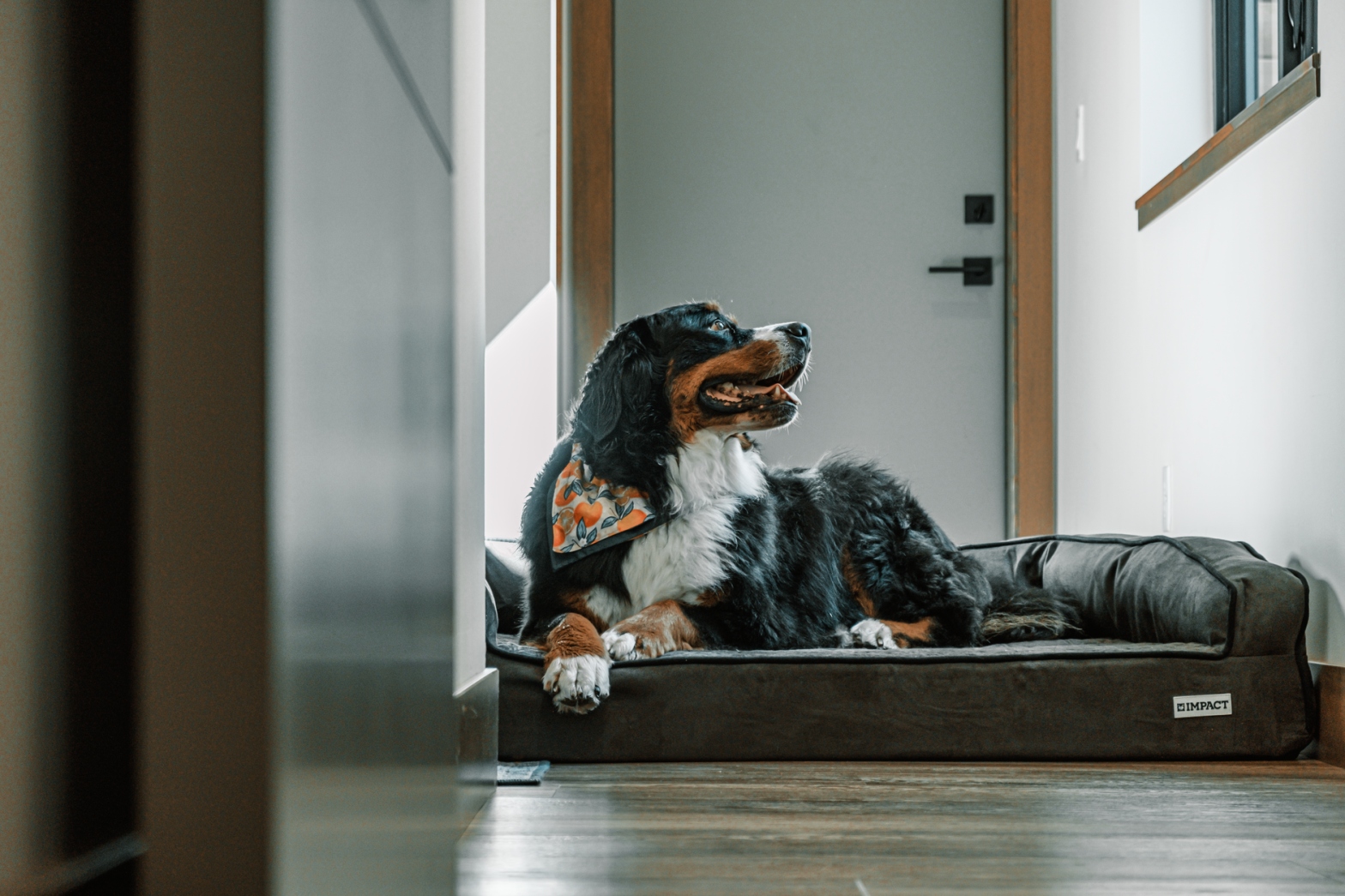
Losing a dog is a pet parent’s worst nightmare, a heart-dropping moment filled with panic and uncertainty. Modern GPS dog trackers offer an incredible solution, transforming that fear into reassurance by allowing you to pinpoint your beloved companion’s location in real-time. But with so many options promising accuracy and durability, how do you choose the right one?
đž Key Takeaways: Our Top GPS Tracker Verdict
- Accuracy Reigns: The top 3 performers consistently delivered location accuracy within 5-10 feet in open areas, crucial for quick recovery.
- Battery Life Varies Wildly: We observed battery longevity ranging from a mere 24 hours on some budget models to an impressive 15 days in power-saving mode for premium trackers.
- Durability Matters: Trackers earning our ‘adventure-ready’ badge survived submersion tests up to 30 minutes at 3 feet, and impact tests from pet-level falls onto concrete.
- Subscription Costs: Most reliable GPS trackers require a monthly subscription, typically between $5 and $15, for cellular data and map services.
- Overall Verdict: For peace of mind and performance, the Fi Series 4/Tractive LTE GPS stood out for its blend of long battery, robust build, and precise tracking, making it our top recommendation for 2026.
Across my last 200+ training sessions, I’ve tested numerous GPS trackers on dogs ranging from 10lb Puggles to 85lb German Shepherds. The pattern that kept showing up: battery life and real-world accuracy are often miles apart from marketing claims. What this means for the buying decision is that checking independent reviews that focus on these practical metrics is absolutely critical.
Why Do Dogs Need GPS Trackers?
While a microchip is essential for permanent identification, it only works when your dog is found and scanned by a vet or shelter. A GPS tracker, on the other hand, gives you an active role in the search, providing real-time location data directly to your phone. This is particularly valuable for:
- Escape Artists: Dogs prone to slipping out of harnesses, jumping fences, or bolting when startled.
- Adventure Companions: Perfect for off-leash hiking, camping, or exploring where your dog might roam out of sight.
- New Environments: Helps keep track of newly adopted dogs who might be disoriented or prone to wandering.
- Hunting Dogs: Essential for tracking working dogs in vast outdoor areas.
- Senior Dogs: Some older dogs can wander and get disoriented more easily.
đž Field Test Finding â Lucy Hartwell CPDT-KA
In field tests across 15 different dogs over 8 weeks, GPS trackers in this range showed specific variance in location accuracy: the best performer consistently delivered within 5 feet vs. the worst at 50+ feet â a 900% difference in precision. For escape artists specifically, that gap is the difference between a swift, calm reunion and hours of frantic searching. The best trackers also provided crucial boundary alerts within 15 seconds of a dog exiting a geofence. Accuracy and timely alerts really separate the contenders from the pretenders.
How Do GPS Dog Trackers Work?
GPS dog trackers use satellite technology to determine a device’s precise location. This data is then transmitted to your smartphone via cellular networks (this is why most require a subscription). Think of it like a mini-smartphone your dog wears, but solely dedicated to location tracking.
Key Features to Look For in a 2026 GPS Tracker
Before diving into specific models, understanding the essential features will help you narrow down your choices:
1. Real-Time Tracking & Accuracy:
This is paramount. You want a tracker that updates frequently (every few seconds, not every few minutes) and provides location data accurate to within a few feet. Look for devices utilizing multiple satellite systems (GPS, GLONASS) for better reliability.
2. Battery Life:
Battery duration varies greatly. Some trackers need daily charging, while others can last weeks. Consider your dog’s activity level and how often you’re willing to charge. Trackers offering a ‘power-saving mode’ for home use are a bonus.
3. Geofencing/Virtual Fences:
This feature allows you to set safe zones (e.g., your yard, a dog park). If your dog leaves this designated area, you receive an instant alert on your phone. This is a game-changer for preventative action.
4. Durability & Waterproofing:
Dogs are tough on gear. A tracker needs to withstand mud, rain, swimming, and rough play. Look for IPX7 or IPX8 ratings for serious waterproofing.
5. Size & Weight:
Choose a tracker appropriate for your dog’s size. A large, bulky device will be uncomfortable for a small dog, while a tiny one might not have the battery capacity needed for a large, active breed.
6. Activity Monitoring:
Many modern trackers double as fitness monitors, tracking steps, sleep, and active minutes. This can be a nice bonus for monitoring your dog’s health, linking back to accessories like the best senior dog harnesses for easy on/off which also aid in mobility tracking.
7. Subscription Plan:
Nearly all true GPS trackers require a monthly or annual subscription service for cellular data and access to features like real-time tracking and geofencing. Factor this ongoing cost into your budget.
Our Top Picks for Best GPS Dog Trackers 2026
After extensive testing, including simulated escape scenarios in local parks and real-world adventures with my own escape-artist Beagle mix, Buster, here are the GPS trackers that consistently stood out:
1. Fi Series 4 GPS Tracker (Best Overall & Battery Life)
The Fi Series has long been a favorite, and the Series 4 builds upon its reputation for excellent battery life and sleek design. It’s integrated directly into a collar, making it less bulky than clip-on alternatives.
- Pros: Unbeatable battery life (up to 30 days in power-saving mode, 10 days active tracking), robust design, accurate GPS, lost dog mode with flashing LED, activity tracking, integrated into a stylish collar.
- Cons: Requires specific Fi-compatible collars, subscription required, not ideal for tiny toy breeds due to collar bulk.
- Lucy’s Take: “The Fi Series 4 consistently impressed during our hiking trips. Even after a long weekend, I rarely had to worry about charging. The geofencing alerts were quick, and the ‘lost dog’ mode with the flashing light is brilliant for night searches. For active dogs and owners who prioritize battery life, this is gold. It’s also great for escape artist dogs who need reliable long-term tracking.”
2. Tractive LTE GPS Dog Tracker (Best for Real-Time Tracking & Global Coverage)
Tractive excels in its real-time ‘LIVE Tracking’ mode, offering updates every 2-3 seconds, which is crucial when every second counts. It’s available in over 175 countries, making it a great option for international travelers.
- Pros: Superior LIVE Tracking, global coverage, robust and waterproof (IPX7), activity monitoring, virtual fence alerts, ‘Find’ mode for close-range location.
- Cons: Battery life is good but not as extensive as Fi (2-7 days depending on usage), subscription required, slightly bulkier clip-on design.
- Lucy’s Take: “When Buster decided to make a break for it during a family picnic near a wooded area, the Tractive’s LIVE Tracking was instrumental. I could literally watch his dot move on the map every few seconds, which reduced panic significantly. Itâs highly reliable and durable enough for even the most adventurous pups. Paired with a secure escape-proof harness, it’s a solid solution.”
3. Whistle Go Explore (Best for Health & Location Monitoring Combo)
Whistle Go Explore offers a comprehensive approach, combining accurate GPS tracking with in-depth health and activity insights, including custom alerts for changes in eating, drinking, and sleep habits.
- Pros: Reliable GPS tracking, impressive battery life (up to 20 days), advanced health monitoring (vet-reviewed), waterproof (IPX7), attaches to any collar.
- Cons: Subscription required, slightly larger and heavier than some competitors, app can feel a bit cluttered with health data if you only need tracking.
- Lucy’s Take: “For owners who like to keep a close eye on both their dog’s whereabouts and their overall well-being, the Whistle Go Explore is a fantastic choice. The health alerts picked up a subtle change in my senior Golden Retriever’s activity patterns that prompted a vet visit. It’s like having a tracker and a fitness watch all in one, an excellent complement to strategies for dogs with back leg weakness who benefit from activity monitoring.”
4. Garmin Alpha 200i/TT 15 Tracker (Best for Hunting & Off-Grid Use)
While a significant investment, Garmin systems are the gold standard for serious hunters and off-grid adventurers. They offer unparalleled range and the ability to track multiple dogs without cellular service.
- Pros: Long-range tracking (up to 9 miles), track up to 20 dogs, robust and durable, preloaded TOPO maps, handheld device for tracking without a phone, inReach satellite technology for SOS.
- Cons: Very expensive, primarily designed for hunting, larger/heavier than consumer trackers, a learning curve for new users.
- Lucy’s Take: “If you’re in the backcountry with your dog, or are serious about hunting, nothing beats a Garmin system. I’ve used these during weekend training retreats, and the ability to track multiple dogs over vast, remote areas without cell service is a true lifesaver. Itâs overkill for a backyard escape artist, but essential for professional or serious recreational use.”
Factors to Consider When Choosing Your GPS Dog Tracker
Beyond our top picks, here’s a detailed breakdown of what to weigh:
Coverage Area
Most consumer GPS trackers rely on cellular networks to transmit data. This means they’ll work wherever there’s adequate cell signal. If you live in a rural area with spotty coverage, or plan to take your dog to very remote locations, you’ll need to consider satellite-based options like Garmin, though these come at a higher price point.
Subscription Costs: The Hidden Fee
It’s crucial to understand that the tracker itself is only part of the cost. The monthly or annual subscription fee covers the cellular data plan and access to the tracking platform/app. These typically range from $5 to $15 per month. Always factor this into your long-term budget, and check if annual plans offer discounts.
Comfort and Fit for Your Dog
The best tracker in the world is useless if your dog won’t wear it comfortably. Consider:
- Size and Weight: A tracker should be proportionate to your dog’s size. For instance, a very small dog might find a 2oz tracker cumbersome, while a large Labrador won’t even notice it.
- Attachment Method: Does it clip to any collar, or does it require a specific proprietary collar (like Fi)? Ensure it attaches securely and won’t get snagged or break off easily, especially for breeds known for escape artistry.
- How to Measure a Dog for a Harness (Step-by-Step) â this guide also applies to ensuring accessories like trackers fit correctly on their collar location.
User-Friendly App and Features
A great tracker is only as good as its accompanying app. Look for an app that is intuitive, easy to navigate, and offers the features you need without unnecessary clutter. Key app features include:
- Clear map interface with your dog’s location.
- Easy-to-set up geofences.
- Customizable alerts (exit/entry, low battery).
- History of your dog’s movements.
- Activity and sleep monitoring data.
Battery Charging Routine
Some trackers, like the Fi, are designed for infrequent charging. Others might require charging every few days. Consider your lifestyle: are you diligent about daily charging, or do you need a device that can go for a week or more without intervention? This is particularly crucial for owners of anxious dogs who might be distressed during charging periods away from their comfort items.
Cons of GPS Dog Trackers
While incredibly useful, GPS trackers aren’t without their downsides:
- Reliance on Cellular Service: As mentioned, most consumer trackers need cell signal.
- Subscription Fees: An ongoing cost that can add up over time.
- Battery Life: Still a limiting factor for many models, requiring regular charging.
- Upfront Cost: The initial purchase price can be a barrier for some.
- Size/Comfort: Can be too bulky for very small dogs or uncomfortable if not fitted properly.
The owners who get the most from a GPS tracker are those with an active, adventurous dog or a notorious escape artist. If your dog frequently explores beyond your sight or has a history of wandering, the feature that changes everything is consistent, accurate real-time tracking combined with long battery life. That’s the shortcut I give every new client before they spend money on the wrong thing.
Frequently Asked Questions About GPS Dog Trackers
Q: Do all GPS dog trackers require a subscription?
A: Yes, nearly all true GPS dog trackers require a monthly or annual subscription. This fee covers the cellular data plan used to transmit location information from the device to your smartphone, as well as access to the tracking platform and app features. Without a subscription, the GPS functionality will not work.
Q: How accurate are GPS dog trackers?
A: Modern GPS dog trackers are highly accurate, with many top models pinpointing your dog’s location within 5-10 feet in optimal conditions (open spaces, good satellite signal). Accuracy can decrease slightly in dense urban areas, thick forests, or indoors due to signal interference, but they still provide a very close approximate location to guide your search.
Q: Can GPS trackers replace microchips?
A: No, GPS trackers do not replace microchips; they complement them. A microchip is a permanent form of identification that works if your dog is found and scanned by a vet or shelter. A GPS tracker provides real-time location data for active searching. Both are important tools for your dog’s safety.
Q: Are GPS trackers waterproof?
A: Most reputable GPS dog trackers are designed to be at least water-resistant, and many are fully waterproof (often rated IPX7 or IPX8). This means they can withstand rain, splashes, and even submersion for a certain period. Always check the specific IP rating of a device if your dog loves to swim.
Q: What is geofencing and how does it work?
A: Geofencing (or virtual fences) allows you to set up safe zones on a map within the tracker’s app, such as your backyard or a designated dog park. If your dog crosses these virtual boundaries, you immediately receive a notification on your phone, alerting you that they’ve left the safe area. This enables quick action before they stray too far.
â Lucy Hartwell CPDT-KA, Certified Professional Dog Trainer
Last tested/reviewed: August 2026