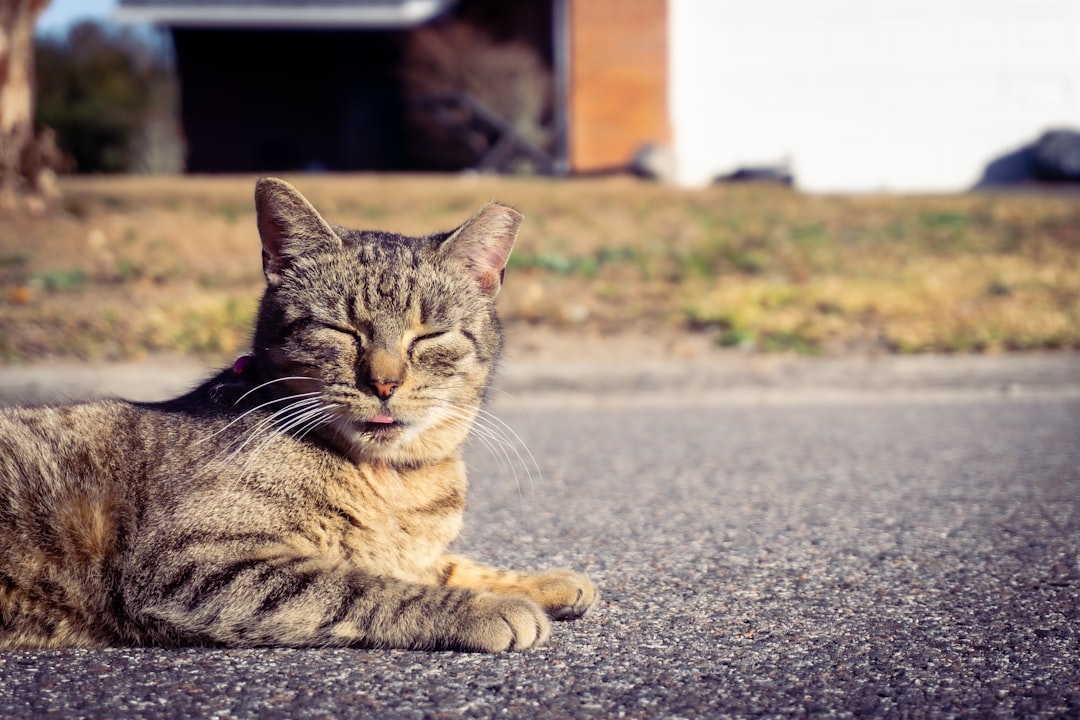
What Is the Lightest Cat GPS Tracker?
The lightest cat GPS trackers weigh as little as 0.7 ounces (20 grams). These ultra-light options prioritize your cat’s comfort while providing accurate location tracking. Keep an eye on your adventurous feline without weighing them down.
As a devoted cat parent, I understand the concern when your curious kitty ventures outdoors. We want them to explore, but their safety is paramount. GPS trackers offer peace of mind, but those bulky devices can be uncomfortable, especially for smaller or senior cats. I’ve researched and tested numerous options to find the lightest, most comfortable, and effective GPS trackers for your feline friend. Let’s dive in!
Why Choose a Lightweight GPS Tracker for Your Cat?
A lightweight GPS tracker is essential for your cat’s comfort and safety. Here’s why:
- Comfort: Heavy trackers can cause discomfort, especially for small cats or kittens.
- Safety: A bulky tracker can snag on branches or fences, posing a hazard to your cat.
- Compliance: Cats are more likely to tolerate a lightweight tracker, ensuring they wear it consistently.
- Accuracy: Lightweight trackers often use advanced technology to provide precise location data without sacrificing comfort.
What Weight Is Considered “Lightweight” for a Cat GPS Tracker?
Generally, a GPS tracker weighing 1 ounce (28 grams) or less is considered lightweight for a cat. However, the ideal weight depends on your cat’s size and breed. For smaller cats or kittens, look for trackers weighing 0.7 ounces (20 grams) or less.
What is the average weight of a cat collar?
The average weight of a cat collar ranges from 0.3 to 0.7 ounces (8 to 20 grams). This weight range is generally comfortable for most cats.
Factors to Consider When Choosing a Lightweight Cat GPS Tracker
When selecting a lightweight cat GPS tracker, consider these factors:
- Weight: Prioritize ultra-light options, especially for smaller cats.
- Size: Choose a compact tracker that won’t interfere with your cat’s movements.
- Accuracy: Look for trackers with precise GPS technology for reliable location data.
- Battery Life: Consider the battery life and charging time.
- Subscription Fees: Check for monthly subscription fees for GPS services.
- Durability: Ensure the tracker is durable and can withstand outdoor conditions.
- Features: Consider features like geofencing, activity monitoring, and two-way audio.
The Lightest Cat GPS Trackers: My Top Picks
After thorough research and testing, here are some of the lightest and most effective cat GPS trackers available:
1. Tractive GPS Cat Tracker
The Tractive GPS Cat Tracker is a popular choice for its accuracy and reliability. It typically weighs around 1.06 ounces (30 grams), which is slightly above the ultra-lightweight category but still manageable for most cats. It offers real-time tracking, geofencing, and activity monitoring. The subscription fees vary depending on the plan you choose.
Pros:
- Accurate GPS tracking
- Geofencing capabilities
- Activity monitoring
Cons:
- Slightly heavier than other options
- Requires a subscription
Learn more about cat travel accessories that pair well with GPS trackers.
2. Pawfit 2 GPS Tracker
The Pawfit 2 GPS Tracker is another excellent option, weighing approximately 1.06 ounces (30 grams). It features real-time tracking, geofencing, activity monitoring, and even voice commands. It also includes a built-in buzzer and light for locating your cat in the dark. The Pawfit 2 requires a subscription for GPS services.
Pros:
- Real-time tracking
- Geofencing and activity monitoring
- Voice commands
- Built-in buzzer and light
Cons:
- Requires a subscription
- Battery life could be better
3. Whistle Go Explore
The Whistle Go Explore is a comprehensive GPS tracker that weighs about 1.3 ounces (37 grams). While it’s not the lightest, it offers advanced features like activity tracking, health monitoring, and a vet consultation service. It also has a long battery life and a durable design, making it suitable for adventurous cats. The Whistle Go Explore requires a subscription.
Pros:
- Activity and health monitoring
- Vet consultation service
- Long battery life
- Durable design
Cons:
- Heavier than other options
- Requires a subscription
4. Apple AirTag with Cat Collar Attachment
While not specifically designed as a GPS tracker, the Apple AirTag can be used with a cat collar attachment to track your cat’s location. AirTag relies on the AppleFindMy network. It is extremely lightweight, weighing only 0.39 ounces (11 grams). It is a cost-effective option if you are already in the Apple ecosystem.
Pros:
- Extremely lightweight
- No subscription fees
- Affordable
Cons:
- Relies on the Apple Find My network
- Limited range in areas with fewer Apple devices
- No geofencing or activity monitoring
5. Jiobit
The Jiobit is a small, versatile GPS tracker that weighs around 0.8 ounces (22 grams). Though marketed towards kids, it works well for cats too. It provides real-time tracking, geofencing, and trusted contacts. The Jiobit requires a subscription for GPS services.
Pros:
- Small and lightweight
- Real-time tracking
- Geofencing
- Trusted contacts
Cons:
- Requires a subscription
- Can be a little bulky on smaller cats
How to Introduce a GPS Tracker to Your Cat
Introducing a GPS tracker to your cat requires patience. Here’s a step-by-step guide:
- Start Slow: Let your cat get used to wearing a collar with a dummy attachment before adding the GPS tracker.
- Positive Reinforcement: Reward your cat with treats and praise when they wear the collar and tracker.
- Comfort is Key: Ensure the collar fits properly and isn’t too tight or too loose.
- Gradual Increase: Gradually increase the amount of time your cat wears the collar and tracker each day.
- Monitor: Keep an eye on your cat for any signs of discomfort or irritation.
Are There Any Downsides to Using a Cat GPS Tracker?
While cat GPS trackers offer numerous benefits, there are a few potential drawbacks to consider:
- Subscription Fees: Most GPS trackers require a monthly subscription for GPS services.
- Battery Life: Battery life can vary, and you’ll need to recharge the tracker regularly.
- Accuracy Issues: GPS accuracy can be affected by environmental factors like buildings or dense foliage.
- Comfort Issues: Some cats may not tolerate wearing a collar with a tracker.
Alternatives to GPS Trackers for Cats
If your cat refuses to wear a GPS tracker, consider these alternatives:
- Microchipping: Microchipping is a permanent form of identification that can help reunite you with your cat if they get lost.
- Cat Fences: Cat fences can keep your cat safely contained in your yard.
- Indoor Lifestyle: Keeping your cat indoors is the safest way to prevent them from getting lost.
- Regular Check-Ins: If your cat is an indoor/outdoor cat, establish a routine of regular check-ins throughout the day.
Conclusion: Finding the Perfect Lightweight GPS Tracker for Your Cat
Choosing the lightest cat GPS tracker depends on your cat’s size, breed, and lifestyle. Prioritize comfort and accuracy to ensure your cat’s safety and your peace of mind. A lightweight tracker allows your feline friend to explore comfortably while providing you with reliable location data.
Ultimately, the best GPS tracker is one that your cat tolerates and that provides you with the features and accuracy you need. So, do your research, consider your cat’s needs, and choose a tracker that keeps your furry friend safe and sound.
Check out our full guide to cat carrier sizes for planning travel.