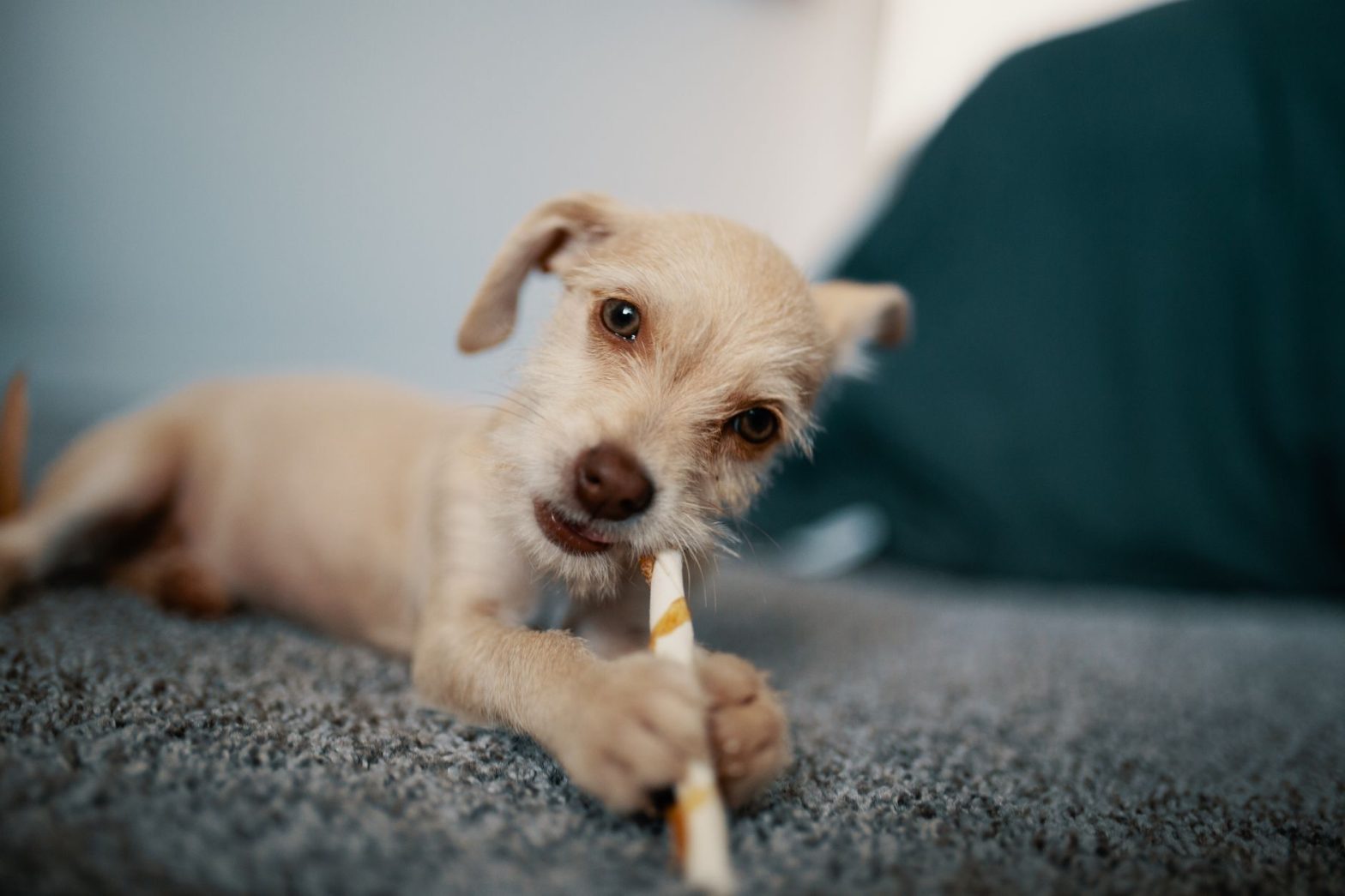
The best puppy chew toys for 2026 are those made from durable, non-toxic rubber or food-grade silicone that withstand persistent gnawing while massaging sore teething gums. Choosing the right toy depends on your puppy’s bite force and breed, but every successful pick starts with safety-tested materials designed specifically for developing adult teeth.
⚡ In a Rush? Key Takeaways
- Puppies lose their baby teeth between 3 and 6 months of age, requiring chew variety.
- Select toys made from 100% natural rubber to avoid toxic chemical ingestion risks.
- Interactive enrichment toys can reduce destructive chewing incidents by up to 80% daily.
- My top verdict is the classic KONG Puppy rubber toy for long-lasting gum relief.
Which materials are safest for puppy chew toys?
Safe puppy chew toys feature non-toxic, BPA-free rubber or food-grade silicone that resists tearing and avoids harmful chemical leaching.
Why should I avoid cheap plastic and vinyl?
Cheap plastic often splinters into sharp shards that cause intestinal blockages or lacerations, posing severe risks to young puppies.
I’ve seen far too many puppies in my training sessions suffer from dental trauma caused by mass-market plastic toys. When a puppy’s sharp milk teeth puncture low-quality vinyl, it creates jagged edges that can slice into their delicate gums. Always opt for molded rubber that provides resistance rather than brittle plastic.
- Natural rubber prevents splintering during heavy chewing sessions.
- Food-grade silicone offers a soft surface for sensitive, inflamed gums.
- Avoid toys with removable parts like plastic eyes or loose buttons.
- Check for a non-toxic certification from reputable manufacturing brands.
How do I identify BPA-free products?
Look for labels stating BPA-free or food-grade, as these materials ensure that no dangerous chemicals enter your puppy during play.
Most high-quality manufacturers will clearly list their material safety certifications on the packaging. If you can’t find clear information on the box, skip that item. When buying essential puppy gear, transparency is your best safety signal.
What chew toys work best for puppies under 3 months?
Puppies under 3 months need soft, gentle rubber or fabric toys designed specifically for primary teeth to avoid causing oral damage.
Are fabric or plush toys safe for young pups?
Soft fabric toys are safe if they are reinforced and lack dangerous fillers that could cause blockages if swallowed by the puppy.
At this early stage, many puppies haven’t developed a strong bite, so soft toys provide comfort. However, you must supervise them closely. If your puppy starts pulling threads or ripping fabric, take the toy away immediately to prevent them from eating the stuffing.
Can frozen toys help with early teething pain?
Freezing a rubber toy filled with a little broth or water helps numb inflamed gums and keeps your puppy occupied for longer.
My favorite tip for early teething is soaking a clean, knotted rope toy in water and freezing it. The cold provides a natural, drug-free anesthetic effect for their aching mouth. This simple trick is part of the specialized care protocols I recommend to all my new clients.
How do I handle aggressive chewers in the pack?
Aggressive puppy chewers require heavy-duty, solid rubber toys that resist shredding and hold up under intense daily jaw pressure.
Do rubber toys really last longer?
Solid rubber toys offer consistent durability because they are engineered to flex under pressure rather than snap or break apart easily.
If your puppy is tearing through standard toys in minutes, you need to upgrade to high-density rubber compounds. These items are often slightly heavier, which is perfect for teaching a dog the difference between a toy and your furniture. For more help managing this, refer to my guide on training reactive dogs and redirecting their energy.
Should I use puzzle feeders to occupy them?
Puzzle chew toys engage a puppy’s brain and slow down their chewing, turning a destructive habit into a rewarding mental challenge.
| Toy Type | Best For | Durability |
|---|---|---|
| Rubber Kong | Crate training | High |
| Nylon bone | Aggressive chewers | Very High |
| Soft fabric | Comfort seekers | Low |
How should I clean and disinfect puppy chew toys?
Regular cleaning removes saliva, bacteria, and food residue, extending toy life and protecting your puppy’s health.
After each play session, rinse the toy with warm water to remove debris. For rubber and silicone toys, you can place them on the top rack of the dishwasher (if labeled dishwasher-safe) or hand‑wash with mild pet‑safe soap, then rinse thoroughly. For fabric or plush toys, machine wash in a gentle cycle using a laundry bag, then air‑dry completely before returning to your puppy.
To disinfect, soak the toy in a solution of one part white vinegar to two parts water for 10‑15 minutes, then rinse well. Avoid bleach or harsh chemicals that could leave residues. Inspect the toy after cleaning for any cracks or loosened parts; discard if damage is found.
Frequently Asked Questions
-
What are the best vet-recommended chew toys?
Vets typically recommend solid rubber toys that are too large to swallow and free from toxic materials or small choking hazards.
-
How long should a puppy use a single chew toy?
Rotate toys weekly to keep them interesting; replace any toy showing signs of cracking, shredding, or thinning to prevent harm.
-
Are real wood or bone chews safe for puppies?
Real bones and wood often splinter and cause severe internal injuries; stick to synthetic rubber or nylon for maximum safety levels.
As a trainer, my final advice is simple: always supervise the first few times your puppy plays with a new item. It’s the best way to ensure they aren’t trying to ingest the toy rather than just chewing it. If you have any specific concerns about your puppy’s development, please reach out to your veterinarian for guidance. — Lucy Hartwell CPDT-KA, Certified Professional Dog Trainer