Do Cat Warming Beds Work? Benefits and Safety Tips

Do cat warming beds actually work?

Yes, cat warming beds can effectively provide warmth, especially for cats who are sensitive to cold or have medical conditions like arthritis. The effectiveness depends on the type of warming bed, the ambient temperature, and the cat’s individual preferences.

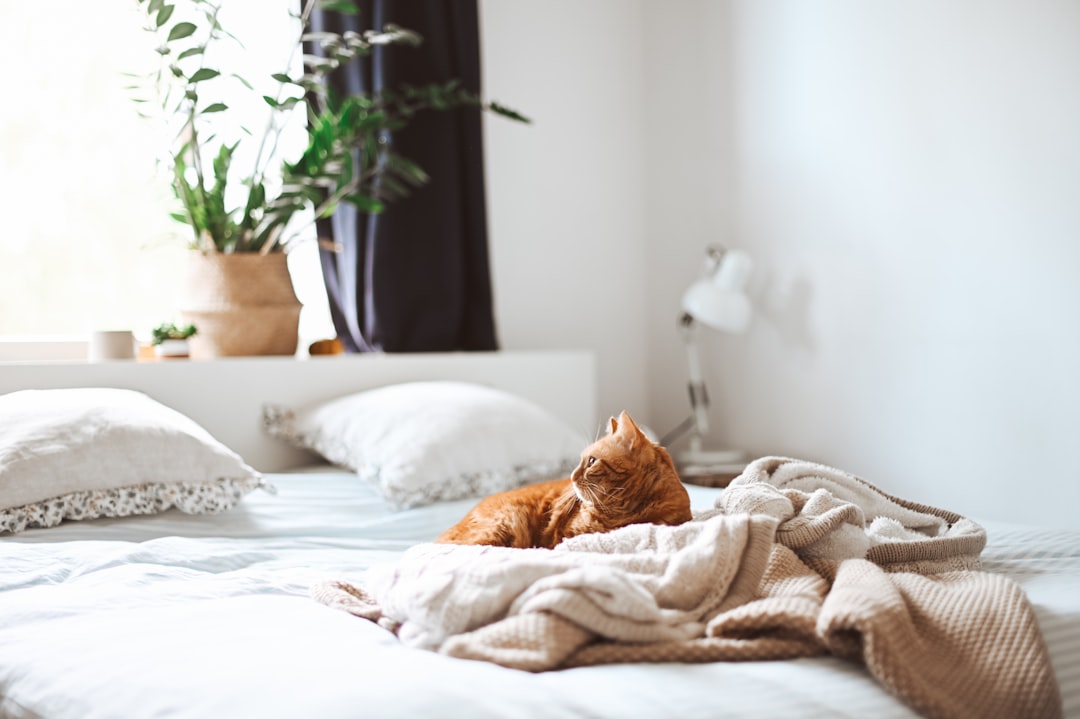
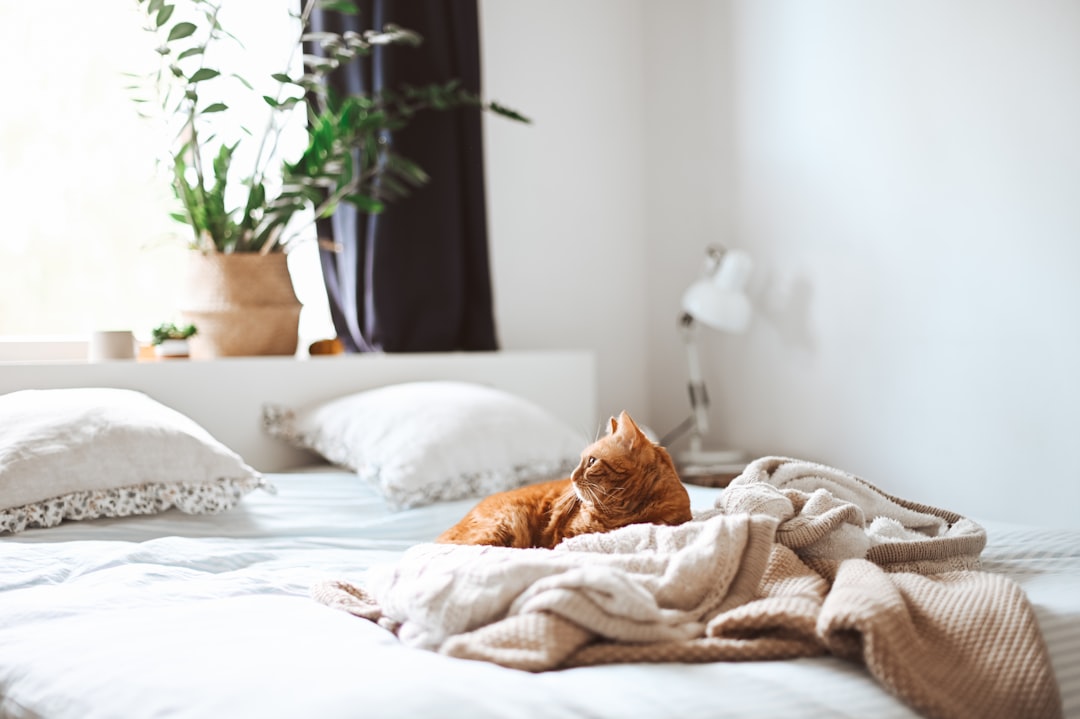
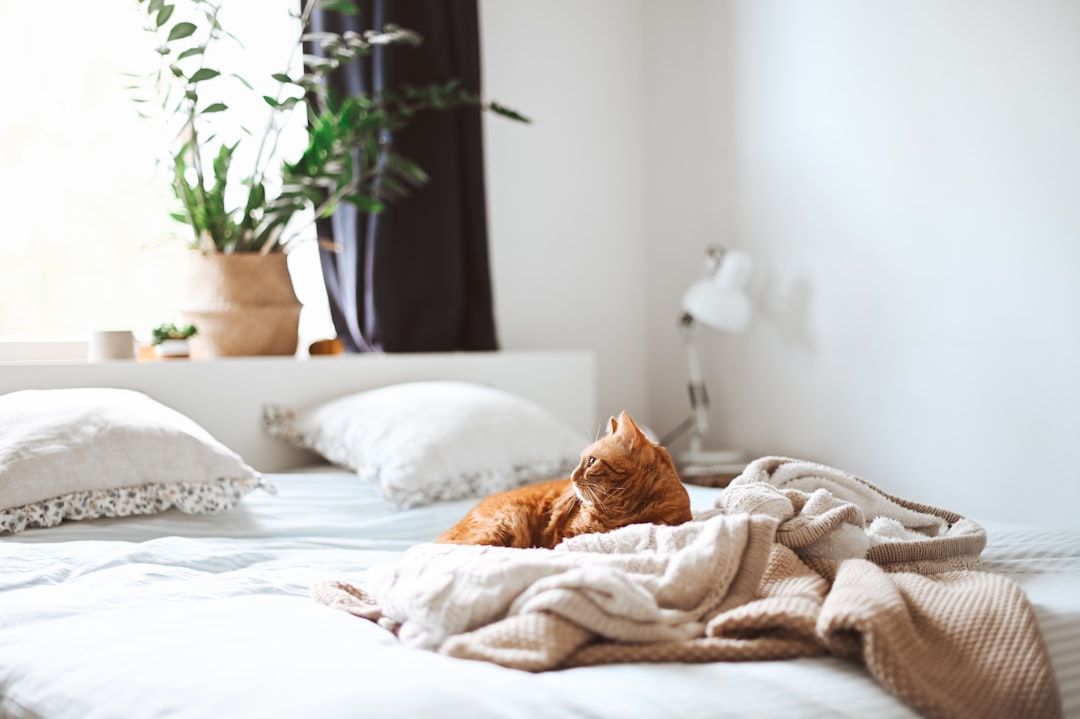
My cat, Whiskers, practically lives in his warming bed during the winter months. He’s a senior cat now, and I’ve noticed it really soothes his joints. I’ve tried a few different types, and I’ve learned what to look for to ensure they’re safe and effective. Let’s dive into the details.

What are the different types of cat warming beds?

There are a few types of cat warming beds, each with pros and cons. They include electric warming beds, self-warming beds, and microwaveable warming discs.

  • Electric Warming Beds: These plug into an outlet and provide consistent, adjustable heat. They are ideal for cats who need continuous warmth, but it’s crucial to monitor them for safety.
  • Self-Warming Beds: These beds contain a layer of material that reflects the cat’s body heat back to them. They are a safer, energy-free option, but may not provide as much warmth as electric beds.
  • Microwaveable Warming Discs: These discs are heated in the microwave and then placed under the cat’s bed. They offer a temporary source of warmth and are suitable for travel or short periods.

What are the benefits of cat warming beds for senior cats?

Cat warming beds can be especially helpful for senior cats who often struggle with joint pain and temperature regulation.

  • Arthritis Relief: The warmth from the bed can soothe stiff joints and reduce pain, allowing senior cats to rest more comfortably. If your cat has arthritis, consult your vet about combining a warming bed with joint supplements, pain medication, and gentle exercise.
  • Improved Circulation: Warmth can improve blood flow, which helps deliver nutrients to tissues and organs, promoting overall health.
  • Better Sleep: A warm, comfortable bed can promote relaxation and deeper sleep, which is essential for senior cats.
  • Temperature Regulation: Senior cats are often less able to regulate their body temperature, so a warming bed can help them stay warm and cozy, especially during colder months.

If your senior cat is reluctant to use a new bed, try placing a familiar blanket or toy on it to make it more appealing. My senior cat, Max, wasn’t a fan at first, but once I put his favorite blanket on the bed, he was sold!

Are cat warming beds safe for cats?

Safety is paramount when choosing a cat warming bed. Here’s what to consider:

  • Electric Beds: Look for beds with low voltage, automatic shut-off features, and chew-resistant cords. Check the bed regularly for wear and tear. If the cord is damaged, replace the bed immediately. Never leave a cat unattended for extended periods with an electric warming bed.
  • Self-Warming Beds: These are generally very safe, as they don’t require electricity. However, ensure the materials are non-toxic and free of small parts that could be ingested.
  • Microwaveable Discs: Follow the instructions carefully to avoid overheating. Always check the temperature of the disc before placing it under your cat’s bed. And never let your cat directly on the disk without a barrier between them.

What safety certifications should I look for?

When purchasing an electric cat warming bed, look for safety certifications such as UL (Underwriters Laboratories) or ETL (Electrical Testing Laboratories). These certifications indicate that the product has been tested and meets safety standards.

Safety Tip: Never use a human heating pad for your cat, as they can overheat and cause burns. Always use a product designed specifically for pets.

How do I choose the right size and type of warming bed for my cat?

The right size and type of warming bed depends on your cat’s size, preferences, and health needs.

  • Size: The bed should be large enough for your cat to stretch out comfortably. Measure your cat while they’re sleeping to get an accurate idea of the size they need.
  • Type: If your cat has arthritis or needs consistent warmth, an electric bed may be the best option. If you’re looking for a safer, energy-free choice, a self-warming bed is a great alternative.
  • Material: Choose a bed made from soft, comfortable materials that your cat will enjoy. Look for materials that are easy to clean and resistant to odors.
  • Features: Consider features like removable, washable covers, non-slip bottoms, and adjustable temperature settings (for electric beds).

Will my cat actually use a warming bed?

Not all cats take to warming beds right away, but there are ways to encourage them:

  • Location: Place the bed in a quiet, draft-free area where your cat likes to spend time.
  • Familiar Scents: Put a blanket or toy that smells like your cat on the bed.
  • Positive Reinforcement: Reward your cat with treats or praise when they use the bed.
  • Patience: Some cats take time to adjust to new things. Be patient and don’t force your cat to use the bed.

What are some signs my cat is too hot in their warming bed?

It’s essential to monitor your cat for signs of overheating. If you notice any of these signs, remove the warming bed immediately:

  • Panting: Cats rarely pant, so if they are, it’s a sign they’re too hot.
  • Restlessness: If your cat is constantly getting in and out of the bed, they may be trying to cool down.
  • Lethargy: If your cat seems unusually tired or weak, they could be overheating.
  • Excessive Grooming: Cats groom themselves to cool down, so excessive grooming can be a sign they’re too hot.

Important: Always consult your veterinarian if you have concerns about your cat’s health or comfort.

Best Cat Warming Beds: My Recommendations

Based on my testing and research, here are a few of my top picks for cat warming beds:

  1. K&H Pet Products Thermo-Kitty Bed: This electric warming bed has a low wattage and a built-in thermostat for consistent warmth. It’s also machine washable for easy cleaning. Check current price on Amazon

    Cons: Cords could be chewed, check heat regularly.

  2. Aspen Pet Self-Warming Bed: This self-warming bed uses your cat’s body heat and is a safe, energy-free option. It’s also lightweight and portable. Check current price on Amazon

    Cons: May not provide enough warmth for very cold climates.

  3. SnuggleSafe Microwave Pet Bed Heating Pad: This microwaveable disc provides temporary warmth and is perfect for travel. Check current price on Amazon

    Cons: Heat is temporary and needs re-warming after some time.

Remember to always prioritize safety when choosing a warming bed for your cat. Read reviews, check for certifications, and monitor your cat closely to ensure they’re comfortable and safe.

Check out our article on best orthopedic cat beds for options which combine support and potential for warmth.
Can You Leave a Heated Cat Bed On All Night? Safety & Best Practices

Can You Leave a Heated Cat Bed On All Night?

Many cat owners wonder if it’s safe to leave a heated cat bed on all night. The short answer is: it depends. While heated beds can provide comfort and warmth, especially for senior cats or those in colder climates, there are safety considerations to keep in mind. This article will explore the pros and cons of leaving a heated cat bed on all night, offer tips for safe use, and highlight the best types of heated beds available.

Is it safe for cats to sleep on heated beds?

Yes, heated beds are generally safe for cats as long as they are used correctly and are designed with safety features. Risks can include overheating, electrical hazards, and burns, but these can be mitigated by choosing high-quality products and following manufacturer guidelines.

Benefits of Heated Cat Beds

Heated cat beds offer several benefits, particularly for certain cats:

  • Comfort for Senior Cats: Older cats often suffer from arthritis and joint pain. The gentle warmth can ease aches and provide comfort, promoting better sleep.
  • Warmth in Cold Climates: Cats feel the cold more than humans do, so a heated bed can act as a cozy refuge during winter.
  • Soothing Anxiety: The warmth can have a calming effect, which may reduce anxiety and provide a secure space for your cat.

Many senior cats benefit from the comfort and pain relief a heated bed provides. This will allow them some added comfort during the colder parts of the year.

Do senior cats need heated beds?

While not strictly necessary, heated beds can significantly improve the quality of life for senior cats, helping to alleviate joint pain and provide comfort.

Potential Risks of Leaving a Heated Cat Bed On All Night

While the idea of a cozy, warm bed for your cat is appealing, consider the potential risks associated with leaving a heated cat bed on all night:

  • Overheating: Cats can overheat, which can lead to dehydration or heatstroke.
  • Electrical Hazards: Faulty wiring or damaged cords may pose an electrical shock or fire risk.
  • Burns: Direct contact with a heating element that becomes too hot can cause burns.
  • Skin Dryness: Prolonged exposure to heat can dry out your cat’s skin, leading to itchiness and discomfort.

It is important to reduce these different risks by purchasing a high-quality heated bed and following instructions completely.

Can a heated cat bed cause dehydration?

Yes, prolonged use of a heated cat bed can potentially lead to dehydration if the cat is not drinking enough water to compensate for the increased body temperature.

How to Choose a Safe Heated Cat Bed

Selecting a safe heated cat bed is crucial. Here are some features to look for:

  • Low Voltage: Beds with low voltage are safer as they reduce the risk of electrical shock.
  • Automatic Shut-Off: This feature turns off the bed if it overheats, preventing burns and conserving energy.
  • Thermostat Control: Adjustable thermostats allow you to control the bed’s temperature, ensuring it’s not too hot.
  • Chew-Resistant Cord: Cats may chew on cords, so a durable, chew-resistant cord is essential.
  • High-Quality Materials: Look for beds made from non-toxic, fire-resistant materials.

Choosing a cat bed with these features will help minimize the risk of accidents and damage, ensuring your cat’s safe sleep throughout the night.

What is the safest type of heated cat bed?

The safest heated cat beds are typically those with low voltage, automatic shut-off features, and chew-resistant cords, made from non-toxic and fire-resistant materials.

Tips for Safe Use of Heated Cat Beds

To ensure the safe use of heated cat beds, follow these guidelines:

  • Read the Instructions: Always read and follow the manufacturer’s instructions carefully.
  • Monitor Your Cat: Check your cat regularly for signs of overheating, such as panting or restlessness.
  • Provide Water: Ensure your cat has access to fresh water to stay hydrated.
  • Check the Bed Regularly: Inspect the bed for any signs of damage, such as frayed cords or exposed heating elements.
  • Give Your Cat Options: Put the heated bed in a location where your cat can choose to sleep on it or not. Offering options allows your cat to regulate its own temperature.

You should be consistently aware of the condition of your cat and its bed. Staying up-to-date with the bed’s condition and your cat’s health will minimize risks.

How can I tell if my cat is overheating in a heated bed?

Signs of overheating in cats include panting, rapid breathing, restlessness, excessive grooming, and seeking cooler surfaces.

Different Types of Heated Cat Beds

There are several types of heated cat beds available, each with its own pros and cons:

  • Electric Heated Beds: These plug into an outlet and provide consistent warmth. Look for models with safety features like automatic shut-off and low voltage.
  • Self-Warming Beds: These beds use the cat’s body heat to provide warmth. They are safe, energy-efficient, and don’t require electricity.
  • Microwaveable Beds: These beds contain a heat-retaining pad that you microwave. They are portable but need reheating regularly, and there is a risk of uneven heating.

Each of these different types of beds provides different benefits and risks, so consider these when making your decision.

Are self-warming cat beds as effective as electric ones?

Self-warming cat beds are less effective in extremely cold conditions but are safer and more energy-efficient, making them a good option for mild climates or cats who prefer a gentle warmth.

Setting Up the Heated Cat Bed

Proper setup ensures that your cat enjoys the heated bed safely. Here’s how to do it:

  • Location: Place the bed in a quiet, draft-free area where your cat feels safe and secure. Avoid high-traffic zones to minimize stress.
  • Accessibility: Ensure your cat can easily get in and out of the bed. Place it on a low surface if your cat has mobility issues.
  • Safety First: Keep the cord away from areas where your cat might chew on it, and ensure the bed is away from flammable materials.

Choose a location that is easy for your cat to access. If they want to sleep in a more hidden location, for example, ensure they can access this location with the bed.

Where is the best place to put a heated cat bed?

The best place for a heated cat bed is in a quiet, draft-free location that is easily accessible to your cat and where they feel safe and secure.

Alternatives to Leaving a Heated Cat Bed On All Night

If you’re concerned about leaving a heated cat bed on all night, here are some alternatives to keep your cat warm:

  • Warm Bedding: Use soft, insulated bedding like fleece or faux fur to provide warmth.
  • Insulated Cat Houses: Outdoor or indoor cat houses can be insulated to retain heat.
  • Heated Blankets: A pet-safe heated blanket placed over your cat’s regular bed can offer extra warmth.

Are heated blankets safe for cats?

Yes, heated blankets designed specifically for pets are generally safe for cats, provided they have low voltage and automatic shut-off features to prevent overheating.

Signs Your Cat Enjoys the Heated Bed

Knowing whether your cat enjoys the heated bed is crucial for deciding whether to continue using it. Look for these signs:

  • Frequent Use: Your cat spends a lot of time in the bed.
  • Relaxed Posture: Your cat appears visibly relaxed and comfortable while in the bed.
  • Purring: Cats often purr when they are content.
  • Kneading: Some cats knead soft surfaces when they are happy.

If your cat exhibits one or more of these signs, it likely appreciates the added warmth and comfort of the heated bed.

How do I introduce my cat to a heated bed?

Introduce your cat to a heated bed by placing familiar items like toys or blankets on it, and rewarding them with treats when they approach or use the bed.

When to Consult a Vet

Consult a veterinarian if you observe any of the following:

  • Persistent Panting or Restlessness: These could indicate overheating.
  • Skin Irritation or Burns: Signs of skin dryness, redness, or burns should be addressed by a vet.
  • Changes in Behavior: If your cat’s behavior changes drastically after using the heated bed, consult a vet.

If you are at all concerned about your cat’s well-being, consult a vet regarding their health and safety. These professionals will be able to provide solutions and care that ensures these concerns are properly addressed.

When should I stop using a heated bed for my cat?

Stop using a heated bed if your cat shows signs of overheating, skin irritation, or discomfort, or during warmer months when the extra heat is not needed.

Conclusion

Leaving a heated cat bed on all night can be safe and beneficial when done correctly. By choosing a high-quality bed, following safety guidelines, and monitoring your cat’s behavior, you can provide a warm and comforting space for your feline friend. If you have any concerns, always consult with your veterinarian to ensure the best care for your cat.

Check out more of our cat enrichment posts for ways to improve your feline’s well-being.

Are Heated Cat Beds Good for Senior Cats? Benefits and Safety

Are Heated Cat Beds Good for Senior Cats?

Yes, heated cat beds can be very beneficial for senior cats, especially those suffering from arthritis or joint pain. The gentle warmth can help soothe aching muscles, improve circulation, and provide comfort. However, it’s crucial to choose a bed with safety features and monitor your cat’s use to prevent overheating. As senior cats are more sensitive, it is crucial to be aware and pay attention to how long they are spending in a new heated bed.

Do heated cat beds help with arthritis in older cats?

Yes, the warmth from a heated cat bed can help alleviate arthritis symptoms in older cats. The heat helps to improve blood flow to the joints, reducing stiffness and pain. This can make your cat more comfortable and mobile.

Benefits of Heated Cat Beds for Senior Cats

As cats age, they become more susceptible to various health issues, and their ability to regulate body temperature may decline. Heated cat beds can offer numerous benefits that improve their overall comfort and well-being. Lucy’s Barkery did some digging and here is what we found:

Pain Relief

One of the primary advantages of heated beds is their ability to soothe aching joints and muscles. Many senior cats suffer from arthritis, hip dysplasia, or other degenerative joint diseases. The gentle warmth can help reduce inflammation and ease discomfort, allowing them to rest more comfortably.

Improved Circulation

Heat promotes better blood flow, which is essential for delivering nutrients and oxygen to tissues. Enhanced circulation can alleviate stiffness and promote healing, which is essential for senior cats with mobility issues.

Thermoregulation

Senior cats often struggle to maintain their body temperature, especially in colder environments. A heated bed provides a consistent and comfortable warmth, preventing them from getting chilled. This is particularly beneficial for cats with decreased muscle mass or thyroid issues.

Comfort and Security

Beyond the physical benefits, heated cat beds offer a sense of security and comfort. The cozy warmth can create a relaxing environment that helps reduce anxiety and stress. This is particularly helpful for senior cats who may be experiencing cognitive decline or behavioral changes.

How warm should a heated cat bed be for a senior cat?

A safe and comfortable temperature for a heated cat bed should be around 100-102°F (38-39°C). Ensure the bed has a thermostat to prevent overheating.

Related: Best Orthopedic Cat Beds for Senior Cats

Types of Heated Cat Beds

Different types of heated cat beds cater to various needs and preferences. Understanding the options can help you choose the best one for your senior cat. Here are some things Lucy’s Barkery considered looking at the different bed types:

Electric Heated Beds

These beds plug into an electrical outlet and use a heating element to generate warmth. They typically come with adjustable temperature settings and safety features like automatic shut-off. Electric beds provide consistent and reliable heat, making them a popular choice.

Self-Warming Beds

Self-warming beds utilize the cat’s body heat to create warmth. They often have multiple layers of insulating material that reflect the cat’s heat back to them, providing a cozy environment without electricity. These beds are energy-efficient and safe but may not provide consistent warmth in colder conditions.

Microwaveable Beds

Microwaveable beds contain a heat-retaining pack that you warm in the microwave. Once heated, the pack gradually releases warmth over several hours. These beds are portable and convenient.

USB Heated Beds

USB heated beds can be powered by a USB port, making them suitable for use with laptops or power banks. They are ideal for travel or situations where an electrical outlet is not readily available.

What is the safest type of heated cat bed for older cats?

Self-warming beds are generally the safest as they don’t rely on electricity and avoid the risk of overheating. Electric beds with automatic shut-off features are also a safe option.

Features to Look For in a Heated Cat Bed for Senior Cats

When selecting a heated cat bed for your senior cat, several key features can ensure their safety and comfort. These features can not only save you unneeded stress about your cat but also give you comfort in knowing that your feline friend is as safe as possible.

Temperature Control

Opt for beds with adjustable temperature settings to customize the warmth level according to your cat’s needs and the ambient temperature. A thermostat ensures the bed maintains a consistent temperature without overheating.

Safety Features

Look for beds with safety certifications, such as UL or CE, indicating they meet safety standards. Features like automatic shut-off, overheat protection, and chew-resistant cords can prevent accidents.

Material and Construction

Choose beds made from non-toxic materials that are soft, comfortable, and easy to clean. Durable construction ensures the bed can withstand daily use and potential scratching or chewing.

Size and Shape

Select a bed size that allows your cat to stretch out comfortably. Consider their preferred sleeping position and choose a shape that accommodates their needs, such as a round bed for curling up or a rectangular bed for stretching out. Also make sure that the entry to and exit from the cat bed is easy and effortless.

Ease of Cleaning

Opt for beds with removable, machine-washable covers for easy cleaning. Senior cats may have accidents or health issues that require frequent cleaning, so this feature is essential.

How can I tell if a heated cat bed is too hot for my cat?

Monitor your cat’s behavior. If they avoid the bed, pant, or seem restless, the bed may be too hot. Always check the bed’s temperature with your hand to ensure it’s comfortable.

Potential Risks and Precautions

While heated cat beds offer numerous benefits, it’s essential to be aware of potential risks and take necessary precautions to ensure your cat’s safety.

Overheating

One of the primary concerns is overheating, which can lead to dehydration and heatstroke. Always use beds with temperature control and monitor your cat for signs of discomfort.

Electrical Hazards

Electric heated beds pose a risk of electrical shock or fire if not used properly. Ensure the bed has safety certifications, inspect the cord regularly for damage, and avoid using extension cords.

Burns

Contact burns can occur if the bed’s surface becomes too hot. Use beds with thermostats and avoid placing additional blankets or pads on top, which can trap heat.

Cord Chewing

Cats may chew on electrical cords, posing a risk of electric shock. Choose beds with chew-resistant cords or take measures to protect the cords from chewing.

Are heated cat beds a fire hazard if left on all the time?

While modern heated cat beds have safety features like automatic shut-off, it’s best not to leave them on 24/7. Give them a break to prevent overheating and potential fire risks.

Tips for Introducing a Heated Cat Bed to Your Senior Cat

Introducing a new bed to a senior cat requires patience and understanding. Here are some tips to help your cat adjust to their heated bed:

Make it Familiar

Place the bed in a familiar location where your cat already likes to rest. This can help them feel more comfortable and secure.

Add Familiar Scents

Place a blanket or toy that smells like your cat on the bed. This can make the bed more inviting and help them associate it with positive feelings.

Use Treats and Praise

Encourage your cat to explore the bed by placing treats on it or offering praise when they approach or use it. Positive reinforcement can help them overcome any initial hesitation.

Start Slowly

Initially, only turn the bed on for short periods and gradually increase the duration as your cat becomes more comfortable. This allows them to adjust to the warmth and avoid overheating.

Monitor Their Reaction

Pay close attention to your cat’s behavior. If they seem uncomfortable or avoid the bed, adjust the temperature or try a different type of bed.

Top Heated Cat Beds for Senior Cats

Based on Lucy’s Barkery testing and review and consideration of safety, comfort, and reliability, here are some of the best-heated cat beds for senior cats:

K&H Thermo-Kitty Bed

The K&H Thermo-Kitty Bed is an electric heated bed with a built-in thermostat and automatic shut-off. It maintains a consistent temperature of 10-15 degrees above ambient room temperature, providing gentle warmth without overheating. The soft, plush cover is removable and machine-washable for easy cleaning.

Pros:

  • Consistent, gentle warmth
  • Automatic shut-off
  • Machine-washable cover

Cons:

  • Cord may be accessible to chewers
  • Some cats may not like the texture of the bed

Sealy Lux Pet Bed

A self-warming bed that uses thermal technology to reflect your cat’s body heat back to them. It features multiple layers of insulating material for enhanced warmth and comfort. The bed is lightweight and portable, making it ideal for travel.

Pros:

  • No electricity required
  • Safe and energy-efficient
  • Lightweight and portable

Cons:

  • May not provide enough warmth in very cold conditions
  • Requires the cat to consistently use the bed for warmth

RIOGOO Pet Heating Pad

This USB heated pad is versatile and can be used in various settings. It features adjustable temperature settings and a timer function for added convenience. The pad is made from soft, waterproof material and is easy to clean.

Pros:

  • Adjustable heat settings
  • Waterproof and easy to clean
  • USB powered for portability

Cons:

  • May require a separate power adapter
  • Cord length may be limiting

Related: Best Low-Entry Litter Boxes for Arthritic Senior Cats

Conclusion

Heated cat beds can significantly improve the comfort and well-being of senior cats, especially those suffering from arthritis or age-related health issues. By choosing a bed with appropriate safety features, monitoring your cat’s use, and following the tips for introduction, you can provide a warm and cozy environment that enhances their quality of life.

What Type of Bed Is Best for a Cat? Expert Buying Guide

What Type of Bed Is Best for a Cat?

Finding the perfect bed for your cat isn’t just about providing a comfy spot; it’s about understanding their unique preferences and needs. Cats are creatures of habit and comfort, and a well-chosen bed can become their safe haven. I’ve tested dozens of beds with my own cats, and I’ve learned that there’s no one-size-fits-all solution. From snuggly cave beds to orthopedic options for senior cats, let’s explore the best types of beds to keep your feline friend happy and well-rested.

What is the most popular type of cat bed?

The most popular type of cat bed is often a round, plush bed with raised sides. These beds mimic the feeling of being held or nestled, which appeals to many cats’ natural instincts for security and warmth.

Understanding Your Cat’s Sleeping Habits

Before diving into specific bed types, take a moment to observe how your cat likes to sleep. Do they curl up in tight spaces, stretch out in the sun, or prefer a high vantage point? Understanding their preferred sleeping positions and environments will guide you toward the best bed choice.

Does my cat like to be warm or cool when sleeping?

Most cats prefer to be warm while sleeping. Cats have a higher body temperature than humans, and they often seek out warm spots to conserve energy. Heated beds or beds placed in sunny locations are often a hit.

Does my cat prefer to be enclosed or out in the open?

Some cats love the feeling of security that comes with an enclosed space, while others prefer to stretch out in the open. If your cat frequently hides or seeks out enclosed spaces, a cave bed or hooded bed might be a good choice. If they love lounging in sunny spots, an open bed might be better.

What are my cat’s favorite sleeping spots now?

Take note of where your cat currently likes to sleep. Is it on a sunny windowsill, inside a cardboard box, or on your favorite sweater? Their current preferences offer valuable clues about the type of bed they’ll love.

Types of Cat Beds to Consider

Now that you have a better understanding of your cat’s sleeping habits, let’s explore the different types of cat beds available.

Round and Plush Beds

Round, plush beds are a classic choice for a reason. The circular shape encourages curling up, and the soft, plush materials provide a sense of security and warmth. These beds are readily available and come in a variety of sizes and colors.

Cave Beds or Hooded Beds

Cave beds, also known as hooded beds, offer a sense of security and privacy that many cats crave. These beds are enclosed on three or more sides, creating a cozy den-like space. They’re perfect for cats who love to hide or feel anxious in open environments.

Heated Cat Beds

Heated cat beds are a fantastic option, especially for senior cats or those living in cooler climates. These beds provide gentle warmth, which can help soothe aching joints and promote relaxation. Look for beds with a low-voltage heating element and automatic shut-off for safety.

Orthopedic Cat Beds

Orthopedic cat beds are designed to provide extra support and cushioning for cats with arthritis or joint pain. These beds typically feature a memory foam or orthopedic foam base that conforms to the cat’s body, relieving pressure points. My older cat, Whiskers, absolutely loves his orthopedic bed – he sleeps so much more soundly now!

Window Perch Beds

Window perch beds allow your cat to bask in the sun and enjoy a view of the outdoors. These beds attach to windows with suction cups and provide a comfortable, elevated spot for lounging. Be sure to choose a sturdy perch that can safely support your cat’s weight.

Hammock Beds

Hammock beds are suspended beds that provide a unique and comfortable sleeping experience for cats. These beds can be attached to cat trees, cages, or furniture, and they offer a gentle swaying motion that many cats find soothing.

Flat Beds or Mats

Flat beds or mats are simple, versatile options that can be placed anywhere in your home. These beds are great for cats who like to stretch out or don’t need a lot of extra cushioning. They’re also easy to clean and maintain. I keep a few flat beds around for my cats to use in different rooms.

What to Look for When Buying a Cat Bed

Choosing the right cat bed involves more than just picking a type; you also need to consider factors like size, material, and ease of cleaning.

Size and Dimensions

Make sure the bed is large enough for your cat to stretch out comfortably. Measure your cat’s length and add a few inches to determine the ideal bed size. A bed that’s too small will be uncomfortable, while one that’s too large might not provide the cozy feeling they crave.

Material and Construction

Opt for soft, durable materials that are safe for cats. Popular choices include plush fabrics, fleece, and cotton. Avoid beds with small parts or embellishments that could be a choking hazard. Also, consider the construction of the bed – sturdy seams and a well-padded base will ensure it lasts longer.

Ease of Cleaning

Cats can be messy, so choose a bed that’s easy to clean. Removable, machine-washable covers are a must. Some beds also have waterproof liners, which are great for accidents or senior cats with incontinence issues. Trust me, easy cleaning is a lifesaver!

Heating and Cooling Features

Consider whether your cat would benefit from heating or cooling features. Heated beds are great for winter, while cooling beds can provide relief during hot summer months. If you live in a moderate climate, a bed with breathable materials might be sufficient.

Safety Considerations

Always prioritize safety when choosing a cat bed. Avoid beds with loose strings, ribbons, or small parts that could be ingested. Make sure any heating elements are low-voltage and have automatic shut-off features. A safe bed is a comfortable bed!

Specific Bed Recommendations Based on Cat Needs

Let’s break down some specific recommendations based on different cat needs and preferences.

Best Bed for Senior Cats

For senior cats, an orthopedic bed with gentle heating is ideal. Look for a bed with a low entry point so they can easily get in and out. The extra cushioning and warmth will help alleviate joint pain and improve their sleep quality. Also having easy access to the bed is crucial for older cats with mobility issues. I wrote an article about best orthopedic cat beds for senior cats that you might want to check out, it has some great tips!

Best Bed for Anxious Cats

Anxious cats often benefit from a cave bed or hooded bed that provides a sense of security. The enclosed space helps them feel safe and protected. You might also consider a bed that incorporates pheromone diffusers or calming scents. If your cat suffers from anxiety, you might like to read more in our article on the best cat carriers for anxious cats.

Best Bed for Kittens

Kittens need a soft, cozy bed that’s easy to clean. A round, plush bed or a small flat mat are good choices. Avoid beds with tall sides that might be difficult for them to climb into. A bed with a familiar scent, like a blanket from their previous home, will help them feel more secure.

Best Bed for Multi-Cat Households

In multi-cat households, it’s important to provide enough beds so each cat has their own space. Consider a variety of bed types to cater to different preferences. Window perch beds and hammock beds can help create vertical space and reduce competition for sleeping spots.

Where to Place Your Cat’s Bed

The location of your cat’s bed can also influence how well they accept it. Consider these factors when choosing a spot.

Quiet and Secluded Areas

Cats often prefer to sleep in quiet, secluded areas where they won’t be disturbed. Avoid placing their bed in high-traffic areas or near loud appliances. A corner of a room or a spot under a table can provide the privacy they crave.

Warm and Sunny Spots

Many cats love to bask in the sun, so a spot near a window is often a hit. Just make sure the bed isn’t in direct sunlight for too long, as it can get too hot. A window perch bed is a perfect option for sun-loving cats.

Away From Food and Litter Boxes

Cats generally don’t like to sleep near their food or litter boxes, so keep their bed separate from these areas. A good rule of thumb is to place their bed in a different room or at least on the opposite side of the room.

Elevated Locations

Some cats feel more secure in elevated locations, so consider placing their bed on a cat tree or shelf. This gives them a vantage point to survey their surroundings and can help reduce anxiety. If you have multiple cats, each cat may like their own space, so check out our article about best microchip cat feeders for multi-cat homes to keep things civil during mealtimes.

Introducing Your Cat to Their New Bed

Once you’ve chosen the perfect bed, it’s time to introduce your cat to their new sleeping spot. Here are some tips to help them accept it.

Make it Smell Familiar

Place a blanket or toy that already smells like your cat in the bed. This will help them associate the bed with familiar, comforting scents. You can also rub the bed with a catnip toy to entice them to explore it.

Use Positive Reinforcement

When your cat approaches or interacts with the bed, reward them with treats or praise. This will help them associate the bed with positive experiences. Avoid forcing them into the bed, as this can create negative associations.

Be Patient

Some cats take to new beds right away, while others need more time to adjust. Be patient and continue to encourage them to use the bed with positive reinforcement. Eventually, most cats will come to appreciate their new sleeping spot.

Conclusion

Choosing the best type of bed for your cat is a process of understanding their individual needs and preferences. By considering their sleeping habits, preferred environments, and any special needs they may have, you can find a bed that provides them with comfort, security, and restful sleep. So, take the time to observe your cat and experiment with different options until you find the purr-fect fit – your feline friend will thank you for it! Remember, not every cat is the same, so finding what works best for your own cat will be a process of trial and error.

Do Cats Prefer Soft or Firm Pet Beds? What the Experts Say

Do Cats Prefer Soft or Firm Pet Beds?

It’s a question every cat owner ponders: what kind of bed will my feline friend actually use? While every cat has their own quirky preferences, there are some general guidelines to help you choose between a soft or firm bed. As a long-time cat owner (and bed tester!), I’ve learned a few tricks over the years on figuring out what makes a cat comfortable. Let’s dive into the cozy world of cat beds!

What kind of bed do cats usually prefer?

Most cats prefer a soft, plush bed that allows them to sink in and feel secure. However, some cats, especially senior cats or those with joint issues, might prefer a firmer bed that offers more support.

Why Soft Beds Often Win: The Comfort Factor

There’s a reason those plush, donut-shaped beds are so popular – many cats adore them! Here’s why soft beds often appeal to our feline companions:

Do cats like to sink into beds?

Yes, many cats enjoy sinking into a soft bed. This allows them to feel enveloped and secure, mimicking the feeling of being cuddled or hidden away from the world.

Mimicking Natural Nesting

Cats are natural creatures of comfort. In the wild (or even in your backyard), they’d seek out soft, sheltered spots to rest. A soft bed provides a similar feeling of security and warmth. My own cats, Cleo and Jasper, are drawn to anything that resembles a nest – blankets piled high, plush cushions, even a strategically placed sweater!

Do cats like to feel secure in their beds?

Absolutely. Cats thrive on security. A soft bed can act like a comforting hug, reducing anxiety and promoting relaxation, particularly for rescue cats or those prone to stress.

The Snuggle Factor

Soft beds often come with features that cater to a cat’s desire to snuggle. Think raised edges, deep crevices, and plush fabrics that create a cozy, enclosed space. These features can make a cat feel safe and protected, encouraging them to spend more time in their bed. Cleo adores her donut-shaped bed with its high sides – she often kneads and purrs contentedly before settling in for a nap.

When Firm Beds Are the Better Choice

While plush beds are often a hit, firm beds have their place, especially when considering a cat’s age, health, or specific needs:

Are firm beds better for older cats?

Yes, firm beds are often better for older cats or those with arthritis. They provide crucial joint support, making it easier for them to get in and out of bed and preventing further discomfort.

Joint Support and Comfort

As cats age, they become more prone to joint problems like arthritis. A firm bed provides critical postural support, helping to alleviate pressure on sore joints. Memory foam is a great option because it contours to the cat’s body, providing personalized support. Jasper, my senior cat, definitely prefers his orthopedic bed with memory foam these days. I wish I switched sooner!

Do memory foam cat beds make a difference?

Yes, memory foam cat beds can make a significant difference, especially for senior cats or those with joint pain. They offer superior support and pressure relief compared to standard beds.

Post-Surgery Recovery

If your cat is recovering from surgery, a firm bed can be an invaluable asset. It provides stability and prevents excessive movement, promoting faster healing and reducing the risk of re-injury. A firm, flat bed is often recommended by vets for post-operative care.

Cats Who Prefer to Stretch Out

Some cats simply prefer to stretch out while they sleep, rather than curling up in a ball. A firm, flat bed allows them to do this comfortably, without feeling confined or restricted.

Assessing Your Cat’s Individual Needs

Ultimately, the best way to determine whether your cat prefers a soft or firm bed is to observe their behavior and consider their unique needs:

Does the cat have any age-related joint conditions?

If your cat is a senior dealing with arthritis or other joint conditions, a firm orthopedic bed is likely the best option to provide support and relieve discomfort.

Observe Their Sleeping Positions

Pay attention to how your cat sleeps. Do they curl up tightly in a ball, or do they sprawl out on their side? Cats who curl up often prefer soft, plush beds, while those who stretch out might prefer a firmer surface.

Consider Their Overall Health

If your cat has any underlying health conditions, such as obesity or back problems, a firm bed might be more beneficial for providing support and preventing further complications. Discuss these concerns with your vet for personalized recommendations.

Experiment with Different Options

The best way to discover your cat’s preferences is to offer them a variety of beds and see which one they gravitate towards. Place a soft blanket on one side of their favorite spot and a firm cushion on the other, then see which one they choose. This simple experiment can provide valuable insights into their comfort preferences.

Top Rated Cat Beds: Firm and Soft Options

To help you get started, here are a few highly-rated cat beds, catering to both soft and firm preferences:

Soft Cat Bed Pick: Furhaven Plush Donut Bed

This donut-shaped bed is a popular choice among cats who love to snuggle. Its plush faux fur and raised edges create a cozy, secure space. It’s also machine-washable, making it easy to keep clean.

Pros:

  • Extremely soft and plush
  • Provides a sense of security
  • Machine-washable

Cons:

  • May not be ideal for cats who prefer to stretch out
  • Not as supportive for senior cats

Check current price on Amazon

Firm Cat Bed Pick: K&H Pet Products Ortho Sleeper

This orthopedic bed features a dense foam base that provides excellent support for joints and muscles. It’s ideal for senior cats or those with arthritis. The removable cover is machine-washable for easy cleaning.

Pros:

  • Excellent joint support
  • Durable construction
  • Easy to clean

Cons:

  • Not as plush or cuddly as softer beds
  • May not appeal to all cats

Check current price on Amazon

Other considerations for cat beds

What about elevated pet beds?

Elevated cat beds can appeal to cats for a few reasons. They offer a sense of security and a good vantage point for observing their surroundings. Some elevated beds come with soft padding, combining the benefits of both soft and elevated surfaces. However, elevated beds might not be suitable for senior cats with mobility issues.

Is the cat bed easy to clean?

Cats can be messy, so easy cleaning is essential. Look for beds with machine-washable covers or those that can be easily wiped down. Regular cleaning helps prevent the buildup of odors and allergens, keeping your cat’s sleeping space fresh and healthy. I personally prefer beds where the entire thing can go in the wash, not just the cover!

Does the size of the bed matter for cats?

Yes, size does matter! Choose a bed that’s large enough for your cat to stretch out comfortably, but not so large that they feel lost or exposed. Observe your cat’s preferred sleeping positions and choose a bed that accommodates their needs. A small cat might be content with a cozy, donut-shaped bed, while a larger cat might prefer a spacious, rectangular bed.

Conclusion: Happy Cat, Happy Bed

Choosing the right bed for your cat involves considering their individual needs, preferences, and health. By observing their behavior, experimenting with different options, and paying attention to factors like support, material, and size, you can create a cozy and comfortable sleeping space that your feline friend will truly appreciate. And who knows, you might even earn a few extra purrs along the way!

Don’t forget to link to the Senior Hub AND Tools Hub (Harness Size link).

What Is the Most Comfortable Bed for Cats? (2026 Review)

What Is the Most Comfortable Bed for Cats?

The most comfortable bed for a cat is one that caters to their individual preferences, providing a sense of security, warmth, and softness. Cats have diverse sleeping habits, and their ideal bed might be a plush, enclosed nest, a flat, heated pad, or even a simple, sun-drenched spot on a windowsill. Knowing your cat’s habits is key to picking the perfect bed.

What type of bed do cats prefer?

Cats generally prefer beds that offer a sense of security and warmth. Many cats enjoy enclosed beds or those with high sides, which mimic the feeling of a safe den. Others might prefer flat beds or those with a soft, plush surface. It really depends on your cat’s individual personality and sleeping habits.

Factors to Consider When Choosing a Cat Bed

Cats are creatures of comfort and habit, so choosing the right bed involves more than just picking the cutest design. It’s about understanding your cat’s individual needs and preferences. Several factors come into play when selecting the most comfortable cat bed.

What is your cat’s sleeping position?

Observe your cat’s sleeping habits. Does your cat curl up in a tight ball, stretch out, or like to be elevated? Cats that curl up might prefer a round or oval bed with high sides, while those that stretch out may favor a rectangular or flat bed. If your cat likes to be up high, consider a window perch bed. Senior cats that stretch out may also benefit from an orthopedic cat bed to cushion aching joints.

Does your cat like to burrow or hide?

Some cats love to burrow or hide when they sleep. These cats might appreciate a covered bed or a cat cave. These beds provide a sense of security and privacy, which can be especially comforting for anxious or shy cats. Look for beds with soft, flexible fabric that allows them to easily burrow and nest.

What is the best material for a cat bed?

The best material for a cat bed is soft, durable, and easy to clean. Popular choices include fleece, plush, and faux fur. These materials are gentle on your cat’s skin and provide a cozy sleeping surface. Avoid materials that are likely to pill or shed, as these can be a hazard if ingested. Many cat owners also prefer machine-washable beds for easy cleaning.

Does your cat prefer a warm or cool bed?

Consider whether your cat prefers a warm or cool sleeping environment. Many cats enjoy heated beds, especially in the winter months. These beds provide gentle warmth that can soothe aching joints and muscles – ideal for senior cats. If your cat tends to overheat, opt for a bed made of breathable material that allows for good air circulation. Placing the bed in a cooler area of the house can also help.

Types of Cat Beds and Their Comfort Levels

The market is flooded with different types of cat beds, each offering varying degrees of comfort and suitability for different cats. Understanding the pros and cons of each type can help you narrow down your choices.

What is a donut cat bed?

Donut cat beds feature a round shape with raised sides, creating a nest-like environment for cats. The plush, cushioned interior provides a sense of security and warmth, making it ideal for cats who like to curl up and snuggle. Many cats find the raised sides comforting, as they can rest their heads on them. A donut bed may be a good choice for reducing cat anxiety during the night.

What is a cave cat bed?

Cave cat beds are enclosed beds that offer a sense of privacy and security. They are designed to mimic a natural den, providing a safe and cozy space for cats to retreat. These beds are especially beneficial for shy or anxious cats who prefer to sleep in a secluded spot. The enclosed design also helps to retain heat, making it a warm and comfortable option for colder months.

Are flat cat beds comfortable?

Flat cat beds are simple, rectangular beds that provide a comfortable sleeping surface without the added features of other types of beds. They are often made of soft, plush materials and can be placed on the floor, on a windowsill, or inside a carrier. Flat beds are a good option for cats who prefer to stretch out while they sleep or for those who don’t like to feel enclosed. They are also easy to clean and maintain. Try to choose one with a waterproof cover for easy clean-up.

Are heated cat beds safe?

Heated cat beds can be very comfortable, especially for senior cats or those living in colder climates. However, it’s important to choose a heated bed that is specifically designed for pets and has safety features like automatic shut-off and low voltage. Avoid using human heating pads, as these can overheat and pose a risk to your cat. Always supervise your cat when they are using a heated bed for the first time to ensure they are comfortable and not overheating.

Top Cat Bed Features for Ultimate Comfort

Beyond the basic types, certain features can significantly enhance the comfort of a cat bed. Look for these elements to create a truly luxurious sleeping experience for your feline friend.

What is the optimal bed size for a cat?

The optimal bed size for a cat is one that allows them to stretch out comfortably without feeling cramped. A good rule of thumb is to choose a bed that is at least 1.5 times the length of your cat. If you have multiple cats who like to sleep together, consider a larger bed that can accommodate them all. Remember to account for the bed’s inner dimensions, as some beds have thick sides that reduce the usable sleeping area.

Are raised cat beds good for cats?

Raised cat beds can offer several benefits. They keep your cat off cold floors, provide better air circulation, and can be easier for senior cats to access. These beds typically have a sturdy frame made of metal or wood and are covered with a soft, comfortable fabric. Look for beds with non-slip feet to prevent them from sliding around. A raised bed may also keep them away from family dogs, if that’s an issue.

Does a bolstered cat bed help provide comfort?

Bolstered cat beds feature raised sides or bolsters that provide a sense of security and support. Cats can use the bolsters as a pillow or lean against them for added comfort. These beds are especially popular with cats who like to curl up or rest their heads on something soft. The bolsters also help to block out drafts and noise, creating a more peaceful sleeping environment.

Is a washable cat bed better for long-term cat comfort?

A washable cat bed is essential for maintaining long-term comfort and hygiene. Cats can bring dirt, fur, and even the occasional accident into their beds, so it’s important to be able to easily clean them. Look for beds with removable covers that can be machine washed and dried. This will help to keep the bed fresh and free of odors, ensuring that your cat always has a clean and comfortable place to sleep. Many quality cat beds are made with completely machine-washable materials.

Recommended Comfortable Cat Beds (2026 Review)

Based on testing, reviews, and overall comfort, here are some top picks for comfortable cat beds. Note: As Lucy’s Barkery focuses on accessories, these beds are selected for features and design, not based on ingredient analysis of any included catnip or other consumables.

Best Plush Donut Cat Bed: [Brand Name] Donut Bed

The [Brand Name] Donut Bed is a supremely soft and cozy option for cats who love to curl up. Its plush faux fur and raised sides create a sense of security, while the cushioned interior provides excellent support. The bed is also machine washable for easy cleaning.

Pros: Extremely soft, supportive, machine washable

Cons: May be too warm for some cats, not ideal for cats who prefer to stretch out

Check Current Price

Best Cave Cat Bed: [Brand Name] Cat Cave

The [Brand Name] Cat Cave offers a private and secure retreat for cats who like to hide. Made from soft, flexible felt, this bed can be easily shaped to create a cozy den. The bed is also lightweight and portable, making it easy to move from room to room.

Pros: Private and secure, lightweight, versatile

Cons: May not be suitable for large cats, requires occasional reshaping

Check Current Price

Best Flat Cat Bed: [Brand Name] Flat Bed

The [Brand Name] Flat Bed provides a simple and comfortable sleeping surface for cats who like to stretch out. Made from soft, breathable fleece, this bed can be placed on the floor, on a windowsill, or inside a carrier. The bed is also machine washable and dryer-safe for easy cleaning.

Pros: Simple and comfortable, breathable, easy to clean

Cons: Lacks the added features of other beds, may not provide enough support for some cats

Check Current Price

Best Heated Cat Bed: [Brand Name] Heated Cat Bed

The [Brand Name] Heated Cat Bed provides gentle warmth for cats who like to be cozy. This self-warming bed features a layer of insulating material that reflects your cat’s body heat back to them. Self-warming beds are safe for continuous use, without the risks of overheating associated with electric beds.

Pros: Provides gentle warmth, safe for continuous use, no electricity required

Cons: May not be warm enough for some cats, requires regular fluffing

Check Current Price

Tips for Introducing Your Cat to Their New Bed

Even the most comfortable cat bed may not be immediately embraced by your feline friend. Here are some tips for encouraging your cat to use their new bed:

How can I make a cat bed more appealing?

Make the bed more appealing by placing it in a location where your cat already likes to spend time. This could be near a window, in a sunny spot, or in a quiet corner of the house. You can also add familiar scents to the bed by placing a blanket or toy that smells like your cat on top of it.

Should I use catnip to introduce my cat to the bed?

Catnip can be a great way to entice your cat to use their new bed. Sprinkle a small amount of catnip on the bed to attract your cat and encourage them to explore it. Be sure to use catnip sparingly, as too much can overstimulate your cat. Alternatively, consider spritzing the bed with a catnip spray. As always, consult your vet with questions. See other cat enrichment ideas.

How long does it typically take for a cat to adjust to a new bed?

It can take anywhere from a few days to a few weeks for a cat to fully adjust to a new bed. Be patient and continue to encourage your cat to use the bed by making it as comfortable and inviting as possible. If your cat is still hesitant after a few weeks, try moving the bed to a different location or adding a different scent or toy.

Conclusion: Finding the Purr-Fect Cat Bed

Finding the most comfortable cat bed is a process that requires understanding your cat’s individual needs and preferences. By considering their sleeping position, preferred materials, and the type of bed that best suits their personality, you can create a cozy and inviting space for your feline friend to rest and recharge. With a little patience and experimentation, you can find the purr-fect bed that your cat will love for years to come. Remember to link this to cat enrichment for more ideas to help your feline thrive.

Do Cats Like Orthopedic Beds? Benefits and Buying Guide

Do cats like orthopedic beds?

Generally, yes, many cats enjoy the comfort and support orthopedic beds provide, especially as they age or if they have joint issues. The key is to choose a bed that suits your cat’s preferences and needs.

What is an orthopedic cat bed?

An orthopedic cat bed is designed with high-density memory foam or similar materials that contour to your cat’s body. This provides support and alleviates pressure on joints, making it beneficial for cats with arthritis, hip dysplasia, or other mobility issues. Unlike standard beds that may flatten over time, orthopedic beds maintain their shape and support.

What are the benefits of orthopedic beds for cats?

Orthopedic beds offer several advantages for cats, particularly those in their senior years or with specific health conditions:

  • Joint Support: Memory foam reduces pressure points, easing discomfort.
  • Improved Circulation: Proper support enhances blood flow, aiding overall health.
  • Better Sleep: Comfortable support leads to more restful and rejuvenating sleep.
  • Pain Relief: Ideal for cats with arthritis or joint problems, reducing pain and stiffness.
  • Posture Improvement: Promotes correct spinal alignment, which helps long-term health.

Does my cat need an orthopedic bed?

Several signs indicate your cat might benefit from an orthopedic bed:

  • Visible Stiffness: Noticeable stiffness or difficulty getting up.
  • Reluctance to Jump: Hesitation or inability to jump onto furniture.
  • Changes in Sleep Patterns: Increased sleep or restlessness.
  • Sensitivity to Touch: Reacts negatively when touched in certain areas.
  • Age: Senior cats (over 10 years) often develop joint issues.

Even if your cat doesn’t display these signs, an orthopedic bed can be a proactive measure to support their joint health as they age.

Memory foam vs Regular foam cat beds: Which is better?

Memory foam cat beds offer superior support and comfort compared to regular foam beds. Memory foam conforms to your cat’s body, distributes weight evenly, and reduces pressure on joints, making it ideal for older cats or those with arthritis. Regular foam beds may flatten over time and don’t provide the same level of customized support.

What to consider when buying an orthopedic cat bed?

When shopping for an orthopedic cat bed, keep these factors in mind:

  • Size: Ensure the bed is large enough for your cat to stretch out comfortably.
  • Foam Density: High-density memory foam provides the best support and durability.
  • Cover Material: Choose a soft, durable, and washable cover.
  • Ease of Cleaning: Removable, machine-washable covers are essential.
  • Non-Slip Bottom: Prevents the bed from sliding on smooth floors.
  • Price: Balance quality with your budget, considering that a higher initial investment can mean better long-term value.

What size orthopedic bed does my cat need?

The correct size orthopedic bed allows your cat to stretch fully without hanging off the bed. Measure your cat from nose to tail while they are stretched out, and add a few inches for extra comfort. A bed slightly larger than your cat’s measurement ensures they have enough room to find their most comfortable sleeping position. This is especially important for larger breeds like Maine Coons.

Are heated orthopedic beds good for cats?

Yes, heated orthopedic beds can be very beneficial for cats, particularly senior cats or those with arthritis. The gentle warmth can soothe stiff joints and muscles, promoting relaxation and better sleep. Ensure the heating element is safe and has a low-voltage setting to prevent overheating.

Are elevated orthopedic cat beds a good idea?

Elevated orthopedic cat beds can be a good choice, especially for cats who like to survey their surroundings. The elevation can make it easier for cats with mobility issues to get in and out of the bed, reducing strain on their joints. Ensure the bed is stable and the frame is sturdy to prevent accidents.

How to introduce your cat to their new orthopedic bed

To help your cat adjust to their new orthopedic bed:

  1. Place the bed in a familiar, quiet area where your cat likes to rest.
  2. Add familiar items like a favorite blanket or toy to make the bed more appealing.
  3. Use catnip to attract your cat to the bed.
  4. Reward your cat with treats and praise when they use the bed.
  5. Be patient, as it may take time for your cat to fully accept the new bed.

Can orthopedic beds help cats with arthritis?

Yes, orthopedic beds can significantly help cats with arthritis by providing cushioning and support that reduces pressure on their joints. The memory foam conforms to the cat’s body, distributing weight evenly and minimizing discomfort. Combine the bed with other treatments, such as medication and joint supplements, for comprehensive care. For cats with arthritis, a good orthopedic bed is essential.

Can an orthopedic bed help my cat sleep better at night?

Yes, orthopedic beds can improve your cat’s sleep quality by offering better support and comfort, reducing restlessness and discomfort. The even distribution of weight minimizes pressure points, allowing your cat to relax more fully and sleep more deeply. A comfortable bed can also help reduce nighttime vocalization caused by discomfort.

How long does an orthopedic cat bed last?

The lifespan of an orthopedic cat bed depends on the quality of materials and how well it is maintained. High-quality memory foam beds can last from 3 to 5 years, while cheaper options may only last 1 to 2 years. Regularly washing the cover and fluffing the foam can extend the bed’s life. When the foam starts to lose its shape or becomes compressed, it’s time for a replacement.

Are orthopedic beds safe for all cats?

Orthopedic beds are generally safe for all cats, but it’s essential to choose a bed made with non-toxic materials. Avoid beds with small parts that could be chewed off and ingested. If your cat has specific health concerns, consult with your vet before introducing a new bed. Consider your cat’s overall needs for enrichment in addition to sleep.

Where is the best place to put a cat bed?

The best location for a cat bed is a quiet, safe, and comfortable area where your cat already likes to spend time. Consider these spots:

  • Near a window: Cats enjoy watching the outdoors.
  • Away from high-traffic areas: Reduces stress and provides a calm environment.
  • In a warm spot: Cats prefer warmth, especially in colder months.
  • Close to their favorite human: Provides a sense of security.
  • Elevated locations: Some cats prefer high spots to survey their territory.

What are some top-rated orthopedic cat beds?

While I can’t provide specific product recommendations without knowing your cat’s specific needs, here are some general factors that mark a great orthopedic cat bed:

  • Furhaven Pet – Orthopedic Sofa-Style Cat Bed: Often praised for its durable construction and comfortable design.
  • K&H Pet Products – Thermo-Kitty Bed: Renowned for its gentle heating function, perfect for older cats.
  • Best Friends by Sheri – OrthoComfort Deep Dish Cuddler: Known for its plush, supportive design that cats love to curl up in.

Remember to always check customer reviews and consider your cat’s specific size, preferences, and health needs before making a purchase.

Cons of Orthopedic Cat Beds

  • Cost: Orthopedic beds are typically more expensive than standard cat beds.
  • Size: They can be bulkier and take up more space.
  • Material Sensitivity: Some cats might not like the feel of memory foam initially.

In summary, orthopedic beds can be a worthwhile investment for your cat’s comfort and well-being, especially as they age or if they have joint issues. By considering your cat’s specific needs and preferences, you can choose the best orthopedic bed to enhance their quality of life. Senior cats especially benefit from the comfort and support an orthopedic bed provides.

What is the Best Cat Litter for an Elderly Cat?

What is the Best Cat Litter for an Elderly Cat?

The best cat litter for an elderly cat is one that is easy on their joints, gentle on their paws, and minimizes dust to protect their respiratory system. Senior cats often develop arthritis or other mobility issues, making it difficult for them to climb into high-sided litter boxes or navigate clumping litter. Look for litters that are low-dust, low-tracking, and made from soft materials.

Why Is It Important to Choose the Right Litter for a Senior Cat?

Choosing the right litter is crucial for senior cats for several reasons. As cats age, they may develop health issues that impact their litter box habits and preferences. Here’s why thoughtful litter selection is essential:

  • Arthritis and Joint Pain: Climbing into and out of a standard litter box can be painful for cats with arthritis.
  • Kidney Issues and Increased Urination: Senior cats are prone to kidney disease, which often leads to increased urine production.
  • Respiratory Sensitivity: Older cats may have increased sensitivity to dust and allergens, making low-dust litter a must.
  • Cognitive Decline: Some senior cats experience cognitive dysfunction, making them forgetful about litter box locations.

What Features Should I Look for in a Cat Litter for Older Cats?

When shopping for cat litter for your senior companion, consider these key features:

  • Low Dust: Reduces respiratory irritation for cats with sensitivities.
  • Soft Texture: Gentle on sensitive paws and easy to dig in.
  • Low Tracking: Minimizes mess around the litter box and keeps your house cleaner.
  • Easy Access: Use with a low-entry litter box or litter box with a cut-out for easy access.
  • Absorbency: Effective at absorbing urine to control odors and prevent messes for cats with increased urination.
  • Unscented: Strong scents can be irritating or overwhelming for senior cats.

What Types of Cat Litter Are Best for Senior Cats?

Several types of cat litter are well-suited for senior cats. Here’s a look at some top contenders:

  • Wood Litter: Soft, absorbent, and naturally low-dust. Check current price on Amazon.
  • Paper Litter: Gentle on paws, low-dust, and good for cats with allergies. Check current price on Amazon.
  • Wheat Litter: Biodegradable with natural odor control. Check current price on Amazon.
  • Crystal Litter: Excellent absorbency and odor control but can be too harsh on sensitive paws. Consider softer crystal litter options. Check current price on Amazon.

Best Cat Litters for Senior Cats: Our Top Picks

Based on the criteria mentioned above, here are some of the best cat litters for senior cats available on the market:

Purina Yesterday’s News Unscented Paper Cat Litter

Capsule: Made from recycled paper, this litter is soft, low-dust, and gentle on sensitive paws, making it a great choice for senior cats with allergies or respiratory issues.

Yesterday’s News is a popular choice among vets and cat owners alike for its low-dust properties and gentle texture. It’s also highly absorbent, helping to control odors effectively. The unscented formula is ideal for cats sensitive to fragrances.

Pros:

  • Very low dust
  • Soft on paws
  • Highly absorbent
  • Unscented
  • Made from recycled paper

Cons:

  • Some cats may not like the paper texture
  • Doesn’t clump

See the current price on Amazon.

sWheat Scoop Multi-Cat Natural Wheat Cat Litter

Capsule: This litter is made from wheat, known for its natural odor control and clumping abilities. Its gentle texture is good for sensitive paws and it’s biodegradable, an eco-friendly option.

sWheat Scoop offers excellent odor control without the use of harsh chemicals or fragrances. The fast-clumping formula makes it easy to scoop and maintain the litter box. Plus, it’s a more sustainable option compared to clay-based litters.

Pros:

  • Natural odor control
  • Fast-clumping
  • Biodegradable
  • Gentle on paws

Cons:

  • Can be a bit dusty
  • Some cats may be sensitive to wheat

Check the current price on Amazon.

Feline Pine Original Cat Litter

Capsule: Feline Pine is a natural pine pellet litter known for both its dust-free and highly absorbent properties, which greatly helps contain odors.

Feline Pine is an excellent choice for senior cats as it is made of natural pine, making it both safe and sustainable. Its absorbency reduces any lingering smells offering a fresher environment for your feline friend.

Pros:

  • Dust-free
  • Highly absorbent
  • Lightweight

Cons:

  • The pellet texture takes some time for cats to adjust to

See the current price on Amazon.

ökocat Natural Wood Clumping Cat Litter

Capsule: Made from sustainably sourced wood fibers, ökocat offers excellent clumping and odor control with a low-dust formula, making it ideal for sensitive senior cats.

ökocat stands out for its commitment to natural and sustainable ingredients. The wood fibers quickly absorb urine and form solid clumps, making scooping a breeze. Its dust-free nature protects your senior cat’s respiratory health while minimizing mess.

Pros:

  • Excellent clumping
  • Superior odor control
  • Low dust
  • Biodegradable

Cons:

  • Some may find it pricier than other options
  • Can track a bit more than some other litters

Check the current price on Amazon.

Can I Modify My Current Litter Box for My Senior Cat?

Even with the right litter, your senior cat might need some help accessing their litter box. Here are a few modifications you can make:

  • Lower the Entrance: Use a shallow litter box or cut an entrance lower in the side of your existing box.
  • Provide a Ramp or Step: Add a small ramp or step to help your cat get into the box more easily. Check current price on Amazon.
  • Use a Larger Box: A larger box gives your cat more room to turn around and find a comfortable spot.
  • Place the Box in an Accessible Location: Make sure the litter box is in an easily accessible area, free from obstacles.

How Can I Encourage My Senior Cat to Use the Litter Box?

If your senior cat is having trouble using the litter box, try these tips:

  • Keep the Litter Box Clean: Scoop the litter box at least once a day and change the litter completely every few weeks.
  • Provide Multiple Litter Boxes: Place multiple litter boxes around the house, especially in areas where your cat spends a lot of time. Cats in multi-cat households may benefit from having their own space, check out Best Microchip Cat Feeders for Multi-Cat Homes for tips on individual spaces.
  • Use Positive Reinforcement: Reward your cat with praise and treats when they use the litter box correctly.
  • Consult Your Vet: Rule out any underlying medical conditions that may be contributing to the problem.

What Are Common Litter Box Problems in Senior Cats?

Several common problems might manifest in senior cats regarding their litter box habits. Here’s what you need to know for handling your cat’s needs:

  • Arthritis: Older cats suffer joint pain. Thus, it is essential to make sure your cat can climb in and out of their litter box without difficulty.
  • Kidney Disease: Senior cats are likely to develop kidney issues which will increase their urination frequency.
  • Cognitive Dysfunction: Some senior cats may exhibit cognitive changes, leading to confusion and altered litter box behavior.
  • UTIs: Urinary tract infections are common in senior cats, causing frequent and painful urination that deter your cat from wanting to use the litter box at all.

Best Low-Entry Litter Boxes

Consider a dedicated low-entry litter box. This enables older cats with reduced mobility to get in and out easier.

Petmate Open Cat Litter Pan

Petmate is a very basic, low-entry option for cats. It is wide enough for cats, shallow and provides easy access.

Pros:

  • Low-entry
  • Accessible for elder cats

Cons:

  • Very basic

IRIS USA Open Top Cat Litter Box with Shield and Scoop

Capsule: This option combines a wider opening with higher walls to both make access less strenuous and reduce litter scatter.

The open to design of the Iris USA box appeals to many cats. Plus, they can get a good look at their surroundings. The enclosed bottom keeps litter neatly inside.

Pros:

  • Wider access and easier entry
  • Designed to reduce litter scatter

Cons:

  • Less privacy may not appeal to all cats

Conclusion

Choosing the right cat litter is vital for the comfort and well-being of your senior cat. By considering factors like dust, texture, and absorbency, you can ensure your cat has a clean, comfortable, and accessible litter box experience. Remember to consult with your vet if you have any concerns about your cat’s litter box habits. Be sure to also check out Best Orthopedic Cat Beds for Senior Cats, to aid your cat during its senior years.

What Is the Best Litter Box for Geriatric Cats? (2026 Guide)

Is my cat refusing to use their litterbox because they’re getting old?

Litter box issues are common in senior cats. Age-related conditions like arthritis can make it difficult for your cat to climb into a regular litter box. Cognitive decline can also cause your cat to forget where the litter box is. Changes in litter box habits can sometimes signal an underlying health issue and should be discussed with your vet. But if it’s mobility related, a new box might just do the trick!

Best Low-Entry Litter Boxes for Arthritic Senior Cats

A low-entry litter box makes it easier for arthritic cats to step inside without having to jump or climb. These boxes typically have a very low lip, sometimes just an inch or two high.

Frisco Open Top Cat Litter Box

This basic, affordable litter box has a super low front entry, making it a great option for senior cats struggling with mobility. It’s also easy to clean! I’ve recommended it for years. You can check the current prices at Chewy.

Nature’s Miracle Just For Cats Litter Box

This litter box is designed with senior cats in mind. It has a lowered entry, plus an antimicrobial surface to reduce odors. I’ve used Nature’s Miracle products before, and their odor control is fantastic. Check the current price on Amazon.

PetSafe ScoopFree Self-Cleaning Litter Box

While not a traditional low-entry box, the PetSafe ScoopFree has a very shallow depth, so your cat doesn’t have to step up very high. The self-cleaning function also minimizes the amount of bending and scooping you’ll have to do. However, some cats are scared of the automated rake. The automatic rake might not be suitable for all cats. You can check the price on Amazon.

What other features should I look for in a litter box for older cats?

Besides a low entry, consider these features when shopping for a litter box for your senior cat:

  • Size: Make sure the box is big enough for your cat to comfortably turn around and dig.
  • Shape: A rectangular or square box is generally easier for senior cats to navigate than a round one.
  • Material: Smooth plastic is easier to clean than textured plastic.
  • Litter type: Some senior cats prefer softer litters that are gentle on their paws.
  • Placement: Keep the litter box in an easily accessible location, away from loud noises and high-traffic areas.

Do covered litter boxes cause problems for senior cats?

Covered litter boxes can be problematic for senior cats for a few reasons. The enclosed space can be difficult for cats with mobility issues to navigate. Older cats may feel trapped or claustrophobic in a covered box, exacerbating any anxiety they might have. Covered boxes don’t allow for good ventilation, which can trap odors inside. Odor buildup can deter your cat from using the box.

How can I make litter box easier for my senior cat to use?

Here are a few tips to make the litter box experience more comfortable for your senior cat:

  • Provide a ramp or step: If your cat still struggles to get into a low-entry box, add a small ramp or step in front of it.
  • Use a non-slip mat: Place a non-slip mat under the litter box to prevent it from sliding around. Non-slip socks are worth considering to help your cat get around your house with greater ease and confidence.
  • Keep the litter box clean: Scoop the litter box at least once a day, or more often if needed. Regularly cleaning the litter box will encourage your cat to use it.
  • Consider multiple litter boxes: If you have a multi-story home, place a litter box on each floor. This will make it easier for your cat to access a litter box when they need it. Also consider how to feed multiple cats in the same area so they don’t feel the need to compete for resources.
  • Consult your vet: If your cat is having persistent litter box issues, consult your vet to rule out any underlying medical conditions.

Best Self-Cleaning Litter Boxes for Senior Cats (and Owners!)

Self-cleaning litter boxes can be a lifesaver for senior cat owners. They eliminate the need for daily scooping, which can be difficult for people with mobility issues. These boxes also help keep the litter box clean and fresh, which can encourage your cat to use it. If your cat is struggling with mobility, consider getting them an orthopedic bed to help them rest more comfortably.

PetSafe ScoopFree Self-Cleaning Litter Box

As mentioned earlier, the PetSafe ScoopFree is a great option for both senior cats and their owners. The self-cleaning function is easy to use, and the crystal litter helps control odors. Again, keep in mind the rake may scare some cats! Check current pricing on Amazon.

Litter-Robot 4

The Litter-Robot is a more expensive option, but it’s a top-of-the-line self-cleaning litter box. It’s fully automated, and it even has an app that lets you monitor your cat’s litter box habits. It can hold much more waste than other self-cleaning boxes before needing emptied. However, it might be too scary for skittish cats. You can check the current prices on their site.

What kind of litter is best for senior cats?

Some senior cats are more sensitive to certain litter types. Here are a few things to consider when choosing a litter for your geriatric cat:

  • Dust: Avoid dusty litters, as they can irritate your cat’s respiratory system.
  • Scent: Some cats are sensitive to heavily scented litters. Choose an unscented or lightly scented litter.
  • Texture: Some senior cats prefer softer litters that are gentle on their paws.
  • Clumping vs. Non-Clumping: If your old cat is prone to eating litter, non-clumping may be a safer option.

Here are a couple of litters that often work well for senior cats:

Dr. Elsey’s Precious Cat Ultra Unscented Clumping Clay Litter

This litter is dust-free and unscented, making it a good choice for cats with respiratory sensitivities. It also clumps well, making it easy to scoop. You can check current pricing at Chewy.

ökocat Natural Wood Clumping Litter

This litter is made from natural wood fibers and is biodegradable. It’s also low-dust and unscented. You can check prices on Chewy today.

Here’s a quick summary:

Litter Box Type Pros Cons
Low-Entry Easy access for arthritic cats May not contain litter as well
Self-Cleaning Reduces owner effort, maintains cleanliness Can be expensive, may frighten some cats

Senior Cat Litter Box Checklist

  • [ ] Low Entry
  • [ ] Non-Dusty
  • [ ] Easy to enter and exit
  • [ ] Multiple boxes available in the house

Choosing the right litter box can make a big difference in your senior cat’s comfort and quality of life. By considering your cat’s individual needs and preferences, you can find a litter box that makes their golden years a little bit easier.

What is the Best Litter Box for Arthritic Cats? (2026 Guide)

What is the Best Litter Box for Arthritic Cats?

As a loving cat owner, watching your feline friend struggle with arthritis is heartbreaking. Simple tasks like using the litter box can become painful and challenging. Choosing the right litter box can make a world of difference in their comfort and overall quality of life. The right design helps your cat maintain their dignity and good hygiene.

This guide will explore the best litter box options for arthritic cats, focusing on features that reduce strain and make it easier for them to do their business. We’ll look at low-entry, self-cleaning, and other designs to help you find the perfect fit for your furry companion.

What Type of Litter Box is Easiest for Cats with Arthritis?

Low-entry litter boxes are generally the easiest for cats with arthritis. They minimize the need to step or jump, reducing strain on their joints. Look for litter boxes with an entry point of 5 inches or less.

Low-Entry Litter Boxes: Minimal Strain for Senior Cats

Low-entry litter boxes are specifically designed to be easily accessible for cats with mobility issues. The lower height of the entrance makes it easier for arthritic cats to step in and out without having to jump or climb, reducing strain on their joints. This can be a significant relief for cats experiencing pain and stiffness.

What are the Benefits of a Low-Entry Litter Box?

Low-entry litter boxes offer several key benefits for cats with arthritis:

  • Reduced Joint Strain: Eases the stress on hips, knees, and other joints.
  • Improved Accessibility: Makes it easier for cats to use the litter box independently.
  • Maintained Dignity: Allows cats to maintain their hygiene without struggling.
  • Reduced Accidents: Decreases the chance of missed litter box usage due to difficulty getting in and out.

What Should I Look for in a Low-Entry Litter Box?

When choosing a low-entry litter box for your arthritic cat, consider the following factors:

  • Entry Height: Aim for an entry height of 5 inches or less.
  • Size: Ensure the litter box is large enough for your cat to turn around comfortably.
  • Material: Choose a durable and easy-to-clean material.
  • Non-Slip Base: Prevents the litter box from sliding around, providing stability for your cat.

Top Low-Entry Litter Box Recommendations

Here are a few of the top-rated low-entry litter boxes that have received glowing reviews from other cat owners:

  1. Nature’s Miracle Just for Cats Litter Box: This litter box features an extra-low entry point and a spacious interior, making it a great option for cats of all sizes with arthritis.
  2. PetSafe ScoopFree Ultra Self-Cleaning Litter Box: While technically a self-cleaning litter box, the ScoopFree Ultra has a low-profile design that’s easy for arthritic cats to access.
  3. IRIS Open Top Litter Box with Shield and Scoop: Offers a low front entry and high sides to contain litter.

Self-Cleaning Litter Boxes: Hands-Free Convenience

Self-cleaning litter boxes can be a great solution for cat owners who want to minimize the amount of time and effort they spend scooping litter. These innovative litter boxes automatically remove solid waste, which can be especially convenient if you have multiple cats or mobility issues of your own.

What are the Pros and Cons of a Self-Cleaning Litter Box for Arthritic Cats?

Pros:

  • Reduced Odor: Self-cleaning litter boxes often have enclosed designs that help to reduce odor.
  • Less Maintenance: Eliminates the need for daily scooping, saving you time and effort.
  • Consistent Cleanliness: Ensures the litter box is always clean, which can be beneficial for cats with sensitive paws or skin.

Cons:

  • Cost: Self-cleaning litter boxes can be more expensive than traditional litter boxes.
  • Noise: Some self-cleaning litter boxes can be noisy during the cleaning cycle, which may startle or scare some cats.
  • Potential for Mechanical Issues: Like any mechanical device, self-cleaning litter boxes can be prone to breakdowns or malfunctions.

What Self-Cleaning Litter Boxes Are Best for Arthritic Cats?

When selecting a self-cleaning litter box for your arthritic cat, be sure to prioritize models with a low entry point and quiet operation:

  1. PetSafe ScoopFree Ultra Self-Cleaning Litter Box: As mentioned earlier, this model has a low-profile design and uses crystal litter to absorb moisture and odor.
  2. Litter-Robot 3 Connect: While more expensive, the Litter-Robot 3 Connect features a wide opening and a gentle rotating cleaning cycle.
  3. Pet Zone Smart Scoop Automatic Litter Box: This affordable self-cleaning litter box has a ramped entry and a quiet motor.

Top-Entry Litter Boxes: Pros and Cons for Senior Cats

Top-entry litter boxes feature an entrance on the top of the unit, requiring cats to jump or climb to access the litter. While this design can be effective at containing litter and reducing odor, it may not be suitable for cats with arthritis.

Why Might Top-Entry Litter Boxes Be Challenging for Arthritic Cats?

  • Jumping Requirement: Getting in and out of a top-entry litter box requires cats to jump, which can be painful and difficult for those with arthritis.
  • Limited Visibility: Some top-entry litter boxes have enclosed designs that may make it difficult for cats to see inside, potentially causing anxiety or hesitation.

Considerations Before Choosing a Top-Entry Box

Before opting for a top-entry litter box, carefully evaluate your cat’s specific needs and limitations. If your cat has mild arthritis and is still relatively agile, they may be able to manage a top-entry litter box with a low, wide platform leading to the top. However, if your cat has severe arthritis or mobility issues, it’s best to choose a low-entry or self-cleaning option instead.

Additional Tips for Helping Arthritic Cats Use the Litter Box

In addition to choosing the right litter box, there are several other steps you can take to make things easier for your arthritic cat:

  • Provide a Ramp or Step: If your cat has difficulty stepping into the litter box, consider adding a ramp or step to make it more accessible.
  • Use Soft Litter: Opt for a soft, gentle litter that won’t irritate your cat’s paws.
  • Keep the Litter Box Clean: Regularly scoop the litter box and change the litter to prevent odor and maintain a sanitary environment.
  • Place the Litter Box in an Accessible Location: Choose a location that is easy for your cat to reach and is free from obstacles or hazards.
  • Consult with Your Veterinarian: Talk to your veterinarian about pain management options and other strategies to help your cat cope with arthritis.

Could Elevated Food and Water Bowls Help My Arthritic Cat?

Yes, elevated food and water bowls can reduce strain on their neck and joints as they eat and drink. Look for bowls that are at a comfortable height that allows them to eat without hunching over.

Key Takeaways: Choosing the Right Litter Box for Your Arthritic Cat

Providing the right litter box for your arthritic cat can significantly improve their comfort and quality of life. Low-entry litter boxes are generally the best option, as they minimize the need to step or jump.

Self-cleaning litter boxes can also be a convenient choice, but be sure to select a model with a low entry point and quiet operation. Top-entry litter boxes should be avoided unless your cat has mild arthritis and can easily access the entrance.

By following the tips outlined in this guide, you can help your arthritic cat maintain their hygiene and dignity with ease. Remember to consult with your veterinarian for additional advice and support.

FAQ: Litter Boxes and Arthritis in Cats

How can I tell if my cat is struggling with the litter box due to arthritis?

Signs include hesitation before using the box, accidents outside the box, changes in litter box habits, and visible signs of pain or stiffness when moving.

What litter is best for cats with sensitive paws?

Soft, unscented litters like paper-based or wood-based options are gentle on sensitive paws. AVOID crystal litters — the sharp edges can be painful.

How often should I clean the litter box for a cat with arthritis?

Daily scooping is ideal. Regular cleaning helps minimize odor and ensures a sanitary environment, which is especially important for cats with mobility issues.