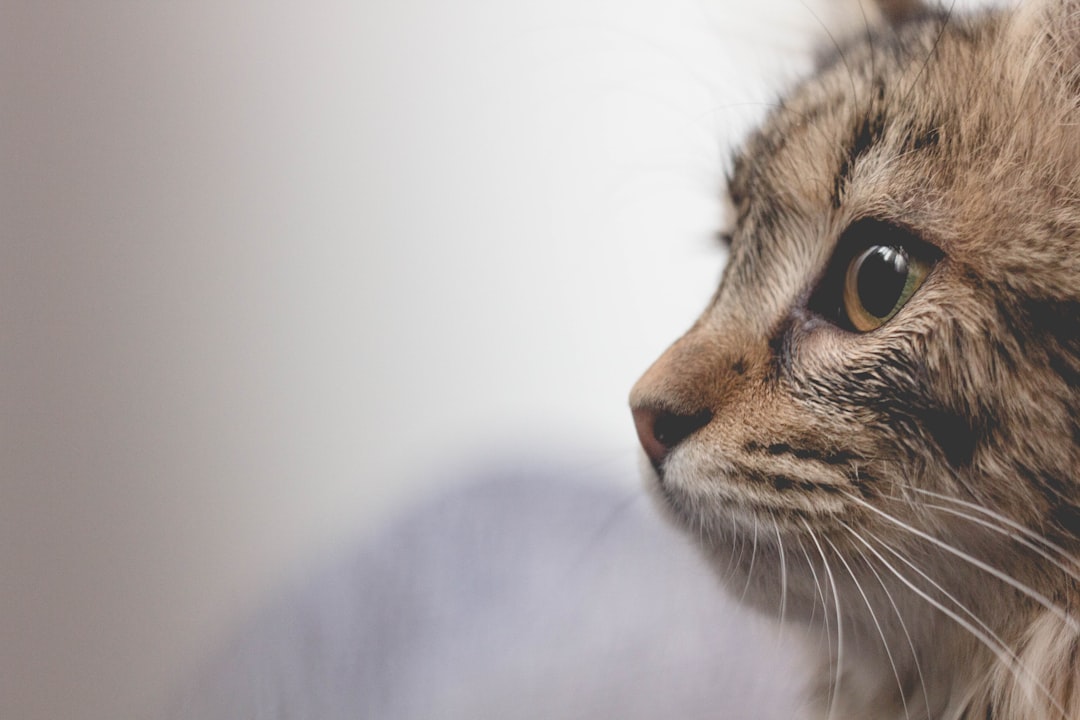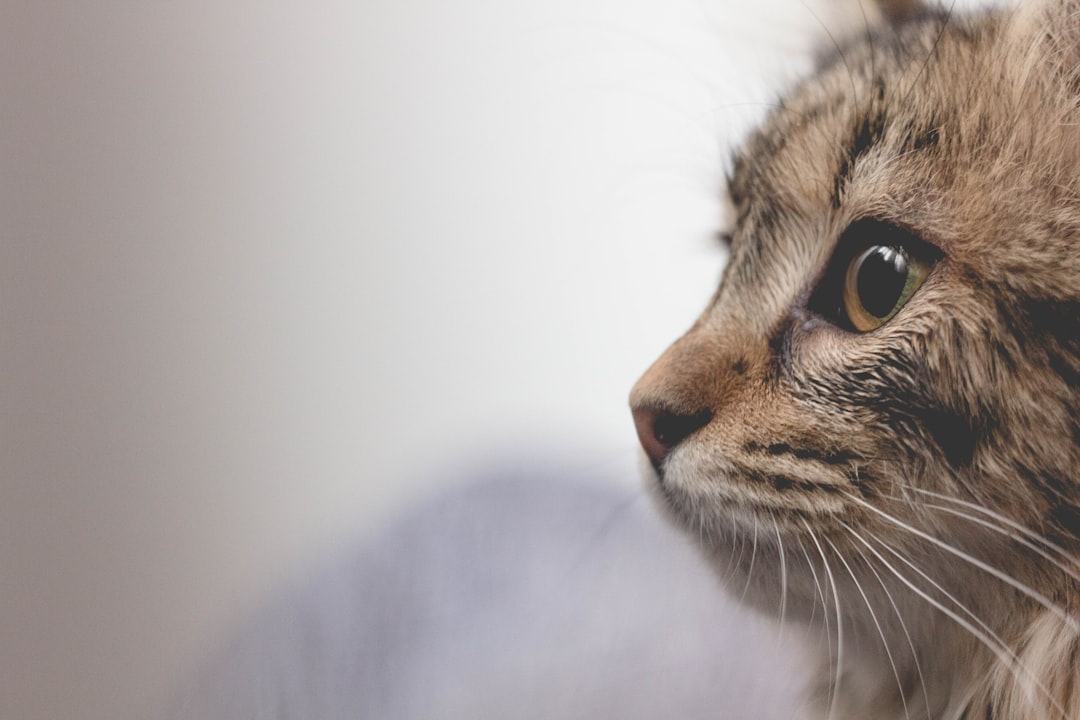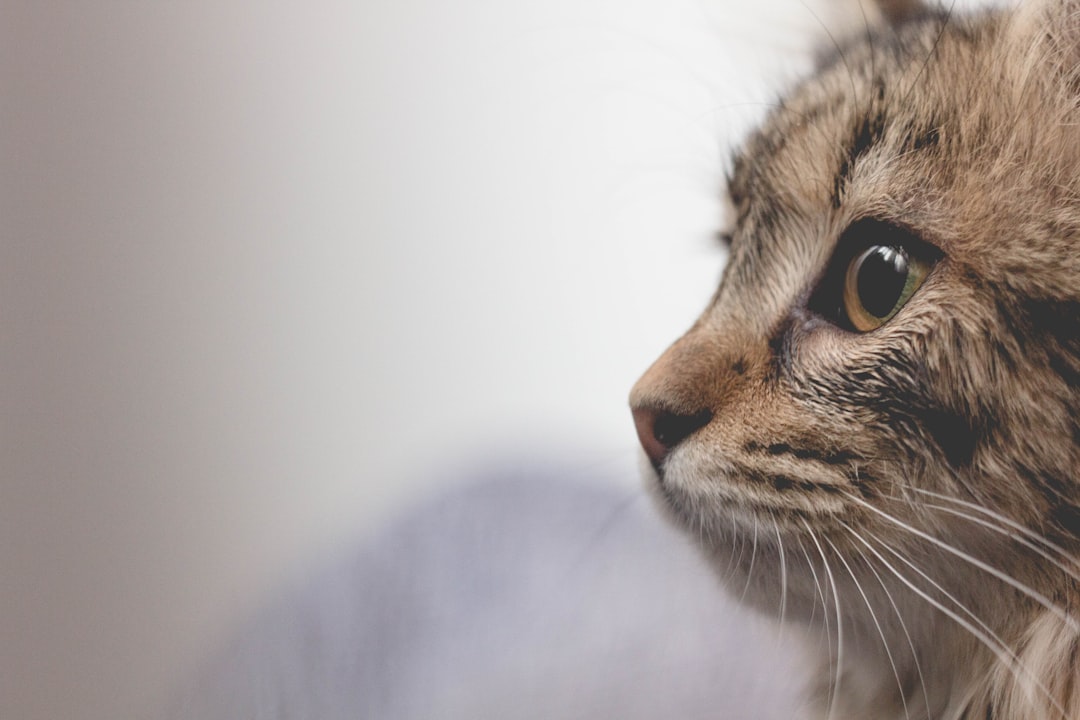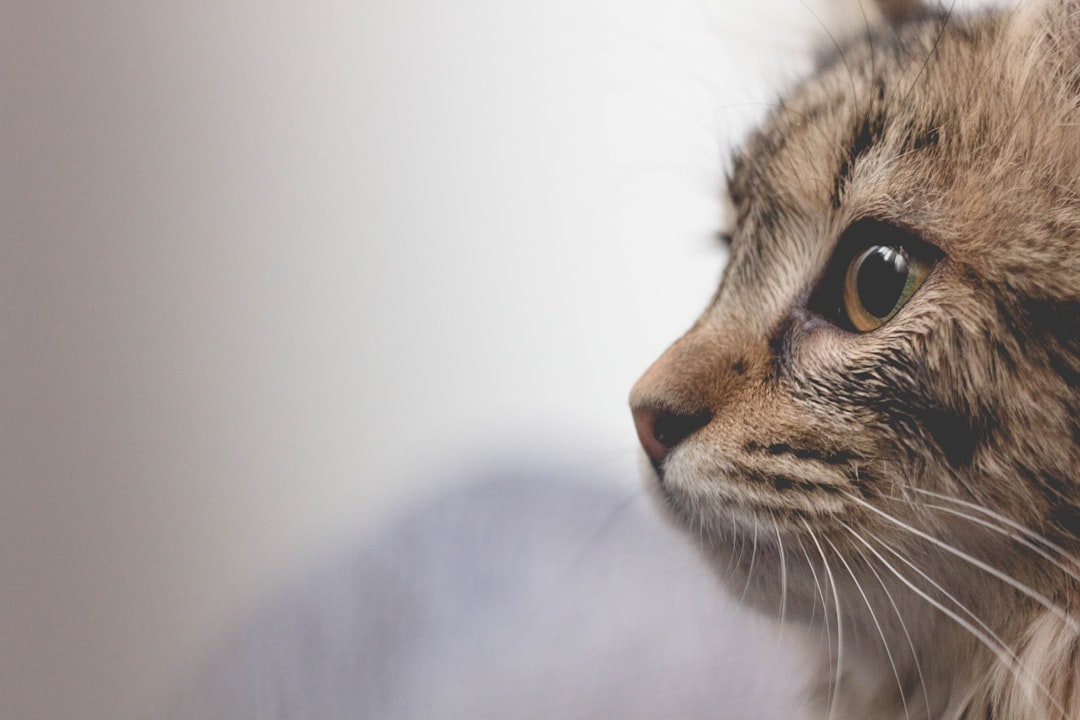
How Do I Keep My Cat Entertained for Hours? Tested Methods

How Do I Keep My Cat Entertained for Hours?

Cats, despite their reputation for being aloof, need plenty of mental and physical stimulation to stay happy and healthy. An entertained cat is less likely to develop behavioral issues like destructive scratching or excessive meowing. As a dedicated cat owner, I’ve spent years figuring out the best ways to keep my feline companions amused. This article shares tried-and-true methods to keep your cat entertained for hours.

What toys do cats love the most?

Cats generally love toys that mimic prey, such as wand toys with feathers or streamers, small stuffed mice, and toys that crinkle or make noise. The key is to rotate the toys and keep play sessions interactive rather than leaving the cat to play alone.

Interactive Toys That Hold Their Attention

Interactive cat toys are a fantastic way to keep your cat entertained for extended periods. Unlike static toys, these require your cat to actively engage, stimulating their natural hunting instincts and providing mental enrichment.

What are the best interactive toys for solitary play?

For solitary play, consider puzzle feeders that dispense treats as your cat interacts with them, automated laser pointers that move randomly, or even a simple catnip-filled sock for them to wrestle with.

Puzzle Feeders: A Treat-Dispensing Challenge

Puzzle feeders challenge your cat to solve a problem to get a treat. These come in various forms, from simple rollers that dispense kibble as they’re nudged to more complex puzzles that require your cat to slide levers or rotate sections. I’ve found that puzzle feeders not only keep my cats entertained but also slow down their eating, which is beneficial for digestion. For multi-cat households, consider microchip feeders to prevent food stealing.

Testing Notes: Start with an easy puzzle and gradually increase the difficulty as your cat gets the hang of it. Place the puzzle in a quiet area where your cat won’t be disturbed.

Automated Laser Pointers: Chasing the Elusive Dot

A laser pointer can provide endless entertainment for cats. Automated versions move the laser dot randomly across the floor and walls which can keep a cat engaged for a long time. Just remember to end each session by pointing the laser at a physical toy so your cat can “catch” its prey. I have found that this prevents frustration. The GPS Trackers for Cats: Best Options and How They Work can help track your cat’s movements if they escape during playtime.

Safety Note: Never shine the laser pointer directly into your cat’s eyes.

Motion Activated Toys: Reactive Fun

There are many motion activated toys on the market today. From small balls that move when your cat walks by to larger toys with wands that automatically swing around. These toys can draw your cat’s attention, even when you are not around.

Enrichment Ideas to Bust Boredom

Environmental enrichment goes beyond toys; it involves making your cat’s surroundings more stimulating and engaging. This can include creating climbing spaces, providing scratching surfaces, and offering a view of the outdoors.

How do I create a stimulating environment for my cat indoors?

You can create a stimulating environment by adding cat trees, window perches, scratching posts, and rotating toys regularly. Providing a safe outdoor space, like a catio, can also significantly enrich their lives.

Cat Trees and Climbing Structures: Vertical Exploration

Cats love to climb, and a cat tree provides a safe and designated space for them to do so. Choose a cat tree that is tall and sturdy, with multiple levels, scratching posts, and hiding spots. Position the cat tree near a window for added entertainment. If you have limited space, wall-mounted cat shelves can provide a similar climbing experience. For those with more than one cat, consider options covered on the Best Cat Trees for Small Apartments guide.

Testing Notes: Introduce the cat tree gradually, using treats and catnip to encourage your cat to explore it. Make sure the base is stable to prevent tipping.

Window Perches: A View to the Outside World

Cats are naturally curious and enjoy watching the world go by. A window perch provides a comfortable spot for your cat to observe birds, squirrels, and other outdoor activities. Choose a sturdy perch that can be securely attached to the window. Heated window perches are a great option in colder climates, especially useful for older cats, find great options on the Best Orthopedic Cat Beds for Senior Cats article.

DIY Tip: If you’re handy, you can build your own window perch using plywood and brackets. Add a soft cushion for extra comfort.

Scratching Posts: Satisfying Natural Instincts

Scratching is a natural behavior for cats, and providing appropriate scratching surfaces can prevent them from scratching furniture. Offer a variety of scratching posts, including vertical posts, horizontal mats, and angled scratchers. Place the scratching posts in prominent locations, such as near sleeping areas or doorways.

Playtime Strategies for Maximum Engagement

Even with the best toys and enrichment, nothing beats interactive playtime with you. Regular playtime sessions will strengthen your bond with your cat and provide crucial exercise.

How often should I play with my cat?

Aim for at least two 15-20 minute play sessions per day. Younger cats may require more playtime, while older cats may prefer shorter, more frequent sessions.

Wand Toys: The Ultimate Interactive Experience

Wand toys, also known as teaser wands or fishing pole toys, are a must-have for interactive playtime. The wand allows you to mimic the movements of prey, enticing your cat to chase, pounce, and capture. Experiment with different attachments, such as feathers, streamers, or stuffed mice, to keep your cat interested. Many people combine the stimulation of wand toys and catnip. However, if your cat has stress or anxiety seek solutions found on the Best Cat Carriers Anxious Cats page before introducing the highly stimulating catnip.

Playtime Tip: Vary the speed and direction of the wand to keep your cat guessing. End each session with a “capture” to satisfy your cat’s hunting instinct.

Rotating Toys: Keeping Things Fresh

Cats can quickly become bored with the same old toys. Keep them engaged by rotating their toys regularly. Put away some toys and bring out others every few days to keep things fresh and exciting. This is particularly helpful if your cat has destructive behaviors.

DIY Cat Toys on a Budget

You don’t have to spend a fortune to keep your cat entertained. Many household items can be repurposed into fun and engaging toys.

What are some easy DIY cat toys I can make at home?

Simple DIY toys include cardboard boxes, toilet paper rolls, and crumpled paper balls. You can also make a feather wand using a dowel rod, string, and feathers. Get more involved with other DIY Enrichment options on the Best Cat Scratching Posts That Cats Actually Use list.

Cardboard Boxes: The Classic Cat Hideaway

Cardboard boxes are a simple yet effective way to entertain cats. Cats love to explore, hide, and nap in boxes. Cut holes in the sides of the box to create a maze, or stack multiple boxes to create a multi-level play area. For multi cat households this cheap and simple solution will provide hours of entertainment. Reduce conflict between cats in your home with information found on How to Feed Multiple Cats Without Fighting page.

Safety Note: Remove any staples or tape from the box to prevent injury.

Toilet Paper Rolls: A Versatile Toy

Toilet paper rolls can be used in a variety of ways to entertain cats. Cut slits in the roll and fold in the ends to create a treat dispenser, or crumple it up into a ball for your cat to chase. For older cats consider more mild stimulation found on the Best Low-Entry Litter Boxes for Arthritic Senior Cats.

The Importance of Consistency

Keeping your cat entertained isn’t a one-time task; it’s an ongoing commitment. Consistency is key to preventing boredom and behavioral issues.

How do I maintain a consistent enrichment routine?

Schedule regular playtime sessions, rotate toys frequently, and provide a stimulating environment. Observe your cat’s behavior and adjust your routine as needed to keep them engaged.

Conclusion: A Happy Cat is an Entertained Cat

Keeping your cat entertained for hours is achievable with the right combination of interactive toys, environmental enrichment, and playtime strategies. By understanding your cat’s individual preferences and providing a stimulating environment, you can ensure their physical and mental well-being. Remember, a happy cat is an entertained cat.
Do Puzzle Feeders Help Cats? Benefits and How to Use Them

Do Puzzle Feeders Help Cats?

Yes, puzzle feeders can significantly help cats by providing mental stimulation, slowing down eating, and encouraging natural foraging behaviors. They turn mealtime into a fun activity, which can reduce boredom and prevent overeating. They are particularly useful for indoor cats who might not have as many opportunities to hunt and explore.

What are the Benefits of Puzzle Feeders for Cats?

Puzzle feeders offer a range of benefits that can improve your cat’s physical and mental well-being. Here’s why many cat owners are now incorporating them into their feeding routines:

Mental Stimulation and Enrichment

Puzzle feeders challenge your cat’s problem-solving skills, providing crucial mental stimulation. This is especially important for indoor cats, who can easily become bored and may develop destructive behaviors as a result.

Slows Down Fast Eaters

Many cats tend to gulp down their food too quickly, which can lead to digestive issues, vomiting, and even bloat. Puzzle feeders dispense food gradually, encouraging your cat to eat at a slower pace. This can improve digestion and reduce the likelihood of digestive upset.

Encourages Natural Foraging Behaviors

In the wild, cats spend a significant amount of time hunting for their food. Puzzle feeders tap into these natural instincts, allowing your cat to “hunt” for their meal. This can make feeding time more engaging and satisfying.

Weight Management

By slowing down eating and providing a fun activity, puzzle feeders can help with weight management. They prevent your cat from overeating in one sitting and encourage them to be more active throughout the day.

Reduces Anxiety and Boredom

Puzzle feeders can provide a welcome distraction for cats who suffer from anxiety or boredom. The mental stimulation and challenge of solving the puzzle can help to alleviate stress and prevent destructive or unwanted behaviors.

What Types of Puzzle Feeders are Available for Cats?

There are many different types of puzzle feeders available, ranging from simple to complex. Here are a few popular options:

Stationary Puzzle Feeders

These feeders remain in one place and require your cat to use their paws and nose to manipulate the feeder and release the food. Examples include feeders with sliding compartments, spinning components, or hidden compartments.

Mobile Puzzle Feeders

These feeders are designed to be batted around by your cat, dispensing food as they roll. They encourage your cat to be more active and provide a fun, interactive feeding experience.

Hunting Feeders

Hunting feeders allow you to hide multiple small feeders around your house to simulate hunting. This encourages your cat to explore and stay active as they search for their meals.

Combination Feeders

Many puzzle feeders combine different elements, such as a stationary base with a mobile component. These feeders offer a variety of challenges for your cat and can keep them engaged for longer periods of time.

How to Introduce a Puzzle Feeder to Your Cat

Introducing a puzzle feeder to your cat requires patience and a gradual approach. Here’s a step-by-step guide:

Start with an Easy Puzzle

Begin with a puzzle feeder that is relatively easy for your cat to solve. You want to ensure that they can successfully retrieve food from the feeder without becoming frustrated.

Make it Rewarding

Initially, make the puzzle feeder very rewarding by filling it with your cat’s favorite treats or kibble. This will help to create a positive association with the feeder.

Show Your Cat How it Works

Demonstrate how the puzzle feeder works by manipulating it yourself. Show your cat how to move the components to release the food. You can also guide their paws or nose to help them understand the mechanism.

Gradually Increase the Difficulty

As your cat becomes more comfortable with the puzzle feeder, gradually increase the difficulty. You can switch to more complex feeders or reduce the amount of food that is easily accessible.

Supervise the Initial Sessions

Monitor your cat during the first few sessions to ensure that they are not becoming frustrated or overwhelmed. If they seem to be struggling, provide guidance and encouragement.

Be Patient

Some cats may take longer to adjust to puzzle feeders than others. Be patient and continue to offer encouragement and rewards. Eventually, most cats will come to enjoy the challenge and mental stimulation that puzzle feeders provide.

What to Consider When Choosing a Puzzle Feeder

Choosing the right puzzle feeder depends on your cat’s personality, skill level, and preferences. Here are some factors to consider:

Difficulty Level

Choose a puzzle feeder that matches your cat’s current skill level. If your cat is new to puzzle feeders, start with an easy option and gradually increase the difficulty as they become more confident.

Material and Durability

Opt for puzzle feeders made from durable, non-toxic materials that can withstand your cat’s play. Avoid feeders with small, detachable parts that could be a choking hazard.

Ease of Cleaning

Choose a puzzle feeder that is easy to disassemble and clean. This will help to prevent the buildup of bacteria and ensure that the feeder remains hygienic.

Size and Capacity

Consider the size and capacity of the puzzle feeder. Choose a feeder that can hold enough food for a meal or snack, but is not so large that it becomes overwhelming for your cat.

Cat’s Personality

Take your cat’s personality into account when selecting a puzzle feeder. Some cats enjoy a challenge, while others prefer simpler options. Observe your cat’s behavior and choose a feeder that is likely to engage their interest.

Potential Drawbacks of Puzzle Feeders

While puzzle feeders offer many benefits, there are also a few potential drawbacks to consider:

Frustration

If a puzzle feeder is too difficult, it can lead to frustration and anxiety in some cats. It’s important to start with an easy puzzle and gradually increase the difficulty as your cat becomes more comfortable.

Hygiene

Puzzle feeders need to be cleaned regularly to prevent the buildup of bacteria. Some feeders can be difficult to disassemble and clean thoroughly, so choose a model that is easy to maintain.

Cost

Puzzle feeders can range in price from relatively inexpensive to quite costly. Consider your budget and choose a feeder that offers good value for money.

May Not Work for All Cats

Not all cats enjoy puzzle feeders. Some cats may simply prefer to eat from a traditional bowl. If your cat shows no interest in a puzzle feeder, don’t force it. There are other ways to enrich your cat’s life, such as interactive toys and playtime.

Best Puzzle Feeders for Cats: Our Top Picks

Here are a few of our favorite puzzle feeders for cats, each with its own unique features and benefits:

Trixie Activity Fun Board

The Trixie Activity Fun Board features multiple challenges, including balls to bat, tunnels to explore, and compartments to slide open. It’s a great option for cats who enjoy variety and mental stimulation. The Activity Fun Board is designed to challenge your cats, build their intelligence, and stimulate their natural instincts.

Catit Senses 2.0 Digger

The Catit Senses 2.0 Digger encourages your cat to dig for their food, stimulating their natural foraging instincts. The Digger has multiple tubes of different lengths that reward your cat for pawing at them. The narrow design is easy to clean and stable enough to hold up to any cat’s enthusiasm.

Doc & Phoebe’s Indoor Hunting Feeder

Doc & Phoebe’s Indoor Hunting Feeder Set is one of our favorites! What is better than two interactive toys? This system is designed for cats who like to hunt. The product includes multiple interactive toys. Your cat will spend time hunting their food around your house.

Alternatives to Puzzle Feeders

If your cat doesn’t take to puzzle feeders, or if you’re looking for additional ways to enrich their life, here are some alternatives:

Interactive Toys

Interactive toys, such as feather wands, laser pointers, and toy mice, can provide hours of entertainment for your cat. These toys encourage your cat to be active and engage their hunting instincts.

Catnip Toys

Catnip toys are a great way to provide mental stimulation and relaxation for your cat. Many cats enjoy playing with catnip toys and will roll around, rub against them, and even nibble on them.

Climbing Structures

Climbing structures, such as cat trees and shelves, allow your cat to explore their environment and satisfy their natural climbing instincts. These structures provide a safe and stimulating space for your cat to exercise and relax.

Window Perches

Window perches give your cat a comfortable spot to observe the world outside. Many cats enjoy watching birds, squirrels, and other wildlife from the safety of their home.

Conclusion

Puzzle feeders can provide numerous benefits for cats, from mental stimulation to improved digestion and weight management. By choosing the right puzzle feeder and introducing it gradually, you can enrich your cat’s life and enhance their overall well-being. Whether you opt for a stationary puzzle feeder, a mobile dispenser, or a combination of both, puzzle feeders can transform mealtime into a fun and engaging activity for your feline friend.

What Is the Best Puzzle Feeder for Cats? Top-Rated Picks

What Is the Best Puzzle Feeder for Cats?

As a cat owner, you’re always looking for ways to enrich your cat’s life and keep them entertained. Puzzle feeders are a fantastic solution! These interactive feeders challenge your cat to ‘hunt’ for their food, providing mental stimulation and preventing boredom. But with so many options available, how do you choose the best puzzle feeder for your feline friend?

I’ve put together a comprehensive guide to help you navigate the world of cat puzzle feeders. I tested several and evaluated them based on factors like durability, ease of cleaning, level of difficulty, and, most importantly, how much my cats enjoyed them. Let’s dive in!

What is a puzzle feeder for cats?

A puzzle feeder is a type of feeding bowl or device that presents your cat’s food in a way that requires them to use their problem-solving skills to access it. Instead of simply eating from a bowl, your cat has to manipulate the feeder – by swatting, digging, or nudging – to release the food. Check out how puzzle feeders can benefit your feline friend!

Top-Rated Puzzle Feeders for Cats: Reviewed

Here are some of the best puzzle feeders I’ve had my cats try along with their pros and cons.

Nina Ottosson by Outward Hound – Buggin’ Out Puzzle Toy

The Nina Ottosson Buggin’ Out Puzzle Toy is an interactive toy with multiple treat-hiding compartments that encourages your cat to use its natural hunting instincts.

Nina Ottosson Buggin' Out Puzzle Toy

  • Level of Difficulty: 2
  • Material: Plastic

Pros:

  • Engaging design with multiple compartments to keep cats entertained
  • Helps slow down eating and prevents boredom
  • Easy to clean.

Cons:

  • Some cats may quickly solve the puzzle, reducing its long-term appeal
  • The plastic material may not be as durable as other options
  • Some small pieces of the puzzle may be removed or broken with aggressive use.

Like a cat tree, this puzzle is great for mental stimulation. Check the current price on Amazon.

Trixie Pet Products Mad Scientist Turn Around Activity Game

The Trixie Pet Products Mad Scientist Turn Around Activity Game is designed to stimulate your cat’s mind by requiring them to solve puzzles to get to the treats.

Trixie Pet Products Mad Scientist Turn Around Activity Game

  • Level of Difficulty: 2
  • Material: Plastic

Pros:

  • Encourages problem-solving skills.
  • Offers variety with different puzzle elements.
  • Sturdy base to prevent tipping.

Cons:

  • May be too challenging for some cats
  • Small parts may be a choking hazard if broken
  • Requires frequent cleaning to prevent buildup.

Catit Senses 2.0 Food Tree

The Catit Senses 2.0 Food Tree is a feeding solution that challenges cats to work for their food, promoting slower eating and mental stimulation.

Catit Senses 2.0 Food Tree

  • Level of Difficulty: 1-2
  • Material: BPA-Free Plastic

Pros:

  • Encourages slower eating, aiding digestion and preventing overeating
  • Engages cats mentally and physically
  • Easy to disassemble and clean.

Cons:

  • May not hold a large amount of food
  • Some cats may figure out the puzzle quickly, reducing its engagement
  • Plastic material may not be as durable as other options.

Doc and Phoebe’s Indoor Hunting Cat Feeder

Doc and Phoebe’s Indoor Hunting Cat Feeder comprises multiple small feeders that allow cats to hunt for food in a more natural way.

Doc and Phoebe's Indoor Hunting Cat Feeder

  • Level of Difficulty: 1
  • Material: Fabric “mice” and plastic feeders

Pros:

  • Mimics a natural hunting behavior
  • Encourages activity and reduces boredom
  • Suitable for cats of all ages and sizes.

Cons:

  • Requires more maintenance due to multiple feeders
  • The fabric “mice” may need to be replaced over time
  • Not suitable for wet food.

PetSafe Funkitty Egg-Cersizer Interactive Cat Toy and Food Dispenser

The PetSafe Funkitty Egg-Cersizer Interactive Cat Toy and Food Dispenser provides a playful way for cats to exercise their hunting instincts while dispensing food or treats.

PetSafe Funkitty Egg-Cersizer Interactive Cat Toy and Food Dispenser

  • Level of Difficulty: 1
  • Material: Plastic

Pros:

  • Provides mental and physical stimulation
  • Adjustable openings to control difficulty
  • Easy to fill and clean.

Cons:

  • May be noisy on hard floors
  • Small food particles may fall out
  • Not suitable for all types of food.

Benefits of Using Puzzle Feeders for Cats

Puzzle feeders offer a variety of benefits that can improve your cat’s overall well-being. Here’s a closer look:

Mental Stimulation

Cats are intelligent creatures who need mental challenges to stay happy and healthy. Puzzle feeders provide that stimulation by engaging their problem-solving skills. When your cat has to figure out how to access their food, they’re exercising their brain, which can help prevent boredom and cognitive decline.

Slower Eating and Better Digestion

Many cats tend to eat too quickly, which can lead to digestive issues like vomiting or bloating. Puzzle feeders slow down the eating process, allowing your cat to properly digest their food and absorb nutrients more effectively. This can also help prevent overeating, which contributes to weight gain.

Weight Management

Obesity is a common problem in cats, and it can lead to a variety of health issues like diabetes and joint problems. Puzzle feeders can help with weight management by making your cat work for their food, which burns calories. Additionally, the slower eating pace can help your cat feel full sooner, preventing them from overeating.

Reduction of Behavioral Problems

Boredom and lack of stimulation can lead to behavioral problems in cats, such as destructive scratching or excessive meowing. By providing mental and physical enrichment through puzzle feeders, you can help reduce these unwanted behaviors and keep your cat entertained and satisfied.

How to Choose the Right Puzzle Feeder for Your Cat

Selecting the right puzzle feeder for your cat is essential for ensuring that they enjoy the experience and reap the benefits. Here are some factors to consider:

Difficulty Level

Puzzle feeders come in a range of difficulty levels, from simple designs that require minimal effort to complex puzzles that challenge even the smartest cats. Start with an easier puzzle and gradually increase the difficulty as your cat becomes more proficient.

Material and Durability

Choose a puzzle feeder made from durable, non-toxic materials that can withstand your cat’s play. Plastic is a common option, but be sure to select BPA-free plastic that’s safe for your cat. Ceramic and stainless steel are other durable choices, though they may be more expensive.

Ease of Cleaning

Look for a puzzle feeder that’s easy to disassemble and clean. Cats are sensitive to odors, so it’s important to keep their feeder clean to prevent them from being turned off by it. Dishwasher-safe feeders are especially convenient.

Cat’s Personality and Preferences

Consider your cat’s personality and preferences when choosing a puzzle feeder. Some cats enjoy batting and swatting at their toys, while others prefer to dig and explore. Choose a puzzle feeder that appeals to your cat’s natural instincts and play style. For anxious cats, a calming cat bed and puzzle toy might be great to keep them soothed.

Size and Capacity

Make sure to choose a puzzle feeder that’s the right size for your cat and can hold an appropriate amount of food. If you have multiple cats, you may need to provide multiple feeders to prevent competition.

Tips for Introducing Puzzle Feeders to Your Cat

Introducing puzzle feeders to your cat may require some patience and encouragement. Here are some tips to help make the transition smooth:

Start Simple

Begin with a simple puzzle feeder that’s easy for your cat to solve. This will help them build confidence and associate the feeder with positive experiences.

Use High-Value Treats

Lure your cat to the puzzle feeder with high-value treats that they find irresistible. This will motivate them to interact with the feeder and figure out how to access the treats.

Show Them How It Works

Demonstrate how the puzzle feeder works by manipulating it yourself and showing your cat how the food is released. You can also guide their paws or nose to help them understand the mechanism.

Be Patient

Some cats may take longer to adjust to puzzle feeders than others. Be patient and offer plenty of encouragement. Don’t force your cat to use the feeder if they’re hesitant, but continue to offer it as an option.

Supervise Their Play

Supervise your cat when they’re first using a puzzle feeder to ensure that they don’t get frustrated or discouraged. If they seem to be struggling, offer some assistance and encouragement.

For more ways to pamper your kitty, check out the Cat Enrichment center.

Conclusion

Puzzle feeders are a fantastic way to enrich your cat’s life by providing mental stimulation, slowing down eating, aiding in weight management, and reducing problem behaviors. By choosing the right puzzle feeder for your cat and introducing it gradually, you can help your feline friend stay happy, healthy, and entertained for years to come. So, what are you waiting for? Treat your cat to a puzzle feeder today and watch them unleash their inner hunter!

Is Hemp or Sisal Better for Cats? Scratching Post Showdown

Is Hemp or Sisal Better for Cats? The Great Scratching Post Debate

If you’re on the hunt for a new scratching post or cat tree for your feline friend, you’ve probably encountered the materials hemp and sisal. Both are popular choices for cat scratching surfaces, but which one is truly better? As a dedicated cat owner, I’ve done the research and put both materials to the test, and I’m here to share my findings.

Hemp vs. Sisal: A Quick Overview

Hemp and sisal are natural fibers that offer a satisfying texture for cats to sink their claws into. However, they differ in durability, safety, and environmental impact. Let’s dive into the details.

What is Sisal?

Sisal is a natural fiber derived from the Agave sisalana plant, a type of agave native to Mexico. It’s a tough, durable material commonly used in rope, twine, rugs, and, of course, cat scratching posts.

Is sisal safe for cats to scratch?

Yes, sisal is generally safe for cats to scratch. However, it’s crucial to ensure the sisal is untreated with chemicals or dyes that could be harmful if ingested.

What is Hemp?

Hemp is a natural fiber derived from the Cannabis sativa plant. Unlike its cousin marijuana, hemp contains only trace amounts of THC, the psychoactive compound. Hemp fibers are strong, durable, and environmentally friendly.

Is hemp safe for cats to scratch?

Yes, hemp is safe for cats to scratch. It’s a natural, non-toxic material that poses no health risks to your feline companion. In fact, hemp is often considered a more sustainable and eco-friendly option than sisal.

Hemp vs. Sisal for Cats: A Detailed Comparison

Let’s compare hemp and sisal across several key factors to determine which material is best suited for your cat’s scratching needs.

Durability: Which material lasts longer?

Sisal: Sisal is known for its toughness and resistance to wear and tear. It can withstand a lot of scratching and clawing before showing signs of damage.

Hemp: Hemp is also a durable fiber, but it may not be quite as resilient as sisal. However, high-quality hemp can still offer excellent longevity.

Verdict: Sisal has a slight edge in terms of pure durability, but both materials are generally long-lasting.

Texture: Which scratching surface do cats prefer?

Sisal: Sisal has a coarse, rough texture that many cats find highly appealing. It provides a satisfying resistance as they sink their claws in.

Hemp: Hemp has a softer, slightly less abrasive texture compared to sisal. Some cats may prefer this gentler feel, while others may find it less stimulating.

Verdict: This is subjective and depends on your cat’s individual preferences. Offer both options if possible!

Safety: Are there any risks associated with either material?

Sisal: While generally safe, sisal can pose a risk if your cat ingests large amounts of the fibers. This could lead to digestive issues or blockages. Always supervise your cat when they’re using a sisal scratching post, especially if they’re prone to chewing.

Hemp: Hemp is considered very safe for cats. It’s non-toxic and less likely to cause digestive problems if ingested in small amounts.

Verdict: Hemp has a slight advantage in terms of overall safety, especially for cats who like to chew.

Environmental Impact: Which material is more sustainable?

Sisal: Sisal production can have some negative environmental impacts, including deforestation and the use of pesticides and herbicides. However, some sisal farms are adopting more sustainable practices.

Hemp: Hemp is a highly sustainable crop that requires little to no pesticides or herbicides. It also grows quickly and efficiently, making it a more eco-friendly option than sisal.

Verdict: Hemp is the clear winner in terms of environmental sustainability.

Aesthetics: Which material looks better in your home?

Sisal: Sisal typically has a natural, earthy tone that blends well with many home decor styles.

Hemp: Hemp can have a similar look to sisal, but it may also come in a wider range of colors and textures depending on how it’s processed.

Verdict: This is subjective and depends on your personal preferences. Both materials can be aesthetically pleasing.

Pros and Cons of Sisal Scratching Posts

Pros:

  • Highly durable and long-lasting
  • Provides a satisfyingly rough texture for scratching
  • Generally affordable and readily available

Cons:

  • Can pose a digestive risk if ingested in large amounts
  • May be treated with chemicals or dyes
  • Less environmentally sustainable than hemp

Pros and Cons of Hemp Scratching Posts

Pros:

  • Safe and non-toxic for cats
  • Highly sustainable and eco-friendly
  • May offer a gentler texture that some cats prefer

Cons:

  • May not be as durable as sisal
  • Can be more expensive than sisal
  • Not as widely available as sisal

How to Choose the Best Scratching Post for Your Cat: A Buyer’s Guide

Now that you know the pros and cons of hemp and sisal, here are some tips for choosing the best scratching post for your feline friend:

Consider your cat’s preferences.

Does your cat prefer a rough or a softer scratching surface? Do they like to stretch out while scratching, or do they prefer a vertical post? Observe your cat’s scratching habits to get a better sense of what they like.

Look for a sturdy and stable post.

A wobbly or unstable scratching post can be dangerous for your cat. Make sure the post is well-constructed and has a solid base.

Choose a safe and non-toxic material.

Whether you opt for hemp or sisal, make sure the material is untreated with harmful chemicals or dyes.

Consider the size and height of the post.

The scratching post should be tall enough for your cat to fully stretch out while scratching. If you have a larger cat, you’ll need a taller post.

Think about the aesthetics.

While your cat’s preferences are the priority, you also want a scratching post that looks good in your home. Choose a style and color that complements your decor. Check out this cat enrichment article for some additional ideas.

Alternative Scratching Post Materials

While sisal and hemp are popular, they aren’t the only options. Here are a few others:

  • Cardboard: Inexpensive and cats love it. The downside is that it can be messy.
  • Carpet: Avoid carpet as cats might mistake your home carpet as a scratching post. Use natural rugs instead.
  • Wood: Some specialty cat trees use wood, but this is not usually a good solution.

The Bottom Line: Which Material is Better?

So, is hemp or sisal better for cats? Ultimately, the best material depends on your cat’s individual preferences, your budget, and your environmental values. However, a good senior cat might prefer hemp, as it is a more gentle material.

If you’re looking for a durable and affordable option, sisal is a great choice. However, if you prioritize safety and sustainability, hemp is the way to go.

No matter which material you choose, make sure to provide your cat with a scratching post that meets their needs and encourages healthy scratching behavior. Consult your vet if you have any concerns about your cat’s scratching habits or their overall health.

What is the Most Durable Cat Scratching Post? (2026 Guide)

What is the Most Durable Cat Scratching Post?

The most durable cat scratching post is typically one made with a thick, solid wood base, a sturdy sisal rope or carpet scratching surface, and a stable design that won’t easily tip over. Cats need to scratch to maintain their claws and mark their territory, so providing a long-lasting, durable scratching post is essential for a happy cat and intact furniture.

As a fellow cat owner, I know the frustration of constantly replacing flimsy scratching posts. My cats, Whiskers and Mittens, are determined scratchers, and many posts simply don’t hold up to their daily use. So, I’ve done the research and testing to find the most durable options on the market. In this guide, I’ll share what I’ve learned and recommend some top picks that will withstand even the most enthusiastic scratching.

Why is durability important in a cat scratching post?

Durability in a cat scratching post is crucial because it saves you money in the long run, reduces waste, and ensures your cat always has a reliable outlet for their scratching needs. A flimsy post that falls apart quickly can be dangerous for your cat, and it’s also a hassle to constantly clean up the mess and replace it.

Here’s why durability matters:

  • Cost-effective: Durable posts last longer, reducing the need for frequent replacements.
  • Safety: Sturdy construction prevents tipping and collapsing, ensuring your cat’s safety.
  • Environmental impact: Less frequent replacements mean less waste.
  • Consistency: A reliable post provides a consistent scratching surface for your cat.

What materials make a cat scratching post durable?

Several materials contribute to the durability of a cat scratching post. The most important are the base material, the scratching surface, and the overall construction.

  • Solid Wood Base: A heavy, solid wood base provides stability and prevents the post from tipping over. Look for hardwoods like oak or maple.
  • Sisal Rope: Sisal rope is a natural fiber that is incredibly durable and satisfying for cats to scratch. Choose posts with thick, tightly wound sisal rope.
  • Carpet: Some posts use carpet as a scratching surface. Look for posts with durable, tightly woven carpet that won’t easily shred.
  • Solid Construction: The post should be securely attached to the base, and all components should be well-made and designed to withstand wear and tear.

What design features contribute to scratching post longevity?

Beyond the materials, certain design features can significantly impact the longevity of scratching posts. Here are a few key features to consider:

  • Height: A tall post allows your cat to stretch fully while scratching, which is important for muscle health. Look for posts that are at least 32 inches tall.
  • Stability: A wide, heavy base is essential to prevent the post from tipping over during vigorous scratching sessions.
  • Replaceable Parts: Some scratching posts have replaceable scratching surfaces. This can extend the life of the post, as you only need to replace the worn part, not the entire thing.
  • Multiple Scratching Surfaces: Posts with both vertical and horizontal scratching surfaces can cater to your cat’s different scratching preferences.

Top Picks for the Most Durable Cat Scratching Posts

Based on my research and testing, here are my top recommendations for the most durable cat scratching posts available:

SmartCat Ultimate Scratching Post

The SmartCat Ultimate Scratching Post is a classic for a reason. It features a sturdy wooden base and a sisal-covered post that can withstand years of scratching. The height is ideal for most cats, allowing them to stretch fully.

Pros:

  • Extremely durable sisal
  • Stable base
  • Tall enough for cats to stretch

Cons:

  • Simple design might not appeal to all cats
  • Not replaceable sisal

Check current price on Amazon

PetFusion Ultimate Cat Scratcher Lounge

While not a traditional post, the PetFusion Ultimate Cat Scratcher Lounge is incredibly popular and durable. It’s made from recycled cardboard, which cats love, and the unique design provides multiple scratching angles. This is featured as one of our choices for best cat scratching posts.

Pros:

  • Durable cardboard construction
  • Multiple scratching angles
  • Appeals to many cats

Cons:

  • Cardboard can shed
  • Not as tall as a traditional post

Check current price on Amazon

4CLAWS Curve Wave Scratcher

Another cardboard option, the 4CLAWS Curve Wave Scratcher offers a unique curved design that cats find appealing. It’s made from dense cardboard and is surprisingly durable.

Pros:

  • Unique curved design
  • Durable cardboard
  • Reversible for extended use

Cons:

  • Cardboard can shed over time
  • Not as stable as some other options

Check current price on Amazon

Pioneer Pet SmartCat Pioneer Pet Tigga Tower

This Tigga Tower by Pioneer Pet is a great way to give your cat scratching options in a small space. It has a sturdy build.

Pros:

  • Easy to assemble.
  • Small footprint keeps the Tigga Tower from taking up too much room.
  • Durable construction.

Cons:

  • Sisal fabric can fray requiring clean up.

Check current price on Amazon

Frisco 36-in Sisal Cat Scratching Post

Available at Chewy, the Frisco 36-in Sisal Cat Scratching Post is a traditional scratching post design. It’s tall enough for most cats to fully stretch and made well.

Pros:

  • Tall.
  • Traditional design that most cats will take to.
  • Easy to place in any room.

Cons:

  • Not the most interesting design.

Check current price Chewy

How to Encourage Your Cat to Use Their Scratching Post

Even the most durable scratching post won’t be effective if your cat doesn’t use it! Here are some tips to encourage your cat to scratch appropriately:

  • Place the post strategically: Put the scratching post near your cat’s favorite spots, such as their sleeping area or near furniture they like to scratch.
  • Use catnip: Sprinkle catnip on the scratching post to make it more appealing.
  • Positive reinforcement: Reward your cat with treats or praise when they use the scratching post.
  • Make it a game: Use a toy to encourage your cat to scratch the post during playtime.

What NOT to do when training your cat

It’s very important to avoid certain approaches when training your cat, due to fear or confusion.

  • Do NOT punish your cat for scratching furniture: This will only make them fearful and anxious.
  • Do NOT force your cat to use the scratching post: This can create a negative association with the post.
  • Do NOT declaw your cat: Declawing is a cruel and unnecessary procedure that can cause long-term pain and behavioral issues.

How does scratching benefit your cat?

Scratching is a natural and essential behavior for cats. It serves several important purposes:

  • Claw maintenance: Scratching helps cats remove the dead outer layer of their claws, keeping them sharp and healthy.
  • Territorial marking: Cats have scent glands in their paws, and scratching deposits their scent on the surface, marking it as their territory.
  • Stretching and exercise: Scratching allows cats to stretch their muscles and exercise their body.
  • Stress relief: Scratching can be a form of stress relief for cats.

If you have a senior cat, it is important to ensure they have access to these posts as well. You can read our article on the best accessories for them here.

Can I make my cat scratching post more durable?

Yes, there are several things you can do to increase the durability of your cat’s scratching post:

  • Reinforce the base: If the base is flimsy, you can add weight to it by attaching a heavy object or filling it with sand.
  • Replace worn sisal: If the sisal rope starts to fray or wear out, you can replace it.
  • Wrap with rope: Wrap the post with a durable rope or sisal to add a new layer of scratching surface.
  • Secure the post: Make sure the post is securely attached to the base to prevent wobbling or tipping.

Finding the most durable cat scratching post requires some research, but it’s well worth the effort. A durable post will save you money, reduce waste, and provide your cat with a reliable outlet for their scratching needs. By considering the materials, design features, and tips in this guide, you can find a scratching post that will withstand even the most enthusiastic scratching sessions. It is also worth reading about how to enrich your cat’s lifestyle. Happy scratching!

Do Cat Scratch Boards Actually Work? What I Found Testing Them

Do cat scratch boards actually work?

Yes, cat scratch boards can be an effective way to redirect your cat’s scratching behavior away from your furniture, provided you choose the right type and introduce it properly. Think of it as guiding their natural instincts, not suppressing them.

As a longtime cat owner, I’ve gone through my fair share of shredded couches. Scratching is a natural and essential behavior for cats. It helps them to sharpen their claws, stretch their bodies, and mark their territory. It’s not something you can—or should—try to eliminate entirely. The goal is to provide a more appealing alternative to your prized possessions. Lucky for you, there is a massive selection of scratching posts and boards to choose from, but which one works best?

In this article, I’ll cover:

  • Why cats need to scratch
  • Different types of scratch boards
  • How to pick the right one for your cat’s personality
  • Tips and tricks to get a cat to use it

Let’s dive in!

Why do cats need to scratch things?

Scratching is a multifaceted behavior for cats, serving several important purposes beyond just claw maintenance. Think of it as their way of communicating, exercising, and keeping themselves in top condition.

Here’s a breakdown of why your cat might be drawn to your furniture:

  • Claw Maintenance: Scratching helps cats shed the outer layer of their claws, revealing the sharp, new claws underneath.
  • Territorial Marking: Cats have scent glands in their paws. When they scratch, they leave behind both a visual mark and a scent that signals to other cats that this is their territory.
  • Stretching and Exercise: Scratching allows cats to stretch their muscles and tendons, particularly in their back and shoulders.
  • Emotional Release: Scratching can be a way for cats to relieve stress or excitement. A good scratch session can be a very satisfying activity for them.

What are the different types of cat scratch boards?

Cat scratch boards come in a variety of materials, shapes, and sizes to appeal to different cat preferences. Finding the right one often involves some trial and error, but understanding the options available is a good starting point.

Here are some common types:

  • Cardboard Scratchers: These are typically made from corrugated cardboard and come in flat, inclined, or shaped designs. They are affordable and popular among cats.
  • Sisal Scratchers: Sisal is a natural fiber that is durable and provides a good texture for cats to sink their claws into. Sisal scratchers can be found as mats, posts, or wrapped around furniture.
  • Carpet Scratchers: These are usually made from a piece of carpet attached to a board or post. Some cats prefer the texture of carpet, but it’s best to avoid carpet that closely resembles your home’s carpeting to prevent confusion.
  • Wood Scratchers: Some cats enjoy scratching on wood. These scratchers can be made from solid wood or plywood and may have a textured surface to enhance the scratching experience.

You can find horizontal scratch boards, vertical scratchers, and even angled ones. Getting a feel for what your cat likes will help you pick one or two to test.

How do I choose the right scratch board for my cat?

Choosing the right scratch board for your cat involves a little detective work and an understanding of their individual preferences. Keep in mind your cat’s scratching habits, size, and personality when making your selection. You can even check out a cat enrichment hub from Lucy’s Barkery.

Consider these factors:

  • Observe Your Cat’s Scratching Habits: What surfaces does your cat prefer to scratch? What orientation do they prefer (horizontal, vertical, or angled)?
  • Consider the Size and Stability: The scratch board should be large enough for your cat to fully stretch out while scratching and stable enough not to tip over during use.
  • Think About Material Preferences: Does your cat prefer the texture of cardboard, sisal, carpet, or wood? Offer a variety of materials to see which one they gravitate towards.
  • Placement Matters: Place the scratch board in an area where your cat already likes to scratch or near their favorite resting spot.

What makes a cat scratch board ‘good’?

A good cat scratch board isn’t just about the materials used; it’s about how well it caters to a cat’s natural instincts and needs. It also needs to be something that works for you! Here’s what I’ve found makes a cat scratch board great:

  • Appealing Texture: The texture of the scratch surface should be appealing to the cat and provide a satisfying scratching experience.
  • Durability: A good scratch board should be durable enough to withstand repeated use without falling apart quickly.
  • Stability: The scratch board should be stable and not easily tipped over during use. This is especially important for larger cats or those who scratch vigorously.
  • Appropriate Size: The scratch board should be large enough for the cat to fully stretch out and scratch comfortably.
  • Easy to Clean: Some scratch boards can trap debris or shed fibers, so it’s helpful if they are easy to clean or maintain.

How to Get Your Cat to Use A Scratch Board

So, you have the perfect scratch board. The next step is convincing your cat that it’s the best thing since catnip! Here’s what I’ve learned about encouraging cats to embrace their new scratching spot:

  • Make It Appealing: Sprinkle catnip on the scratch board or rub it with catnip to attract your cat’s attention.
  • Positive Reinforcement: Whenever your cat uses the scratch board, reward them with praise, treats, or petting.
  • Redirect Scratching: If you catch your cat scratching furniture, gently redirect them to the scratch board.
  • Playtime: Incorporate the scratch board into playtime by dangling toys near it or encouraging your cat to chase toys around it.

Can calming cat collars help with anxiety-related scratching?

If your cat’s scratching is related to anxiety, a calming cat collar infused with pheromones might help reduce their stress levels and, consequently, their scratching behavior. However, it’s essential to address the underlying cause of the anxiety as well.

Why won’t my cat use its scratch board?

Sometimes, despite your best efforts, your cat may simply refuse to use the scratch board. Don’t get discouraged! There could be several reasons for this, and with a little troubleshooting, you can often find a solution.

Here are some potential reasons why your cat won’t use its scratch board:

  • Material Preference: Your cat may not like the texture of the scratch board. Try offering scratch boards made from different materials to see if they prefer cardboard, sisal, carpet, or wood.
  • Placement Issues: The scratch board may not be located in an ideal spot. Cats often like to scratch in prominent areas or near their favorite resting places.
  • Stability Problems: If the scratch board is wobbly or unstable, your cat may be hesitant to use it. Make sure the scratch board is sturdy and won’t tip over during use.
  • Lack of Appeal: Your cat may not find the scratch board appealing. Try sprinkling catnip on it or rubbing it with catnip to make it more enticing.

Should you buy multiple scratch boards?

Yes, I highly recommend it! Different cats have different preferences, and even the same cat might like different scratching surfaces/orientations depending on their mood. Try scattering different types of scratchers around the house. This gives your cat options and helps protect your furniture.

Scratch Board Recommendations

Here are a few cat scratch boards that my cats personally love:

  • SmartCat Ultimate Scratching Post: A sturdy vertical post covered in sisal that can withstand even the most enthusiastic scratchers.
  • 4CLAWS Inclined Scratcher: A cardboard scratcher with an incline that cats find comfortable for stretching and scratching.
  • PetFusion Ultimate Cat Scratcher Lounge: A stylish and functional scratcher that doubles as a lounge for cats to relax and nap on.
  • Conclusion

    Cat scratch boards can be a lifesaver if you have a cat that seems to be intent on destroying all of your things. By understanding why cats scratch, selecting the right type of scratch board, and employing some enticing techniques, you can successfully redirect your cat’s scratching behavior and protect your furniture. With patience and persistence, you can create a harmonious environment where both you and your furry friend can live comfortably.

    What Type of Scratching Post Do Cats Like Best? (2026 Guide)

    What Type of Scratching Post Do Cats Like Best?

    So, you’ve brought home a scratching post, hoping to save your furniture from your cat’s sharp claws. But instead of happily scratching away, your feline friend seems more interested in the sofa. What gives? It turns out cats can be quite particular about their scratching surfaces! I’ve tested all sorts on my own crew and here’s a summary on what they prefer.

    Understanding what type of scratching post cats like best involves considering several factors: material, size, stability, and even location. Let’s dive into the world of feline scratching preferences to help you make the right choice.

    What material scratching post do cats prefer?

    Cats generally prefer scratching posts made of natural, fibrous materials that allow them to sink their claws in and get a satisfying scratching experience for claw health. Sisal fabric or rope, cardboard, and wood are popular choices, each offering a unique texture. My cats tend to go for sisal first.

    Here’s a closer look at why these materials are often favored:

    • Sisal: This is a very popular material because it is durable and provides a great texture. The rough fibers allow cats to really dig in and remove the dead outer layers of their claws.
    • Cardboard: Many cats love the feel of cardboard, and it’s a cost-effective option. Cardboard scratchers often come in various shapes and angles, adding to the appeal.
    • Wood: Some cats enjoy scratching on wood, especially softer woods like pine. A wooden post can also be a visually appealing addition to your home decor.

    Do cats prefer vertical or horizontal scratching posts?

    The position of a scratching post matters significantly to your cat. Some cats prefer vertical posts because it allows them to stretch their whole body, while others like horizontal surfaces that mimic the feel of scratching the ground. It really depends on the cat, so testing is important here if you can.

    • Vertical Scratching Posts: These are great for cats who love to stretch while they scratch. A tall, sturdy vertical post allows them to extend their body fully, which is not only satisfying but also helps to keep them physically fit.
    • Horizontal Scratching Posts: Cats that prefer scratching carpets or rugs might be more inclined to use a horizontal scratching surface. These can range from simple cardboard pads to more elaborate structures.

    How tall should a scratching post be for a cat?

    A scratching post should be tall enough to allow your cat to fully stretch upward while scratching. For most adult cats, this means the post should be at least 32 inches high. Kittens and smaller breeds may do well with shorter posts, but investing in a taller one ensures that they can use it as they grow. The main thing is a solid, sturdy base that will not wobble.

    Why is the stability of a scratching post important for cats?

    A wobbly or unstable scratching post can deter a cat from using it. Cats need a stable surface to dig their claws into, so choose a post with a wide, heavy base or one that can be securely mounted to a wall so they don’t go flying.

    • Wide Base: A wide base helps prevent the post from tipping over during vigorous scratching sessions. Look for posts with a base that is at least 16 inches in diameter.
    • Heavy Construction: The overall weight of the scratching post contributes to its stability. Posts made with dense materials like solid wood are generally more stable than those made with lighter materials.

    Where should I place a scratching post in my home?

    Placement is key. Cats often scratch to mark their territory, so put the scratching post in a prominent area where they spend a lot of time, or near a place they already scratch– even if that’s your couch. If you have multiple cats, consider having multiple posts in different locations to prevent resource guarding.

    • High-Traffic Areas: Placing a scratching post in a spot where your cat frequently passes by increases the likelihood that they will use it.
    • Near Sleeping Areas: Cats often stretch and scratch after waking up, so positioning a post near their bed can be very effective.
    • By Problem Areas: If your cat is already scratching furniture, put a scratching post right next to the item. Once they’re using the post consistently, you can gradually move it to a more convenient location.

    Are some scratching posts too soft for cats?

    Yes, scratching posts that are too soft or plush may not appeal to cats. Cats prefer a surface that provides resistance and allows them to effectively remove the dead outer layer of their claws. Soft materials like carpet or padded fabric may not provide enough of this tactile feedback. My cats don’t touch the fluffy carpeted ones.

    Do cats like scratching posts with catnip?

    Many cats are attracted to catnip, so a scratching post infused with catnip can be a great way to encourage them to use it. You can either buy a post that already has catnip or sprinkle some dried catnip on the post yourself. If your cat doesn’t respond to catnip, you can also try using other enticing scents, such as silvervine.

    What are the benefits of rotating my cat’s scratching posts?

    Rotating your cat’s scratching posts can keep them interested and engaged. By switching out posts or surfaces, you introduce novelty and prevent boredom. This can be particularly helpful if your cat seems to have lost interest in their current scratching setup.

    How can I encourage my cat to use a scratching post?

    Encouraging your cat to use a scratching post may require a bit of patience and experimentation, but it’s worth the effort to protect your furniture. Here are several strategies to try:

    • Make it Accessible: Ensure the scratching post is easy to reach and in a location where your cat spends time.
    • Use Catnip: Sprinkle catnip on or around the post to make it more enticing.
    • Positive Reinforcement: Reward your cat with treats or praise when they use the scratching post.
    • Play: Engage your cat in play near the post, encouraging them to interact with it.
    • Transfer Scent: Rub your cat’s scent onto the post by using a cloth or brush that you have used on them.

    Can a scratching post help with cat anxiety?

    Yes, scratching can be a stress-relieving activity for cats. Providing an appropriate scratching outlet can help them release pent-up energy and reduce anxiety. A scratching post can become a comfort item and a way for them to self-soothe.

    If you suspect your cat has anxiety, additional calming accessories like beds and toys might help beyond just scratching surfaces.

    Is it possible to train my cat to only scratch the post?

    Yes, with consistency and positive reinforcement, you can train your cat to scratch only the post. Here are some training tips:

    • Redirect: If you see your cat scratching furniture, gently move them to the scratching post and reward them when they scratch it.
    • Cover Furniture: Temporarily cover the furniture your cat is scratching with materials they don’t like, such as plastic or double-sided tape.
    • Trim Nails: Regularly trimming your cat’s nails can reduce the damage they inflict on furniture while they are learning to use the post.

    How often should I replace my cat’s scratching post?

    How often you need to replace your cat’s scratching post depends on how frequently they use it and the material it is made of. Sisal and wood posts generally last longer than cardboard scratchers. Replace the post when it becomes worn down or no longer provides an appealing scratching surface.

    What are the best scratching post alternatives for cats?

    If a traditional scratching post isn’t working for your cat, there are several alternatives you can try:

    • Scratching Pads: These are flat surfaces made of cardboard, sisal, or carpet.
    • Scratching Mats: These can be placed on the floor or hung on a wall.
    • Scratching Trees: These multi-tiered structures often include scratching posts, platforms, and toys.
    • DIY Scratchers: You can create your own scratching solutions using materials like cardboard boxes, wooden planks, and rope.

    Can scratching posts help keep my cat’s nails healthy?

    Yes, using a scratching post is a natural way for cats to maintain healthy nails. Scratching helps remove the dead outer layer of the nail, keeping them sharp and preventing them from becoming overgrown. It also exercises the muscles in their paws and legs.

    Final Thoughts

    Choosing the right scratching post for your cat involves considering their individual preferences and needs. By understanding what type of materials, positions, and locations they prefer, you can provide them with a scratching outlet that they will actually use, protecting your furniture and promoting their well-being. And don’t forget to use positive reinforcement to encourage them to use it consistently!

    If your cat is a senior, make sure the scratching post is easily accessible. You may even consider a senior-friendly harness for added stability as they scratch.

    Do Vets Recommend Vibration Collars? Safety and Training

    Do vets recommend vibration collars for dog training?

    Veterinary opinions on vibration collars are mixed. Some vets support their use as a humane alternative to shock collars when used correctly and under the guidance of a professional trainer. Others express concerns about potential misuse, leading to anxiety and fear in dogs.

    As Lucy, and a certified canine nutrition enthusiast, I’ve spent years researching dog training methods and observing their impact on my own furry friends. While vibration collars can be effective for certain dogs and training goals, it’s crucial to be informed about their potential risks and ethical considerations. I’ve tested several types of collars on my own dogs, and this is what I’ve learned.

    What is a vibration collar and how does it work?

    A vibration collar, also known as a remote training collar, uses vibration as a stimulus to interrupt unwanted behaviors or communicate commands. It consists of a collar worn by the dog and a remote control held by the owner or trainer. When activated, the collar emits a vibration at varying levels of intensity.

    Unlike shock collars, which deliver an electric shock, vibration collars are intended to be a gentler form of correction. Advocates argue that they can be a more humane way to get a dog’s attention or redirect their focus.

    Is a vibration collar safe for my dog to wear?

    When used correctly, vibration collars are generally considered safe for most dogs. However, there are potential risks to be aware of:

    • Skin irritation: Prolonged or improper use can cause pressure sores or skin irritation at the contact points.
    • Anxiety and stress: If the vibration is too intense or used inappropriately, it can create anxiety and fear in dogs, especially those with sensitive temperaments.
    • Misinterpretation: Dogs may not always understand what the vibration means, leading to confusion and frustration.

    Always consult your veterinarian or a certified professional dog trainer before using a vibration collar to ensure it’s appropriate for your dog’s individual needs and temperament. They can also guide you on proper usage and help you identify potential risks.

    Can a vibration collar cause long-term harm to dogs?

    While vibration collars are less likely to cause physical harm compared to shock collars, improper use can still have long-term negative consequences for your dog’s emotional and mental well-being. Consistent misuse, such as using the collar as punishment or at excessively high intensities, can lead to chronic stress, anxiety, and even trigger unwanted behavioral changes.

    If you see signs of distress, such as cowering, tail tucking, lip licking, or excessive panting, discontinue use immediately and consult a professional trainer. It’s crucial to prioritize your dog’s emotional well-being throughout the training process.

    What are the potential benefits of using a vibration collar?

    When used responsibly and ethically, vibration collars can offer certain benefits in specific training situations:

    • Effective communication: Vibration can be a clear and consistent way to communicate commands to dogs, especially those who are deaf or hard of hearing.
    • Redirecting attention: Vibration can be used to interrupt unwanted behaviors, such as excessive barking or jumping, and redirect the dog’s focus.
    • Off-leash training: Vibration collars can be helpful for off-leash training, providing a way to communicate with your dog at a distance.
    • Reducing reliance on verbal commands: They can be useful in situations where verbal commands are difficult to hear or understand, such as in noisy environments.

    It’s important to remember that vibration collars are not a quick fix or a substitute for proper training. They should be used in conjunction with positive reinforcement methods, such as treats and praise, to create a positive learning experience for your dog. For anxious dogs, make sure you check out our guide to the best anxiety wraps for dogs.

    What should I consider before buying a vibration collar?

    Before investing in a vibration collar, consider the following factors:

    • Your dog’s temperament: Assess your dog’s sensitivity level and whether they are prone to anxiety or fear. Vibration collars may not be suitable for dogs with sensitive temperaments.
    • Your training goals: Determine what you hope to achieve with the collar and whether it’s the most appropriate tool for your specific needs.
    • Your training experience: If you’re new to dog training, seek guidance from a certified professional trainer who can help you use the collar effectively and humanely.
    • Collar quality and features: Choose a vibration collar from a reputable brand with adjustable intensity levels and safety features, such as automatic shut-off to prevent over-stimulation.

    Some highly-regarded brands include Garmin, E-Collar Technologies (despite the name, they make vibration collars), and Dogtra. Always read reviews and compare models before making a purchase. Be sure to check current prices!

    What features make a good vibration collar?

    The best vibration collars have several key features:

    • Adjustable intensity levels: Allows you to customize the vibration level to your dog’s sensitivity.
    • Multiple training modes: Some collars offer vibration, tone, and even light stimulation options.
    • Long battery life: Ensures the collar is ready when you need it.
    • Waterproof or water-resistant design: Protects the collar from damage during outdoor activities.
    • Ergonomic remote control: Easy to hold and operate, even with gloves on.

    What are the ethical considerations of using a vibration collar?

    The use of any training tool that involves aversive stimuli raises ethical concerns. Vibration collars should never be used as a punishment or to inflict pain or discomfort on your dog. They should only be used as a communication tool to redirect unwanted behaviors or reinforce commands. Always prioritize positive reinforcement methods and create a safe and supportive training environment for your dog.

    Vibration collars can cause anxiety problems, so always consider alternate treatments! Have you looked into calming dog beds for anxious dogs?

    Are there humane alternatives to vibration collars?

    Yes, there are many humane and effective alternatives to vibration collars.

    • Positive Reinforcement Training: Use rewards such as treats, praise, and toys to reinforce desired behaviors.
    • Clicker Training: Use a clicker to mark the exact moment your dog performs the desired behavior, followed by a reward.
    • Desensitization and Counter-Conditioning: Gradually expose your dog to stimuli they find frightening or stressful, while pairing it with positive experiences.
    • Management Techniques: Modify your dog’s environment to prevent unwanted behaviors, such as using baby gates or removing tempting objects.

    Consult with a certified professional dog trainer to determine the best training methods for your dog’s individual needs and temperament. A good trainer can help you achieve your training goals without resorting to aversive tools or methods.

    My dog is reactive, will a vibration collar help?

    Vibration collars may *seem* like a direct, easy solution if you are trying to manage a reactive dog. But they can actually make reactivity much worse! If the dog is scared of something, or experiences anxiety by a trigger, the unpredicted vibration may amplify those feelings or cause new negative associations to form.

    Using accessories correctly is important. If your reactive dog is slipping out of its harness, you should check out articles such as Why does my dog keep slipping out of their harness?

    What is the final verdict on vibration collars?

    The decision to use a vibration collar is a personal one that should be made in consultation with your veterinarian, a certified professional dog trainer and after careful consideration of your dog’s temperament, training goals, and ethical concerns. When used correctly and humanely, a vibration collar can be a helpful tool for communication and training. However, it is not a substitute for proper training and should never be used as a punishment or to inflict pain or discomfort.

    Cons

    • Requires professional guidance to avoid misuse
    • Can increase anxiety in sensitive dogs
    • May mask underlying behavioral issues
    • Not a substitute for positive reinforcement

    What Light is Best for Dogs at Night? (Low-Stress Options)

    What Light is Best for Dogs at Night?

    Choosing the right light for your dog at night isn’t just about illumination; it’s about creating a safe, comfortable, and stress-free environment. Whether you have a senior dog, an anxious pup, or one who just needs a little help navigating in the dark, the right lighting can make a world of difference. I’ve tested a few options with my own pack, and here’s what I’ve learned about creating the best nighttime environment for your canine companions.

    Do dogs need a night light?

    Whether or not your dog needs a night light truly depends on individual factors like age, anxiety levels, and their overall ability to navigate in the dark. A night light can be particularly beneficial for senior dogs who might have declining vision, anxious dogs who find darkness unsettling, or any dog prone to nighttime accidents.

    Types of Night Lights for Dogs

    There is a diverse range of night light options out there, each offering unique features. From the warm glow of plug-in lights to the calming effect of aromatherapy diffusers with built-in lights, it’s important to understand what’s available to make the optimal choice for your dog.

    Plug-In Night Lights

    Plug-in night lights are the simplest and most common option. They offer a gentle glow and are easy to install – just plug them into any standard outlet. These lights are perfect for hallways, bedrooms, or any area where your dog needs a little extra visibility.

    Are LED plug-in night lights safe for dogs?

    LED plug-in night lights are generally safe for dogs since they do not get hot to the touch, which eliminates any burn risk. The low-level illumination is also designed to be gentle, not disruptful to sleep. It’s really the perfect type of light for your furry friend.

    Motion-Sensor Night Lights

    Motion-sensor night lights are ideal for dogs who only need light intermittently. These lights activate when they detect movement, providing illumination only when your dog is up and about.

    Where are motion-sensor night lights best placed?

    Common spots to place these types of lights include near dog beds, food and water stations, or close to the door leading outside for potty breaks. This way, your dog is only in contact with the light when they need it, preventing overstimulation.

    Aromatherapy Diffusers with Night Lights

    Aromatherapy diffusers release soothing scents, which, in combination with a soft night light, can create a calming environment for anxious dogs. Be cautious in scent selection since certain essential oils can be very toxic.Always consult with your vet before using any aromatherapy products around your dog.

    What scents are harmful for dogs?

    It’s extremely important to avoid essential oils such as tea tree oil, pennyroyal, wintergreen, and pine. These oils can cause a range of health issues for dogs if ingested or absorbed through the skin.

    Best Light Colors for Dogs at Night

    The color of the light can significantly affect your dog’s sleep and anxiety levels. Understanding how dogs perceive color and which light spectrums are most soothing is crucial. Let’s dive into the color spectrum and how it affects them.

    Red Light

    Red light is a popular choice as a night light because it has the least disruptive effect on sleep cycles. Since dogs have dichromatic vision, meaning they see the world in shades of blue and yellow, they perceive red light differently than humans do. To them, red light is more similar to darkness and won’t interfere with their ability to rest.

    Is red light calming for dogs with anxiety?

    Yes, red light is often very calming for anxious dogs because it mimics darkness. Since it produces a very minimal amount of light disruption, it helps them to sleep through the night peacefully.

    Blue Light

    Though blue light is common in many electronic devices, I suggest avoiding blue light as a night light for dogs because it can suppress melatonin production, thus interfering with their natural sleep patterns. Prolonged exposure may even lead to restlessness or anxiety.

    Is blue light bad for a dog’s vision?

    Blue light is not necessarily ‘bad’ for a dog’s vision. However, because it can strain the eyes and cause discomfort, it is not recommended, especially for dogs with existing eye problems. Since their eyes are more sensitive, it is a good idea to limit your dog’s exposure to it.

    Warm Amber Light

    Warm amber light is another excellent option for a night light since it provides a gentle and comforting glow without the harshness of blue light. Many people find that its soft hue creates a cozy environment for dogs, helping them to feel safe and secure.

    Does amber light help senior dogs?

    Yes, amber light can be particularly helpful for senior dogs who may have impaired vision or cognitive dysfunction. Its warm tone enhances visibility without being too bright, decreasing the risk of nighttime accidents. If your older dog has trouble sleeping, something like a cozy orthopedic bed mixed with a warm amber light may also help

    Additional Tips for Using Night Lights for Dogs

    Beyond just choosing the right type and color, there are other simple solutions you can take to ensure your dog’s safety and comfort with a night light.

    Placement Matters

    Where you place the night light can make a huge difference. Be sure to position it in a way that evenly illuminates the area without shining directly into your dog’s eyes. Hallways, corners, and areas near their bed are often great spots.

    Keep it Consistent

    Once you establish a routine with a night light, maintain it consistently. Dogs thrive on predictability, so turning on the light every night at the same time can help reinforce a sense of security.

    Monitor Your Dog’s Behavior

    Pay attention to how your dog reacts to the night light. If you notice signs of discomfort, such as restlessness or avoidance, experiment with different colors or brightness levels until you find the optimal solution.

    Night Light Recommendations

    Here are some recommendations from my experience, based on overall performance and practical benefits for different scenarios:

    • Best Overall: A dimmable LED plug-in light with a warm amber hue.
    • For Anxious Dogs: An aromatherapy diffuser with a built-in red night light and calming essential oils (vet-approved).
    • For Senior Dogs: A motion-sensor night light that activates with a soft amber glow, placed near their bed or common walking areas.

    Are night lights a good idea for puppies?

    Night lights are a great idea for puppies because they help them adjust to their new home. The gentle illumination can ease potential loneliness or anxiety, making it easier for them to sleep through the night.

    Conclusion

    Selecting the right night light for your dog involves taking into consideration their individual needs, sensitivities, and preferences. By understanding how different light colors and types affect their sleep and anxiety levels, you can create a safe, comforting environment for your furry companion. Experiment with various options as needed to find the combination that works best for your dog. Don’t forget to also create good habits overall, like making sure your dog is wearing a safe escape proof harness if they are walked at night!

    What to Wear at Night for Walking Your Dog: Safety & Comfort

    What to Wear at Night for Walking Your Dog: Safety & Comfort

    Nighttime dog walks can be a peaceful and refreshing way to end the day. However, safety should always be your top priority. Wearing the right gear, especially reflective clothing and lights, significantly increases your visibility and reduces the risk of accidents. Beyond visibility, comfort is key. Dressing appropriately for the weather ensures you enjoy the walk as much as your dog does.

    Is it safe to walk a dog at night?

    Walking your dog at night can be perfectly safe with the right precautions. High-visibility clothing for you and your dog, well-lit routes, and awareness of your surroundings are crucial factors.

    Reflective Gear: Be Seen, Be Safe

    Reflective gear is your first line of defense when walking your dog at night. It makes you and your dog visible to drivers, cyclists, and other pedestrians, reducing the risk of accidents. Reflective material works by bouncing light back to its source, making you stand out in low-light conditions.

    What kind of reflective gear is best for nighttime dog walks?

    The best reflective gear includes vests, jackets, armbands, and even accessories like reflective dog leashes and collars. The more coverage, the better!

    Reflective Vests and Jackets

    A reflective vest or jacket is a must-have for any nighttime dog walker. Look for options with a high visibility rating and a comfortable fit. Many vests also include pockets for carrying essentials like dog treats, waste bags, and your phone.

    Reflective Armbands and Leg Bands

    For a lighter alternative to a vest, consider reflective armbands or leg bands. These are easy to wear and provide additional visibility, especially when paired with other reflective gear.

    Reflective Dog Leashes and Collars

    Don’t forget about your dog! A reflective dog leash and collar are essential for making your furry friend visible in the dark. Some collars even have built-in LED lights for extra safety.

    Lights: Illuminate Your Path

    In addition to reflective gear, carrying a light source is crucial for nighttime dog walks. A flashlight or headlamp not only helps you see the path ahead but also makes you more visible to others. LED lights are particularly effective because they are bright, energy-efficient, and long-lasting.

    What type of lights are essential for nighttime dog walks?

    A headlamp or flashlight, a clip-on light for your dog’s collar, and even light-up shoes can significantly improve visibility during nighttime walks.

    Headlamps vs. Flashlights

    A headlamp offers the advantage of hands-free operation, allowing you to manage your dog’s leash and navigate the path more easily. A flashlight, on the other hand, provides a focused beam of light and can be used to signal oncoming traffic.

    Clip-On Lights for Dog Collars

    A clip-on light for your dog’s collar is a small but effective way to enhance their visibility. Look for lightweight, waterproof options that won’t bother your dog.

    Weather-Appropriate Clothing: Comfort is Key

    Comfort is just as important as safety when walking your dog at night. Dressing appropriately for the weather ensures you and your dog enjoy the walk without discomfort. Consider the temperature, humidity, and potential for rain or snow when choosing your attire.

    What factors should I consider when dressing for nighttime dog walks?

    Consider the temperature, humidity, wind chill, and the possibility of precipitation. Layering is often the best approach, allowing you to adjust your clothing as needed.

    Warm Weather Gear

    Even on warm nights, it’s essential to wear lightweight, breathable clothing. Opt for moisture-wicking fabrics that keep you cool and dry. A hat or visor can protect you from the sun (if you’re walking during twilight) and keep sweat out of your eyes.

    Cool Weather Gear

    When the temperature drops, layering is key. Start with a moisture-wicking base layer, followed by an insulating mid-layer like a fleece jacket. A windproof and waterproof outer layer will protect you from the elements. Don’t forget gloves or mittens and a warm hat.

    Rain Gear

    If rain is in the forecast, a waterproof jacket and pants are essential. Look for options that are breathable to prevent overheating. Waterproof shoes or boots will keep your feet dry and comfortable.

    Dog Coats and Sweaters

    Just like humans, dogs can get cold too. Consider dressing your dog in a coat or sweater, especially if they have short fur or are sensitive to cold weather. There are many great options for senior dogs that provide extra warmth and comfort.

    Footwear: Support and Grip

    The right footwear is crucial for a comfortable and safe nighttime dog walk. Choose shoes or boots that provide good support, cushioning, and traction. Consider the terrain you’ll be walking on and select footwear accordingly.

    What features should I look for in walking shoes?

    Look for shoes with good arch support, cushioning, and a non-slip sole. Waterproof or water-resistant options are ideal for wet conditions.

    Athletic Shoes

    Athletic shoes are a popular choice for dog walking because they are lightweight, comfortable, and provide good support. Look for options with a durable outsole that can withstand various terrains.

    Walking Boots

    For more challenging terrain or colder weather, walking boots are a better option. They offer added ankle support, insulation, and protection from the elements.

    Non-Slip Soles

    Non-slip soles are essential for preventing falls, especially on wet or icy surfaces. Look for shoes with a tread pattern that provides good grip. Considering anti-slip socks yourself is also well worth it.

    Accessories: The Finishing Touches

    In addition to clothing and footwear, several accessories can enhance your safety and comfort during nighttime dog walks. These include:

    Dog Waste Bags and Dispenser

    Always carry dog waste bags and a dispenser to clean up after your dog. It’s not only responsible but also often legally required.

    Water Bottle and Bowl

    Bring a water bottle and portable bowl for your dog, especially during warm weather. Staying hydrated is essential for both of you.

    Dog Treats

    Dog treats can be used as positive reinforcement during training or simply as a reward for good behavior.

    Personal Safety Alarm

    A personal safety alarm can be a valuable tool for deterring potential threats. Look for options with a loud siren and easy-to-activate design.

    Specific Dog Breeds and Their Needs

    Certain dog breeds have particular needs when it comes to nighttime walks, especially in varying weather conditions. Knowing your dog’s breed characteristics can help you make informed decisions about what they (and you) need to wear.

    Short-Haired Breeds

    Breeds like Greyhounds, Boxers, and Dobermans have less natural insulation and are more vulnerable to cold. A well-fitted dog coat is essential during colder months, and you might even consider booties if the ground is icy or very cold.

    Long-Haired Breeds

    While breeds like Huskies and Malamutes are well-insulated naturally, their long fur can become matted or uncomfortable if wet. A waterproof or water-resistant coat can help keep their fur dry and prevent skin irritations that can lead to bigger health challenges.

    Small Breeds

    Smaller dogs, regardless of their coat type, have a higher surface area to volume ratio, meaning they lose heat faster than larger dogs. Consider a snug-fitting, insulated coat for breeds like Chihuahuas, Toy Poodles, and Yorkshire Terriers. Elevating them off very cold or hot pavement can also protect their paws.

    Senior Dogs

    Older dogs often have reduced mobility and may struggle with temperature regulation. Senior dogs should wear supportive gear like harnesses designed for easier walking and coats that provide warmth without restricting movement.

    Additional Safety Tips

    Beyond clothing and accessories, consider these additional safety tips for nighttime dog walks:

    • **Choose well-lit routes:** Stick to streets with good street lighting to improve visibility.
    • **Be aware of your surroundings:** Pay attention to traffic, other pedestrians, and potential hazards like broken sidewalks or potholes.
    • **Keep your dog on a leash:** This prevents them from running into traffic or getting lost.
    • **Carry identification:** Make sure your dog has a collar with up-to-date identification tags. You should also carry identification in case of an emergency.
    • **Tell someone where you’re going:** Let a friend or family member know your route and estimated return time.

    Conclusion

    Walking your dog at night can be a safe and enjoyable experience with the right gear and precautions. Reflective clothing, lights, weather-appropriate attire, and comfortable footwear are essential for both you and your dog. By prioritizing safety and comfort, you can make nighttime dog walks a regular part of your routine.