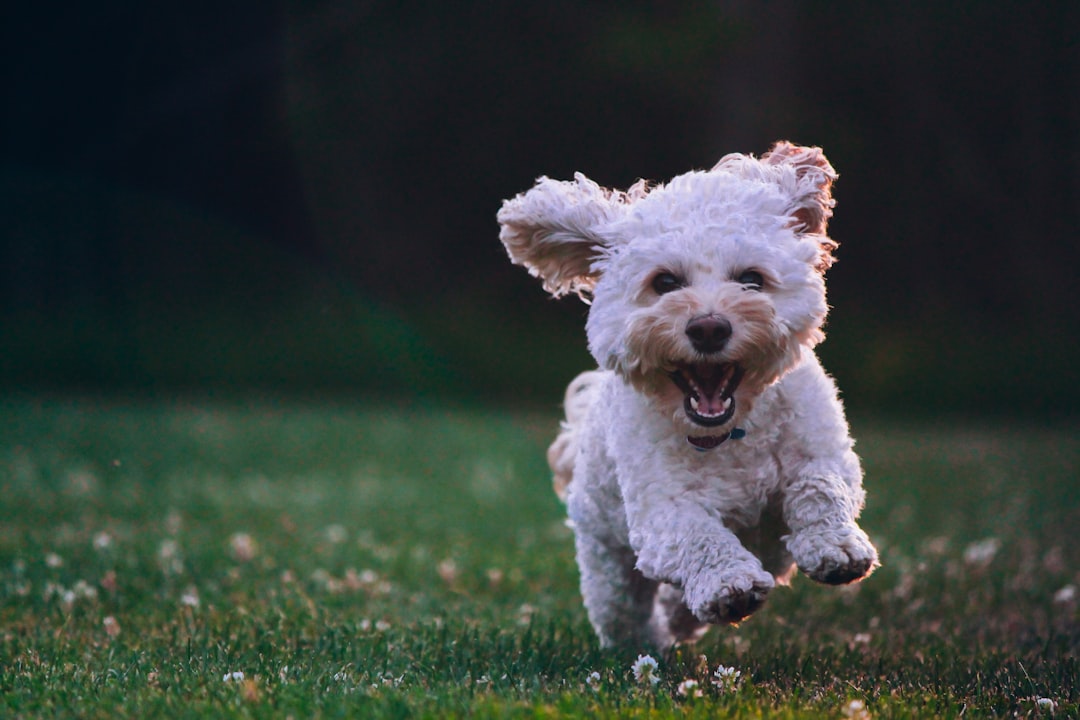
What to Wear at Night for Walking Your Dog: Safety & Comfort
Nighttime dog walks can be a peaceful and refreshing way to end the day. However, safety should always be your top priority. Wearing the right gear, especially reflective clothing and lights, significantly increases your visibility and reduces the risk of accidents. Beyond visibility, comfort is key. Dressing appropriately for the weather ensures you enjoy the walk as much as your dog does.
Is it safe to walk a dog at night?
Walking your dog at night can be perfectly safe with the right precautions. High-visibility clothing for you and your dog, well-lit routes, and awareness of your surroundings are crucial factors.
Reflective Gear: Be Seen, Be Safe
Reflective gear is your first line of defense when walking your dog at night. It makes you and your dog visible to drivers, cyclists, and other pedestrians, reducing the risk of accidents. Reflective material works by bouncing light back to its source, making you stand out in low-light conditions.
What kind of reflective gear is best for nighttime dog walks?
The best reflective gear includes vests, jackets, armbands, and even accessories like reflective dog leashes and collars. The more coverage, the better!
Reflective Vests and Jackets
A reflective vest or jacket is a must-have for any nighttime dog walker. Look for options with a high visibility rating and a comfortable fit. Many vests also include pockets for carrying essentials like dog treats, waste bags, and your phone.
Reflective Armbands and Leg Bands
For a lighter alternative to a vest, consider reflective armbands or leg bands. These are easy to wear and provide additional visibility, especially when paired with other reflective gear.
Reflective Dog Leashes and Collars
Don’t forget about your dog! A reflective dog leash and collar are essential for making your furry friend visible in the dark. Some collars even have built-in LED lights for extra safety.
Lights: Illuminate Your Path
In addition to reflective gear, carrying a light source is crucial for nighttime dog walks. A flashlight or headlamp not only helps you see the path ahead but also makes you more visible to others. LED lights are particularly effective because they are bright, energy-efficient, and long-lasting.
What type of lights are essential for nighttime dog walks?
A headlamp or flashlight, a clip-on light for your dog’s collar, and even light-up shoes can significantly improve visibility during nighttime walks.
Headlamps vs. Flashlights
A headlamp offers the advantage of hands-free operation, allowing you to manage your dog’s leash and navigate the path more easily. A flashlight, on the other hand, provides a focused beam of light and can be used to signal oncoming traffic.
Clip-On Lights for Dog Collars
A clip-on light for your dog’s collar is a small but effective way to enhance their visibility. Look for lightweight, waterproof options that won’t bother your dog.
Weather-Appropriate Clothing: Comfort is Key
Comfort is just as important as safety when walking your dog at night. Dressing appropriately for the weather ensures you and your dog enjoy the walk without discomfort. Consider the temperature, humidity, and potential for rain or snow when choosing your attire.
What factors should I consider when dressing for nighttime dog walks?
Consider the temperature, humidity, wind chill, and the possibility of precipitation. Layering is often the best approach, allowing you to adjust your clothing as needed.
Warm Weather Gear
Even on warm nights, it’s essential to wear lightweight, breathable clothing. Opt for moisture-wicking fabrics that keep you cool and dry. A hat or visor can protect you from the sun (if you’re walking during twilight) and keep sweat out of your eyes.
Cool Weather Gear
When the temperature drops, layering is key. Start with a moisture-wicking base layer, followed by an insulating mid-layer like a fleece jacket. A windproof and waterproof outer layer will protect you from the elements. Don’t forget gloves or mittens and a warm hat.
Rain Gear
If rain is in the forecast, a waterproof jacket and pants are essential. Look for options that are breathable to prevent overheating. Waterproof shoes or boots will keep your feet dry and comfortable.
Dog Coats and Sweaters
Just like humans, dogs can get cold too. Consider dressing your dog in a coat or sweater, especially if they have short fur or are sensitive to cold weather. There are many great options for senior dogs that provide extra warmth and comfort.
Footwear: Support and Grip
The right footwear is crucial for a comfortable and safe nighttime dog walk. Choose shoes or boots that provide good support, cushioning, and traction. Consider the terrain you’ll be walking on and select footwear accordingly.
What features should I look for in walking shoes?
Look for shoes with good arch support, cushioning, and a non-slip sole. Waterproof or water-resistant options are ideal for wet conditions.
Athletic Shoes
Athletic shoes are a popular choice for dog walking because they are lightweight, comfortable, and provide good support. Look for options with a durable outsole that can withstand various terrains.
Walking Boots
For more challenging terrain or colder weather, walking boots are a better option. They offer added ankle support, insulation, and protection from the elements.
Non-Slip Soles
Non-slip soles are essential for preventing falls, especially on wet or icy surfaces. Look for shoes with a tread pattern that provides good grip. Considering anti-slip socks yourself is also well worth it.
Accessories: The Finishing Touches
In addition to clothing and footwear, several accessories can enhance your safety and comfort during nighttime dog walks. These include:
Dog Waste Bags and Dispenser
Always carry dog waste bags and a dispenser to clean up after your dog. It’s not only responsible but also often legally required.
Water Bottle and Bowl
Bring a water bottle and portable bowl for your dog, especially during warm weather. Staying hydrated is essential for both of you.
Dog Treats
Dog treats can be used as positive reinforcement during training or simply as a reward for good behavior.
Personal Safety Alarm
A personal safety alarm can be a valuable tool for deterring potential threats. Look for options with a loud siren and easy-to-activate design.
Specific Dog Breeds and Their Needs
Certain dog breeds have particular needs when it comes to nighttime walks, especially in varying weather conditions. Knowing your dog’s breed characteristics can help you make informed decisions about what they (and you) need to wear.
Short-Haired Breeds
Breeds like Greyhounds, Boxers, and Dobermans have less natural insulation and are more vulnerable to cold. A well-fitted dog coat is essential during colder months, and you might even consider booties if the ground is icy or very cold.
Long-Haired Breeds
While breeds like Huskies and Malamutes are well-insulated naturally, their long fur can become matted or uncomfortable if wet. A waterproof or water-resistant coat can help keep their fur dry and prevent skin irritations that can lead to bigger health challenges.
Small Breeds
Smaller dogs, regardless of their coat type, have a higher surface area to volume ratio, meaning they lose heat faster than larger dogs. Consider a snug-fitting, insulated coat for breeds like Chihuahuas, Toy Poodles, and Yorkshire Terriers. Elevating them off very cold or hot pavement can also protect their paws.
Senior Dogs
Older dogs often have reduced mobility and may struggle with temperature regulation. Senior dogs should wear supportive gear like harnesses designed for easier walking and coats that provide warmth without restricting movement.
Additional Safety Tips
Beyond clothing and accessories, consider these additional safety tips for nighttime dog walks:
- **Choose well-lit routes:** Stick to streets with good street lighting to improve visibility.
- **Be aware of your surroundings:** Pay attention to traffic, other pedestrians, and potential hazards like broken sidewalks or potholes.
- **Keep your dog on a leash:** This prevents them from running into traffic or getting lost.
- **Carry identification:** Make sure your dog has a collar with up-to-date identification tags. You should also carry identification in case of an emergency.
- **Tell someone where you’re going:** Let a friend or family member know your route and estimated return time.
Conclusion
Walking your dog at night can be a safe and enjoyable experience with the right gear and precautions. Reflective clothing, lights, weather-appropriate attire, and comfortable footwear are essential for both you and your dog. By prioritizing safety and comfort, you can make nighttime dog walks a regular part of your routine.