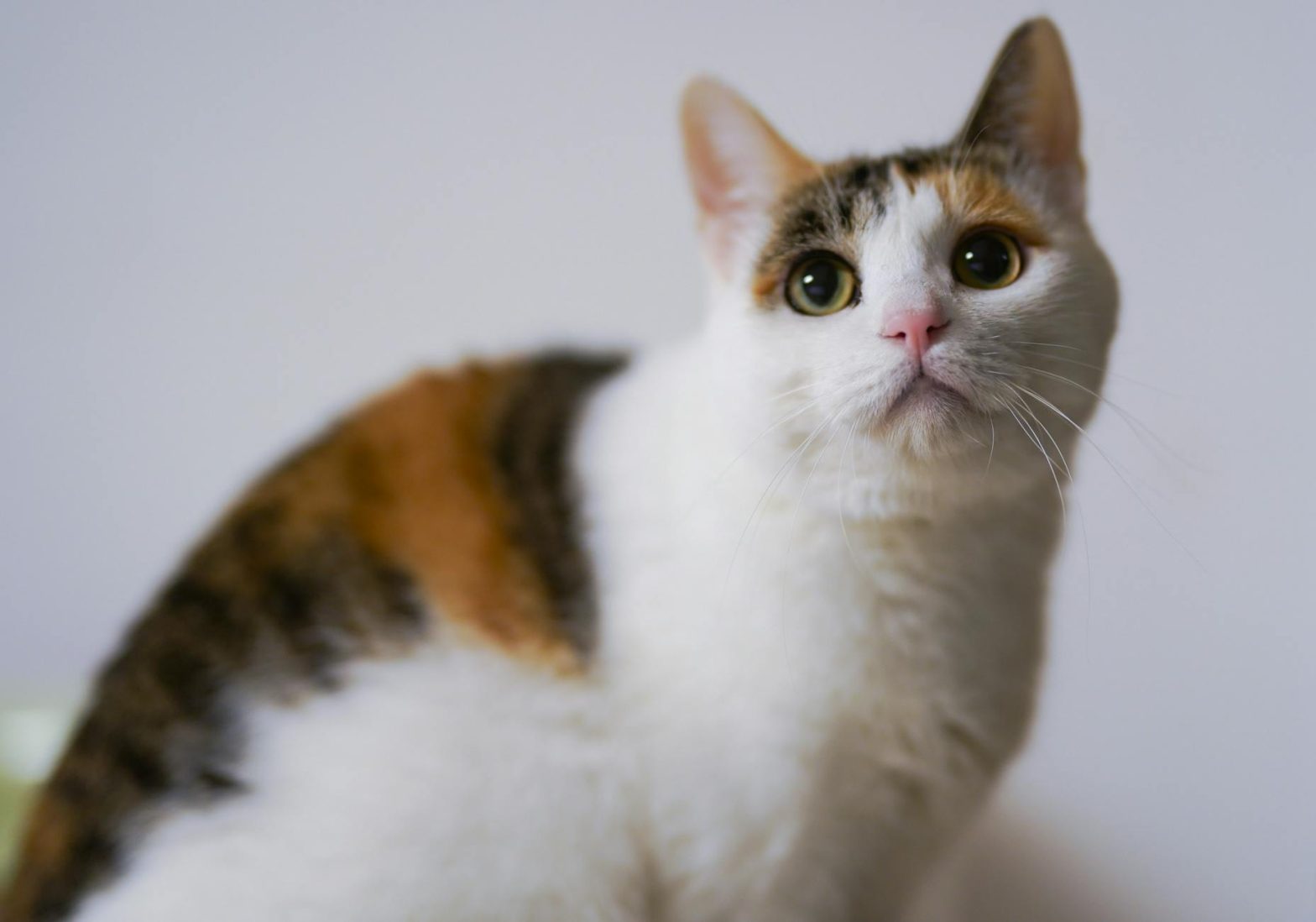
What is a Cat Puzzle Feeder and Why Does Your Cat Need One?
A cat puzzle feeder is a food bowl alternative that requires your cat to solve a simple puzzle to access their food. Instead of simply eating from a bowl, your cat has to manipulate a toy, move pieces, or figure out a mechanism to release food. There are several reasons why these feeders are beneficial for your furry friend:
- Mental Stimulation: Cats are intelligent creatures who need mental stimulation to stay happy and healthy. Puzzle feeders challenge their problem-solving skills, preventing boredom and destructive behavior.
- Slows Down Eating: Many cats eat too quickly, which can lead to digestive issues like vomiting or bloat. Puzzle feeders require cats to eat at a slower pace, improving digestion and preventing overeating.
- Encourages Natural Foraging Behavior: In the wild, cats would spend a significant amount of time hunting for food. Puzzle feeders tap into this natural foraging instinct, providing enrichment and satisfaction.
- Weight Management: By slowing down eating and providing a more engaging feeding experience, puzzle feeders can help with weight management and prevent obesity in cats.
Types of Cat Puzzle Feeders
Cat puzzle feeders come in various designs and difficulty levels to suit different cats’ personalities and abilities. Here are some common types:
Level 1: Simple Dish Feeders
These are the simplest type, often featuring raised patterns or obstacles within a dish to slow down eating. They’re great for cats new to puzzle feeders.
Level 2: Treat Dispensing Balls
Capsule: With adjustable difficulty settings, fill the treat ball with dry kibble or treats, and your cat will have to roll it around to release the food.
Level 3: Puzzle Boards With Sliding Pieces
These boards feature multiple compartments or slots where food is hidden, and your cat has to slide or move pieces to uncover their meal or treats.
Level 4: Advanced Mechanical Puzzles
Capsule: Requiring complex problem-solving, these advanced puzzles might involve levers, buttons, and hidden compartments to challenge the smartest cats.
How to Choose the Right Cat Puzzle Feeder
Capsule: Consider your cat’s personality, age, and prior experience with puzzles. Start with an easy puzzle and gradually increase the difficulty as they become more proficient, or consult your vet for personalized advice.
To find the perfect puzzle feeder for your cat, consider the following factors:
- Difficulty Level: Choose a puzzle that matches your cat’s skill level. Start with a simple puzzle if they are new to puzzle feeders and gradually increase the difficulty as they become more confident.
- Material: Look for feeders made from durable, non-toxic materials that are easy to clean. Plastic and ceramic are common choices. Make sure the material is BPA-free and safe for your cat.
- Size and Shape: Consider the size of your cat and their eating habits when choosing a feeder. A larger feeder might be necessary for a cat who eats large portions, while a smaller feeder might be better for a cat who prefers to graze throughout the day. The shape should also be easy for your cat to access.
- Stability: Choose a feeder that is stable enough to prevent it from being easily tipped over. Look for feeders with a wide base or non-slip feet.
- Ease of Cleaning: Choose a feeder that is easy to disassemble and clean. Many puzzle feeders are dishwasher-safe, making cleaning a breeze.
Best Cat Puzzle Feeders: Our Top Picks
Trixie Activity Fun Board
The Trixie Activity Fun Board is a great option for cats of all ages and skill levels. It features five different puzzles, including tunnels, pegs, and compartments, to keep your cat entertained and mentally stimulated.
Pros:
- Multiple puzzles in one
- Durable construction
- Easy to clean
Cons:
- Some cats may solve puzzles quickly
- Plastic material
Check current price on Chewy.
Doc & Phoebe’s Indoor Hunting Feeder
This slow feeder is designed to simulate a cat’s natural hunting behavior. It comes with multiple small bowls that you can hide around the house, encouraging your cat to search for their food, which can also help with indoor cat enrichment.
Pros:
- Encourages natural hunting behavior
- Helps with weight management
- Easy to clean
Cons:
- May not be suitable for cats with mobility issues
- Requires multiple hiding spots
See price on Amazon.
Catit Senses 2.0 Food Tree
The Catit Senses 2.0 Food Tree is a multi-level feeder that challenges your cat to work their way through the tree to access their food. It’s a fun and engaging way to slow down eating and prevent boredom.
Pros:
- Multi-level design
- Adjustable difficulty levels
- Easy to clean
Cons:
- Can be noisy
- Some cats may get frustrated
Check current price on Chewy.
PetSafe Funkitty Egg-cersizer Interactive Cat Toy
This egg-shaped toy requires your cat to bat and roll it around to release food or treats. The adjustable openings accommodates different kibble sizes.
Pros:
- Adjustable openings for different food sizes
- Easy to clean
- Interactive and fun
Cons:
- May be too easy for some cats
- May be noisy
Check current price on Amazon.
Northmate Catch Interactive Feeder
The Northmate Catch Interactive Feeder is designed to mimic grass, requiring your cat to use their paws to scoop out the food. It slows down eating and engages their natural foraging instincts.
Pros:
- Unique design
- Easy to clean
- Encourages natural foraging behavior
Cons:
- May not be suitable for all types of food
- Can be challenging for some cats
Check current price on Chewy.
Tips for Introducing a Puzzle Feeder to Your Cat
Capsule: To introduce a puzzle feeder to your cat, make it easy at first, use high-value treats, and place it in a familiar location.
Here are some tips for successfully introducing a puzzle feeder to your cat:
- Start Easy: Begin with a simple puzzle feeder that requires minimal effort to access the food. Once your cat gets the hang of it, you can gradually increase the difficulty.
- Use High-Value Treats: Use your cat’s favorite treats or kibble to entice them to use the puzzle feeder. The more motivated they are, the more likely they are to engage with the puzzle.
- Place It in a Familiar Location: Put the puzzle feeder in the same spot where you usually feed your cat. This will help them associate the puzzle feeder with mealtime.
- Be Patient: It may take some time for your cat to figure out the puzzle. Be patient and encourage them along the way. Don’t give up if they don’t get it right away.
- Supervise: Always supervise your cat when they are using a puzzle feeder, especially when they are first starting out. This will ensure they don’t get frustrated or injured.
Cleaning and Maintenance
Capsule: Clean your cat’s puzzle feeder regularly to prevent bacteria buildup and ensure a hygienic feeding environment.
Regular cleaning is essential to maintain the hygiene of your cat’s puzzle feeder. Here are some tips for cleaning and maintaining your puzzle feeder:
- Disassemble: Disassemble the puzzle feeder according to the manufacturer’s instructions.
- Wash: Wash all the components with warm, soapy water. Use a brush to remove any stuck-on food particles.
- Rinse: Rinse all the components thoroughly with clean water.
- Dry: Allow all the components to air dry completely before reassembling the puzzle feeder.
- Disinfect: Occasionally, disinfect the puzzle feeder with a pet-safe disinfectant to kill any bacteria.
Are Puzzle Feeders Safe for All Cats?
Puzzle feeders are generally safe for most cats, but there are some exceptions:
- Cats with Dental Issues: Cats with dental problems may find it difficult to manipulate the puzzle pieces or access the food.
- Cats with Mobility Issues: Cats with arthritis or other mobility issues may not be able to reach or interact with certain types of puzzle feeders.
- Cats with Frustration Issues: Some cats may become frustrated or stressed if they cannot solve the puzzle. If your cat shows signs of frustration, try a simpler puzzle or consult with your veterinarian or a certified cat behaviorist.
Alternatives to Puzzle Feeders
If a puzzle feeder isn’t the right fit for your cat, there are other ways to slow down eating and provide mental stimulation:
- Slow-Feed Bowls: Slow-feed bowls have raised patterns or obstacles that force cats to eat at a slower pace.
- Multiple Small Meals: Instead of feeding your cat one large meal, divide their daily food ration into several small meals and feed them throughout the day.
- Interactive Toys: Engage your cat in interactive play sessions using toys like wands, laser pointers, or puzzle toys.
How to Help a Senior Cat With Feeding
Senior cats are more prone to mobility issues that may affect their eating habits. Puzzle feeders still offer enrichment but require adjustments to ensure your ageing cat stay comfortable & entertained:
- Go for easily accessible Puzzle Feeders: Choose less complicated models for your senior cat to avoid any frustration.
- Make mealtime comfortable: Elevate bowls for better access
- Consult with your vet: Ensure to check with your vet to consider your senior cats’ specific needs.
You can also check specific accessories that can help senior cats
Puzzle feeders are a fantastic way to enrich your cat’s life, slow down their eating, and prevent boredom. By choosing the right puzzle feeder and introducing it properly, you can provide your feline friend with hours of entertainment. Remember to be patient, supervise their play, and clean the feeder regularly for a happy, healthy, and stimulated cat!