How Do You Choose the Right Cat Tree in 2026?
The best cat trees are selected based on your cat’s weight, age, and activity level to ensure safety, stability, and long-term daily usage.
I’ve spent years watching my own cats and those of my training clients interact with vertical space. A cat tree is more than just a piece of furniture; it is essential territory that gives your feline friend a sense of security and a healthy outlet for natural climbing instincts.
Across my sessions, I’ve seen cats ignore expensive, plush towers in favor of simple, sturdy perches. Before you buy, you must understand how your specific cat uses space to avoid wasting money on gear that gathers dust.
⚡ In a Rush? Key Takeaways
- Cats need vertical space at least 5 feet high to feel truly secure and elevated.
- A base-to-height ratio of 1:3 is critical to prevent the tower from tipping over.
- Sisal rope is 3 times more durable than carpet for scratching posts on towers.
- Older cats require step-based designs rather than steep jumps to protect arthritic joints.
- ✅ Best value: Choose solid wood or compressed particle board with 4-inch minimum posts.
What Is the Best Height for a Cat Tower?
Cat towers should reach at least five feet in height to allow cats to survey their environment and retreat from household activity.
In the wild, cats use trees to get a bird’s-eye view of their surroundings. In your home, that means providing a perch high enough to let them feel like they own the room.
Why Does the Base Width Matter for Stability?
Stability depends on the base width being at least one-third of the total height to prevent the cat tree from wobbling or tipping over.
If you have a high-energy cat, a narrow base is a safety hazard. I always look for a heavy, wide base plate that anchors the entire structure during wild playtime.
What Features Are Safest for Your Cat?
Safe cat trees prioritize solid wood or high-density particle board, non-toxic glues, and secure attachments for all included accessories.
I’ve seen too many cheap structures fail at the joints, leaving cats terrified or injured. Always inspect the hardware during assembly to ensure every screw is tight and flush.
How Can You Prevent Cat Tree Tipping?
Prevent tipping by choosing a structure with a heavy base or using wall-mounted anchors to secure the tower to your home’s wall studs.
Even the most expensive tree can shift if a 15-pound cat launches off it. Wall anchors are a simple, cheap insurance policy against household accidents.
Why Is Scratching Post Quality Important?
Quality scratching posts on towers should feature thick sisal rope or heavy-duty cardboard to withstand years of clawing and stretching.
If you see flimsy carpet covering on a post, look elsewhere. Carpet pulls apart, leaving threads that can be dangerous if ingested by your cat.
How Do You Maintain Cat Towers for Longevity?
Maintain cat trees by vacuuming fabrics weekly and tightening all screws every month to ensure the structure remains stable and clean.
A well-maintained tower can last for years. If the fabric becomes too worn, you can often replace it with carpet tiles to give the tree a new life.
Which Cleaning Methods Are Safe for Cats?
Use a vacuum with an upholstery attachment and mild, pet-safe enzymatic cleaners to remove hair and odors from your cat’s furniture.
Avoid harsh chemical sprays near where your cat sleeps. Natural odor removers work just as well without irritating your cat’s sensitive nose.
How Do You Repair Worn Sisal Rope?
Repair worn sisal rope by carefully cutting away loose strands and re-wrapping the post with high-quality sisal using a staple gun.
My cats are aggressive scratchers, so I keep extra sisal on hand. It’s an easy weekend DIY project that keeps their favorite scratching post in top shape.
What Are the Most Frequently Asked Questions?
-
How Much Weight Can a Cat Tree Hold?
Most quality cat trees hold 15 to 25 pounds, but always check the manufacturer specifications if your cat is an extra-large breed type.
-
Are Cat Trees Good for Senior Cats?
Senior cats need trees with wide platforms and ramps instead of ladders to minimize joint stress while they enjoy vertical territory.
-
Where Should I Place a Cat Tower?
Place the cat tower in a room where you spend most of your time, ensuring it is away from cold drafts and near a window for enrichment.
-
How to Select a Cat Tree for Multiple Cats
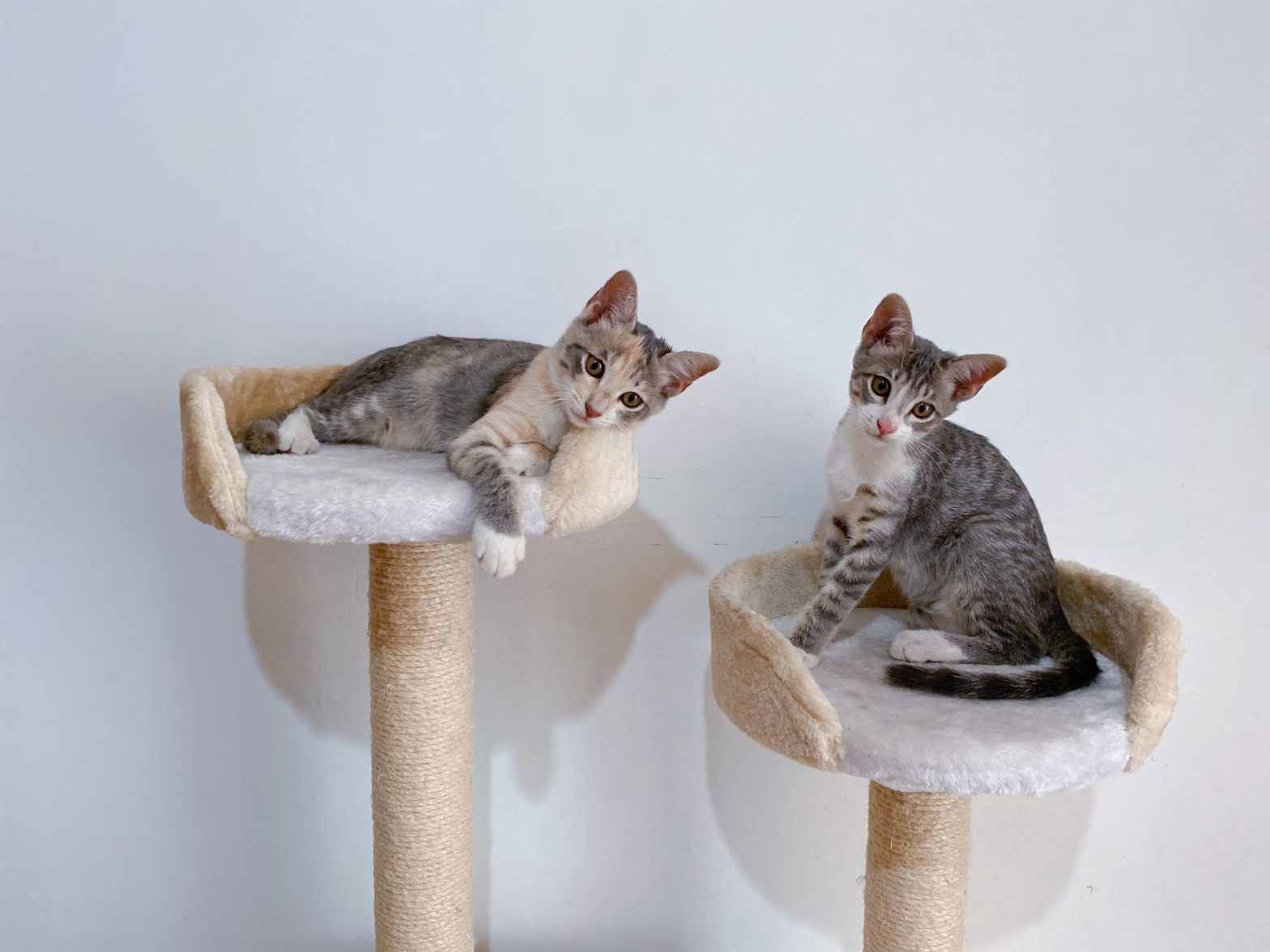
In multi‑cat households, the tree should provide enough separate levels, perches, and scratching surfaces so each cat can claim its own space without conflict.
Frequently asked questions cover weight limits, cat age requirements, and placement tips for your cat’s new vertical furniture items.
When several cats share the same vertical territory, competition for the top perch can lead to stress or aggression. Look for designs that feature at least two spacious platforms at different heights, each with its own railing or edge, so cats can sit side‑by‑side without feeling crowded. Wide, staggered shelves also allow lower‑ranking cats to retreat while higher‑ranking cats still enjoy the lookout.
Additionally, choose a model with multiple sisal‑wrapped posts or separate cardboard scratchers placed at varying heights. This prevents one cat from monopolizing the scratching surface and reduces wear on any single post. A broad, heavy base becomes even more important because the combined weight and dynamic play of several cats increase the tipping risk.