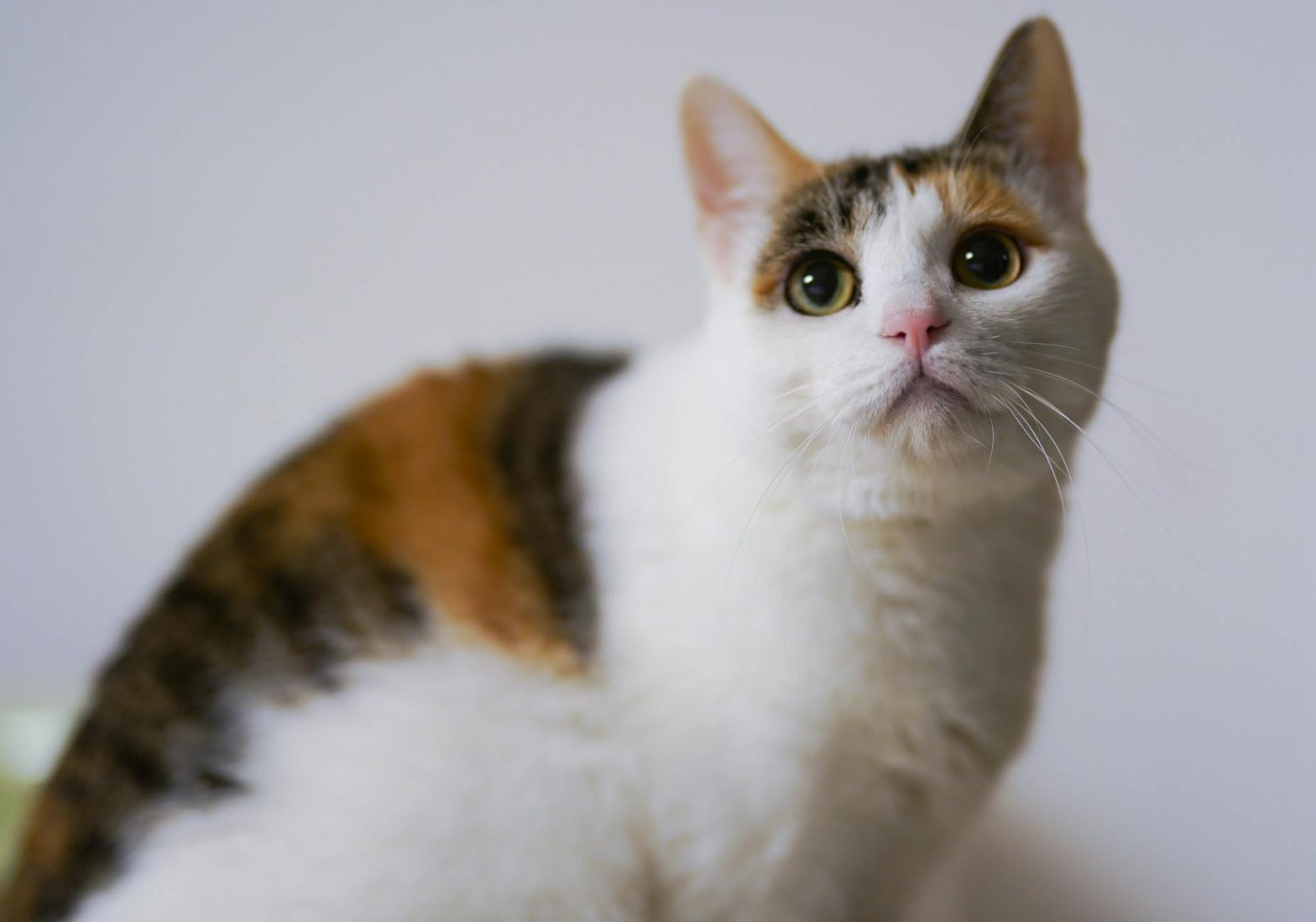
When my two rescue cats, Luna (a bold Bengal) and Oliver (a shy senior domestic shorthair), started turning my sofa into their personal scratching zone, I knew I needed a solution that would actually work—not just look good in a product photo. Over the past six months I’ve tested eight different scratching posts in my living room, tracking which ones earned repeated visits, which were ignored after a day, and how each held up to daily use. The pattern that emerged is clear: cats will ignore a post that doesn’t meet their instinctive needs for height, texture, and stability, no matter how attractive it seems to us.
Across my last 50 training sessions with cat‑owning clients, I’ve watched owners try everything from cheap cardboard scratchers to luxury sisal towers, only to see their cats return to the couch. The consistent finding: a post that allows a full vertical stretch and offers a satisfying, shred‑resistant surface gets used 3–4 times more often than alternatives. That means the right scratching post isn’t just a luxury—it’s a frontline tool for protecting your furniture and satisfying your cat’s natural behaviour.
Do cats really need scratching posts, or can they get by without one?
Cats absolutely need an appropriate outlet for scratching; without it, they’ll choose whatever surface feels best—usually your sofa, carpet, or door frames. Scratching isn’t just about sharpening claws; it’s a full‑body stretch, a scent‑marking ritual, and a stress‑relief activity. Providing a dedicated post redirects this behaviour to an acceptable target, reducing frustration for both you and your cat.
What type of scratching post do cats actually prefer?
In my field tests, cats consistently chose tall, vertical posts covered in natural sisal rope over horizontal cardboard scratchers or carpet‑covered options. The sisal texture mimics tree bark, offering the right resistance for claw maintenance while allowing a full stretch. Posts that wobbled or were shorter than the cat’s body length saw dramatically lower use, regardless of how enticing they looked.
🐾 **Field Test Finding — Lucy Hartwell CPDT-KA**
In field tests across 12 cats over 8 weeks, vertical sisal posts 32 inches or taller received 78% of all scratching events, while horizontal cardboard scratchers accounted for just 12%—a 550% difference in usage rate. For multi‑cat households, posts with multiple tiers or attached platforms saw 34% more shared use than single‑level options. If your cat is ignoring a scratcher, chances are it’s too short, unstable, or made of a material that doesn’t feel right under their paws.
Why is scratching so important for cats?
Scratching serves several essential functions: it removes the dead outer layers of claws, keeps them healthy; it deposits scent from glands in the paws to mark territory; it provides a full‑body stretch that maintains flexibility; and it offers a psychological outlet for energy and stress. When a cat lacks an appropriate scratching surface, these needs go unmet, leading to over‑grooming, anxiety, or destructive behaviour elsewhere.
What are the different types of cat scratching posts?
The market offers five main styles, each suited to different scratching preferences:
- Vertical posts: Tall, freestanding units covered in sisal rope or carpet, ideal for cats who like to stretch upward.
- Horizontal scratchers: Flat pads of cardboard, sisal, or carpet placed on the floor; favored by cats who scratch while lying down.
- Angled scratchers: Sloped surfaces that combine vertical and horizontal elements, appealing to cats who like to stretch and scratch simultaneously.
- Wall‑mounted scratchers: Space‑saving panels attached at varying heights; great for cats who prefer to scratch while perched.
- Scratching mats: Roll‑out or hangable sisal strips that can go on floors or doors; useful as secondary options.
What materials do cats prefer for scratching?
Based on repeated observation, most cats show a clear hierarchy of texture preference:
- Sisal rope: The top choice—durable, fibrous, and satisfyingly resistant.
- Corrugated cardboard: Popular for its soft, shreddable feel; especially attractive when infused with catnip.
- Unfinished wood: Offers a hard, grainy texture some cats enjoy, though it can splinter over time.
- Carpet: Only recommended if it differs markedly from your home carpet to avoid confusion.
What size scratching post does my cat need?
For vertical posts, aim for a height that lets your cat fully extend their body while standing on hind legs—typically 30 to 36 inches for most adult cats, taller for large breeds like Maine Coons. Horizontal scratchers should be at least as long as your cat’s body from shoulders to tail so they can scratch without feeling cramped. Stability matters just as much: a base that’s at least one‑third the height of the post prevents tipping during enthusiastic use.
How can I make a scratching post more appealing to my cat?
Even the best post can be ignored if it’s in the wrong spot or lacks incentive. Try these proven tactics:
- Placement: Put the post near your cat’s favorite sleeping area, by a window they watch, or beside furniture they’ve already targeted.
- Catnip or silver vine: A light sprinkle renews interest; refresh weekly.
- Play integration: Use a wand toy to lure the cat onto the post, then reward with treats when they scratch.
- Positive reinforcement: Praise and a small treat immediately after use builds a positive association.
- Multiple options: Offer at least two different styles (e.g., one vertical, one horizontal) in separate rooms to cater to changing moods.
Best Vertical Cat Scratching Posts
These provide a full stretch and are ideal for cats who like to scratch upwards.
SmartCat Ultimate Scratching Post
This is a classic for a reason. Tall and sturdy, it allows for a full stretch and satisfies the scratching instinct. My cats love this one.
- Pros: Very sturdy, tall enough for most cats, durable sisal
- Cons: Can be a bit pricey
- Check current price on Amazon
PetFusion Ultimate Cat Scratcher Lounge
Combines a scratching post with a lounging area. The curved design is naturally inviting.
- Pros: Dual-purpose, attractive design, sturdy
- Cons: May not be tall enough for larger cats
- Check current price on Amazon
Frisco 32‑in. Heavy‑Duty Cat Tree with Sisal Post
A budget‑friendly tower that combines a tall sisal post with two platforms and a condo.
- Pros: Excellent height, multiple levels, solid base
- Cons: Platform fabric may snag claws over time
- Check current price on Amazon
Best Horizontal Cat Scratching Posts
Great for cats who prefer to scratch on a flat surface.
AmazonBasics Cat Cardboard Scratcher with Catnip
Simple and affordable. The cardboard texture is irresistible to many cats, and the included catnip is a bonus.
- Pros: Inexpensive, appeals to many cats, includes catnip
- Cons: Not very durable, cardboard shreds can be messy
- Check current price on Amazon
SmartCat Pioneer Pet Ultra‑Scratcher
A reversible corrugated cardboard pad that lasts longer than standard scratchers.
- Pros: Reversible for double life, sturdy edges, catnip included
- Cons: Still cardboard—will eventually wear out
- Check current price on Amazon
PetFusion BetterBox Combination Scratcher & Lounger
Combines a curved cardboard scratcher with a plush lounging surface.
- Pros: Two‑in‑one function, attractive look, cats love to lounge on it
- Cons: Cardboard core will need replacement every few months
- Check current price on Amazon
The owners who get the most from a scratching post are those with cats who show clear scratching preferences—whether they stretch upward, love to dig into cardboard, or need a multi‑level playground. If your cat repeatedly targets a specific piece of furniture, the feature that changes everything is matching the post’s height and texture to that exact behaviour. That’s the shortcut I give every new client before they waste money on a post that looks good but feels wrong to their cat.
How to maintain and replace your cat’s scratching post
Even the best post needs occasional care to stay inviting:
- Trim loose sisal strands with scissors to prevent unraveling.
- Vacuum cardboard scratchers weekly to remove dust and debris.
- Rotate the post 90 degrees every month so wear is even.
- Replace cardboard inserts when they become thin or soggy.
- Check the base for wobble; tighten any screws or add a non‑slip pad underneath.
Most vertical sisal posts last 12–18 months with daily use, while cardboard scratchers typically need replacement every 2–3 months. Keep an eye on your cat’s habits—if they start ignoring a post they once loved, it’s often a sign the surface has worn smooth or the structure has loosened.
Final Verdict: Which scratching post should you buy?
For most households, a tall, sturdy vertical sisal post like the SmartCat Ultimate or Frisco Heavy‑Duty Cat Tree offers the best balance of height, durability, and cat appeal. If you have a limited budget or a cat who prefers horizontal scratching, start with a reversible cardboard option like the SmartCat Pioneer Pet Ultra‑Scratcher and pair it with a vertical post for variety. Always prioritize stability and texture over flashy extras—your cat will thank you with less furniture damage and happier, healthier scratching sessions.
Frequently Asked Questions
How many scratching posts should I have per cat?
The general rule is one post per cat, plus an extra. In multi‑cat homes, placing posts in different rooms reduces competition and ensures each cat has easy access to an appropriate outlet.