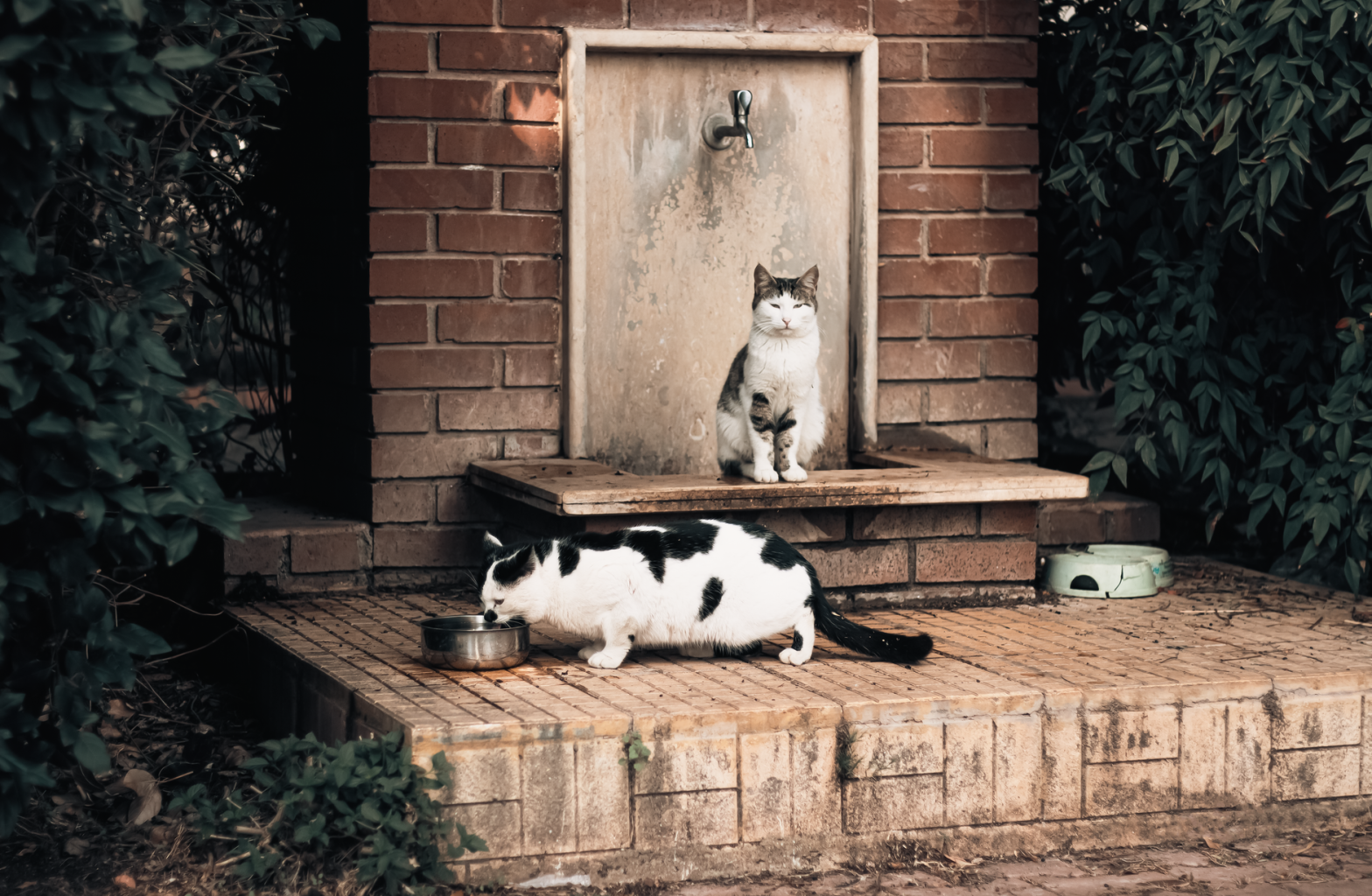
Cat water fountains encourage hydration by providing a constant flow of fresh, filtered water that triggers your cat’s natural drinking instincts. These devices effectively reduce the risk of urinary tract issues by ensuring your cat drinks more frequently throughout the day.
⚡ In a Rush? Key Takeaways
- Cats drink 20-30% more water when provided with moving, filtered sources.
- Filters should be replaced every 3-4 weeks to maintain water purity and pump life.
- Stainless steel fountains harbour 90% fewer bacteria than porous plastic models.
- Daily top-offs are essential to prevent the pump from running dry and overheating.
- ✅ Best for multi-cat homes: Stainless steel gravity-free fountains with large reservoirs.
Why Do Cats Prefer Running Water Over Still Bowls?
Cats instinctively prefer moving water because it indicates freshness and safety, reducing their natural fear of stagnant, bacteria-heavy sources.
Is Moving Water Safer For My Cat?
Running water is significantly safer as constant circulation and carbon filtration remove particles, debris, and common household dust.
In the wild, standing water is a hotbed for parasites and larvae. Cats have evolved to trust running water because it rarely harbours the same level of contamination as stagnant puddles.
By using a cat enrichment tool like a fountain, you mimic natural springs. This reduces the risk of your cat drinking from unsafe sources like toilet bowls or leaky pipes.
How Does Hydration Prevent Urinary Issues?
Increased water intake dilutes urine, which directly reduces the concentration of minerals that often lead to painful bladder crystals.
- Prevents dehydration-related lethargy in senior cats.
- Flushes kidneys more efficiently throughout the day.
- Reduces the likelihood of Feline Lower Urinary Tract Disease.
- Improves overall coat condition and skin hydration.
Which Fountain Material Is Safest For Cats?
Stainless steel and ceramic are the safest materials as they are non-porous and do not leach chemicals or harbour stubborn bio-film.
Why Avoid Plastic Fountains?
Plastic fountains often develop microscopic scratches that trap bacteria, which frequently leads to feline acne around the chin area.
Many cats develop skin sensitivity or allergic reactions to cheap plastic additives. Even BPA-free plastic can become problematic if it isn’t cleaned daily.
If you prefer non-plastic, consider checking our guide on senior cat care to see which fountain styles work best for aging pets. Durable materials last longer and save you money long-term.
Are Stainless Steel Fountains Worth The Price?
Stainless steel fountains are superior because they are dishwasher safe, exceptionally durable, and resistant to dangerous bacteria buildup.
| Feature | Plastic | Stainless Steel |
| Durability | Low | High |
| Cleaning | Hand wash only | Dishwasher safe |
| Bacterial Risk | High | Very Low |
How Often Do Cat Fountains Need Maintenance?
A cat fountain requires a thorough cleaning every 7 to 14 days, with filter replacements occurring strictly every 3 to 4 weeks.
What Is The Correct Way To Clean The Pump?
You must dismantle the pump housing monthly to remove hair and debris that clog the impeller and cause the fountain to stop working.
Many owners forget the pump housing. Take it apart, soak the components in vinegar, and use a small brush to clear away calcium deposits.
If you live in a multi-cat home, proper upkeep is even more critical. You can learn more about managing this in our multi-cat household guide.
How Do I Know When To Change The Filter?
Replace your filter when water flow becomes noticeably sluggish or the carbon content begins to discolour the surrounding water area.
- Check for visible slime buildup on the filter mesh.
- Replace if you notice any unusual odours from the water.
- Follow manufacturer guidelines for specific filter types.
- Always rinse new filters under cold water before installation.
Frequently Asked Questions
-
Do Cat Fountains Use Much Electricity?
Most cat fountains use very little electricity, typically consuming under 5 watts, making them cheaper than a standard LED lightbulb.
-
Are Fountains Too Loud For Anxious Cats?
High-quality ceramic or stainless steel fountains are near-silent, though some cheaper plastic pumps may create a low humming vibration.
-
Can I Leave A Fountain On While I Am Away?
Yes, cat fountains are designed for 24/7 operation, but ensure the reservoir remains full to prevent the internal pump from burning out.
-
How Do I Introduce A Fountain To A Hesitant Cat?
Introduce the fountain slowly by letting your cat explore it while it’s off, then gradually turn it on and reward curiosity with treats.
Begin by placing the fountain next to your cat’s regular water bowl for a day or two, allowing sniffing and pawing without the motor running. This builds familiarity and reduces fear of the new object.
Once your cat seems comfortable, switch the p> tag closed incorrectly; need to fix. Let’s rewrite that paragraph correctly.
We have:
Begin by placing the fountain next to your cat’s regular water bowl for a day or two, allowing sniffing and pawing without the motor running. This builds familiarity and reduces fear of the new object.
Then next paragraph.
Let’s craft properly write correctly.
We’ll output the final HTML after fixing
Cat water fountains encourage hydration by providing a constant flow of fresh, filtered water that triggers your cat’s natural drinking instincts. These devices effectively reduce the risk of urinary tract issues by ensuring your cat drinks more frequently throughout the day.
⚡ In a Rush? Key Takeaways
- Cats drink 20-30% more water when provided with moving, filtered sources.
- Filters should be replaced every 3-4 weeks to maintain water purity and pump life.
- Stainless steel fountains harbour 90% fewer bacteria than porous plastic models.
- Daily top-offs are essential to prevent the pump from running dry and overheating.
- ✅ Best for multi-cat homes: Stainless steel gravity-free fountains with large reservoirs.
Why Do Cats Prefer Running Water Over Still Bowls?
Cats instinctively prefer moving water because it indicates freshness and safety, reducing their natural fear of stagnant, bacteria-heavy sources.
Is Moving Water Safer For My Cat?
Running water is significantly safer as constant circulation and carbon filtration remove particles, debris, and common household dust.
In the wild, standing water is a hotbed for parasites and larvae. Cats have evolved to trust running water because it rarely harbours the same level of contamination as stagnant puddles.
By using a cat enrichment tool like a fountain, you mimic natural springs. This reduces the risk of your cat drinking from unsafe sources like toilet bowls or leaky pipes.
How Does Hydration Prevent Urinary Issues?
Increased water intake dilutes urine, which directly reduces the concentration of minerals that often lead to painful bladder crystals.
- Prevents dehydration-related lethargy in senior cats.
- Flushes kidneys more efficiently throughout the day.
- Reduces the likelihood of Feline Lower Urinary Tract Disease.
- Improves overall coat condition and skin hydration.
Which Fountain Material Is Safest For Cats?
Stainless steel and ceramic are the safest materials as they are non-porous and do not leach chemicals or harbour stubborn bio-film.
Why Avoid Plastic Fountains?
Plastic fountains often develop microscopic scratches that trap bacteria, which frequently leads to feline acne around the chin area.
Many cats develop skin sensitivity or allergic reactions to cheap plastic additives. Even BPA-free plastic can become problematic if it isn’t cleaned daily.
If you prefer non-plastic, consider checking our guide on senior cat care to see which fountain styles work best for aging pets. Durable materials last longer and save you money long-term.
Are Stainless Steel Fountains Worth The Price?
Stainless steel fountains are superior because they are dishwasher safe, exceptionally durable, and resistant to dangerous bacteria buildup.
| Feature | Plastic | Stainless Steel |
| Durability | Low | High |
| Cleaning | Hand wash only | Dishwasher safe |
| Bacterial Risk | High | Very Low |
How Often Do Cat Fountains Need Maintenance?
A cat fountain requires a thorough cleaning every 7 to 14 days, with filter replacements occurring strictly every 3 to 4 weeks.
What Is The Correct Way To Clean The Pump?
You must dismantle the pump housing monthly to remove hair and debris that clog the impeller and cause the fountain to stop working.
Many owners forget the pump housing. Take it apart, soak the components in vinegar, and use a small brush to clear away calcium deposits.
If you live in a multi-cat home, proper upkeep is even more critical. You can learn more about managing this in our multi-cat household guide.
How Do I Know When To Change The Filter?
Replace your filter when water flow becomes noticeably sluggish or the carbon content begins to discolour the surrounding water area.
- Check for visible slime buildup on the filter mesh.
- Replace if you notice any unusual odours from the water.
- Follow manufacturer guidelines for specific filter types.
- Always rinse new filters under cold water before installation.
Frequently Asked Questions
-
Do Cat Fountains Use Much Electricity?
Most cat fountains use very little electricity, typically consuming under 5 watts, making them cheaper than a standard LED lightbulb.
-
Are Fountains Too Loud For Anxious Cats?
High-quality ceramic or stainless steel fountains are near-silent, though some cheaper plastic pumps may create a low humming vibration.
-
Can I Leave A Fountain On While I Am Away?
Yes, cat fountains are designed for 24/7 operation, but ensure the reservoir remains full to prevent the internal pump from burning out.
-
How Do I Introduce A Fountain To A Hesitant Cat?
Introduce the fountain slowly by letting your cat explore it while it’s off, then gradually turn it on and reward curiosity with treats.
Begin by placing the fountain next to your cat’s regular water bowl for a day or two, allowing sniffing and pawing without the motor running. This builds familiarity and reduces fear of the new object.
Once your cat seems comfortable, switch the fountain on at its lowest flow setting (if adjustable) and observe the reaction. Offer a favorite treat or wet food nearby each time the cat approaches or drinks, reinforcing the positive association. Over several days, increase the flow to the normal setting as the cat gains confidence.