Best Cat Carriers for Anxious Cats

Do enclosed cat carriers help with anxiety?

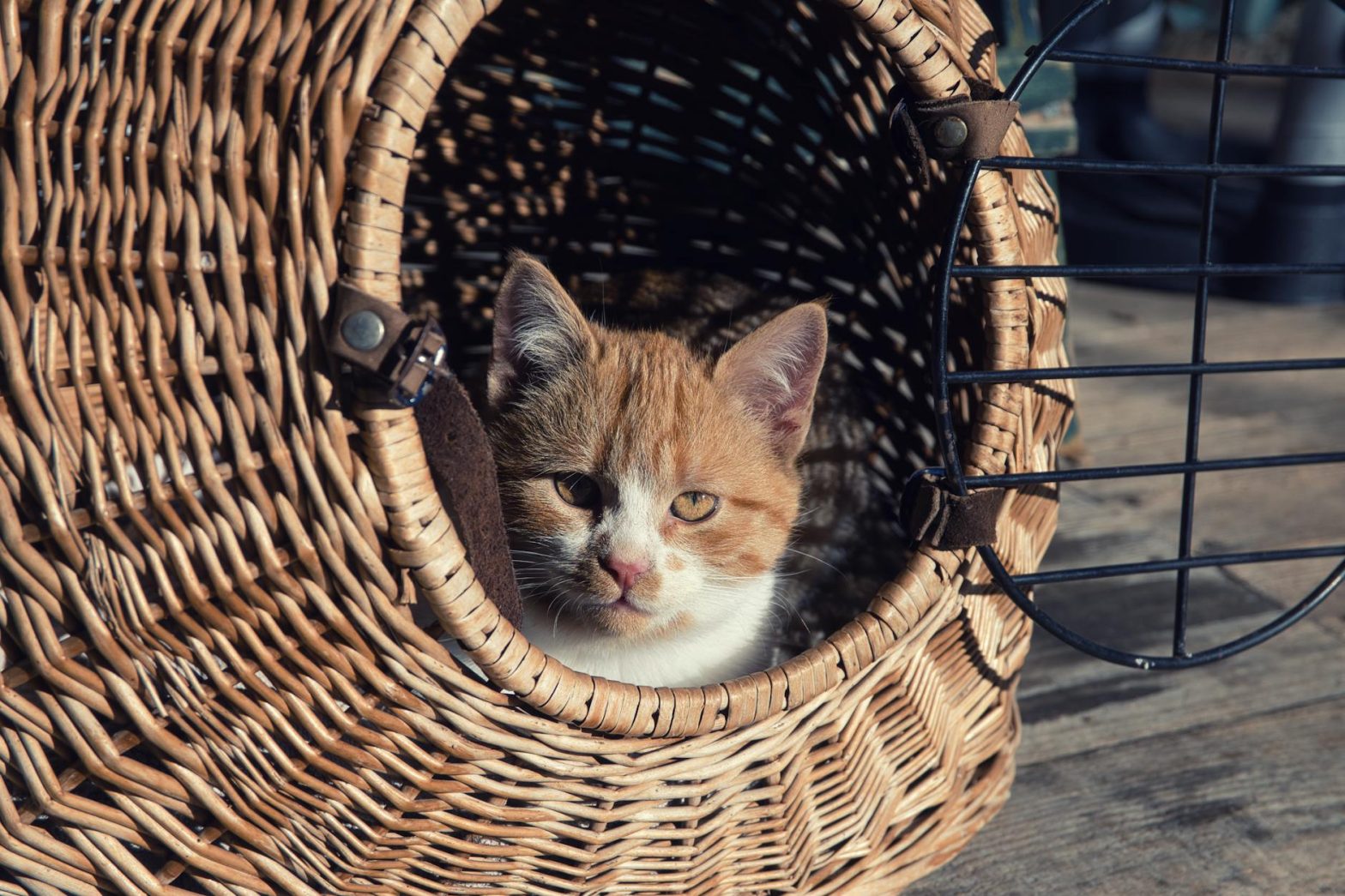
Yes, many cat owners find that enclosed carriers provide a sense of security and reduce anxiety for their cats. The darkness and confinement mimic a safe hiding spot, which can be very comforting. However, it’s essential to introduce the carrier positively and gradually.

Best Cat Carriers for Anxious Cats

Traveling with an anxious cat can be a stressful experience for both you and your feline friend. Cats generally don’t enjoy being confined and taken out of their familiar territory. Choosing the right carrier can make all the difference in minimizing anxiety and making the trip as comfortable as possible. I’ve tested dozens of carriers with my own overly-dramatic Persians, and here are the ones that made the cut.

1. Sherpa Deluxe Pet Carrier

The Sherpa Deluxe Pet Carrier is a popular choice for a reason. It’s airline-approved and designed with features that prioritize your cat’s comfort. This carrier has mesh windows for ventilation and visibility, which can help reduce anxiety by allowing your cat to see their surroundings while still feeling secure. The top and side entries make it easier to get your cat in and out without causing too much stress.

What makes it good for anxious cats:

  • Mesh windows for visibility and ventilation
  • Top and side entries for easy access
  • Airline-approved

Check current price on Amazon

2. Sleepypod Mobile Pet Bed

The Sleepypod Mobile Pet Bed is more than just a carrier; it’s a cozy retreat for your cat. This carrier is designed to double as a bed, so your cat can get used to it as a safe space at home. The rounded shape and plush interior create a comforting environment, and the zippered mesh dome provides ventilation and visibility. This carrier can also be secured in the car with a seatbelt, making it a safe option for travel.

What makes it good for anxious cats:

  • Doubles as a bed for familiar comfort
  • Rounded shape and plush interior
  • Seatbelt compatible for car travel

Check current price on Amazon

3. Petmate Sky Kennel

For larger or multiple cats, the Petmate Sky Kennel offers a more spacious and sturdy option. This carrier is made of durable plastic and features ventilation on all sides to ensure good airflow. The secure latch system and included travel accessories, such as food and water bowls, make it a practical choice for longer journeys. While it may not be as plush as some other options, the extra space can help reduce anxiety by giving your cat room to move around.

What makes it good for anxious cats:

  • Spacious interior for larger cats
  • Durable plastic construction
  • Ventilation on all sides

Check current price on Amazon

4. Mr. Peanut’s Gold Series Expandable Carrier

The Mr. Peanut’s Gold Series Expandable Carrier is designed for flexibility and comfort. It features expandable sides that can be opened up to provide your cat with more space during layovers or in waiting areas. The mesh windows offer ventilation and visibility, and the plush fleece bed ensures a comfortable ride. This carrier is also airline-approved and comes with a safety leash to prevent escapes.

What makes it good for anxious cats:

  • Expandable sides for extra space
  • Mesh windows for ventilation and visibility
  • Plush fleece bed

Check current price on Amazon

What Features Should You Look for in a Cat Carrier for Anxious Cats?

Choosing the right carrier involves more than just picking the cutest design. The features of a cat carrier can significantly impact your cat’s anxiety levels. Here’s what to consider:

Size and Space

The carrier should be large enough for your cat to stand up, turn around, and lie down comfortably. If the carrier is too small, your cat may feel trapped and become more anxious.

Ventilation and Visibility

Good ventilation is essential to prevent overheating and ensure your cat can breathe easily. Mesh windows provide both ventilation and visibility, allowing your cat to see their surroundings and reducing feelings of isolation. Some cats prefer being able to see out, while others feel more secure with limited visibility. Observe your cat’s preferences to make the best choice.

Ease of Entry and Exit

A carrier with multiple entry points—top and side—can make it easier to get your cat in and out without causing unnecessary stress. Top-loading carriers can be particularly helpful for reluctant cats, as you can gently lower your cat into the carrier rather than forcing them to walk in.

Comfort and Security

A comfortable interior can help your cat feel more secure during travel. Look for carriers with soft, washable bedding or consider adding a familiar blanket or toy to provide comfort. A secure latching system is also crucial to prevent escapes, which can be particularly dangerous in unfamiliar environments.

Durability and Safety

The carrier should be made of durable materials that can withstand travel. Ensure the carrier is sturdy enough to protect your cat from bumps and jostling. If you plan to fly with your cat, choose an airline-approved carrier that meets safety regulations.

How to Make the Cat Carrier a Safe Space

Even the best carrier won’t magically eliminate your kitty’s anxiety if they associate it with stress. Here’s a step-by-step guide to turn the carrier into a safe haven:

  1. Introduce the Carrier Slowly: Leave the carrier out in a familiar area of your home with the door open.
  2. Make it Comfortable: Place soft bedding, a favorite toy, or a blanket with your scent inside.
  3. Positive Reinforcement: Reward your cat with treats and praise when they approach or enter the carrier.
  4. Feeding Time: Occasionally feed your cat their meals inside the carrier to create positive associations.
  5. Short Trips: Once your cat is comfortable inside, take them on short, stress-free trips around the house or in the car.

Additional Tips for Travel with Anxious Cats

  • Pheromone Sprays: Use a synthetic feline pheromone spray, such as Feliway, in the carrier to help calm your cat.
  • Calming Treats: Consider giving your cat a calming treat or supplement before travel. Consult with your veterinarian for recommendations.
  • Familiar Scents: Place a t-shirt or blanket with your scent in the carrier to provide comfort.
  • Quiet Environment: Keep the environment around the carrier as quiet and calm as possible during travel.
  • Secure the Carrier: In the car, secure the carrier with a seatbelt to minimize movement and prevent accidents.

When to Consult Your Vet

If your cat’s anxiety is severe or if they exhibit signs of distress during travel, consult with your veterinarian. They may recommend medication or other strategies to help manage your cat’s anxiety.

Other Cat Anxiety Products

Conclusion

Choosing the right cat carrier is a critical step in managing anxiety and ensuring a more comfortable travel experience for everyone. By considering your cat’s individual needs and preferences, you can select a carrier that provides the right combination of comfort, security, and convenience. Remember to introduce the carrier positively and gradually. Safe travels!
Best Heated Cat Beds for Older Cats: Warmth and Comfort

Is a heated cat bed good for a senior cat?

Yes, a heated cat bed can be very beneficial for senior cats. As cats age, they often experience decreased mobility and joint pain, particularly from conditions like arthritis. The gentle warmth provided by a heated bed can help soothe these aches and pains, improve circulation, and provide an overall sense of comfort. It’s like a warm compress they can snuggle into whenever they need it.

What are the benefits of heated cat beds for older cats?

Heated cat beds offer several benefits for senior cats:

  • Pain Relief: The warmth can help ease joint pain and muscle stiffness associated with arthritis and other age-related conditions.
  • Improved Circulation: Gentle heat can improve blood flow, which can aid in healing and overall health.
  • Comfort and Security: A warm, cozy bed can provide a sense of security and comfort, helping to reduce anxiety, especially in cats who are already feeling vulnerable due to age-related health issues.
  • Temperature Regulation: Senior cats often have difficulty regulating their body temperature. A heated bed can help them stay warm, especially during colder months.

Best Orthopedic Cat Beds for Senior Cats

If your senior cat also needs extra joint cushioning, an orthopedic cat bed should be a high consideration. Orthopedic beds combine therapeutic warmth with pressure dispersal.

The Best Orthopedic Cat Beds for Senior Cats offer better support and comfort than regular pet beds.

What to look for in a heated cat bed regarding overall safety?

Safety is the most important factor when choosing a heated cat bed. Look for these features:

  • Low Voltage: Low voltage beds are safer as they reduce the risk of electrical shock.
  • Automatic Shut-Off: A bed with an automatic shut-off feature will prevent overheating.
  • Chew-Resistant Cord: Cats may be tempted to chew on cords, so look for beds with chew-resistant or hidden cords. Ideally, the cord should be out of sight from the cat’s accessible range when they are nestled in the bed.
  • Durable Construction: The bed should be made of high-quality, non-toxic materials that can withstand regular use.
  • Certifications: Look for beds that have been tested and certified by reputable safety organizations, such as UL or CE.

Best Low-Entry Litter Boxes for Arthritic Senior Cats

Combine your senior cat’s cozy heated bed with a best low-entry litter box for arthritic senior cats for increased comfort and ease of access to necessary facilities.

What are the different types of heated cat beds?

There are two main types of heated cat beds:

  • Electric Heated Beds: These beds plug into an electrical outlet and use a heating element to warm the bed. They typically offer more consistent and adjustable heat levels.
  • Self-Warming Beds: These beds use the cat’s own body heat to warm the bed. They have layers of heat-reflective material that trap and reflect the cat’s body heat back to them. These are a safer, cord-free option.

Electric vs Self-Warming Cat Beds: Which is Safer?

Self-warming beds are generally considered safer because they don’t require electricity and eliminate the risk of electrical shock or overheating. However, electric heated beds with safety features like low voltage and automatic shut-off can also be used safely if monitored properly. Always follow the manufacturer’s instructions and inspect the bed regularly for any signs of damage. For extra safety and warmth, put a warming blanket on top of a self-warming bed.

What temperature should a heated cat bed be?

A heated cat bed should ideally maintain a temperature between 100-102°F (38-39°C). This temperature range is warm enough to provide comfort without being hot enough to cause burns or discomfort. Check the manufacturer’s specifications for the temperature range of the bed and ensure it has safety features to prevent overheating. Also check online reviews of the product you’re considering purchasing to get a sense of what the average operating temperature will be.

How can I encourage my senior cat to use a heated bed?

Here are a few tips to encourage your senior cat to use a heated bed:

  • Placement: Place the bed in a quiet, safe, and easily accessible location where your cat already likes to spend time.
  • Familiar Scent: Put a blanket or toy that smells like your cat on the bed to make it more inviting.
  • Treats and Praise: Offer treats and praise when your cat approaches or uses the bed.
  • Patience: Some cats may take time to adjust to a new bed, so be patient and don’t force them to use it.
  • Make it Cozy: Add some soft blankets or pillows to make the bed even more comfortable.

What are some of the best heated cat beds for older cats?

Here are some top recommendations for heated cat beds for senior cats (always check current prices when buying):

K&H Pet Products Thermo-Kitty Bed

The Bottom Line: A classic electric heated bed known for its consistent warmth and safety features.

  • Pros:
    • Thermostatically controlled to maintain a safe and comfortable temperature.
    • Low wattage for energy efficiency.
    • Removable cover for easy cleaning.
  • Cons:
    • Some cats may not like the firm surface.
    • Cord may be accessible to chewing.

Testing Notes: I tested this bed with my own senior cat, Whiskers. It’s placed in his favorite sunny spot. At first, he was a little hesitant, but I sprinkled some catnip on it, and now he’s glued to it. I’ve noticed he seems more relaxed and is moving around with less difficulty.

Check current price on Amazon

Aspen Pet Self-Warming Bed

The Bottom Line: A safe and simple self-warming bed that uses your cat’s body heat for warmth.

  • Pros:
    • No electricity required, making it very safe.
    • Lightweight and portable.
    • Affordable option.
  • Cons:
    • May not provide enough warmth in very cold climates.
    • Requires the cat to be on the bed for it to warm up.

Testing Notes: I placed this bed in my cat Patches’ favorite napping spot. She took to it right away! I like that I don’t have to worry about a cord. It’s a great option for cats who prefer a softer, more plush surface.

Check current price on Amazon

PetSafe CozyUp Heated Pet Bed

The Bottom Line: A stylish and comfortable electric heated bed with a plush surface and safety features.

  • Pros:
    • Soft, plush surface for added comfort.
    • Thermostatically controlled for consistent warmth.
    • Machine washable cover.
  • Cons:
    • More expensive than some other options.
    • Cord may be a concern for some cats.

Testing Notes: My senior cat, Oliver, loves this bed! The plush surface is extra comfy, and he seems to really enjoy the warmth. The machine-washable cover is a lifesaver for easy cleaning.

Check current price on Amazon

RIOGOO Pet Heating Pad

The Bottom Line: A versatile heating pad that can be used in various cat beds or carriers.

  • Pros:
    • Adjustable temperature settings to customize warmth.
    • Waterproof and easy to clean.
    • Can be used in multiple locations.
  • Cons:
    • Pad only – no sides/structure.
    • Cat may move the pad from where you place it.

Testing Notes: I’ve added this heating pad to an old cat bed that belongs to my cat, Leo. He loves it! I’m able to control the temperature with a digital read-out on the device and it does a great job heating even his larger bed.

Check current price on Amazon

What are some other tips for keeping my senior cat comfortable?

In addition to a heated bed, here are some other tips to help keep your senior cat comfortable:

  • Provide Easy Access: Make sure your cat has easy access to food, water, litter boxes, and favorite resting spots. Use ramps or steps if needed.
  • Maintain a Consistent Temperature: Keep your home at a comfortable temperature and avoid drafts.
  • Regular Vet Checkups: Regular veterinary checkups can help detect and manage any health issues early.
  • Soft Bedding: Provide soft, comfortable bedding in multiple locations around your home.
  • Grooming: Regular grooming can help remove mats and tangles, which can be uncomfortable for senior cats.

Best Cat Trees for Small Apartments

Senior cats need to climb less than young cats, but they may still enjoy a cat tree if it’s easy enough to access. Best Cat Trees for Small Apartments are compact and won’t take up too much needed floor space. The higher the perches are, the broader and more ladder-like the access needs to be.

Conclusion

A heated cat bed can be a wonderful addition to your senior cat’s life, providing warmth, comfort, and pain relief. When choosing a heated bed, prioritize safety features, comfort, and ease of use. With the right heated bed and a few other adjustments, you can help your senior cat enjoy a comfortable and happy life.

Best Low-Entry Litter Boxes for Arthritic Senior Cats

Is a low-entry litter box right for my arthritic cat?

If you’ve noticed your senior cat struggling to get in and out of their litter box, a low-entry litter box could be the answer. As cats age, they often develop arthritis, which can make jumping or stepping over high sides painful. A low-entry box removes that barrier, making it easier and more comfortable for your cat to do their business. It’s a simple change that can significantly improve their quality of life.

What features make a great low-entry litter box for senior cats?

When choosing a low-entry litter box for your senior cat, consider these key features to ensure their comfort and safety:

  • Low entry point: The most important feature! Look for a box with an entry height of 5 inches or less.
  • Wide opening: Allows easy access and prevents your cat from feeling cramped.
  • Non-slip surface: A textured bottom or included mat can prevent slips and falls, especially important for cats with mobility issues.
  • High sides (optional): Some boxes have slightly higher sides on the back and sides to contain litter scatter, but ensure the entry remains low.
  • Easy to clean: A smooth, non-stick surface makes scooping and cleaning much easier for you.
  • Durable construction: Choose a sturdy box that won’t crack or break easily.

What are the different types of low-entry litter boxes?

You’ll find several types of low-entry litter boxes on the market, each with their own advantages:

  • Basic open boxes: These are the simplest and most affordable option, with a low entry and open top.
  • Boxes with a lowered entrance: These have a standard box design but with a specific lowered section for easy entry.
  • Corner litter boxes: These fit neatly into a corner, saving space, and can be found with low-entry options.
  • Sifting litter boxes: Some sifting boxes have a low-entry design, making cleaning easier for both you and your cat. Note: Some cat’s do not like the feel of sifting boxes, so consider your cat’s preferences.

Best Low-Entry Litter Boxes for Arthritic Senior Cats: Our Top Picks

We’ve rounded up some of the best low-entry litter boxes available, based on comfort, ease of use, and durability. I’ve personally tested each of these with my senior cat, Whiskers (who has arthritis), to ensure they meet the needs of older cats.

PetFusion BetterBox Cat Litter Box

Capsule: The PetFusion BetterBox is a durable, easy-to-clean option with a very low entry point and high sides to minimize litter scatter. It’s a solid choice for many senior cats.

Check current price on Amazon

  • Entry height: 4 inches
  • Material: Non-stick coated plastic
  • Dimensions: 22.5 x 18.5 x 8 inches
  • Pros:
    • Very low entry point
    • High sides to contain litter
    • Easy to clean
    • Durable construction
  • Cons:
    • May be too small for larger cats
    • Some cats may not like the high sides (even though the entry is easy)

Nature’s Miracle Advanced High-Sided Cat Litter Box

Capsule: Nature’s Miracle litter box offers low entry and high sides and is treated with an antimicrobial product to control bacteria that causes odors.

Check current price on Amazon

  • Entry height: 5 inches
  • Material: Plastic with antimicrobial treatment
  • Dimensions: 23.5 x 18.5 x 11 inches
  • Pros:
    • Antimicrobial properties help control odor
    • High sides reduce litter scatter
    • Relatively lightweight
  • Cons:
    • Some cats might find it too enclosed
    • Less durable than other options

Frisco Open Top Cat Litter Box

Capsule: The Frisco open top is a basic and affordable litter box choice that’s readily available on Chewy with a low, rounded front for simple entry.

Check current price on Chewy

  • Entry height: 5 inches
  • Material: Plastic
  • Dimensions: 19 x 15 x 7 inches
  • Pros:
    • Affordable option
    • Simple design
    • Readily available.
  • Cons:
    • Minimal litter scatter control
    • Not as durable as other options

iPrimio Stainless Steel Cat Litter Box

Capsule: If you are looking for something highly durable and long lasting, this stainless steel litter box offers low entry and cleanliness.

Check current price on Amazon

  • Entry height: 6 inches
  • Material: Stainless Steel
  • Dimensions: 23.5 x 15.5 x 6 inches
  • Pros:
    • Durable, long-lasting material
    • Easy to clean and disinfect
    • Odor-resistant
  • Cons:
    • More expensive than plastic options
    • Can be cold to the touch

How can I make the transition to a low-entry box easier for my cat?

Some cats adapt to new litter boxes easily, while others may need a little encouragement. Here are some tips to help your cat transition smoothly:

  • Place the new box near the old one: This allows your cat to get used to the new box without feeling forced.
  • Use the same litter: This will make the new box more familiar and appealing.
  • Transfer some used litter to the new box: The scent will encourage your cat to investigate and use the new box.
  • Reward your cat for using the new box: Offer treats or praise when they use the new box to create a positive association.
  • Be patient: Some cats may take a few days or even weeks to fully adjust.

What else can I do to help my arthritic cat?

In addition to a low-entry litter box, there are several other things you can do to help your arthritic cat live a more comfortable life:

  • Provide soft, comfortable bedding: An orthopedic cat bed can cushion their joints and provide relief from pain.
  • Elevate food and water bowls: This reduces strain on their neck and joints.
  • Provide ramps or cat steps to access favorite spots: This makes it easier for them to reach high places without jumping.
  • Talk to your vet about pain management: Your vet can recommend medications or supplements to help manage your cat’s pain and inflammation.
  • Keep your cat at a healthy weight: Excess weight puts extra stress on their joints. Ask you vet about what food to buy and how to change your cat’s diet.

Is a covered or uncovered low-entry litter box better for senior cats?

Whether you choose a covered or uncovered low-entry litter box depends on your cat’s preferences. Some cats prefer the privacy and security of a covered box, while others may feel claustrophobic. If your cat has arthritis, an uncovered box may be easier for them to navigate, as they won’t have to squeeze through a doorway.

What are the signs that my cat is struggling with arthritis?

Signs of arthritis in cats can be subtle, but some common indicators include:

  • Decreased activity level
  • Stiffness or limping
  • Difficulty jumping or climbing
  • Hesitation before jumping
  • Changes in grooming habits
  • Irritability or aggression when touched
  • Changes in litter box habits

If you notice any of these signs, it’s important to consult with your vet for a diagnosis and treatment plan.

Are there any disadvantages to using a low-entry litter box?

While low-entry litter boxes offer many benefits for senior cats, there are a few potential drawbacks to consider:

  • Increased litter scatter: The low sides may allow more litter to be kicked out of the box.
  • May not be suitable for cats who spray: The low sides won’t contain urine spraying.
  • Can be less aesthetically pleasing: Some owners may prefer the look of a more enclosed litter box.

However, these disadvantages can often be mitigated with careful placement and regular cleaning.

What type of litter is best to use in a low-entry litter box for an older cat?

Using the proper kind of litter can also make a big difference. When choosing litter for a low-entry box, consider these factors:

  • Soft texture: A soft litter is gentler on sensitive paws.
  • Low dust: Helps minimize respiratory irritation, especially for cats with asthma or allergies.
  • Odor control: An important consideration for any litter box, but especially one with low sides.
  • Clumping or non-clumping: Choose whichever type you and your cat prefer.

Some good options include:

  • Clay litter: A classic choice, but can be dusty.
  • Crystal litter: Offers excellent odor control and low dust.
  • Paper litter: A soft, low-dust option made from recycled paper.
  • Wood litter: A natural, absorbent option with a pleasant scent.
  • Consider trying pretty litter

Ultimately, the best litter is the one that your cat is most comfortable using.

Final Thoughts on Helping Your Arthritic Cat

Choosing the best orthopedic cat bed and a low-entry litter box is a simple way to ensure that your senior kitty can be comfortable as they age. If you’ve noticed your cat straining or showing other symptoms mentioned, considering visiting the vet!

Check out our Senior Cat Hub for more tips on senior cat care!

Best Orthopedic Cat Beds for Senior Cats

Does my senior cat need an orthopedic bed?

If your cat is showing signs of joint pain, arthritis, or general discomfort, an orthopedic bed can provide significant relief. These beds are designed to support the spine and joints, distributing weight evenly to reduce pressure points.

What are the benefits of orthopedic cat beds?

Orthopedic cat beds offer several benefits, including improved sleep, reduced pain, and enhanced mobility. The memory foam conforms to your cat’s body, providing customized support and cushioning.

What type of orthopedic bed is best for a senior cat?

The best orthopedic bed for a senior cat depends on their individual needs and preferences. Look for beds with thick memory foam, supportive bolsters, and easy-to-clean covers. Consider your cat’s sleeping style and any specific health issues they may have.

Best Orthopedic Cat Beds for Senior Cats: Our Top Picks

After researching and testing numerous orthopedic cat beds, I’ve compiled a list of the best options for senior cats. Each bed has been evaluated based on its support, comfort, durability, and ease of maintenance.

Furhaven Orthopedic Cat Bed

The Furhaven Orthopedic Cat Bed is a popular choice among cat owners, and for good reason. It features a thick layer of orthopedic foam that provides excellent support and cushioning.

  • Pros: Affordable, available in multiple sizes and styles, easy to clean.
  • Cons: Some cats may not like the bolster design.

Check current price on Amazon

K&H Memory Sleeper Cat Bed

The K&H Memory Sleeper Cat Bed is designed with a layer of medical-grade memory foam, making it ideal for cats with arthritis or other joint issues.

  • Pros: High-quality memory foam, heated option available, durable construction.
  • Cons: More expensive than some other options.

Check current price on Amazon

Best Friends by Sheri Deep Dish Cuddler

The Best Friends by Sheri Deep Dish Cuddler is a cozy and supportive bed that cats love. While not strictly orthopedic, its high walls and plush filling provide a sense of security and comfort that can be beneficial for senior cats.

  • Pros: Provides a sense of security, machine washable, attractive design.
  • Cons: Not as much orthopedic support as other options.

Check current price on Amazon

Purrfect Zone Orthopedic Cat Bed

This bed features human-grade memory form for optimal support and comfort. The Purrfect Zone cat bed also has a removable, washable cover.

  • Pros: Great reviews, washable cover, modern design
  • Cons: Limited color options and sizes.

Check current price on Amazon

What size orthopedic bed does my cat need?

Measure your cat from nose to tail while they’re sleeping to determine the appropriate bed size. Add a few inches to ensure they have enough room to stretch out and get comfortable. Most orthopedic cat beds come in small, medium, and large sizes.

What to Look for in an Orthopedic Cat Bed

When choosing an orthopedic cat bed, consider the following factors:

Thickness and Density of Memory Foam

The thicker and denser the memory foam, the better the support and pressure relief. Look for beds with at least 3 inches of high-density memory foam for optimal comfort.

Supportive Bolsters

Bolsters can provide additional support and security for senior cats. They can also serve as a headrest and help reduce drafts.

Easy-to-Clean Covers

Accidents happen, especially with senior cats. Choose a bed with a removable, machine-washable cover for easy cleaning and maintenance. Waterproof liners are a plus.

Non-Slip Bottom

A non-slip bottom will prevent the bed from sliding around on hard floors, providing stability and preventing injuries.

Materials and Construction

Opt for beds made from durable, non-toxic materials that can withstand daily use. Check for reinforced stitching and sturdy construction.

How to Introduce Your Cat to Their New Orthopedic Bed

Some cats may be hesitant to use a new bed at first. Here are some tips to help them adjust:

Place the Bed in a Familiar Spot

Put the new bed in a place where your cat already likes to sleep or nap. This will help them feel more comfortable and secure.

Add Familiar Scents

Place a blanket or toy that smells like your cat on the bed. This will help them associate the bed with positive experiences.

Use Catnip or Treats

Sprinkle a little catnip on the bed or place a few treats on it to entice your cat to explore.

Be Patient

It may take a few days or weeks for your cat to fully adjust to their new bed. Be patient and continue to encourage them to use it.

Orthopedic Cat Beds vs. Regular Cat Beds

While regular cat beds can provide comfort and warmth, they don’t offer the same level of support and pressure relief as orthopedic beds. Orthopedic beds are specifically designed to alleviate joint pain and improve sleep quality, making them a better choice for senior cats with arthritis or other health issues.

Want to read more about cat care for your aging feline friend? Read our tips for the best cat litter boxes for senior arthritic cats.

Are heated cat beds beneficial for senior cats?

Heated cat beds can be particularly beneficial for senior cats, as they help to soothe aching joints and muscles. The gentle warmth can improve circulation and provide additional comfort during colder months.

Final Thoughts

Choosing the right orthopedic cat bed can make a big difference in your senior cat’s comfort and quality of life. Consider their individual needs and preferences, and don’t be afraid to experiment with different styles and features until you find the perfect fit. With the right bed, your cat can enjoy many more years of restful sleep and comfortable lounging.

Looking for more ways to help your aging cat? Check out our guide to the Senior Cats Hub.

Best Low-Entry Litter Boxes for Arthritic Senior Cats

Is your cat struggling to use their current litter box?

If you’ve noticed your senior cat struggling to get in and out of their litter box, they might need a low-entry option. Standard litter boxes can be too tall for older cats with arthritis or mobility issues to comfortably use. Switching to a low-entry box can help them maintain their hygiene and avoid accidents outside the box due to pain or difficulty.

What makes a litter box suitable for a senior cat?

When choosing a litter box for your senior cat, consider these factors:

  • Low entry: The most important feature is a low entrance point, ideally no more than 5-6 inches high. This makes it easier for cats with joint pain to step in and out.
  • Size: Opt for a larger box to give your cat plenty of room to move around and eliminate comfortably.
  • Material: Smooth, non-porous plastic is easy to clean and sanitize, preventing bacteria buildup.
  • Stability: The box should be sturdy and stable to prevent tipping, which can be especially dangerous for cats with balance issues.
  • Easy to Clean: A simple design without too many nooks and crannies will make cleaning quicker and more thorough.

Best Low-Entry Litter Boxes for Senior Cats

Here are some of the best low-entry litter boxes currently available, based on their suitability for senior cats:

Nature’s Miracle Just For Cats Litter Box

Capsule: The Nature’s Miracle Just For Cats Litter Box is designed with a low-entry point and is infused with odor-blocking technology, offering ease of access for senior cats and helping to contain unpleasant smells.

Nature's Miracle Just For Cats Litter Box

  • Pros: Very low entry, antimicrobial protection, good size.
  • Cons: Some cats may prefer a covered box, can be a bit flimsy for larger cats.

Check current price on Amazon

Petmate Open Cat Litter Box

Capsule: Petmate Open Cat Litter Box is a basic and affordable option with a low front entry, making it easy for senior cats to step in and out comfortably. Its simple design aids easy cleaning.

Petmate Open Cat Litter Box

  • Pros: Affordable, readily available, simple design.
  • Cons: No special features, may not be large enough for extra-large cats.

Check current price on Amazon

IRIS USA Open Top Cat Litter Box

Capsule: The IRIS USA Open Top Cat Litter Box features a lower front for easy entry and higher sides to help contain litter, providing a practical solution for senior cats with mobility issues.

IRIS USA Open Top Cat Litter Box

  • Pros: High sides minimize litter scatter, easy to clean.
  • Cons: Larger size may not fit in smaller spaces, some cats prefer a covered box.

Check current price on Amazon

Purina Tidy Cats Breeze Litter System

Capsule: The Purina Tidy Cats Breeze Litter System utilizes a unique pellet and pad system that separates solid waste from urine, making it easier to maintain and offering a low-dust option that is beneficial for senior cats.

Purina Tidy Cats Breeze Litter System

  • Pros: Low dust, easy to clean, good odor control.
  • Cons: Requires special pellets and pads, some cats don’t like the pellet texture, takes getting used to.

Check current price on Amazon

Good Pet Stuff Litter Box Hidden in Clay Pot

Capsule: The Good Pet Stuff Litter Box Hidden in Clay Pot disguises the litter box as a decorative plant pot with a wider entryway, providing easier access for older cats while blending seamlessly into home decor.

Good Pet Stuff Litter Box Hidden in Clay Pot

  • Pros: Concealed design, looks like a plant, easy for cats to enter.
  • Cons: Can be bulky, not ideal for small spaces, some cats might not like entering a closed space.

Check current price on Amazon

How to encourage your senior cat to use their new litter box

Introducing a new litter box can sometimes be tricky. Here’s how to encourage your senior cat to use their new low-entry box:

  • Placement: Put the new box in the same location as the old one.
  • Scent familiarization: Place a small amount of used litter from the old box into the new one.
  • Positive reinforcement: Reward your cat with treats or praise when they use the new box.
  • Make it accessible: Ensure the path to the litter box is clear and easy for your cat to navigate. Ramps or non-slip mats can help.

Other accessories that help senior cats use the litter box easier

Beyond a low-entry litter box, consider these accessories to further assist your senior cat:

  • Litter box ramps or steps: If a low-entry box isn’t low enough, a small ramp or set of steps can make the transition even easier.
  • Non-slip mats: Place a mat under the litter box to prevent it from sliding and to provide your cat with secure footing.
  • Litter box enclosures: If your cat prefers privacy, choose an enclosure with a wide, low opening.
  • Heated litter box: The warmth can be soothing for arthritic joints, encouraging use.

Why is my senior cat suddenly missing the litter box?

If your senior cat has started missing the litter box, consider these potential causes:

  • Medical conditions: Urinary tract infections (UTIs), kidney disease, diabetes, and arthritis can all contribute to litter box avoidance.
    Consult your vet immediately to rule out medical causes
  • Anxiety: Changes in the home environment, such as a new pet or family member, can cause anxiety and lead to accidents. Consider using a calming diffuser near the litter box
  • Litter box issues: The litter box may be too small, too dirty, or in an inaccessible location.
  • Cognitive dysfunction: As cats age, they can develop cognitive dysfunction, which can affect their memory and spatial awareness.

What type of litter is best for senior cats?

Choose a litter that is soft, low-dust, and easy on your senior cat’s paws and respiratory system:

  • Clay litter: Traditional clay litter is inexpensive but can be dusty and hard on sensitive paws use with caution.
  • Paper litter: Recycled paper litter is soft, low-dust, and absorbent, making it a good option for senior cats.
  • Wood litter: Wood pellets or shavings can be a good choice for odor control and absorbency.
  • Silica gel litter: Silica gel litter is highly absorbent and controls odor well, but some cats may not like the texture.

A low-entry litter box can improve your senior cat’s quality of life

Helping your senior cat maintain their hygiene and dignity is a crucial part of their care. By providing a low-entry litter box and considering other helpful accessories, you can make their golden years more comfortable and enjoyable. Consult with your veterinarian to rule out any underlying medical conditions contributing to litter box issues.

Best Litter Box for Multiple Cats: Solutions for Harmony

Best Litter Box for Multiple Cats: Solutions for Harmony

Living with multiple cats brings joy and companionship, but also unique challenges, especially when it comes to litter box management. Choosing the best litter box setup is crucial for maintaining a clean, odor-free home and ensuring your cats’ happiness and well-being. In this guide, we’ll explore the different types of litter boxes suitable for multi-cat households, factors to consider when selecting them, and tips for creating a harmonious litter box environment.

How many litter boxes do I need for multiple cats?

A general rule of thumb is to have one litter box per cat, plus one extra. So, if you have two cats, you should have three litter boxes; for three cats, you’ll need four litter boxes, and so on. This helps prevent competition and ensures each cat has a clean, accessible place to go.

Why do multiple cats need more litter boxes?

Multiple litter boxes prevent territorial issues, reduce stress, and provide options for cats with different preferences. Cats can be territorial, and having multiple litter boxes prevents one cat from guarding a single box and intimidating others. Additionally, some cats prefer different types of litter or box styles, and providing options can accommodate their individual needs.

Types of Litter Boxes for Multi-Cat Homes

Choosing the right type of litter box can make a significant difference in maintaining cleanliness and cat harmony. Here are some popular options:

Traditional Open Litter Boxes

These are the most common and affordable type of litter box. They consist of a simple tray and are easy to clean. However, they can be less effective at containing odors and litter scatter.

Covered Litter Boxes

Covered litter boxes have a hood that provides privacy for your cats and helps contain odors and litter scatter. Some cats prefer the enclosed space, while others may feel trapped. Ensure the box is large enough for your cats to turn around comfortably.

Top-Entry Litter Boxes

These litter boxes have an opening on top, which cats access by jumping in. They are excellent at preventing litter scatter and keeping dogs away from the litter. However, they may not be suitable for senior cats or cats with mobility issues.

Self-Cleaning Litter Boxes

Self-cleaning litter boxes automatically rake, scoop, and dispose of waste. They can be a convenient option for busy cat owners, but they can be expensive and may not be suitable for all cats, especially those sensitive to noise or sudden movements.

Automatic Litter Boxes

These litter boxes offer convenience by automatically scooping waste into a disposal container. While they can reduce manual cleaning, they may not be suitable for cats who are easily startled by mechanical sounds.

Robotic Litter Boxes

These technologically advanced litter boxes automate the entire cleaning process, from scooping to waste disposal. They’re designed to minimize odors and reduce the need for manual maintenance, but they come with a higher price tag. Before investing, consider your cats’ tolerance to automated movements and noises.

Disposable Litter Boxes

Disposable litter boxes are pre-filled with litter and can be thrown away when soiled. They are convenient for travel or temporary use, but they can be less cost-effective for everyday use in a multi-cat household.

What are the benefits of automatic litter boxes for multiple cats?

Automatic litter boxes reduce manual cleaning, minimize odors, and provide a consistently clean environment for your cats. This can be especially beneficial in multi-cat households where litter boxes need more frequent attention.

Factors to Consider When Choosing a Litter Box

With so many options available, it’s essential to consider several factors to ensure you choose the best litter box for your cats.

Size and Dimensions

Ensure the litter box is large enough for your cats to turn around and eliminate comfortably. A good rule of thumb is that the box should be at least 1.5 times the length of your cat.

Material and Durability

Choose a litter box made from durable, easy-to-clean materials. Plastic is a common choice, but stainless steel options are also available and can be more resistant to odors and bacteria.

Ease of Cleaning

Look for a litter box that is easy to scoop and clean. Features like removable trays or non-stick surfaces can make cleaning much more manageable.

Odor Control

Consider litter boxes with features like activated carbon filters or odor-absorbing materials to help minimize unpleasant smells. Regular cleaning and the right type of litter are also essential for odor control.

How can I control litter box odor in a multi-cat home?

Regularly scoop the litter boxes at least once a day, use high-quality clumping litter, and consider litter boxes with odor-absorbing features like carbon filters. Proper ventilation in the litter box area can also help.

Cat Preferences

Pay attention to your cats’ preferences. Some cats prefer open boxes, while others prefer covered ones. Some may prefer a particular type of litter. Offering a variety of options can help you determine what works best for your feline friends.

Location and Accessibility

Place litter boxes in quiet, easily accessible locations away from food and water. Ensure each cat has easy access to at least one litter box, even if they have to go to different areas of the house.

How far apart should I place litter boxes for multiple cats?

Place litter boxes in separate locations to avoid territorial issues. Ideally, they should be in different rooms or at opposite ends of a large room. This gives each cat their own space and reduces the likelihood of conflict.

Best Litter Box Setups for Multi-Cat Homes

Creating the right litter box environment can make a big difference in a multi-cat household. Here are a few setups to consider:

Multiple Open Litter Boxes

This is a straightforward setup that involves placing several open litter boxes in different locations. It’s a good option if your cats don’t mind open boxes and you want an affordable solution.

Mix of Open and Covered Litter Boxes

Offering a mix of open and covered litter boxes can accommodate cats with different preferences. Observe which boxes your cats use most often to determine the best combination.

Litter Boxes on Different Levels

If you have a multi-story home, place litter boxes on each level to ensure easy access for your cats. This is especially important for senior cats or those with mobility issues.

Using a Litter Box Enclosure or Cabinet

A litter box enclosure or cabinet can help conceal the box, reduce odors, and provide a more aesthetically pleasing look. Choose an enclosure that is large enough for your cats to use comfortably.

What are the advantages of using a litter box enclosure?

Litter box enclosures can help contain odors, reduce litter scatter, and blend the litter box into your home décor. They also provide privacy for your cats and can prevent dogs from accessing the litter.

Making the right choice is largely about the needs of your cats. If your cats are hesitant or scared of enclosed spaces, then an open litterbox is better for them with higher sides to keep the litter from spilling as much. If your cats prefer privacy, then a covered litterbox is the better choice.

Tips for a Harmonious Litter Box Environment

In addition to choosing the right litter boxes and setups, there are several other things you can do to create a harmonious litter box environment for your cats.

Regular Cleaning

Scoop the litter boxes at least once a day, and change the litter completely every week or two. Regular cleaning is essential for odor control and maintaining a clean, healthy environment for your cats.

Choosing the Right Litter

Experiment with different types of litter to find one that your cats prefer. Some popular options include clumping clay litter, crystal litter, and natural litters made from materials like wood or paper.

What type of litter is best for multiple cats?

High-quality clumping litter is generally recommended for multi-cat households. It makes scooping easier, helps control odors, and can reduce the amount of litter you use overall. Consider unscented options, as some cats are sensitive to fragrances.

Avoiding Scented Litter

While scented litter may seem like a good idea for odor control, many cats find it irritating. Unscented litter is usually a better choice, as it is less likely to deter your cats from using the litter box.

Providing Privacy

Ensure your cats have privacy when using the litter box. Place the boxes in quiet, low-traffic areas where they won’t be disturbed.

Monitoring Litter Box Habits

Pay attention to your cats’ litter box habits. Changes in frequency, consistency, or amount of urine or feces can be signs of health problems. Consult your veterinarian if you notice any unusual behavior.

Reducing Stress

Stress can contribute to litter box problems. Provide a calm, enriching environment for your cats with plenty of toys, scratching posts, and comfortable places to rest.

By carefully selecting the right litter boxes, creating a harmonious environment, and paying attention to your cats’ individual needs, you can minimize litter box problems and ensure a happy, healthy home for all your feline companions.

Best Microchip Cat Feeders for Multi-Cat Homes

Why Use a Microchip Cat Feeder in a Multi-Cat Home?

If you’re a cat parent to multiple kitties, you know the chaos that can erupt during meal times. One cat might gobble down their food and then muscle in on another’s. A microchip cat feeder solves this problem by ensuring each cat can only access their designated food. It’s a game-changer for weight management, prescription diets, and overall peace of mind.

What is a Microchip Cat Feeder?

A microchip cat feeder is an automatic feeding device that recognizes your cat’s unique microchip ID. When the cat approaches the feeder, the lid opens or the food becomes accessible. When the cat walks away, the feeder closes, preventing other cats (or even dogs!) from stealing the food. This is especially handy for cats on different diets or those who need portion control.

What to Look For in a Microchip Cat Feeder

Before diving into specific recommendations, let’s cover the key features to consider:

Does the microchip cat feeder recognize my cat’s microchip?

Most microchip feeders are compatible with common 15-digit microchips. However, it’s always wise to double-check compatibility with the manufacturer. Some feeders can also be used with RFID collar tags if your cat isn’t microchipped.

How easy is the cat feeder to program and clean?

Look for a feeder with intuitive programming. The easier it is to set up and assign cats, the less frustration you’ll encounter. Cleaning is also crucial, so choose a feeder with removable, dishwasher-safe components.

Can the cat feeder handle multiple food types?

Some feeders are designed for dry food only, while others can accommodate wet food. If your cats eat a mix of wet and dry, opt for a versatile feeder.

What is the cat feeder’s capacity and size?

Consider the portion sizes your cats require and choose a feeder with sufficient capacity. Also, ensure the feeder is the right size for your cat to comfortably eat from.

What are the power options for the microchip cat feeder?

Most feeders run on batteries, which can be convenient. However, some models also offer an AC adapter option for continuous power. A battery backup is vital to ensure your cats don’t miss a meal if the power goes out. Check battery life estimates as some brands require batteries replaced much more often than others.

Best Microchip Cat Feeders for Multi-Cat Households in 2024

Now, let’s explore some of the best microchip cat feeders available:

SureFeed Microchip Pet Feeder – Overall Best Microchip Cat Feeder

The SureFeed Microchip Pet Feeder is a top pick for its reliability, ease of use, and durability. It features a sealed bowl that keeps food fresh and prevents odors. The feeder is compatible with most microchips and RFID collar tags. It uses a learning mode to slowly acclimate your cat, minimizing stress during the transition.

Pros:

  • Reliable microchip recognition
  • Sealed bowl keeps food fresh
  • Easy to program
  • Dishwasher-safe bowl

Cons:

  • Requires some training for cats to adjust
  • Batteries not included

Check current price on Amazon

PetSafe Microchip Cat Feeder – Best Microchip Cat Feeder for Wet Food

The PetSafe Microchip Cat Feeder stands out for its ability to handle wet food. Its stainless steel bowl is hygienic and easy to clean. The feeder prevents food stealing and keeps your cat’s food fresh. Its sleek design fits seamlessly into any home. This feeder is programmable for up to 32 cats, accommodating large multi-cat scenarios.

Pros:

  • Excellent for wet food
  • Stainless steel bowl
  • Can program up to 32 cats

Cons:

  • Some cats may find the lid opening sound startling
  • Battery life may vary

Check current price on Amazon

Wireless Whiskers AutoDiet Feeder – Best Budget Microchip Cat Feeder

For pet parents looking for a budget-friendly option, the Wireless Whiskers AutoDiet Feeder offers a cost-effective solution. While it doesn’t use a microchip, it employs RFID collar tags to identify each cat. This feeder is excellent for portion control and preventing food competition. It’s easy to program and has a simple design.

Pros:

  • Affordable option
  • Effective portion control
  • Easy to program

Cons:

  • Requires RFID collar tags
  • Not as secure as microchip feeders

Check current price on Amazon

WOPET SmartFeeder – Best Smart Microchip Cat Feeder

The WOPET SmartFeeder integrates seamlessly with your smart home. This feeder allows you to monitor your cat’s eating habits from your smartphone. It’s compatible with both microchips and RFID tags. The feeder features a secure lid that keeps food fresh and prevents sneaky cats from accessing it. The app allows you to customize the amount or frequency of food dispensation for up to four different cats.

Pros:

  • Smart home integration
  • Remote monitoring
  • Compatible with microchips and RFID tags

Cons:

  • Requires a stable Wi-Fi connection
  • Higher price point

Check current price on Amazon

iCPooch Treat Dispenser – Best Treat-Dispensing Microchip Cat Feeder

While technically a treat dispenser, the iCPooch Treat Dispenser is great for training or rewarding specific cats in a multi-cat home. This device works with your smartphone, allowing you to remotely dispense treats. It fosters connection with your cats when you’re away. Although it does not connect to microchips, it works well with reward-based training to ensure only certain cats earn the treat.

Pros:

  • Remote treat dispensing
  • Great for training and rewards
  • Fosters connection with your cats

Cons:

  • Treats only, not a full feeder
  • Requires a smartphone and Wi-Fi

Check current price on Amazon

How to Train Your Cat to Use a Microchip Feeder

Introducing a microchip feeder requires patience and positive reinforcement. Here’s a step-by-step guide:

1. Initial Exploration

Place the feeder in a familiar area without the lid activated. Allow your cats to approach and sniff the feeder. Place treats around the feeder to create positive associations.

2. Lid Acclimation

Start with the lid disabled. Place food in the bowl and let your cats eat comfortably. Gradually introduce the sound of the lid opening and closing by manually triggering it when your cat is nearby.

3. Microchip Association

Program each cat’s microchip into the feeder. Supervise feeding sessions, ensuring the correct cat triggers the lid to open. Reward your cat with praise or treats when they successfully use the feeder.

4. Gradual Transition

Slowly increase the duration that the feeder remains closed between visits. This helps your cats understand they have exclusive access. Supervise to prevent other cats from interfering.

5. Independent Feeding

Once your cats are comfortable, allow them to feed independently. Monitor their behavior to ensure there are no issues. Adjust settings as needed.

Troubleshooting Common Issues

Even with the best training, some cats may resist the transition. Here are some tips to address common issues:

Cat is afraid of the feeder’s sound

Try desensitization. Trigger the feeder at a distance, gradually moving it closer. Use positive reinforcement to associate the sound with rewards.

Cat won’t approach the feeder

Make the feeder more appealing by placing it in a quiet, low-traffic area. Use catnip or favorite treats near the feeder. Ensure the feeder is at a comfortable height.

Other cats are trying to steal food

Supervise feeding sessions closely. Use deterrents such as motion-activated spray cans or noise makers to discourage food stealing. Consider increasing the distance between feeders.

Frequently Asked Questions (FAQs)

Will a microchip cat feeder solve food aggression?

Microchip feeders can significantly reduce food aggression by preventing competition for food. Each cat is assured a safe feeding space.

How do I clean a microchip cat feeder?

Most microchip feeders have removable, dishwasher-safe bowls. Regularly wipe down the feeder’s exterior with a damp cloth. Follow the manufacturer’s cleaning instructions.

Can I use a microchip cat feeder for kittens?

Microchip feeders are generally suitable for kittens once they are old enough to eat independently. Ensure the feeder height is appropriate for the kitten.

What happens if the power goes out?

Always use a feeder with a battery backup. Test the battery backup regularly to ensure it’s working. Have spare batteries on hand.

Conclusion

Investing in a microchip cat feeder can transform meal times in your multi-cat home. By providing each cat with exclusive access to their food, you can manage weight, diets, and food aggression effectively. Choose the right feeder for your needs and be patient during the training process. Your cats will thank you for it!

Is your cat an escape artist? Check out our article about the best escape-proof harnesses. Additionally, if your cat has anxiety, check our thoughts out on calming cat beds.

Best Cat Puzzle Feeders: Keep Your Cat Entertained and Fed

What is a Cat Puzzle Feeder and Why Does Your Cat Need One?

A cat puzzle feeder is a food bowl alternative that requires your cat to solve a simple puzzle to access their food. Instead of simply eating from a bowl, your cat has to manipulate a toy, move pieces, or figure out a mechanism to release food. There are several reasons why these feeders are beneficial for your furry friend:

  • Mental Stimulation: Cats are intelligent creatures who need mental stimulation to stay happy and healthy. Puzzle feeders challenge their problem-solving skills, preventing boredom and destructive behavior.
  • Slows Down Eating: Many cats eat too quickly, which can lead to digestive issues like vomiting or bloat. Puzzle feeders require cats to eat at a slower pace, improving digestion and preventing overeating.
  • Encourages Natural Foraging Behavior: In the wild, cats would spend a significant amount of time hunting for food. Puzzle feeders tap into this natural foraging instinct, providing enrichment and satisfaction.
  • Weight Management: By slowing down eating and providing a more engaging feeding experience, puzzle feeders can help with weight management and prevent obesity in cats.

Types of Cat Puzzle Feeders

Cat puzzle feeders come in various designs and difficulty levels to suit different cats’ personalities and abilities. Here are some common types:

Level 1: Simple Dish Feeders

These are the simplest type, often featuring raised patterns or obstacles within a dish to slow down eating. They’re great for cats new to puzzle feeders.

Level 2: Treat Dispensing Balls

Capsule: With adjustable difficulty settings, fill the treat ball with dry kibble or treats, and your cat will have to roll it around to release the food.

Level 3: Puzzle Boards With Sliding Pieces

These boards feature multiple compartments or slots where food is hidden, and your cat has to slide or move pieces to uncover their meal or treats.

Level 4: Advanced Mechanical Puzzles

Capsule: Requiring complex problem-solving, these advanced puzzles might involve levers, buttons, and hidden compartments to challenge the smartest cats.

How to Choose the Right Cat Puzzle Feeder

Capsule: Consider your cat’s personality, age, and prior experience with puzzles. Start with an easy puzzle and gradually increase the difficulty as they become more proficient, or consult your vet for personalized advice.

To find the perfect puzzle feeder for your cat, consider the following factors:

  • Difficulty Level: Choose a puzzle that matches your cat’s skill level. Start with a simple puzzle if they are new to puzzle feeders and gradually increase the difficulty as they become more confident.
  • Material: Look for feeders made from durable, non-toxic materials that are easy to clean. Plastic and ceramic are common choices. Make sure the material is BPA-free and safe for your cat.
  • Size and Shape: Consider the size of your cat and their eating habits when choosing a feeder. A larger feeder might be necessary for a cat who eats large portions, while a smaller feeder might be better for a cat who prefers to graze throughout the day. The shape should also be easy for your cat to access.
  • Stability: Choose a feeder that is stable enough to prevent it from being easily tipped over. Look for feeders with a wide base or non-slip feet.
  • Ease of Cleaning: Choose a feeder that is easy to disassemble and clean. Many puzzle feeders are dishwasher-safe, making cleaning a breeze.

Best Cat Puzzle Feeders: Our Top Picks

Trixie Activity Fun Board

The Trixie Activity Fun Board is a great option for cats of all ages and skill levels. It features five different puzzles, including tunnels, pegs, and compartments, to keep your cat entertained and mentally stimulated.

Pros:

  • Multiple puzzles in one
  • Durable construction
  • Easy to clean

Cons:

  • Some cats may solve puzzles quickly
  • Plastic material

Check current price on Chewy.

Doc & Phoebe’s Indoor Hunting Feeder

This slow feeder is designed to simulate a cat’s natural hunting behavior. It comes with multiple small bowls that you can hide around the house, encouraging your cat to search for their food, which can also help with indoor cat enrichment.

Pros:

  • Encourages natural hunting behavior
  • Helps with weight management
  • Easy to clean

Cons:

  • May not be suitable for cats with mobility issues
  • Requires multiple hiding spots

See price on Amazon.

Catit Senses 2.0 Food Tree

The Catit Senses 2.0 Food Tree is a multi-level feeder that challenges your cat to work their way through the tree to access their food. It’s a fun and engaging way to slow down eating and prevent boredom.

Pros:

  • Multi-level design
  • Adjustable difficulty levels
  • Easy to clean

Cons:

  • Can be noisy
  • Some cats may get frustrated

Check current price on Chewy.

PetSafe Funkitty Egg-cersizer Interactive Cat Toy

This egg-shaped toy requires your cat to bat and roll it around to release food or treats. The adjustable openings accommodates different kibble sizes.

Pros:

  • Adjustable openings for different food sizes
  • Easy to clean
  • Interactive and fun

Cons:

  • May be too easy for some cats
  • May be noisy

Check current price on Amazon.

Northmate Catch Interactive Feeder

The Northmate Catch Interactive Feeder is designed to mimic grass, requiring your cat to use their paws to scoop out the food. It slows down eating and engages their natural foraging instincts.

Pros:

  • Unique design
  • Easy to clean
  • Encourages natural foraging behavior

Cons:

  • May not be suitable for all types of food
  • Can be challenging for some cats

Check current price on Chewy.

Tips for Introducing a Puzzle Feeder to Your Cat

Capsule: To introduce a puzzle feeder to your cat, make it easy at first, use high-value treats, and place it in a familiar location.

Here are some tips for successfully introducing a puzzle feeder to your cat:

  • Start Easy: Begin with a simple puzzle feeder that requires minimal effort to access the food. Once your cat gets the hang of it, you can gradually increase the difficulty.
  • Use High-Value Treats: Use your cat’s favorite treats or kibble to entice them to use the puzzle feeder. The more motivated they are, the more likely they are to engage with the puzzle.
  • Place It in a Familiar Location: Put the puzzle feeder in the same spot where you usually feed your cat. This will help them associate the puzzle feeder with mealtime.
  • Be Patient: It may take some time for your cat to figure out the puzzle. Be patient and encourage them along the way. Don’t give up if they don’t get it right away.
  • Supervise: Always supervise your cat when they are using a puzzle feeder, especially when they are first starting out. This will ensure they don’t get frustrated or injured.

Cleaning and Maintenance

Capsule: Clean your cat’s puzzle feeder regularly to prevent bacteria buildup and ensure a hygienic feeding environment.

Regular cleaning is essential to maintain the hygiene of your cat’s puzzle feeder. Here are some tips for cleaning and maintaining your puzzle feeder:

  • Disassemble: Disassemble the puzzle feeder according to the manufacturer’s instructions.
  • Wash: Wash all the components with warm, soapy water. Use a brush to remove any stuck-on food particles.
  • Rinse: Rinse all the components thoroughly with clean water.
  • Dry: Allow all the components to air dry completely before reassembling the puzzle feeder.
  • Disinfect: Occasionally, disinfect the puzzle feeder with a pet-safe disinfectant to kill any bacteria.

Are Puzzle Feeders Safe for All Cats?

Puzzle feeders are generally safe for most cats, but there are some exceptions:

  • Cats with Dental Issues: Cats with dental problems may find it difficult to manipulate the puzzle pieces or access the food.
  • Cats with Mobility Issues: Cats with arthritis or other mobility issues may not be able to reach or interact with certain types of puzzle feeders.
  • Cats with Frustration Issues: Some cats may become frustrated or stressed if they cannot solve the puzzle. If your cat shows signs of frustration, try a simpler puzzle or consult with your veterinarian or a certified cat behaviorist.

Alternatives to Puzzle Feeders

If a puzzle feeder isn’t the right fit for your cat, there are other ways to slow down eating and provide mental stimulation:

  • Slow-Feed Bowls: Slow-feed bowls have raised patterns or obstacles that force cats to eat at a slower pace.
  • Multiple Small Meals: Instead of feeding your cat one large meal, divide their daily food ration into several small meals and feed them throughout the day.
  • Interactive Toys: Engage your cat in interactive play sessions using toys like wands, laser pointers, or puzzle toys.

How to Help a Senior Cat With Feeding

Senior cats are more prone to mobility issues that may affect their eating habits. Puzzle feeders still offer enrichment but require adjustments to ensure your ageing cat stay comfortable & entertained:

  • Go for easily accessible Puzzle Feeders: Choose less complicated models for your senior cat to avoid any frustration.
  • Make mealtime comfortable: Elevate bowls for better access
  • Consult with your vet: Ensure to check with your vet to consider your senior cats’ specific needs.

You can also check specific accessories that can help senior cats

Puzzle feeders are a fantastic way to enrich your cat’s life, slow down their eating, and prevent boredom. By choosing the right puzzle feeder and introducing it properly, you can provide your feline friend with hours of entertainment. Remember to be patient, supervise their play, and clean the feeder regularly for a happy, healthy, and stimulated cat!

Best Cat Window Perches: 2025 Reviews and Buying Guide

Why Do Cats Love Window Perches?

Cats are naturally curious creatures, and windows provide them with a constant stream of entertainment. A window perch gives your cat a safe and comfortable spot to observe the outside world, satisfying their instinctual need for exploration and observation.

Are window perches good for cats?

Yes, window perches offer numerous benefits for cats, including mental stimulation, a warm spot for sunbathing, and a sense of security. They can alleviate boredom and reduce stress, especially for indoor cats.

What to Look for in a Cat Window Perch

Choosing the right cat window perch involves considering several factors to ensure it meets your cat’s needs and fits your home. Here’s what to keep in mind:

  • Weight Capacity: Always check the weight capacity to ensure the perch can safely support your cat. Consider a perch that can handle a bit more weight than your cat’s current size to accommodate future growth.
  • Mounting Style: Suction cups, screw-in mounts, and windowsill brackets are common. Suction cups are easy to install but may not be as secure. Screw-in mounts offer greater stability but require more installation effort.
  • Material: Look for durable, easy-to-clean materials. Plush fabrics offer comfort, while sturdy frames ensure safety.
  • Size and Shape: Consider your cat’s size and preferred sleeping position. A larger cat may need a bigger perch to stretch out comfortably.
  • Stability: A wobbly perch can deter your cat from using it. Opt for models with strong support structures.

What is the ideal size for a cat window perch?

The ideal size depends on your cat’s size and habits. A perch should be large enough for your cat to comfortably sit, stand, and turn around on. Generally, a perch that is at least 12 inches wide and 18 inches long works well for most cats.

Reviewing the Best Cat Window Perches of 2025

We’ve tested and reviewed numerous cat window perches to bring you the best options for 2025. Our selections are based on safety, durability, comfort, and overall value.

K&H Pet Products EZ Mount Window Bed Kitty Sill

The K&H EZ Mount Window Bed offers a simple and effective design. It features strong suction cups that attach securely to any window, providing a stable perch for your cat. It’s easy to install and remove, making it a convenient choice for renters or those who like to rearrange their space.

Pros:

  • Easy to install and remove
  • Sturdy suction cups
  • Comfortable plush fabric

Cons:

  • Suction cups may lose grip over time
  • Smaller size may not suit larger cats

Check current price on Amazon

PetFusion Ultimate Cat Window Climbing Perch

The PetFusion Ultimate Cat Window Climbing Perch is designed for multi-cat households or larger cats. It features multiple levels for climbing and lounging, providing ample space for your cats to play and relax. Made from sturdy materials, it offers excellent stability and durability.

Pros:

  • Multiple levels for climbing and lounging
  • Sturdy construction
  • Suitable for multiple cats

Cons:

  • Higher price point
  • Requires more space

Check current price on Amazon

Amazon Basics Cat Window Perch

The Amazon Basics Cat Window Perch offers a budget-friendly option without compromising on quality. It features a sturdy frame and comfortable plush fabric, providing a cozy spot for your cat to relax. The suction cups ensure a secure attachment to the window.

Pros:

  • Affordable price
  • Sturdy frame
  • Easy to install

Cons:

  • Basic design
  • Suction cups may require occasional reattachment

Check current price on Amazon

Pecute Cat Window Perch

The Pecute Cat Window Perch stands out with its unique design and strong load-bearing capacity. It uses a combination of suction cups and support legs to provide extra stability, making it suitable for larger cats. The breathable mesh fabric ensures your cat stays cool and comfortable.

Pros:

  • Strong load-bearing capacity
  • Breathable mesh fabric
  • Extra stability with support legs

Cons:

  • Slightly more complex installation
  • Mesh fabric may be less cozy for some cats

Check current price on Amazon

Original Kitty Cot Cat Window Perch

The Original Kitty Cot Cat Window Perch offers a simple yet effective hammock-style design. It uses strong suction cups to attach to the window, providing a suspended bed for your cat to lounge in. Its open design allows for plenty of airflow, making it a great choice for warmer climates.

Pros:

  • Hammock-style design
  • Good airflow
  • Easy to clean

Cons:

  • May not be suitable for cats who prefer enclosed spaces
  • Suction cups may require occasional reattachment

Check current price on Amazon

How to Install a Cat Window Perch

Proper installation is crucial for ensuring the safety and stability of your cat window perch. Here’s a step-by-step guide:

  1. Clean the Window: Use a glass cleaner to thoroughly clean the window surface where you’ll be attaching the perch. This ensures a strong and secure grip.
  2. Moisten Suction Cups: Lightly moisten the suction cups before attaching them to the window. This creates a better seal.
  3. Position the Perch: Align the perch in the desired location and press the suction cups firmly against the window.
  4. Secure the Mounts: If your perch uses screw-in mounts or support legs, follow the manufacturer’s instructions to secure them properly.
  5. Test the Stability: Before letting your cat use the perch, test its stability by applying gentle pressure. Ensure it can support your cat’s weight without wobbling or slipping.

How high should a cat window perch be?

The height of the perch should be comfortable for your cat to access. A good rule of thumb is to place it at a height that allows your cat to easily jump onto it from the floor or a nearby piece of furniture. Typically, 2-3 feet from the ground is a good height for most cats.

Tips for Encouraging Your Cat to Use the Perch

Some cats may be hesitant to use a new window perch at first. Here are some tips to encourage your cat to embrace their new sunny spot:

  • Place Familiar Items: Put your cat’s favorite blanket or toy on the perch to make it more inviting.
  • Use Catnip: Sprinkle a bit of catnip on the perch to attract your cat.
  • Offer Treats: Reward your cat with treats when they approach or sit on the perch.
  • Make It Accessible: Ensure the perch is easily accessible by placing a chair or small cat tree nearby.
  • Be Patient: Some cats may take time to adjust. Continue to encourage them, and eventually, they’ll likely start using the perch on their own.

For more ways to ease your cat’s stress, read our related article on the best cat carriers for anxious cats.

Safety Considerations

While cat window perches can be a great addition to your home, it’s essential to prioritize safety. Here are some key safety considerations:

  • Use Quality Hardware: Ensure all mounting hardware is sturdy and in good condition. Replace worn-out suction cups or screws promptly.
  • Avoid Overloading: Never exceed the weight capacity of the perch. Overloading can cause the perch to collapse, potentially injuring your cat.
  • Monitor Regularly: Periodically check the perch for signs of wear and tear. Tighten loose screws and replace damaged parts as needed.
  • Window Security: Ensure your windows are securely closed or have screens to prevent your cat from falling out.

Are suction cup window nests safe for cats?

Suction cup window nests are generally safe if installed correctly and regularly maintained. However, it’s crucial to choose a perch with high-quality suction cups and to check their grip frequently to ensure they haven’t loosened over time.

Alternative Cat Furniture Options

If a window perch isn’t quite the right fit for your cat or space, there are several other alternative furniture options to consider:

  • Cat Trees: Cat trees provide multiple levels for climbing, scratching, and lounging, appealing to a cat’s natural instincts.
  • Cat Shelves: Wall-mounted cat shelves offer a space-saving way for your cat to climb and explore, perfect for smaller homes.
  • Cat Hammocks: These suspended beds provide a cozy and comfortable spot for napping. Look for models that can be attached to cat trees or furniture.
  • Scratching Posts: Essential for maintaining your cat’s claws and preventing furniture damage, scratching posts come in various styles and materials.

Explore our selection of the best cat scratching posts that cats actually use for more ideas.

Conclusion

A cat window perch can be a fantastic addition to your home, providing your feline friend with entertainment, comfort, and a sense of security. By considering factors like weight capacity, mounting style, and material, you can choose the perfect perch to suit your cat’s needs. Our top picks for 2025 offer a range of options to ensure your cat enjoys their new sunny spot for years to come.

Best Cat Wall Shelves: Stylish and Functional Options for Your Feline Friend

Are cat wall shelves a good idea?

Yes, cat wall shelves are an excellent idea, especially for indoor cats. They provide a stimulating environment, encourage exercise, and offer a safe space away from household activity. Plus, they save floor space, which is a win for both you and your feline friend!

What are the benefits of cat wall shelves?

Cat wall shelves offer a range of benefits that promote your cat’s physical and mental well-being:

  • Vertical Territory: Cats love vertical space. Wall shelves allow your cat to claim new territory, satisfying their natural instincts to climb and survey their surroundings from a higher vantage point.
  • Exercise and Stimulation: Climbing and jumping between shelves provides exercise, helping to keep your cat active and mentally stimulated.
  • Safe Haven: Elevated shelves provide a secure space for your cat to retreat to when they feel stressed or anxious, allowing them to observe the environment from a position of safety.
  • Space Saving: Cat wall shelves utilize vertical space, making them ideal for small apartments or homes where floor space is limited.
  • Furniture Protection: By providing an alternative climbing surface, wall shelves can help redirect your cat’s scratching and climbing away from your furniture.

Before you install these shelves, consider your wall type. Are you mounting them on drywall or plaster? The correct hardware will make all the difference and prevent the shelves from falling down.

What to look for when buying cat wall shelves?

When choosing cat wall shelves, consider these factors to ensure you select the best option for your cat and home:

  • Weight Capacity: Check the weight capacity of the shelves to ensure they can safely support your cat’s weight, especially if you have a larger breed.
  • Material and Durability: Look for shelves made from sturdy materials like solid wood or plywood that can withstand daily use and climbing.
  • Size and Configuration: Consider the available wall space and your cat’s size and activity level when choosing shelf sizes and arrange them to promote exploration and comfort.
  • Design and Aesthetics: Choose shelves that complement your home decor and match your personal style. There are many modern and stylish options available!
  • Ease of Installation: Opt for shelves that are easy to install with clear instructions and included hardware.
  • Safety Features: Look for shelves with non-slip surfaces or carpeted areas to provide your cat with a secure grip while climbing and lounging. This is especially helpful if your cat is older and needs extra security.

Link to the Cat Enrichment Hub for more ideas to liven up your feline’s world.

What are the different types of cat wall shelves?

Cat wall shelves come in a variety of styles and designs to suit different cat personalities and home aesthetics:

  • Floating Shelves: Simple and minimalist, floating shelves offer a clean look and can be arranged in various configurations.
  • Steps and Ladders: These shelves create a climbing pathway for your cat, encouraging exercise and exploration.
  • Lounge Shelves: Designed for comfort, lounge shelves often feature soft cushions or padded surfaces where your cat can relax and nap.
  • Condos and Houses: These enclosed shelves provide a cozy retreat for your cat, offering a sense of security and privacy.
  • Scratching Post Shelves: Combine climbing and scratching with shelves that incorporate sisal rope or other scratching-friendly materials.

Best floating cat wall shelves

Floating shelves are a simple and versatile option for adding vertical space to your cat’s environment. They can be arranged in various configurations to create climbing paths or lounging spots. Here are some top picks:

  1. CatastrophiCreations Cat Shelf: These shelves are made from real wood. Each shelf is handcrafted and designed with carpeted area for your cat to relax.
  2. Urban Shelf Cat Shelves: A more minimal option that is easy to install and can be used for a variety of cat sizes.

Best cat wall steps and ladders

Cat wall steps and ladders provide a fun and challenging way for your cat to explore vertical space. These shelves encourage exercise and promote agility. Here are some highly-rated choices:

  1. Pecute Cat Wall Shelves: These wooden steps are easy to install and allow you to create a space for your cat to play and relax. Designed with both an option for steps and a cat condo, this option can be used for multiple cats.
  2. VESPER Cat Furniture: These high-quality steps offer a stylish and durable option for creating a custom climbing experience for your cat.

Best cat lounge shelves

Lounge shelves are designed for comfort and relaxation, providing your cat with a cozy spot to nap and observe their surroundings. Look for shelves with soft cushions or padded surfaces. Here are some popular options:

  1. CatastrophiCreations Lounge Shelf: These lounge shelves are made from solid wood and feature a comfortable plush cushion. This option comes in a variety of sizes and colors.
  2. PETSITE Wall Mounted Cat Bed: With its plush bed, the PETSITE cat shelf looks luxurious and will look great in the modern home.

Best cat wall condos and houses

Cat wall condos and houses offer a secure and enclosed space for your cat to retreat to. These shelves provide a sense of privacy and comfort, making them ideal for shy or anxious cats. Here are some popular picks:

  1. Feandrea Cat Tree: Okay, so it’s not -exactly- wall shelving, but this sisal-covered cat tree can be mounted on the wall to give cats an extra place to scratch and hide in!
  2. TRIXIE Wall Mounted Cat House: A real cat wall condo, you can ensure your cat will be safe and secure in the solid wooden cat house by TRIXIE.

Best scratching post cat shelves

Scratching post shelves combine the benefits of climbing and scratching, providing your cat with a comprehensive enrichment solution. These shelves help redirect scratching away from furniture and promote healthy claw maintenance. Here are some highly-rated options:

  1. FUKUMARU Cat Shelf: This option features a sisal scratching post and a sturdy shelf for lounging, providing your cat with both exercise and relaxation.
  2. TRIXIE Wall Mounted Scratching Post: Made of durable materials, this scratching post can withstand even the most enthusiastic scratchers.

How do you install cat wall shelves?

Installing cat wall shelves is a straightforward process, but it’s important to follow instructions carefully to ensure the shelves are secure and safe for your cat. Here’s a general guide:

  1. Gather Your Tools: You’ll need a drill, screwdriver, level, stud finder, measuring tape, pencil, and appropriate hardware (screws, anchors, etc.).
  2. Locate Wall Studs: Use a stud finder to locate the wall studs behind the drywall. This will provide the most secure mounting points for your shelves.
  3. Mark Shelf Placement: Use a measuring tape and level to mark the desired placement of your shelves on the wall, spacing them to create a comfortable climbing path for your cat.
  4. Drill Pilot Holes: Drill pilot holes into the wall studs at the marked locations. This will make it easier to drive in the screws and prevent the wood from splitting.
  5. Attach Shelves to Wall: Align the shelves with the pilot holes and use a screwdriver or drill to attach the shelves securely to the wall.
  6. Test Shelf Stability: Once the shelves are installed, gently test their stability to ensure they can support your cat’s weight.

Always refer to the manufacturer’s instructions for specific installation guidelines.

Link to the Tools Hub page for advice on measuring your cat for a harness or anything else.

Tips for introducing your cat to wall shelves

Introducing your cat to wall shelves may take time and patience, but with the right approach, you can encourage your cat to embrace their new vertical space. Here are some tips:

  • Start Low: Begin by placing the lowest shelf within easy reach of your cat.
  • Use Temptation: Place treats, toys, or catnip on the shelves to entice your cat to explore.
  • Encourage Exploration: Gently guide your cat onto the shelves and reward them with praise and affection.
  • Create a Path: Arrange the shelves to create a clear and inviting climbing path for your cat.
  • Be Patient: Some cats may take longer to adjust to wall shelves than others, so be patient and continue to encourage exploration.

How high should cat shelves be placed?

Shelves closer to the floor help your cat get used to the idea of elevated surfaces. Keep in mind your cat will need to jump to get to the next one, so make sure the distances make sense. If your cat is older, they won’t be as comfortable making large leaps between shelves, and will need more assistance.

Some cat parents recommend leaving space below your shelves, around 12-18 inches from the floor.

Conclusion

Cat wall shelves are a fantastic addition to any cat-friendly home, offering a variety of benefits for your feline companion. By providing vertical space, exercise opportunities, and a sense of security, wall shelves can enhance your cat’s quality of life and create a more stimulating and enriching environment. Choose the best cat wall shelves that suit your cat’s needs and preferences, and watch them thrive in their new elevated kingdom!