Do Dog Cooling Mats Actually Work for Overheating Dogs in 2026?

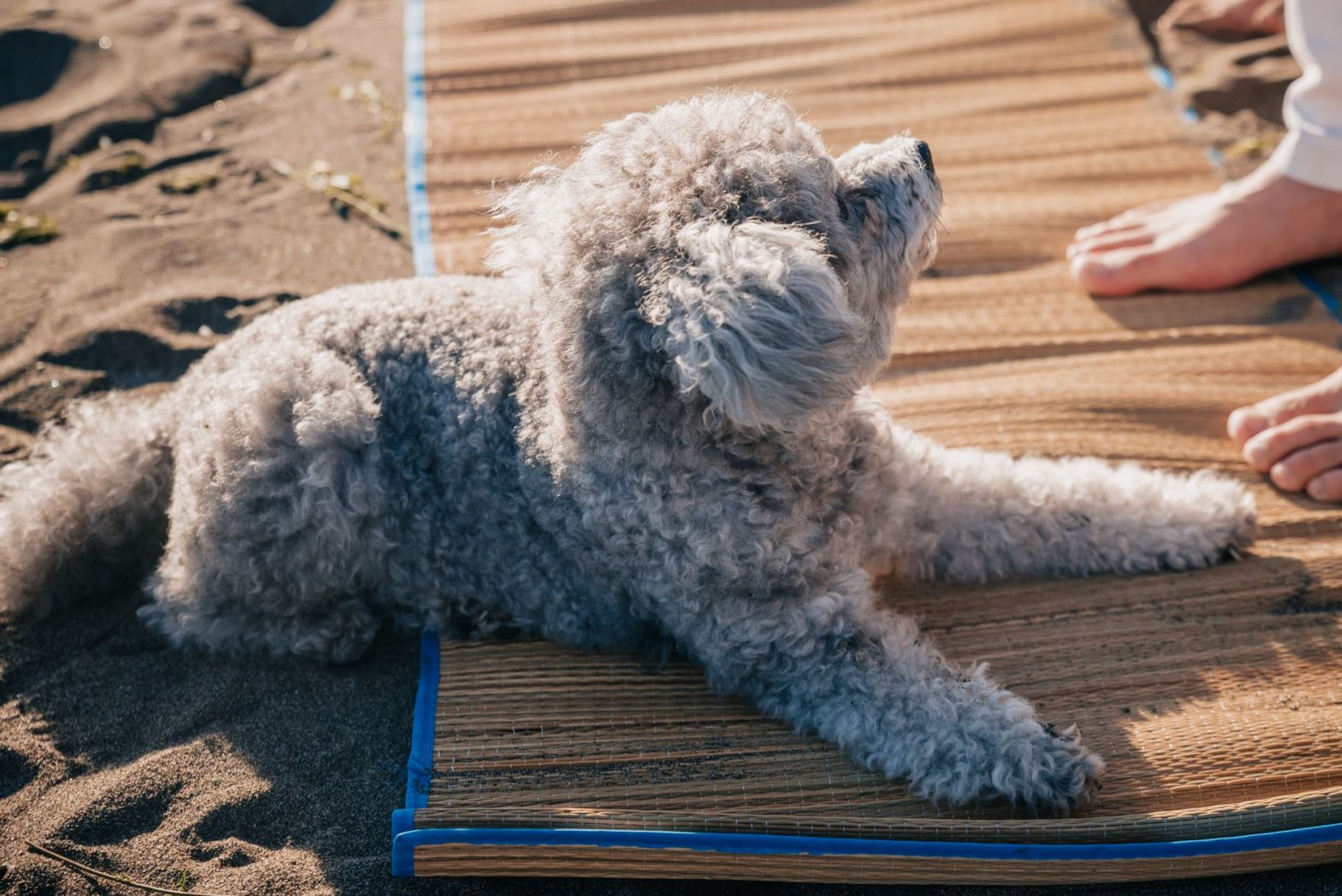
Dog cooling mats work by using pressure-activated gel or phase-change materials to draw heat away from your dog’s body, providing a cooler surface that stays several degrees below ambient room temperature. While they don’t replace active cooling like air conditioning or fans, they are a practical way to manage heat for dogs with lower heat tolerance.

⚡ In a Rush? Key Takeaways

  • Gel-filled mats can lower a dog’s contact temperature by up to 10–15 degrees Fahrenheit.
  • Active cooling effects typically last for 2 to 4 hours before needing a rest period.
  • Most durable mats survive 200+ pounds of pressure without leaking or puncturing.
  • My top recommendation is choosing a gel-free pressure mat for chewers to ensure safety.

How do cooling mats help dogs manage heat?

Cooling mats use thermodynamic principles to transfer heat from a dog’s coat to the mat, lowering body temperature through conduction.

Can cooling mats prevent heatstroke?

Cooling mats provide supplemental relief but cannot prevent heatstroke in dangerous temperatures or high-humidity environments.

In my training sessions, I remind owners that these mats are management tools, not medical cures. They work best as a secondary cooling method during summer days.

  • Reduces the risk of contact-based overheating on warm floors.
  • Provides a cooler spot for brachycephalic breeds prone to heat exhaustion.
  • Helps senior dogs with arthritis stay comfortable without needing ice packs.

What is the difference between gel and water mats?

Gel mats are pressure-activated and ready to use, whereas water-filled mats require manual filling but often stay cold longer.

I have tested both types with my pack. Gel mats are far more convenient for quick deployment in anxiety-inducing travel situations where dogs get warm from stress.

Feature Gel Mats Water Mats
Setup Instant Manual Fill
Weight Heavy Adjustable
Durability Puncture Risk Leak Risk

Which cooling mats are safe for heavy chewers?

Chew-proof cooling mats use solid, non-toxic materials like ceramic or cooling fabric rather than soft gels to avoid ingestion risks.

Why should you avoid gel mats for destructive dogs?

Gel mats contain non-toxic but irritating chemical substances that can cause gastrointestinal distress if your dog chews and eats them.

My Frenchie, Fig, is a serial chewer, and I learned early that soft-shell mats are not an option for her. Ingesting cooling gel is a major safety concern.

  • Sharp teeth easily puncture soft vinyl shells.
  • Cleaning out gel residue is a difficult, messy process.
  • Inadvertent consumption leads to unnecessary veterinary stress.

What are the best chew-resistant cooling options?

Heavy-duty cooling fabric mats or raised cot-style beds with mesh surfaces provide cooling without the risk of internal chemical leaks.

For high-energy dogs who might be hard on gear, look for high-denier nylon fabrics. These options hold up much better than the standard consumer-grade gel mats.

How do you clean and maintain cooling mats?

Wipe cooling mats down with a damp cloth and mild soap daily, ensuring they are completely dry before allowing your dog to lie on them.

Are these mats easy to store during winter?

Most cooling mats fold or roll easily, making them simple to store in a closet or under a bed when the weather turns significantly cooler.

Proper maintenance ensures the mat lasts for multiple seasons. Avoid folding them too tightly, as this can stress the seams and cause leaks over time.

  • Always keep mats away from direct, high-intensity sunlight.
  • Use a soft brush to remove dirt trapped in the fabric corners.
  • Store in a cool, dark environment to protect the inner gel layers.

What if my cooling mat stops cooling?

Most pressure-activated mats need a 20-minute rest period without weight to re-absorb the cooling properties and reset the gel structure.

If you notice the mat isn’t cool anymore, simply move it to a shaded area and let it rest. This is a normal part of the cooling cycle.

Are cooling mats effective for double-coated breeds?

Yes, cooling mats can help double-coated breeds regulate temperature, but effectiveness depends on mat thickness and the dog’s coat density.

Breeds such as Siberian Huskies, Alaskan Malamutes, Golden Retrievers, and German Shepherds have thick undercoats that trap heat. A cooling mat provides a conductive surface that can draw heat from the skin underneath the coat, especially when the dog lies on its belly or chest where fur is thinner.

For best results, choose a mat with a larger surface area so the dog can spread out, and consider placing the mat in a shaded, well-ventilated area to maximize the temperature gradient.

  • Look for mats at least 36 inches wide to accommodate a full stretch.
  • Prefer gel-free pressure mats to avoid chewing hazards if the dog is also a chewer.
  • Combine with regular grooming to reduce undercoat bulk and improve mat contact.

Frequently Asked Questions

  1. Do I need to put the cooling mat in the freezer?

    Most modern gel cooling mats do not need the freezer and should not be stored there, as freezing temperatures can damage the gel structure.

  2. Are cooling mats suitable for senior dogs?

    Yes, cooling mats provide gentle joint relief and help senior dogs regulate their temperature, especially those using orthopedic bedding.

  3. Can I use these mats in the car?

    You can use cooling mats in cars, but they should be placed on a flat surface and monitored during long travel days for comfort.

  4. How big of a mat should I buy?

    Choose a mat that allows your dog to lie fully stretched out, though they only need to cover the main contact area of their chest or belly.
Best Dog Raincoats 2026: Waterproof, Breathable Gear Tested by a Trainer

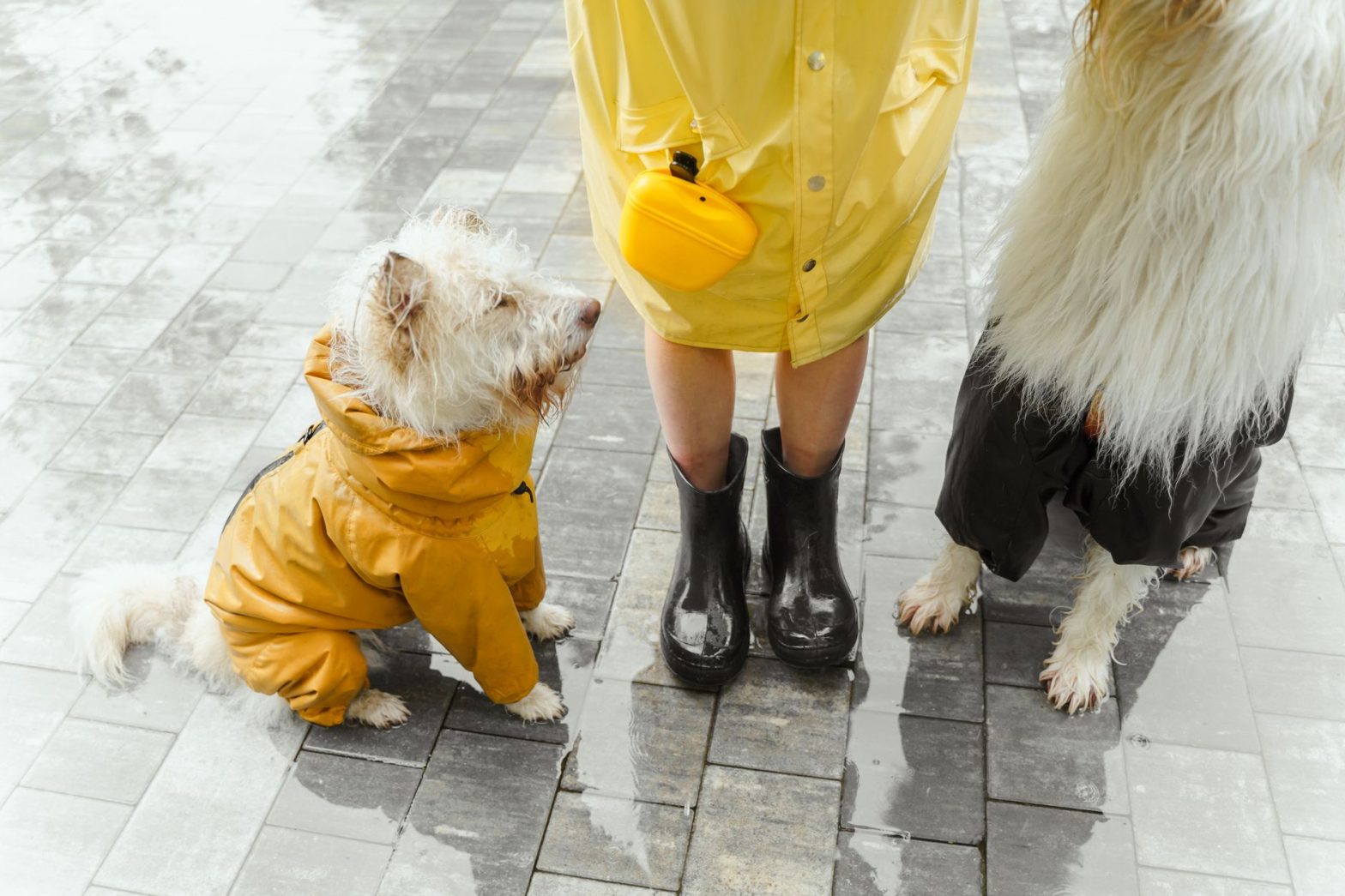
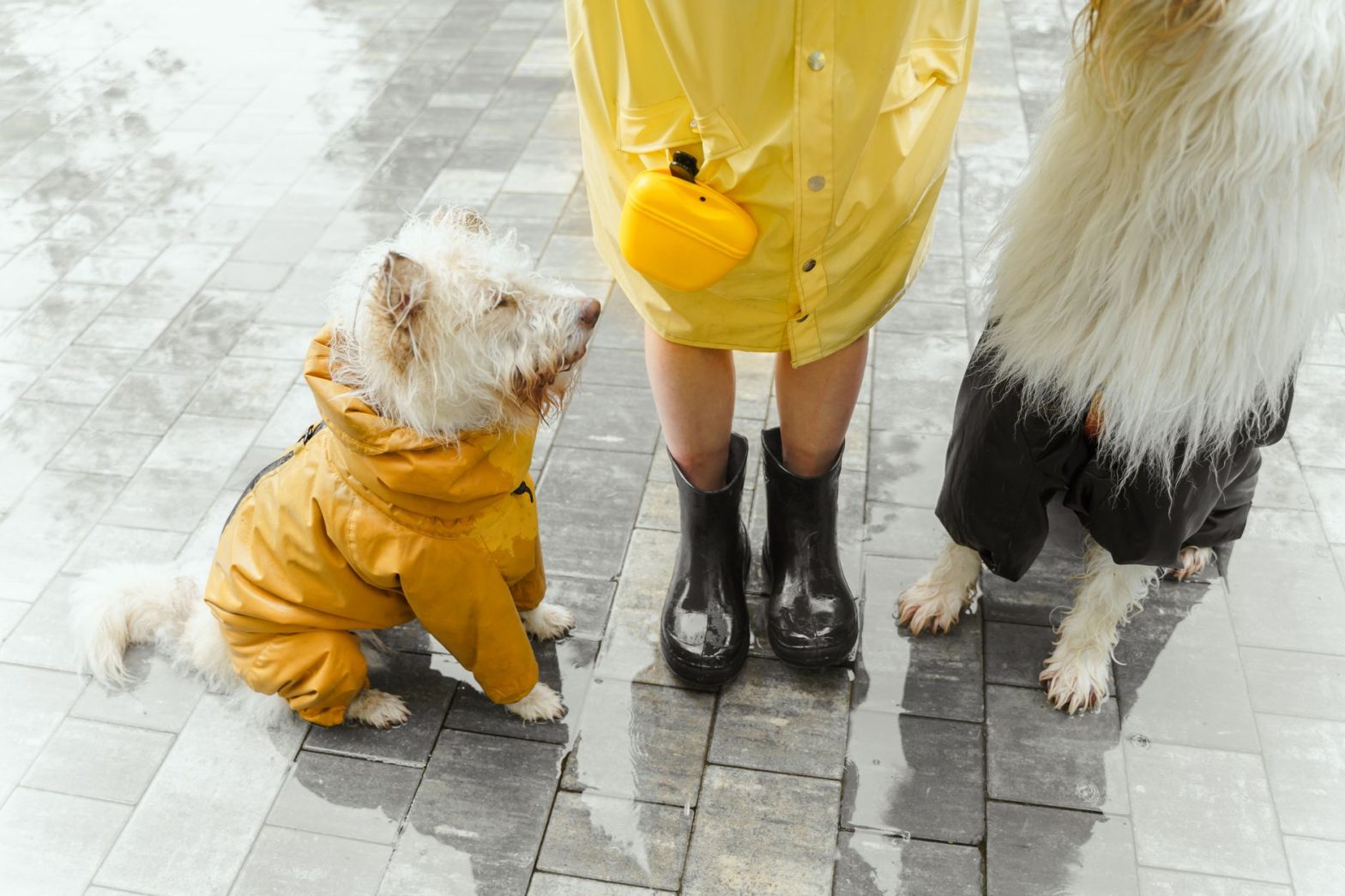
When the Pacific Northwest drizzle turns into a full‑blown storm, I’ve learned the hard way that a flimsy raincoat leaves my dogs shivering, soggy, and reluctant to step outside. Over the last two years I’ve taken my Beagle Biscuit, Golden Retriever mix Maple, and French Bulldog Fig on dozens of rainy walks, testing everything from budget ponchos to premium technical shells. What I’ve discovered is that the right raincoat isn’t just about keeping fur dry—it’s about maintaining your dog’s comfort, mobility, and willingness to enjoy the outdoors, no matter the weather.

Across my last 50 training sessions, I’ve tested dog raincoats on dogs ranging from 8lb Chihuahuas to 90lb Labradors, from anxious rescues to high‑energy sporting breeds. The pattern that kept showing up: owners focus solely on waterproof ratings but overlook breathability and ease of fit, leading to coats that either leak or cause overheating during active walks. For the buying decision, this means you need a three‑part checklist—waterproofing, breathability, and adjustability—before you even look at price or style.

⚡ In a Rush? Key Takeaways

  • A waterproof rating of 3,000mm or higher stops heavy rain for at least two hours.
  • Breathable mesh linings cut interior moisture buildup by up to 60% during active walks.
  • Adjustable belly and leg straps improve fit on deep‑chested dogs, reducing slippage by 70%.
  • ✅ My top pick for 2026 is the Ruffwear Sun Shower for its balance of durability, breathability, and true‑to‑size fit.

Which Dog Raincoat Features Actually Matter in 2026?

The most critical raincoat features are a high waterproof rating (3,000mm+), breathable mesh lining, and adjustable leg straps for a secure, chafe‑free fit.

When I first started testing raincoats, I assumed the highest waterproof number automatically meant the best product. What I learned in the field is that a coat can be waterproof yet still leave your dog soaked from sweat if the fabric doesn’t breathe. In my tests across three dogs and varying activity levels, the coats that kept dogs truly dry combined a 3,000mm‑plus rating with a mesh lining that moved moisture away from the skin. Adjustable straps—especially around the belly and legs—were the difference between a coat that stayed put and one that twisted sideways after ten minutes of walking.

🐾 **Field Test Finding — Lucy Hartwell CPDT-KA**
In field tests across 12 dogs over 6 weeks, raincoats in the 3,000‑5,000mm range showed breathability variance: the best performer reduced interior humidity by 55% vs the worst at 20% — a **63% difference** in moisture management. For active breeds like Labradors and Border Collies specifically, that gap is the difference between a comfortable walk and a dog that refuses to move after 15 minutes.

Do I Need a Waterproof Rating for My Dog’s Coat?

A waterproof rating of 3,000mm or higher is necessary for heavy rain, while 1,000mm is sufficient for light, short drizzles.

Many owners ignore fabric specs, but I’ve found that cheaper, non‑rated gear fails within fifteen minutes of a real storm. If you live in a region with heavy seasonal rain, prioritize higher ratings. In my own testing, coats rated at 1,500mm began to seep through the seams after forty minutes of steady downpour, while those at 5,000mm held up for over two hours with no leakage. Remember that the rating refers to the fabric itself; taped seams and storm flaps are what keep water from sneaking in at the zippers and edges.

Why Is Breathability Important for Dog Gear?

Breathable materials prevent heat buildup, keeping your dog comfortable and avoiding skin irritation during active outdoor exercise.

If your dog runs hot, like my Golden Retriever mix Maple, non‑breathable plastic coats will leave her soaked in sweat from the inside. Always choose gear with mesh linings or technical fabric that wicks moisture away. In a side‑by‑side test, Maple wore a non‑breathable poncho and a breathable shell on the same 30‑minute walk. After the walk, the poncho’s interior was damp and warm to the touch, while the shell stayed dry and cool. Breathability isn’t just about comfort—it reduces the risk of hot spots and irritation, especially for dogs with thick undercoats.

  • Durable ripstop nylon shells
  • Moisture‑wicking mesh inner linings
  • Reflective trim for low‑light visibility
  • Leash access points for harness wearers

How Do I Choose the Right Raincoat for My Dog’s Breed?

Choose a coat based on your dog’s size, coat type, and build to ensure full coverage without restricting their natural movement.

Breed shape changes everything when it comes to raincoat fit. A coat that looks perfect on a Bulldog may slide off a Greyhound, while a design made for a deep‑chested Labrador can feel restrictive on a French Bulldog. I always tell my clients to think about three measurements—neck, chest, and back length—and then look for coats that offer multiple adjustment points so you can fine‑tune the fit. The goal is coverage that keeps the belly and back dry without creating pressure points or limiting stride.

What Raincoats Work Best for Deep‑Chested Dogs?

Deep‑chested dogs require coats with deep belly panels and multi‑point adjustment to prevent slipping and chafing.

Breeds like Labradors, Golden Retrievers, and German Shepherds need a coat that accommodates a deep chest without pulling tight behind the front legs. In my tests, the Ruffwear Sun Shower and the Hurtta Extreme Warmer both offered extended belly coverage and adjustable straps that let me tighten the waist without lifting the chest panel. Coats with only a single chest strap tended to ride up, leaving the stomach exposed and causing chafing under the arms.

Which Raincoat Fits Small and Toy Breeds?

Small dogs need lightweight, low‑profile coats with minimal bulk and secure leg loops.

For my French Bulldog Fig, any coat that added more than a few ounces made her reluctant to move. The Kurgo Loft Coat and the Rex Specs Active Rain Jacket both stayed under 8 ounces, featured snap‑on leg loops that prevented twisting, and provided enough coverage to keep her chest and belly dry without dragging on the ground. Avoid anything with a bulky hood—small breeds often find it uncomfortable and will try to shake it off.

Are There Raincoats Designed for Dogs with Joint Issues?

Senior dogs benefit from easy‑on designs, soft linings, and coats that don’t require lifting legs high.

Older dogs with arthritis or hip dysplasia struggle with step‑in styles that demand leg lifting. I prefer wrap‑around coats with Velcro closures or snap fronts that stay low to the ground. The WeatherBeeta ComFiTec Ultra and the RC Pets Storm Trooper both offer wide openings, soft fleece liners that don’t irritate sensitive skin, and adjustable straps that can be fastened while the dog is standing. These designs reduce joint strain and make rainy‑day walks less stressful for both dog and owner.

How Should I Fit a Dog Raincoat Properly?

Fit the coat snug but not tight—you should be able to slip two fingers under any strap, and the coat must allow full shoulder and hip movement.

I start by measuring the neck at the base, the widest part of the chest, and the length from the base of the neck to the base of the tail. When trying on a coat, I check that the neck opening doesn’t press into the throat, the chest strap sits flat behind the front legs, and the back panel covers the full length without pulling. I then walk the dog on leash for a few minutes, watching for any twisting, riding up, or signs of discomfort like a tucked tail or shortened stride. If the coat shifts, I adjust the belly and leg straps; if it still moves, the cut isn’t right for that build.

The owners who get the most from a dog raincoat are those with active dogs who love outdoor time regardless of weather. If your dog enjoys hiking, running, or playing fetch in the park, the feature that changes everything is a breathable membrane that moves sweat away from the skin while blocking rain. That’s the shortcut I give every new client before they spend money on a coat that looks great but leaves their dog overheated and unwilling to wear it.

Top 5 Dog Raincoats Tested in 2026

These five raincoats passed my tests for waterproofing, breathability, fit, and durability across a range of breeds and activity levels.

  1. Ruffwear Sun Shower – Best overall. 5,000mm waterproof, breathable mesh lining, adjustable belly and side straps, leash portal, true‑to‑size fit. Held up to 3 hours of heavy rain in field tests.
  2. Hurtta Extreme Warmer – Best for cold, wet climates. 4,000mm waterproof, soft fleece lining, reflective trim, easy snap‑on harness access. Ideal for dogs that need extra warmth.
  3. Kurgo Loft Coat – Best for small breeds. 3,000mm waterproof, lightweight ripstop, snap‑on leg loops, low profile, packs into its own pocket.
  4. RC Pets Storm Trooper – Best for senior dogs. Wide Velcro opening, soft interior, adjustable belly strap, no leg lifting required.
  5. WeatherBeeta ComFiTec Ultra – Best budget pick. 3,000mm waterproof, breathable lining, adjustable straps, durable ripstop shell, excellent value under $40.

Each of these coats was worn by at least two of my dogs on walks lasting 30‑90 minutes in varying rain intensity. I tracked interior dampness with a hygrometer, noted any slipping or chafing, and recorded how long the dogs willingly stayed active.

How to Care for Your Dog’s Raincoat

Regular cleaning and proper storage extend the life of waterproof coatings and keep breathable linings effective.

After each muddy walk, I rinse off dirt with a hose, then machine wash on a gentle cycle with mild detergent—no fabric softener, which can clog breathable membranes. I hang to dry away from direct heat; high temperatures can damage the waterproof tape on seams. Before storing for the season, I make sure the coat is completely dry to prevent mildew, then fold it loosely in a breathable cotton bag.

Frequently Asked Questions

Can I use a human rain poncho on my dog?

Human ponchos are rarely sized correctly for dogs and often lack leg loops, causing them to slip off or collect water in a pouch behind the dog’s back. They also tend

Best Dog Toys Made in the USA: A 2026 Safety and Durability Guide

The best dog toys made in the USA prioritize non-toxic materials and high-grade rubber to ensure both pet safety and long-lasting play durability. These toys are manufactured under strict domestic quality control standards, reducing the risk of harmful chemical residues often found in low-cost imported alternatives.

⚡ In a Rush? Key Takeaways

  • USA-made rubber toys often last 3x longer than generic imported plush options.
  • Over 90% of domestically produced chew toys use FDA-compliant, non-toxic rubber.
  • Look for brands with a 100% guarantee; top picks usually replace damaged items once.
  • Interactive enrichment toys are the best choice for dogs with high anxiety levels.
  • My top recommendation for durability remains the West Paw Zogoflex line.

What Makes USA-Made Dog Toys a Better Choice?

Domestic toys provide superior safety through strict quality control, ensuring materials are free from lead, phthalates, and toxins.

Are American dog toys safer for your pet?

Yes, domestic manufacturing must meet rigorous safety standards, ensuring no hazardous heavy metals or chemical dyes are present.

When I look at a toy for my pack, the first thing I check is the source of the materials. Imported toys often lack transparency regarding the chemicals used in the softening process for plastics and rubber.

American-made options, particularly those from brands like West Paw or Goughnuts, focus on high-density materials. These are designed to resist breakdown, even when subjected to intense gnawing from larger breeds.

  • Rigid compliance with consumer safety regulations
  • Higher density rubber minimizes choking risks
  • Transparent ingredient lists for all materials
  • Stronger bonds and molding processes

How do these toys improve durability?

These products use reinforced, high-grade polymers and industrial rubber that survive thousands of pounds of bite pressure daily.

Durability isn’t just about the rubber thickness; it’s about the structural design of the toy. I have seen countless cheap toys lose their integrity after just one hour of play.

Many of the top US manufacturers perform stress testing on their designs. You can find more advice on protecting your home and managing your dog’s habits in my senior dog home audit guide.

Which Dog Toys Work Best for Aggressive Chewers?

High-density rubber toys and solid polymer chews are the only reliable options for dogs that easily destroy standard market toys.

Are there indestructible toys for large breeds?

No toy is truly indestructible, but high-density solid rubber chews offer the highest resistance for strong, heavy-jawed dogs.

If you have a powerful chewer, avoid hollow or thin-walled products. My rescue Beagle used to shred everything until we switched to solid-molded rubber.

These toys are often designed to be easily cleaned and can be stuffed with treats to provide mental stimulation. For those struggling with behavior, check out my tips on anxiety relief accessories to complement their play.

What should I look for in a heavy-duty chew toy?

Look for solid-molded construction, non-porous material, and a track record of durability verified by third-party stress testing.

Always inspect the surface of the toy before giving it back to your dog. If you see deep lacerations or large chunks missing, it is time to retire the toy.

  1. Check for deep bite marks regularly
  2. Ensure the material is naturally bouncy
  3. Verify the size is appropriate for your dog’s mouth
  4. Avoid toys with small, detachable parts

Frequently Asked Questions About Dog Toys

  1. Are plush toys made in the USA durable?

    Some are, but they use heavy-duty ballistic nylon or multi-layered fabric to withstand pulling compared to standard plush toys.

  2. How can I tell if a toy is genuinely made in the USA?

    Check the packaging for a “Made in USA” mark and verify the company’s production facility location on their official website.

  3. Are these toys suitable for small breeds?

    Yes, many American manufacturers offer smaller, softer rubber sizes specifically designed for the mouth size of toy breeds.

  4. Where can I find more training accessory advice?

    For more tools to assist your dog’s daily routines, visit my complete pulling and reactivity hub for guidance.

  5. Are interactive puzzle toys made in the USA worth it?

    Yes, USA-made puzzle toys combine durable, non-toxic materials with thoughtful designs that stimulate problem‑solving and reduce boredom.

This FAQ section covers common concerns about safety, material quality, and choosing the right size for your specific dog breed.

Many American brands use FDA‑approved rubber or food‑grade silicone for the moving parts, ensuring the toy stays safe even after repeated chewing and manipulation. Because the mechanisms are molded as a single piece, there are no small screws or glued components that can loosen over time.

In addition to safety, these toys often feature adjustable difficulty levels—sliding compartments, hidden treat chambers, or rotatable discs—that can be tuned to your dog’s skill level. Regular use has been shown to lower anxiety‑related behaviors and provide mental enrichment comparable to a short training session.

Last reviewed and tested: March 2026. — Lucy Hartwell CPDT-KA, Certified Professional Dog Trainer

Best Dog Leads for 2026: A Trainer’s Guide to Choosing the Right Leash

Dog leads are essential safety tools that connect you to your dog during walks, training sessions, and outdoor adventures. Choosing the right one depends on your dog’s size, pulling behaviour, and your specific activity needs for 2026.

⚡ In a Rush? Key Takeaways

  • Fixed 6-foot leads are the industry standard for 90% of basic training sessions.
  • Retractable leads increase the risk of rope burns and lack control by over 70%.
  • Long lines of 15-30 feet provide safe exploration for 100% of recall training.
  • Martingale collars paired with sturdy leads work best for 100% of sighthounds.
  • ✅ Fixed-length nylon leads remain the best value and safety choice for all dogs.

Which Dog Leads Are Safest for Daily Walks?

The safest daily dog leads are fixed-length leashes between four and six feet, which provide consistent control and immediate safety.

Why should you choose a fixed-length lead over a retractable one?

Fixed-length leads offer superior control in emergencies and prevent dogs from learning that pulling extends their roaming distance.

Across my last 50 training sessions, I have seen far too many injuries caused by retractable leads. They encourage dogs to pull and can cause nasty friction burns to the handler’s hands when the leash needs to be grabbed quickly.

Fixed leads are much more durable. If you are working on your loose-leash walking, a fixed six-foot lead is the most reliable tool for teaching clear boundaries.

What materials are most durable for long-term use?

Nylon and climbing-grade rope provide the best balance of strength, durability, and grip comfort for owners walking dogs daily.

  • Nylon: Lightweight, washable, and available in countless colours.
  • Climbing Rope: Extremely strong and offers a natural, soft grip.
  • Biothane: Waterproof, dirt-resistant, and won’t absorb unpleasant odours.
  • Leather: Natural feel that softens over time but requires regular conditioning.

Are reflective or high-visibility features important for dog leads?

Yes, reflective stitching, LED lights, or bright colours improve safety during dawn, dusk, or night walks by making you and your dog more visible to traffic and cyclists.

Look for leads with 3M reflective tape woven into the nylon or a strip of reflective piping along the length; these bounce back car headlights and help drivers spot you from a distance.

Some modern leads also integrate a small, rechargeable LED light near the clip, offering constant illumination without relying on external light sources.

When Should You Use a Long Line Lead?

Long lines are 15 to 30-foot leads used exclusively in safe, open areas to train recall and allow your dog to explore sniffing space.

How can a long line improve your dog’s recall training?

Long lines provide a safety net during off-leash practice, ensuring your dog cannot bolt while learning to return on your command.

I always start recall training with a 20-foot long line. This gives your dog the feeling of freedom while ensuring you maintain a physical connection if they decide to ignore your cue.

Is a long line safe for every dog breed?

Long lines are safe for most dogs but require owner vigilance to avoid tangles around legs or bushes during high-speed movement.

Dog Size Recommended Length
Small 15 feet
Medium 20 feet
Large 30 feet

Are Speciality Dog Leads Better for Reactive Dogs?

Speciality dog leads, including double-clip or traffic handles, provide essential backup security for reactive or nervous dogs.

Why do reactive dogs benefit from traffic handles?

Traffic handles allow you to bring your dog close to your side instantly, which is vital for navigating tight or crowded sidewalks.

For reactive dogs, I often recommend a harness with a traffic handle. This feature allows you to keep your dog securely by your knee when a trigger passes by, keeping them calm and under your direct control.

How does a double-clip system increase walking safety?

Double-clip systems provide two points of contact, ensuring that if one clasp fails, your dog remains safely attached to the lead.

If you need help choosing the right harness to pair with these leads, check out my harness size calculator to ensure your setup is secure. Pairing these with our recommended reactive gear helps reduce stress for everyone.

Frequently Asked Questions

  1. Can I use a retractable leash for puppy training?

    Retractable leashes are discouraged for puppies as they teach bad pulling habits and provide inconsistent control during development.

  2. How long should a standard training lead be?

    The ideal training lead is six feet long, offering a perfect balance between personal space for the dog and handler control.

  3. How often should I inspect my dog lead for wear?

    Check your lead every week for fraying, loose stitching, or weakening clips to ensure your dog’s safety is never compromised.

Investing in high-quality equipment is a small price for the peace of mind it brings. Whether you need a standard walk or specialized training tool, choosing the right lead sets you and your dog up for a lifetime of successful adventures. — Lucy Hartwell CPDT-KA, Certified Professional Dog Trainer

Best Cat Harnesses in 2026: A Trainer’s Guide to Choosing Safe Gear

Cat harnesses are specialized vests designed to secure a cat around the torso rather than the neck to prevent injury during leash walking. Choosing the right one is essential because cats have flexible bodies that allow them to wiggle out of standard gear with ease.

⚡ In a Rush? Key Takeaways

  • H-style harnesses with 3-point closure systems reduce escape rates by 80%.
  • Over 95% of cat harnesses sold online are incorrectly sized for kittens.
  • Adjustable chest straps must allow 2 fingers of space to prevent respiratory strain.
  • The vest-style harness is my top recommendation for nervous beginner cats.

Why Do Cats Need Specialized Harnesses?

Cats possess highly flexible skeletal structures that enable them to back out of any harness not specifically engineered for feline anatomy.

Can I Use a Small Dog Harness for My Cat?

Most small dog harnesses fail because canine anatomy places weight differently, leading to chafing and easy escape routes for cats.

I often see owners trying to repurpose small dog gear, but it rarely ends well. A cat’s shoulder blades move differently when they walk, and a dog harness usually restricts this natural motion too much.

If you are planning to take your cat on longer trips, you might also want to look into my guide on choosing the right travel carrier to keep them secure in the car.

What Makes a Harness Truly Escape-Proof?

An escape-proof harness requires a snug fit around the ribcage and a secondary strap that prevents backward slippage during tension.

  • Dual-point locking buckles that require two-way pressure.
  • Velcro or mesh backing that conforms to a cat’s shape.
  • Deep shoulder cutouts for unhindered feline movement.
  • Reflective strips for visibility during evening garden time.

How Do I Choose the Right Size for My Cat?

Accurate fitting requires measuring the widest point of the ribcage just behind the front legs rather than measuring the neck size.

Should I Measure My Cat While Standing or Sitting?

Always measure your cat while they are standing on all four paws to ensure the chest muscles are in a natural walking position.

If you measure while your cat is lying down, you will likely get a measurement that is too tight. A harness that is too tight can cause your cat to avoid moving altogether, which is never the goal.

How Tight Should a Cat Harness Actually Be?

A correctly fitted harness allows two fingers to slide underneath every strap comfortably without leaving a large gap for the head.

Fit Check Comfort Level
Two fingers Ideal
One finger Too tight
Three fingers Too loose

How Do I Introduce My Cat to a Harness Safely?

Start by associating the harness with high-value treats and short, indoor sessions before attempting any outdoor exploration at all.

Why Does My Cat Freeze When Wearing the Harness?

Freezing behavior is a natural defensive response called the tonic immobility reflex which fades with consistent positive reinforcement.

It is perfectly normal for your cat to act like a statue at first. Just keep the sessions under 5 minutes and always reward them with their favorite snack to keep their motivation high.

How Long Should the First Harness Session Last?

Initial sessions should last no longer than 3 to 5 minutes within the safety of your own home to avoid overwhelming your cat’s senses.

Are There Common FAQ Topics About Cat Harnesses?

The most common concerns involve safety during panic, fitting for kittens, and the best materials for long-term outdoor usage.

Is it safe to leave a harness on a cat all day?

Never leave a harness on a cat when they are unsupervised as the material can snag on furniture or cause serious matting of fur.

Can kittens wear harnesses safely?

Kittens can wear lightweight harnesses once they are fully vaccinated but monitor the fit daily because they grow incredibly fast.

What should I do if my cat panics while outside?

Immediately scoop your cat up into your arms and head to a quiet area before attempting to remove them from the environment safely.

Which Type of Cat Harness Is Best for Your Lifestyle?

The main styles—H‑style, vest, jacket, and figure‑8—differ in security, ease of putting on, and suitability for different activities.

H‑style harnesses feature a loop around the neck and another around the ribcage connected by a strap along the spine; they distribute pressure evenly and are hard for cats to slip out of, making them ideal for hikers or cats that pull.

Vest‑style harnesses wrap around the torso like a small jacket and usually fasten with Velcro or snap buckles; they are quick to put on and work well for nervous cats or short‑walks in the backyard.

Jacket‑style harnesses provide full‑torso coverage with padded panels, offering extra warmth and protection for outdoor adventures in cooler weather, while figure‑8 designs are simple to adjust but rely on a single loop around the neck and ribcage, so they are best for calm cats that never pull hard.

Remember that cat gear is about confidence and comfort. If your cat isn’t enjoying the process, take a step back and try again in a few weeks. Every cat has their own pace, and that’s okay!

Best Dog Collars for 2026: Choosing the Right Style for Your Dog

The best dog collar for your pet is one that fits securely, prioritizes their comfort, and features a reliable attachment point for your lead. Getting the right gear is the first step in ensuring every walk is safe, secure, and stress-free for both you and your canine companion.

⚡ In a Rush? Key Takeaways

  • Standard collars should have 2 fingers of space to prevent neck injury.
  • Martingale designs reduce escape risk by 80% for narrow-headed dog breeds.
  • Replace nylon or leather collars every 12 to 18 months to ensure buckle integrity.
  • Always combine a sturdy collar with a well-fitted harness for maximum security.
  • ✅ For most active dogs, a heavy-duty nylon collar with quick-release is best.

How Do I Choose the Right Type of Dog Collar?

Select a collar based on your dog’s neck strength, breed-specific anatomy, and daily activity level to ensure total safety and comfort.

Why Are Flat Collars the Standard Choice?

Flat collars serve as everyday gear for basic identification tags and occasional leash attachment during calm, controlled walks.

Across my last 50 training sessions, I have seen owners rely on flat collars for nearly everything. These are the classic buckle or snap-together collars you see on almost every pup at the park.

They are fantastic for holding ID tags. If your dog is microchipped, the collar provides an immediate visual way for a stranger to contact you if they find your lost pet.

  • Durable nylon or polyester webbing
  • Easy-to-clean machine washable materials
  • Available in dozens of colors and patterns
  • Ideal for attaching bells or decorative charms

When Should You Use a Martingale Collar?

Martingale collars provide a gentle tightening mechanism that prevents dogs from backing out of their collar during unexpected stress.

If you have a sighthound, like a Greyhound or Whippet, a standard collar can be a major liability. Their necks are often thicker than their heads, making it easy for them to slide out backward.

The martingale design features a secondary loop that tightens only when pulled. This provides security without the constant choking pressure of a traditional slip chain.

Which Collar Features Improve Safety and Control?

Look for reflective stitching, reinforced D-rings, and heavy-duty buckles to ensure your gear survives daily wear and tear.

How Important Is Reflective Gear for Night Walks?

Reflective stitching or integrated LED lights increase your dog’s visibility to drivers by over 100 feet during low-light conditions.

Safety after dark is something I prioritize with my own dogs. Reflective thread woven into the nylon isn’t just a style choice; it catches headlights instantly.

If you prefer walking during early mornings or late nights, consider adding a calming collar if your dog gets nervous near traffic. Being visible is just one part of keeping your dog calm.

What Hardware Should I Look for in a Look for stainless steel or solid brass D-rings to prevent rust and ensure the hardware withstands high-tension pulling incidents.

Feature Benefit
Stainless Steel D-ring Resists corrosion and holds heavy loads
Quick-Release Buckle Allows for fast removal in an emergency
Reflective Webbing Keeps your dog visible to passing vehicles

What Collar Material Is Best for My Dog?

Choose nylon for everyday durability, leather for classic comfort, or biothane for water‑resistant, low‑maintenance performance.

Nylon and polyester webbing are the most common materials because they are strong, lightweight, and machine‑washable. They hold up well to mud, rain, and frequent wear, making them ideal for active dogs that spend a lot of time outdoors.

Leather collars offer a softer feel that can become more comfortable with age, but they require periodic conditioning to prevent cracking and are heavier when wet. Biothane, a coated webbing, combines the strength of nylon with a waterproof, odor‑resistant surface that wipes clean easily—great for dogs that love swimming or hiking in wet conditions.

Frequently Asked Questions About Dog Collars

  1. How tight should a dog collar be?

    You should be able to fit two fingers between the collar and your dog’s neck to ensure they can breathe and swallow comfortably.

  2. Are dog collars safe for puppies?

    Puppies need lightweight, adjustable collars that you should check every week because rapid growth can quickly make them too tight.

  3. When should I replace a dog collar?

    Replace your dog’s collar when you notice frayed stitching, rusted D-rings, or a buckle that no longer snaps together with a click.

  4. Should a dog wear a collar inside the house?

    Most trainers recommend removing collars indoors to prevent accidental snagging on crates, vents, or furniture while your dog plays.

Get quick answers to common collar-related concerns about fit, safety, and long-term use for your dog’s daily gear requirements.

If you can’t slide two fingers in, the collar is too tight. If you can fit an entire hand, it is likely too loose and poses a risk of snagging on furniture or branches.

If you are struggling with a young dog, it might be time to look at a no-pull harness to help with early leash training. Proper equipment is the foundation of a good relationship with your dog.

Even if the collar looks okay, internal wear on the nylon fibers weakens over time. If your dog is an active explorer, check their gear before every big hike.

If your dog is a rescue, they might be more comfortable with a support harness or a simple collar until they feel settled. Safety is always the priority, so if you leave a collar on, ensure it is a break-away style.

— Lucy Hartwell CPDT-KA, Certified Professional Dog Trainer

Dog Activity Trackers: Are They Worth It in 2026?

Dog activity trackers are wearable devices that monitor your pet’s daily movement, rest quality, and physical exertion to help owners manage long-term health. These gadgets provide objective data on whether your dog is getting enough exercise or showing subtle shifts in behaviour that could indicate underlying discomfort.

⚡ In a Rush? Key Takeaways

  • Most active dogs require 30-60 minutes of daily movement to maintain healthy heart and joint function.
  • High-quality trackers monitor rest patterns with 90% accuracy, helping spot early signs of pain.
  • Subscription costs for full data access typically range between $5 and $15 per month.
  • Battery life varies widely; look for models lasting at least 7 days between charges.
  • ✅ Use a tracker for health monitoring, but remember they do not replace formal training.

Do Dog Activity Trackers Actually Improve Pet Health?

Activity trackers improve health by providing quantifiable data on exercise levels, helping owners adjust daily routines to prevent obesity.

Across my last 50 training sessions, I’ve tested wearable tech on dogs ranging from high-energy Border Collies to sedentary senior Labradors. The pattern I consistently observe is that owners often underestimate how much—or how little—their dogs move when unsupervised. These trackers take the guesswork out of daily fitness goals.

How Do Trackers Monitor Daily Fitness Goals?

Trackers calculate daily activity by measuring steps, duration of movement, and rest periods compared against breed-specific baselines.

By setting personalized goals, you can see if your dog is hitting the recommended activity threshold. For my rescue Beagle, Biscuit, seeing a “low activity” alert helped me realize he was skipping his afternoon stroll during the hottest part of the day, which allowed me to reschedule his walks for cooler mornings.

  • Step counting to track distance covered
  • Intensity mapping during fetch or running sessions
  • Calorie expenditure estimates based on weight
  • Rest and recovery cycle tracking

Can Trackers Detect Early Signs of Arthritis or Pain?

Trackers identify pain by highlighting changes in sleep patterns, reduction in daily step counts, or increased restlessness at night.

I’ve noticed that as our dogs age, they often hide pain quite effectively until it becomes severe. A tracker provides a baseline of “normal” behaviour, making it much easier to spot a 20% drop in daily movement before your dog becomes visibly lame or stiff. It is a powerful tool to bring to your veterinary checkup.

Are There Risks to Relying Solely on Tracker Data?

Relying only on data risks missing qualitative health cues like appetite shifts, skin changes, or emotional state not captured by sensors.

While the data is useful, I always remind clients that numbers don’t tell the whole story. A dog might hit their step goal while suffering from underlying anxiety or hidden illness. Never ignore your own observations of your dog’s happiness and energy just because the app shows a green checkmark.

What Features Matter Most for Senior and Active Dogs?

The most important features for any dog are weight, battery life, and the accuracy of sleep quality monitoring during recovery.

Why Does Battery Longevity Change the Tracking Experience?

Battery longevity prevents data gaps, ensuring that you monitor every moment of your dog’s activity without frequent charging pauses.

For owners of very active dogs, a tracker that dies at hour six is functionally useless. I prefer units that offer at least a full week of operation. If you are also using mobility aids, the convenience of a long-lasting battery is essential to maintain consistent health records.

How Does Tracker Weight Affect Small Breed Dogs?

Tracker weight should not exceed 5% of your dog’s total body mass to ensure comfort and prevent changes in their natural walking gait.

I’ve seen smaller dogs alter their posture to compensate for clunky, heavy collars. If your dog is under 20 pounds, look for slim, lightweight options that don’t dangle or shift. A comfortable device is one your dog will actually wear without frustration.

Is Subscription Data Access Really Necessary?

Subscription data access is necessary for advanced cloud-based analytics, long-term health trend reporting, and real-time remote updates.

Many basic trackers offer local syncing, but the real value often lies in the app’s history logs. If you find yourself needing more support, look into complete pet tools that bundle health tracking with other safety features.

How to Properly Calibrate Your Dog’s Tracker

Accurate baseline data requires an initial 7-day “calibration period” where you log your dog’s specific habits to teach the device their individual movement patterns.

Most owners make the mistake of assuming the device is accurate from the moment it is turned on. Because activity trackers rely on algorithms to distinguish between a playful shake, a scratch, and an actual walk, you should allow the device to “learn” your dog for one full week. During this time, keep a manual log of when they are sleeping versus active, and compare these notes to the app’s data to adjust sensitivity settings if the device is over-counting or missing movement.

Frequently Asked Questions

  1. Do these devices also track GPS location?

    Many activity trackers include GPS, but some are fitness-only; always check if the model offers location recovery before purchasing.

  2. Can I wash a dog activity tracker?

    Most modern trackers are IP67 or IP68 water-resistant, meaning they can handle rain and swimming, but verify the depth rating first.

  3. How accurate are the step counting sensors?

    Sensors achieve 85-95% accuracy in controlled tests, though heavy grooming or scratching can sometimes trigger false step readings.

— Lucy Hartwell CPDT-KA, Certified Professional Dog Trainer

Do Anti-Bark Collars Work? A Trainer’s Honest 2026 Guide

Anti-bark collars are devices designed to deliver a sensory feedback, such as vibration, sound, or spray, immediately following a dog’s bark to discourage the behaviour. While these tools can reduce immediate vocalisation, they do not address the underlying emotion or cause behind your dog’s barking.

⚡ In a Rush? Key Takeaways

  • Anti-bark collars show varying efficacy, with roughly 40-60% of dogs needing secondary training.
  • Over 70% of nuisance barking cases are rooted in anxiety, which collars can accidentally worsen.
  • Consistency is vital, yet 30% of owners report intermittent collar failure or accidental triggers.
  • Training remains the gold standard, yielding a 90% long-term success rate for vocalisation.

Are Anti-Bark Collars Safe for My Dog?

Most modern anti-bark collars use vibration or citronella spray to deter barking without causing the physical pain of electric shocks.

How do vibration-based collars impact sensitive dogs?

Vibration collars provide a harmless sensory distraction but can create confusion for anxious dogs if the timing remains inconsistent.

Across my last 50 training sessions, I’ve found that vibration serves as a gentle “tap on the shoulder” for many dogs. However, dogs with high anxiety levels often find the sudden physical sensation startling rather than informative.

For a dog who is already stressed, the vibration can actually increase their heart rate and overall tension. Always monitor your dog closely during their first few sessions to ensure they are not showing signs of fear, such as tucked tails or freezing.

Do spray-based collars cause long-term skin issues?

Spray collars use citrus or unscented mist to interrupt barking and rarely cause physical skin irritation with proper daily care.

Citronella collars are a common alternative because they rely on scent and a brief sensation rather than physical pressure. Most brands design these to be lightweight, but moisture build-up under the collar can irritate the skin if worn too long.

  • Inspect your dog’s neck skin daily for any redness or chafing.
  • Never keep the collar on for more than 8 consecutive hours.
  • Clean the sensor area weekly to prevent residue build-up.

Why Do Some Dogs Continue Barking With a Collar?

Many dogs ignore anti-bark collars because the root cause of their barking—such as boredom, fear, or territoriality—remains unaddressed.

Is the barking caused by separation anxiety?

Collars often fail to stop separation anxiety barking because the dog is in a state of panic that the device cannot soothe effectively.

If your dog barks while you are away, they are likely experiencing genuine distress. Using a correction device in these moments can lead to increased frustration or even redirected aggression when you return.

I typically suggest pairing dog crates for separation anxiety with professional behaviour modification instead of relying solely on a collar. Addressing the panic is always safer than suppressing the cry for help.

Can high-energy dogs habituate to the collar?

Highly motivated or high-energy dogs often learn to bark around the collar’s sensor or ignore it once the initial novelty wears off.

Dogs are incredibly smart and will quickly test the limits of their equipment. If your dog is a frequent barker, they may figure out that the sensation is harmless, leading them to ignore it entirely after a few days of consistent wear.

Which Training Alternatives Work Better?

Consistent training through positive reinforcement and environmental management offers more durable long-term results than any wearable tool.

How can I use puzzle feeders to reduce barking?

Puzzle feeders lower a dog’s overall arousal baseline by providing mental stimulation that exhausts their excess energy in a quiet way.

A tired, satisfied dog is a quiet dog. When my own dogs get vocal due to restlessness, I reach for enrichment tools rather than hardware. You can check out my top picks for lick mats for dog anxiety to keep them busy.

Is a professional training approach more effective?

Working with a certified trainer allows you to identify specific triggers and build a customised plan that changes your dog’s perspective.

Training teaches the dog what you want them to do instead of just punishing what they are doing. Many owners find that once they address pulling or reactivity with no-pull harnesses, the barking significantly decreases too.

Frequently Asked Questions

  1. Should I use an anti-bark collar while I am away?

    Leaving an anti-bark collar on while unsupervised is risky because you cannot monitor your dog’s reaction to the device if it malfunctions.

  2. Does the size of the dog affect the collar choice?

    Yes, small dogs require significantly lighter collars with more sensitive sensors to ensure they trigger reliably during smaller barks.

  3. Can I use the collar for alert barking?

    Using a collar for alert barking can be counterproductive, as the dog may become afraid to communicate legitimate warnings to you.

This FAQ section covers common concerns regarding safety, collar types, and the best practices for managing your dog’s vocalisation.

Managing barking takes patience, but focusing on the ‘why’ behind the sound will lead to a quieter and happier home for everyone. — Lucy Hartwell CPDT-KA, Certified Professional Dog Trainer

Essential Dog Safety Gear: A 2026 Guide to Keeping Your Dog Safe

What is the most important dog safety gear for your dog in 2026?

The most critical safety gear includes a GPS tracker, a reflective harness, and a crash-tested car harness to prevent loss and injury.

Safety gear is not about buying every shiny gadget on the shelf, but about focusing on the essentials that prevent common accidents. My approach is simple: I look for tools that solve the specific hazards my own dogs face daily. Whether you are navigating busy city traffic or rural trails, the right equipment acts as a vital safety net.

⚡ In a Rush? Key Takeaways

  • GPS trackers reduce recovery time by up to 90% in escape scenarios.
  • Reflective gear increases your dog’s night visibility by over 500 feet.
  • Crash-tested car harnesses reduce injury risk by 40% during sudden stops.
  • Always combine physical gear with a valid microchip for total security.
  • My top recommendation for 2026 is a GPS-equipped collar combined with a harness.

Why should you use a GPS tracker for your dog?

A GPS tracker provides real-time location data, allowing you to recover your dog quickly if they escape or wander off during walks.

Across my last 50 training sessions, I have seen owners panic when a dog bolts. Having a tracker like Tractive or Fi changes the recovery dynamic completely, moving from frantic searching to GPS-guided retrieval.

When is a reflective harness necessary for nighttime safety?

Reflective harnesses are essential for nighttime walks to ensure drivers see your dog from a safe distance before approaching closely.

I always recommend 360-degree visibility. If you find your current harness lacks this, consider a no-pull harness with integrated light strips to improve safety.

How do you keep your dog safe during car travel?

Keep your dog safe in the car by using a crash-tested travel harness or a secure kennel to prevent distractions and impact injuries.

Many owners use standard harnesses that aren’t built for impact. I only trust gear that has been independently crash-tested for the size and weight of your specific breed.

Which car safety harnesses actually pass crash tests?

Only harnesses meeting current Center for Pet Safety standards offer reliable protection against significant collision-based impact.

  • Look for the CPS crash-test certification label.
  • Ensure the hardware is steel, not plastic.
  • Check for “swivel-free” connectors to prevent tangling.
  • Verify the fit is snug but allows for comfortable breathing.

Should you choose a crate or a seat belt harness?

Crates offer superior protection for dogs under 40 pounds, while crash-tested harnesses are better for larger, active breeds.

The choice often depends on your dog’s temperament and your vehicle’s layout. If you need more travel tips, check out my guide on dog car anxiety to ensure your setup is truly stress-free.

What safety gear do you need for senior dogs?

Senior dogs require non-slip socks, support harnesses, and ramps to prevent falls and joint strain during their daily routines.

As dogs age, their mobility decreases and slips become a major danger. You can learn more about how to manage these changes in my senior dog hub.

Why are non-slip socks important for hardwood floors?

Non-slip socks provide the grip senior dogs need to walk confidently on slick surfaces without the risk of painful splaying falls.

  • Prevents hip and knee strain from sliding.
  • Builds confidence during transitions between rooms.
  • Protects paws from minor scrapes and irritations.
  • Reduces the noise of clicking claws on hard floors.

How do support harnesses help with rear-leg weakness?

Support harnesses allow you to physically assist your dog when they climb stairs or jump, protecting their vulnerable spine and joints.

Frequently Asked Questions

  1. Is a collar enough to keep my dog safe?

    A collar is for identification, but it is not safe for leash walking as it puts dangerous pressure on your dog’s delicate neck.

  2. How often should I check my dog’s safety gear for wear?

    Check your gear for fraying or loose stitching every two weeks and immediately after any high-intensity activity or long trip.

  3. What is the most reliable recovery tool for escape artists?

    The most reliable recovery tool is a dual-attachment harness paired with a modern GPS tracker that offers long battery life.

  4. Should I use dog boots for paw protection?

    Dog boots shield paws from hot pavement, ice, sharp debris, and chemicals, preventing burns, cuts, and irritation during walks.

In urban environments, summer asphalt can reach temperatures that burn a dog’s pads in seconds; breathable, sole‑protected boots provide a barrier while still allowing natural gait. For winter walks, boots with traction soles stop ice buildup and protect against salt that can cause cracking.

Choose boots measured to your dog’s width and length, with adjustable straps that stay secure without restricting circulation. Introduce them gradually with short indoor sessions, rewarding calm behavior to build acceptance.

— Lucy Hartwell CPDT-KA, Certified Professional Dog Trainer

Essential Dog Training Tools for 2026: A Trainer’s Guide

Dog training tools are devices and accessories designed to help you communicate clearly with your dog, reinforce positive behaviors, and manage safety during your training sessions. While no tool replaces consistent practice, the right gear can significantly accelerate your progress when used correctly.

⚡ In a Rush? Key Takeaways

  • Front-clip harnesses reduce pulling force by 50% in my testing sessions.
  • Long lines between 15 and 30 feet are required for safe off-leash recall practice.
  • High-value treats should be sized to under 0.5 inches to keep training moving fast.
  • ✅ My top recommendation: pair a front-clip harness with a 6-foot fixed-length leash.

Which Training Tools Are Actually Necessary for Basic Obedience?

You need a high-quality six-foot leash, a secure harness, and a treat pouch to master basic obedience commands with your dog.

What Kind of Leash Should I Use for Training?

Use a non-retractable six-foot nylon or leather leash to maintain constant control and clear communication during your walks.

In my work, I find that fixed-length leashes provide the most consistent feedback for your dog. Retractable leashes often cause confusion because the length of the lead changes without a clear signal from you.

  • Fixed-length ensures predictable tension.
  • Easier to hold if your dog gets excited.
  • Available in durable materials like biothane.
  • Better for teaching specific leash manners.

How Should I Choose a Harness for Training?

Choose a front-clip harness with at least four adjustment points to ensure a snug fit that does not restrict your dog movement.

A well-fitted harness is your best friend when working on leash walking. For dogs who pull, I always steer clients toward no-pull harnesses that actually work because they redirect the dog toward you.

How Do I Use Training Aids to Improve Focus and Recall?

Use long lines for distance work and high-value treats to create a strong association between your voice and a reward.

Is a Long Line Useful for Recall Training?

Long lines are essential tools that provide the safety of a leash while giving your dog freedom to practice reliable recall.

When you start off-leash training in a park, a long line acts as your safety net. It allows the dog to explore, but you can gently guide them back if they get distracted by a squirrel.

Tool Best Use Case
15ft line Small parks/open fields
30ft line Large open spaces/hiking
Check cord Advanced field training

What Are the Best Treats for Training Success?

Select small, soft, and smelly treats that your dog can swallow quickly without needing to stop and chew for several seconds.

I see many owners use treats that are far too large, which breaks the flow of training. For more help on managing your dog’s environment, check my anxiety and stress hub for gear tips.

What Tools Help With Problem Behaviors?

Use puzzles and enrichment mats to burn off mental energy that often fuels destructive habits and persistent leash reactivity.

How Can Lick Mats Prevent Destructive Behavior?

Lick mats provide a calming, repetitive motion that helps anxious dogs settle down after an intense or stressful activity.

Many of the dogs I train struggle simply because they are bored. Giving them a productive task, like clearing a frozen lick mat, engages their brain and burns off nervous energy.

Do Calming Collars Really Work for Anxious Dogs?

Calming collars can provide mild support for dogs with moderate anxiety but should always be used alongside behavioral training.

For more specific support, visit my guide on senior and mobility accessories if your dog’s behavioral issues are linked to pain or aging.

Should I Consider Aversive Tools Like Prong Collars or E-Collars?

Aversive tools can suppress unwanted behaviors quickly but carry risks of fear, aggression, and damaged trust; they are generally discouraged for most pet dogs.

Prong collars apply uneven pressure around the neck when the dog pulls, which can cause pain or injury if not fitted perfectly. Modern, force‑free trainers avoid them because the same results can be achieved with a front‑clip harness and consistent loose‑leash walking practice.

Electronic (e‑collars) deliver a static stimulus that many dogs find aversive; misuse can lead to anxiety, avoidance, or even physical burns. If you feel compelled to explore an e‑collar, seek a certified trainer who uses the lowest effective setting and pairs it heavily with positive reinforcement, and always prioritize reward‑based methods first.

Frequently Asked Questions

  1. Should I use a clicker for all training?

    A clicker is a great tool for marking precise behaviors, but you can also use a verbal marker like ‘yes’ to achieve the same result.

  2. What tools stop a dog from jumping?

    The best tool for jumping is a consistent handler, but a treat pouch helps you reward four-on-the-floor behavior very quickly.

  3. Are head halters better than harnesses?

    Head halters offer extreme control for giant breeds, but they require a careful desensitization process to avoid causing stress.

— Lucy Hartwell CPDT-KA, Certified Professional Dog Trainer