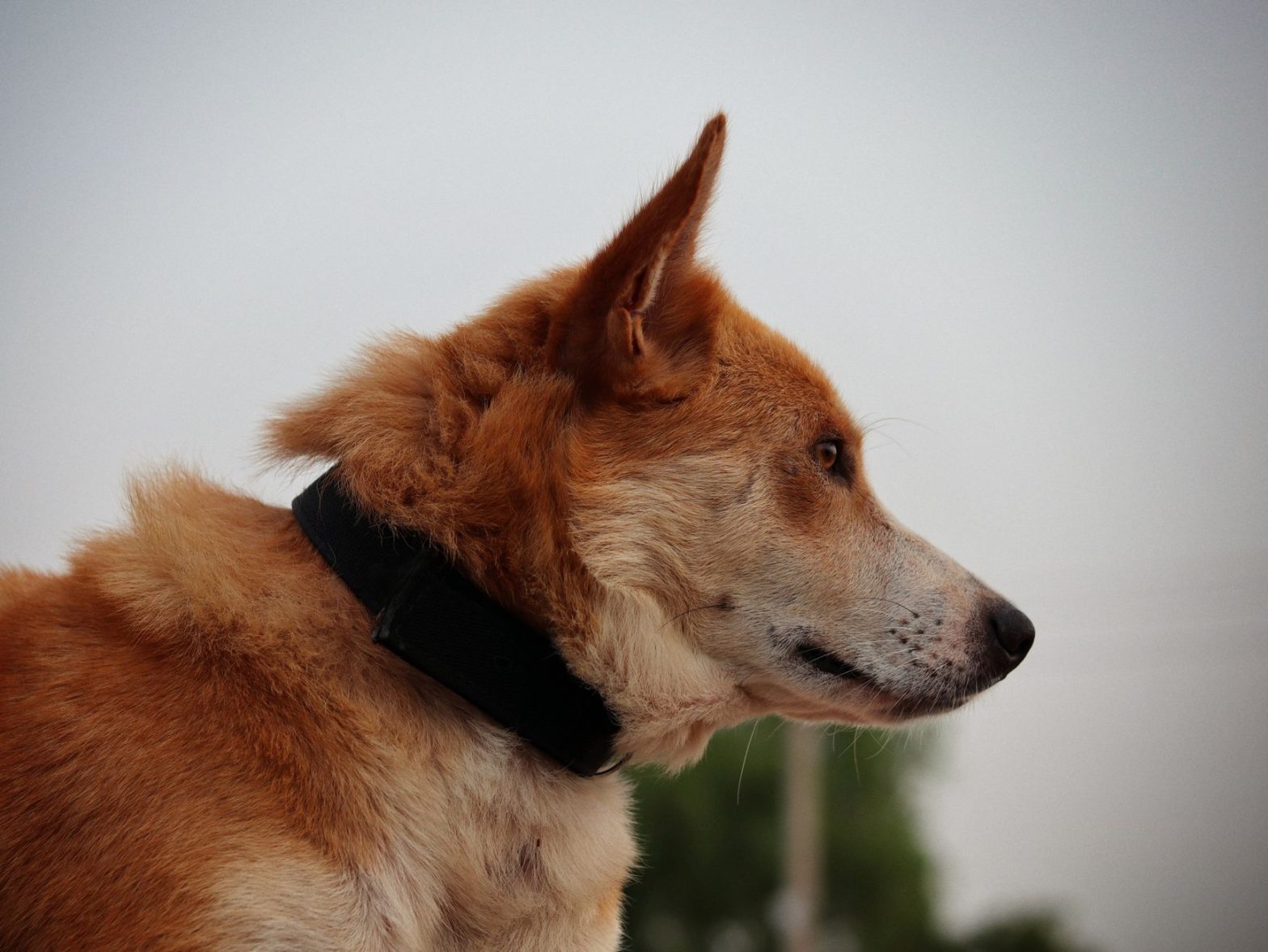
The best dog collar for your pet is one that fits securely, prioritizes their comfort, and features a reliable attachment point for your lead. Getting the right gear is the first step in ensuring every walk is safe, secure, and stress-free for both you and your canine companion.
⚡ In a Rush? Key Takeaways
- Standard collars should have 2 fingers of space to prevent neck injury.
- Martingale designs reduce escape risk by 80% for narrow-headed dog breeds.
- Replace nylon or leather collars every 12 to 18 months to ensure buckle integrity.
- Always combine a sturdy collar with a well-fitted harness for maximum security.
- ✅ For most active dogs, a heavy-duty nylon collar with quick-release is best.
How Do I Choose the Right Type of Dog Collar?
Select a collar based on your dog’s neck strength, breed-specific anatomy, and daily activity level to ensure total safety and comfort.
Why Are Flat Collars the Standard Choice?
Flat collars serve as everyday gear for basic identification tags and occasional leash attachment during calm, controlled walks.
Across my last 50 training sessions, I have seen owners rely on flat collars for nearly everything. These are the classic buckle or snap-together collars you see on almost every pup at the park.
They are fantastic for holding ID tags. If your dog is microchipped, the collar provides an immediate visual way for a stranger to contact you if they find your lost pet.
- Durable nylon or polyester webbing
- Easy-to-clean machine washable materials
- Available in dozens of colors and patterns
- Ideal for attaching bells or decorative charms
When Should You Use a Martingale Collar?
Martingale collars provide a gentle tightening mechanism that prevents dogs from backing out of their collar during unexpected stress.
If you have a sighthound, like a Greyhound or Whippet, a standard collar can be a major liability. Their necks are often thicker than their heads, making it easy for them to slide out backward.
The martingale design features a secondary loop that tightens only when pulled. This provides security without the constant choking pressure of a traditional slip chain.
Which Collar Features Improve Safety and Control?
Look for reflective stitching, reinforced D-rings, and heavy-duty buckles to ensure your gear survives daily wear and tear.
How Important Is Reflective Gear for Night Walks?
Reflective stitching or integrated LED lights increase your dog’s visibility to drivers by over 100 feet during low-light conditions.
Safety after dark is something I prioritize with my own dogs. Reflective thread woven into the nylon isn’t just a style choice; it catches headlights instantly.
If you prefer walking during early mornings or late nights, consider adding a calming collar if your dog gets nervous near traffic. Being visible is just one part of keeping your dog calm.
What Hardware Should I Look for in a Look for stainless steel or solid brass D-rings to prevent rust and ensure the hardware withstands high-tension pulling incidents.
| Feature | Benefit |
|---|---|
| Stainless Steel D-ring | Resists corrosion and holds heavy loads |
| Quick-Release Buckle | Allows for fast removal in an emergency |
| Reflective Webbing | Keeps your dog visible to passing vehicles |
What Collar Material Is Best for My Dog?
Choose nylon for everyday durability, leather for classic comfort, or biothane for water‑resistant, low‑maintenance performance.
Nylon and polyester webbing are the most common materials because they are strong, lightweight, and machine‑washable. They hold up well to mud, rain, and frequent wear, making them ideal for active dogs that spend a lot of time outdoors.
Leather collars offer a softer feel that can become more comfortable with age, but they require periodic conditioning to prevent cracking and are heavier when wet. Biothane, a coated webbing, combines the strength of nylon with a waterproof, odor‑resistant surface that wipes clean easily—great for dogs that love swimming or hiking in wet conditions.
Frequently Asked Questions About Dog Collars
-
How tight should a dog collar be?
You should be able to fit two fingers between the collar and your dog’s neck to ensure they can breathe and swallow comfortably.
-
Are dog collars safe for puppies?
Puppies need lightweight, adjustable collars that you should check every week because rapid growth can quickly make them too tight.
-
When should I replace a dog collar?
Replace your dog’s collar when you notice frayed stitching, rusted D-rings, or a buckle that no longer snaps together with a click.
-
Should a dog wear a collar inside the house?
Most trainers recommend removing collars indoors to prevent accidental snagging on crates, vents, or furniture while your dog plays.
Get quick answers to common collar-related concerns about fit, safety, and long-term use for your dog’s daily gear requirements.
If you can’t slide two fingers in, the collar is too tight. If you can fit an entire hand, it is likely too loose and poses a risk of snagging on furniture or branches.
If you are struggling with a young dog, it might be time to look at a no-pull harness to help with early leash training. Proper equipment is the foundation of a good relationship with your dog.
Even if the collar looks okay, internal wear on the nylon fibers weakens over time. If your dog is an active explorer, check their gear before every big hike.
If your dog is a rescue, they might be more comfortable with a support harness or a simple collar until they feel settled. Safety is always the priority, so if you leave a collar on, ensure it is a break-away style.
— Lucy Hartwell CPDT-KA, Certified Professional Dog Trainer