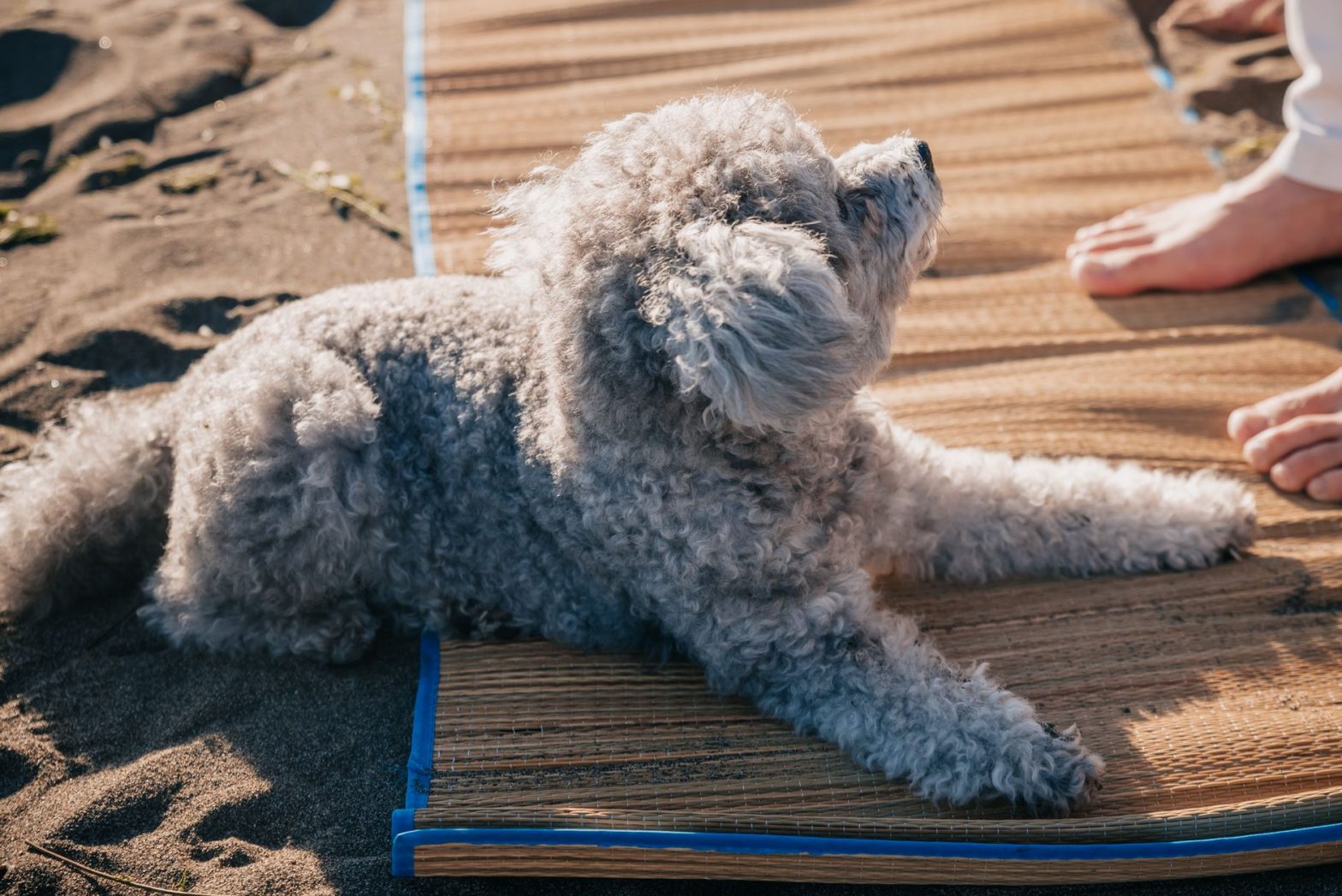
Dog cooling mats work by using pressure-activated gel or phase-change materials to draw heat away from your dog’s body, providing a cooler surface that stays several degrees below ambient room temperature. While they don’t replace active cooling like air conditioning or fans, they are a practical way to manage heat for dogs with lower heat tolerance.
⚡ In a Rush? Key Takeaways
- Gel-filled mats can lower a dog’s contact temperature by up to 10–15 degrees Fahrenheit.
- Active cooling effects typically last for 2 to 4 hours before needing a rest period.
- Most durable mats survive 200+ pounds of pressure without leaking or puncturing.
- My top recommendation is choosing a gel-free pressure mat for chewers to ensure safety.
How do cooling mats help dogs manage heat?
Cooling mats use thermodynamic principles to transfer heat from a dog’s coat to the mat, lowering body temperature through conduction.
Can cooling mats prevent heatstroke?
Cooling mats provide supplemental relief but cannot prevent heatstroke in dangerous temperatures or high-humidity environments.
In my training sessions, I remind owners that these mats are management tools, not medical cures. They work best as a secondary cooling method during summer days.
- Reduces the risk of contact-based overheating on warm floors.
- Provides a cooler spot for brachycephalic breeds prone to heat exhaustion.
- Helps senior dogs with arthritis stay comfortable without needing ice packs.
What is the difference between gel and water mats?
Gel mats are pressure-activated and ready to use, whereas water-filled mats require manual filling but often stay cold longer.
I have tested both types with my pack. Gel mats are far more convenient for quick deployment in anxiety-inducing travel situations where dogs get warm from stress.
| Feature | Gel Mats | Water Mats |
|---|---|---|
| Setup | Instant | Manual Fill |
| Weight | Heavy | Adjustable |
| Durability | Puncture Risk | Leak Risk |
Which cooling mats are safe for heavy chewers?
Chew-proof cooling mats use solid, non-toxic materials like ceramic or cooling fabric rather than soft gels to avoid ingestion risks.
Why should you avoid gel mats for destructive dogs?
Gel mats contain non-toxic but irritating chemical substances that can cause gastrointestinal distress if your dog chews and eats them.
My Frenchie, Fig, is a serial chewer, and I learned early that soft-shell mats are not an option for her. Ingesting cooling gel is a major safety concern.
- Sharp teeth easily puncture soft vinyl shells.
- Cleaning out gel residue is a difficult, messy process.
- Inadvertent consumption leads to unnecessary veterinary stress.
What are the best chew-resistant cooling options?
Heavy-duty cooling fabric mats or raised cot-style beds with mesh surfaces provide cooling without the risk of internal chemical leaks.
For high-energy dogs who might be hard on gear, look for high-denier nylon fabrics. These options hold up much better than the standard consumer-grade gel mats.
How do you clean and maintain cooling mats?
Wipe cooling mats down with a damp cloth and mild soap daily, ensuring they are completely dry before allowing your dog to lie on them.
Are these mats easy to store during winter?
Most cooling mats fold or roll easily, making them simple to store in a closet or under a bed when the weather turns significantly cooler.
Proper maintenance ensures the mat lasts for multiple seasons. Avoid folding them too tightly, as this can stress the seams and cause leaks over time.
- Always keep mats away from direct, high-intensity sunlight.
- Use a soft brush to remove dirt trapped in the fabric corners.
- Store in a cool, dark environment to protect the inner gel layers.
What if my cooling mat stops cooling?
Most pressure-activated mats need a 20-minute rest period without weight to re-absorb the cooling properties and reset the gel structure.
If you notice the mat isn’t cool anymore, simply move it to a shaded area and let it rest. This is a normal part of the cooling cycle.
Are cooling mats effective for double-coated breeds?
Yes, cooling mats can help double-coated breeds regulate temperature, but effectiveness depends on mat thickness and the dog’s coat density.
Breeds such as Siberian Huskies, Alaskan Malamutes, Golden Retrievers, and German Shepherds have thick undercoats that trap heat. A cooling mat provides a conductive surface that can draw heat from the skin underneath the coat, especially when the dog lies on its belly or chest where fur is thinner.
For best results, choose a mat with a larger surface area so the dog can spread out, and consider placing the mat in a shaded, well-ventilated area to maximize the temperature gradient.
- Look for mats at least 36 inches wide to accommodate a full stretch.
- Prefer gel-free pressure mats to avoid chewing hazards if the dog is also a chewer.
- Combine with regular grooming to reduce undercoat bulk and improve mat contact.
Frequently Asked Questions
-
Do I need to put the cooling mat in the freezer?
Most modern gel cooling mats do not need the freezer and should not be stored there, as freezing temperatures can damage the gel structure.
-
Are cooling mats suitable for senior dogs?
Yes, cooling mats provide gentle joint relief and help senior dogs regulate their temperature, especially those using orthopedic bedding.
-
Can I use these mats in the car?
You can use cooling mats in cars, but they should be placed on a flat surface and monitored during long travel days for comfort.
-
How big of a mat should I buy?
Choose a mat that allows your dog to lie fully stretched out, though they only need to cover the main contact area of their chest or belly.