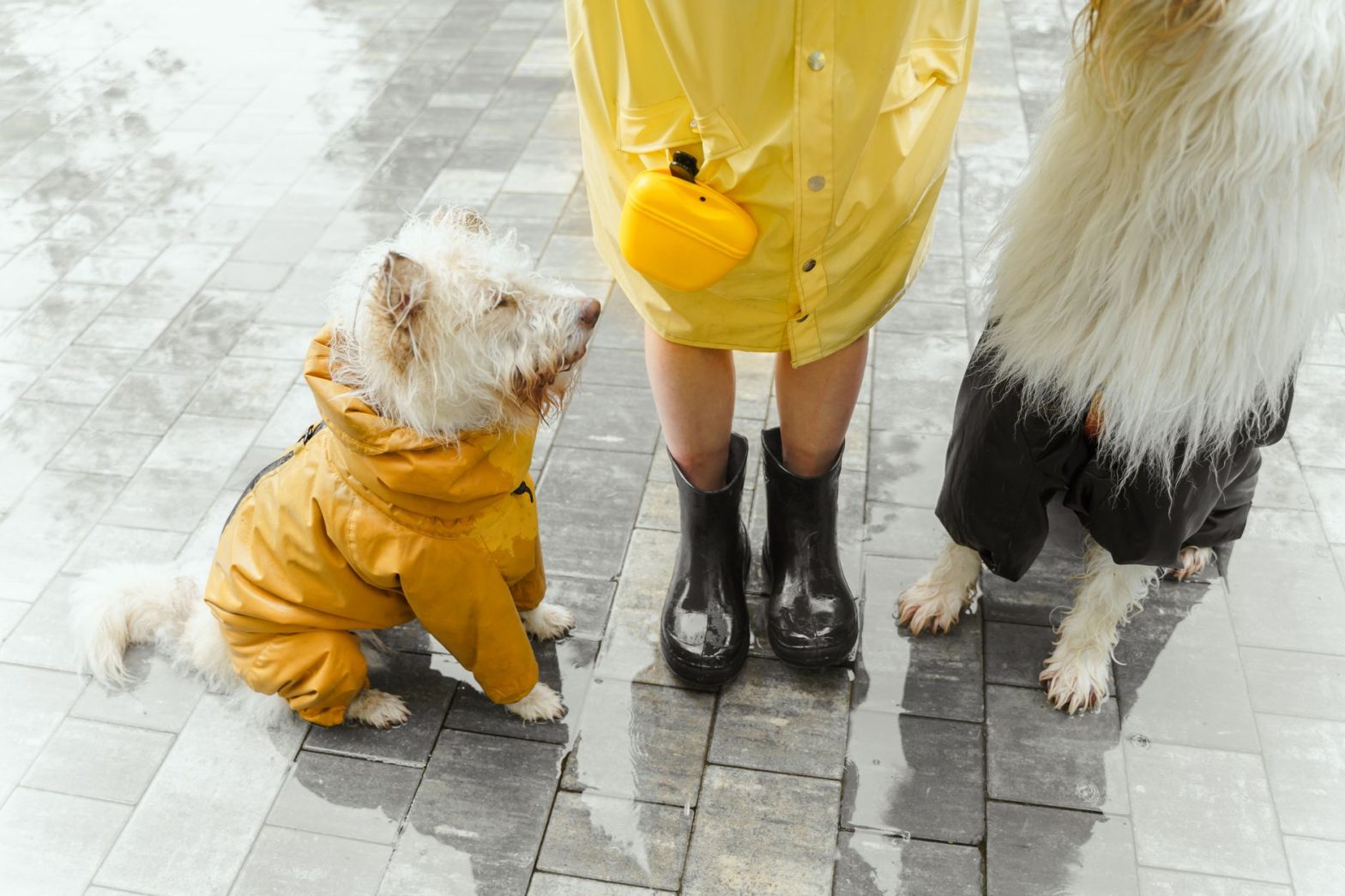
Best Dog Raincoats 2026: Waterproof, Breathable Picks
When a storm rolls in, a flimsy raincoat can leave a dog soggy, cold and reluctant to step outside. The right raincoat is not just about keeping fur dry: it is about your dog’s comfort, mobility and willingness to enjoy the outdoors in any weather.

Check today’s price on Amazon: SPK RAIN GEAR Dog Raincoat for Medium
Many owners focus on waterproof ratings but overlook breathability and ease of fit, which can lead to coats that leak or cause overheating on active walks. For the buying decision, use a three-part checklist (waterproofing, breathability and adjustability) before you look at price or style.
⚡ In a Rush? Key Takeaways
- Choose a waterproof rating that suits your climate and check the manufacturer’s stated rating on the listing.
- A breathable lining helps moisture escape during active walks.
- Adjustable belly and leg straps help a coat stay in place on deep‑chested dogs.
- ✅ Measure your dog before you order, and look for taped seams and storm flaps.
Which Dog Raincoat Features Actually Matter in 2026?
The most important raincoat features are a waterproof rating suited to your weather, a breathable mesh lining and adjustable leg straps for a secure, chafe‑free fit.
A higher waterproof number does not automatically mean a better coat: a coat can be waterproof yet still leave your dog damp from sweat if the fabric does not breathe. Look for a rating that suits your weather combined with a mesh lining that moves moisture away from the skin. Adjustable straps, especially around the belly and legs, help a coat stay put instead of twisting sideways.
Do I Need a Waterproof Rating for My Dog’s Coat?
Choose a higher waterproof rating for heavy rain and a lower one for light drizzle, and check the manufacturer’s stated rating on the listing.
See the latest deal: SPK RAIN GEAR Dog Raincoat for Medium
Many owners ignore fabric specs, but unrated gear is more likely to let water through in a real storm. If you live where seasonal rain is heavy, prioritize higher ratings. Remember that the rating refers to the fabric itself; taped seams and storm flaps are what keep water from sneaking in at the zippers and edges.
Why Is Breathability Important for Dog Gear?
Breathable materials prevent heat buildup, keeping your dog comfortable and avoiding skin irritation during active outdoor exercise.
If your dog runs hot, a non‑breathable plastic coat can leave them damp with sweat from the inside. Choose gear with mesh linings or technical fabric that wicks moisture away. Breathability is not just about comfort: it also helps reduce hot spots and irritation, especially for dogs with thick undercoats.
- Durable ripstop nylon shells
- Moisture‑wicking mesh inner linings
- Reflective trim for low‑light visibility
- Leash access points for harness wearers
How Do I Choose the Right Raincoat for My Dog’s Breed?
Choose a coat based on your dog’s size, coat type, and build to ensure full coverage without restricting their natural movement.
Breed shape changes everything when it comes to raincoat fit. A coat that looks perfect on a Bulldog may slide off a Greyhound, while a design made for a deep‑chested Labrador can feel restrictive on a French Bulldog. Think about three measurements (neck, chest and back length) and look for coats that offer multiple adjustment points so you can fine‑tune the fit. The goal is coverage that keeps the belly and back dry without creating pressure points or limiting stride.
What Raincoats Work Best for Deep‑Chested Dogs?
Deep‑chested dogs require coats with deep belly panels and multi‑point adjustment to prevent slipping and chafing.
View on Amazon: SPK RAIN GEAR Dog Raincoat for Medium
Breeds like Labradors, Golden Retrievers and German Shepherds need a coat that accommodates a deep chest without pulling tight behind the front legs. Look for extended belly coverage and adjustable straps that let you tighten the waist without lifting the chest panel. Coats with only a single chest strap tend to ride up, leaving the stomach exposed and causing chafing under the arms.
Which Raincoat Fits Small and Toy Breeds?
Small dogs need lightweight, low‑profile coats with minimal bulk and secure leg loops.
For small dogs, look for light coats with snap‑on leg loops that prevent twisting and enough coverage to keep the chest and belly dry without dragging on the ground. Avoid anything with a bulky hood: small breeds often find it uncomfortable and will try to shake it off.
Are There Raincoats Designed for Dogs with Joint Issues?
Senior dogs benefit from easy‑on designs, soft linings, and coats that don’t require lifting legs high.
Older dogs with arthritis or hip dysplasia can struggle with step‑in styles that demand leg lifting. Look for wrap‑around coats with Velcro closures or snap fronts that stay low to the ground, with wide openings, soft liners and adjustable straps that can be fastened while the dog is standing. These designs reduce joint strain and make rainy‑day walks less stressful for both dog and owner.
How Should I Fit a Dog Raincoat Properly?
Fit the coat snug but not tight—you should be able to slip two fingers under any strap, and the coat must allow full shoulder and hip movement.
Check availability: SPK RAIN GEAR Dog Raincoat for Medium
Start by measuring the neck at the base, the widest part of the chest and the length from the base of the neck to the base of the tail. When trying on a coat, check that the neck opening does not press into the throat, the chest strap sits flat behind the front legs and the back panel covers the full length without pulling. Then walk your dog on leash for a few minutes, watching for twisting, riding up or signs of discomfort like a tucked tail or shortened stride. If the coat shifts, adjust the belly and leg straps; if it still moves, the cut is not right for that build.
The owners who get the most from a dog raincoat are those with active dogs who love outdoor time regardless of weather. If your dog enjoys hiking, running or playing fetch in the park, the feature that changes everything is a breathable membrane that moves sweat away from the skin while blocking rain. Look for that before spending money on a coat that looks great but leaves a dog overheated and unwilling to wear it.
Dog Raincoat Styles to Consider
Match the style to your dog and your weather: the right coat for an active retriever is not the right coat for a small or senior dog.
- Technical shell with a breathable lining: best for active dogs and wet climates.
- Fleece‑lined coat: for cold, wet weather when your dog needs extra warmth.
- Lightweight ripstop coat with snap‑on leg loops: for small breeds.
- Wrap‑around coat with a wide Velcro opening: for senior dogs that struggle to lift their legs.
- Budget coat with adjustable straps: a practical choice for occasional rainy walks.
Brands such as Ruffwear, Hurtta, Kurgo, RC Pets and WeatherBeeta make coats in these styles. Check each listing for the current waterproof rating, materials and sizing before you buy.
How to Care for Your Dog’s Raincoat
Regular cleaning and proper storage extend the life of waterproof coatings and keep breathable linings effective.
After each muddy walk, rinse off dirt with a hose, then machine wash on a gentle cycle with mild detergent (no fabric softener, which can clog breathable membranes), following the care label. Hang to dry away from direct heat, because high temperatures can damage the waterproof tape on seams. Before storing for the season, make sure the coat is completely dry to prevent mildew, then fold it loosely in a breathable cotton bag.
Check today’s price on Amazon: SPK RAIN GEAR Dog Raincoat for Medium
Black Friday and Cyber Monday 2026 deals on dog outdoor gear are coming — bookmark this page and check back from 27 November for live price drops.
Frequently Asked Questions
Can I use a human rain poncho on my dog?
Human ponchos are rarely sized correctly for dogs and often lack leg loops, causing them to slip off or collect water in a pouch behind the dog’s back. They also tend
Related reading: see our guide to Best Dog Leashes for 2026.