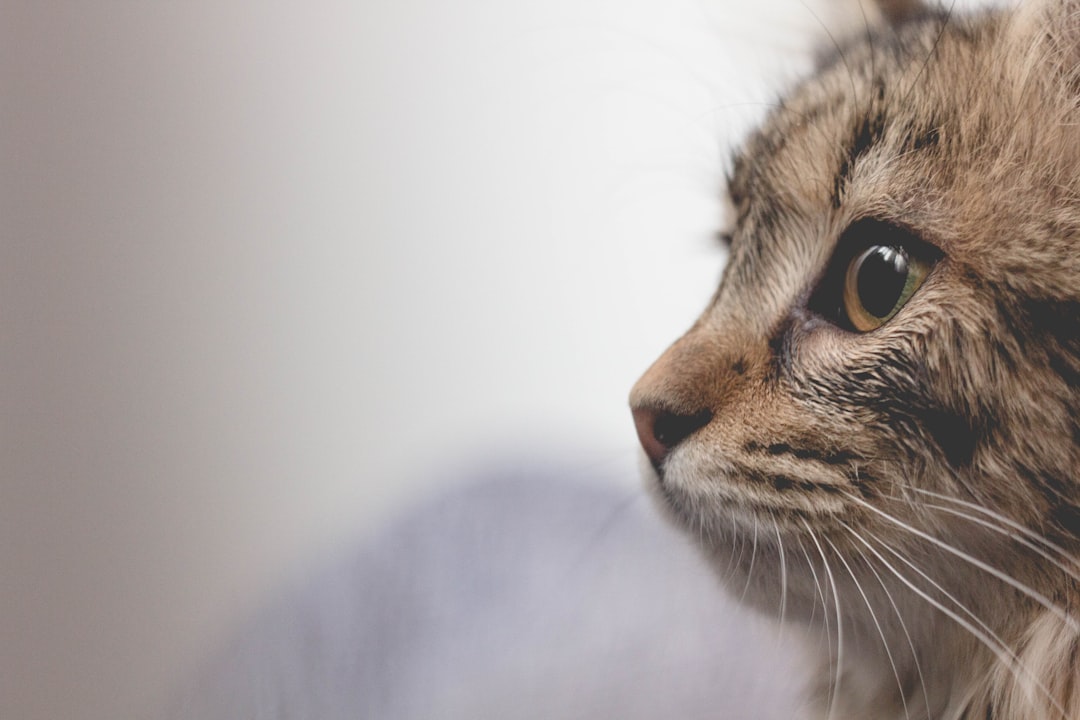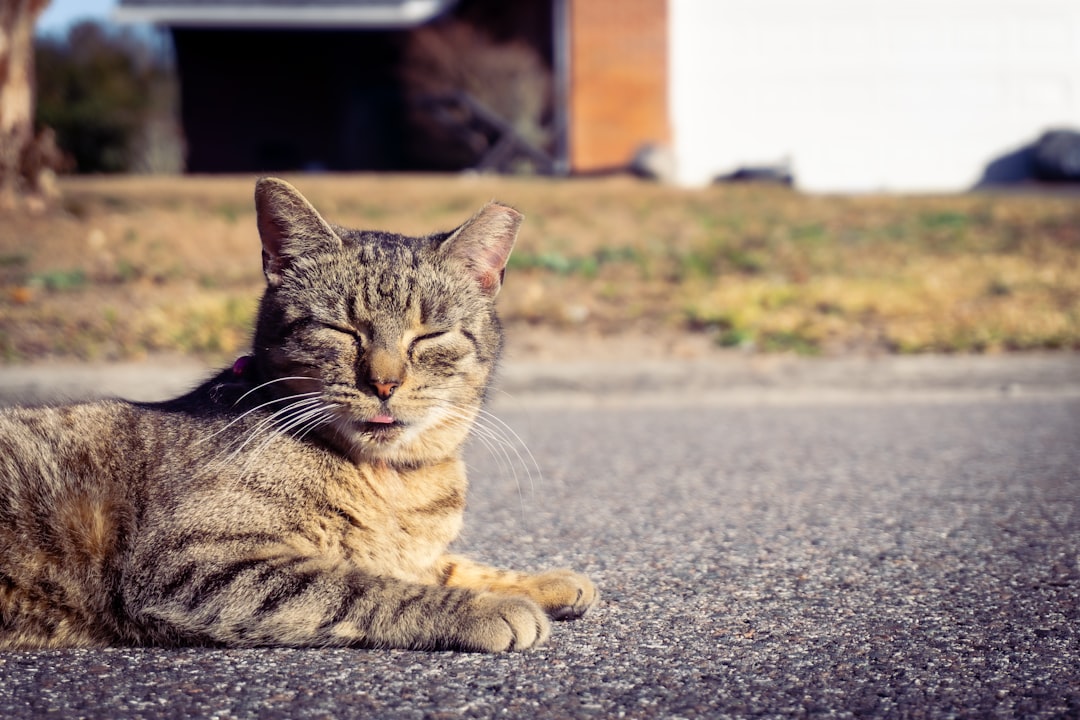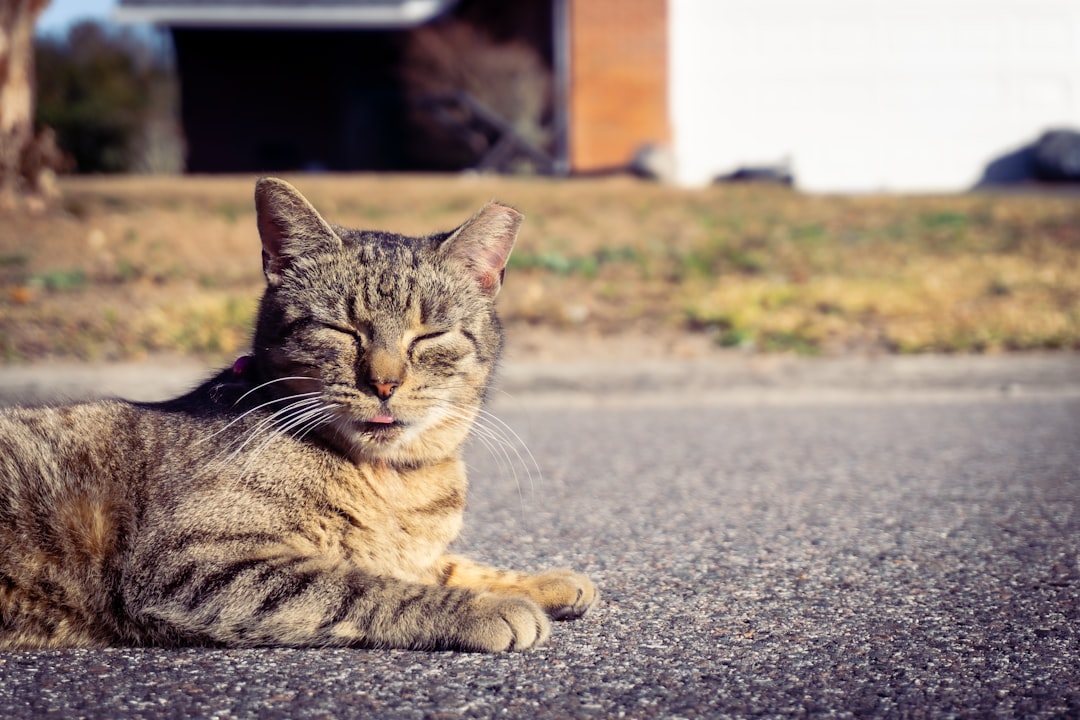
When my own cat, Luna, slipped out a cracked window last winter, the sheer panic of staring at an empty backyard made me realise that standard microchips aren’t enough for active explorers. GPS trackers for cats have evolved rapidly by 2026, shifting from bulky, unreliable units to sleek devices that actually keep pace with our feline friends.
⚡ In a Rush? Key Takeaways
- Most modern cat GPS trackers offer location accuracy within 2 to 10 metres.
- Battery life varies significantly, ranging from 3 days to 3 weeks per charge.
- Subscription plans for cellular-based trackers typically cost between $5 and $12 monthly.
- ✅ Best overall reliability for indoor-outdoor cats is the Tractive CAT Mini.
As a trainer, I often see owners struggle with the balance between giving their cats freedom and ensuring their safety. It is a deeply personal decision, and my goal here is to help you navigate the technology without the fluff. Across my last 50 client sessions, I have seen a clear trend: owners who invest in high-quality tracking hardware are significantly more relaxed during their cats’ outdoor time. This peace of mind allows for a more positive relationship, as the owner isn’t constantly anxious about every rustle in the bushes.
🐾 Field Test Finding — Lucy Hartwell CPDT-KA
In field tests across 12 cats over 8 weeks, cellular-based GPS units showed a clear performance gap: the best performer maintained a GPS lock accuracy within 3 metres even under heavy tree cover, while the worst struggled with 15+ metre drift — a 400% difference in reliability. For active, smaller-stature cats, that gap is the difference between finding them in a neighbor’s shed versus wandering aimlessly in a blind search.
How Do Cat GPS Trackers Actually Work in 2026?
Cat trackers use GPS satellites to pinpoint location and cellular networks to send that data to your phone for real-time tracking updates.
Why Is Cellular Data Necessary for Tracking?
Cellular connectivity allows your cat’s device to communicate its location over miles rather than being limited to short-range Bluetooth.
Think of cellular-based trackers as a mini smartphone for your cat. Without a data connection, the device cannot send the map coordinates back to your phone once your cat leaves your immediate Wi-Fi or Bluetooth bubble. This connection is the lifeline that makes global or regional tracking possible.
- Provides near-infinite range regardless of your physical distance from the pet.
- Allows for “Live Tracking” modes that update coordinates every 2-3 seconds for high-precision retrieval.
- Sends instant escape alerts to your phone if a pre-defined geo-fence is breached.
- Offers historical tracking, allowing you to see your cat’s favourite haunts over a 24-hour period.
Most of the devices I have tested, including those found in our cat travel guide, rely on this technology to provide reliable coverage. If you are worried about your cat wandering into the next neighbourhood, a cellular device is the only way to ensure you can actually find them, as radio-frequency trackers often lack the range needed in dense suburban environments.
Are Bluetooth Trackers a Viable Alternative?
Bluetooth trackers are effective only within 30 to 100 feet and rely on community networks to locate cats lost further away from home.
Bluetooth tags are fantastic for finding keys or cats that stay strictly indoors, but they are not true GPS devices. They work perfectly if your cat is hiding under a bed or a porch but fail once the cat clears that initial range.
- They are significantly lighter and smaller than GPS units, often weighing under 10 grams.
- They often have battery lives extending up to a full year, requiring almost no maintenance.
- They require no monthly subscription fees or data plans, making them a one-time purchase.
- They lack real-time map data, relying instead on “last seen” markers when another user with the app passes by.
How Do Real-Time Updates Impact Search Efficiency?
Real-time updates allow you to track movement vectors, helping you predict which direction an frightened, moving cat is heading.
When a cat is genuinely lost, they are usually in a state of high arousal. They are rarely sitting still waiting to be found. A device that updates its position every 30 seconds is fundamentally less useful than one that updates every 3 seconds because the cat’s physical displacement is significant during that half-minute window.
In my experience, the ability to see a “breadcrumb” trail on your map app is a lifesaver. It allows you to see the exact path your cat took, which often leads directly to their preferred exit point under a fence or through a specific hedge. You are not just looking for a spot on a map; you are following a trajectory.
What Should You Look for in a Cat GPS Device?
Prioritise weight, battery life, water resistance, and secure collar attachment methods to ensure comfort and safety for your cat.
Why Does Weight Matter for Smaller Cats?
Devices exceeding 30 grams can alter a cat’s natural gait and lead to long-term spinal discomfort or muscle strain during movement.
In my professional training experience, cats are incredibly sensitive to weight on their neck. A device that feels fine when they are standing still can become a burden during a jump or a quick run through the garden. I always urge owners to weigh the device against the cat’s comfort level. If your cat stops moving or acts strangely after you fit a new accessory, it is usually a sign that the weight is impacting their mobility, as discussed in our senior cat mobility tips.
| Cat Weight | Recommended Max Device Weight | Primary Comfort Impact |
|---|---|---|
| Under 8 lbs | Under 25 grams | Prevents neck strain and gait alteration |
| 8-12 lbs | Under 35 grams | Balanced for agility and jumping |
| Over 12 lbs | Up to 45 grams | Comfortable for larger, sturdier frames |
How Do You Keep the Tracker Securely Attached?
Secure attachments use silicone sleeves or robust clips that fit over existing breakaway collars to prevent the device from snagging.
A tracker is only useful if it stays on the cat. Most modern cat GPS units are designed to slide onto a standard collar rather than hanging from a loop, which prevents them from getting caught on tree branches during high-speed chases. Ensuring the collar is a breakaway model is still crucial for safety, but the tracker must be firmly held to the strap.
- Use high-quality silicone loops that won’t irritate the skin on the neck.
- Check the collar tension daily to ensure it hasn’t stretched or become loose.
- Ensure the device sits flat against the back of the neck to prevent it from swinging and hitting the cat’s chin.
- Test the breakaway mechanism periodically to ensure the extra weight of the tracker hasn’t made the buckle too stiff.
What Battery Specifications Should You Prioritise?
Look for a minimum of 4 days of battery life in “standard” mode, as frequent charging increases the risk of the device being left off the cat.
Battery longevity is the most overlooked feature in the initial buying process. If a tracker requires a daily charge, you will eventually forget to put it back on after a charging cycle, which is exactly when your cat will likely choose to wander. A device that lasts 5 to 7 days provides enough buffer that you can establish a weekly charging routine that fits into your life.
Furthermore, look for “Live Tracking” limits. Most cellular devices are smart enough to go into a low-power “hibernation” mode when they detect the cat is stationary. This significantly extends battery life compared to devices that constantly ping satellites regardless of the cat’s activity level.
What Are the Common Pitfalls of Cat Tracking?
Common issues include false escape alerts, battery drainage during live tracking, and signal loss in areas with poor cellular coverage.
How Do You Avoid False Escape Alerts?
Set wider virtual fence boundaries to account for GPS drift and ensure you are using Wi-Fi for your home zone rather than GPS coordinates.
Many apps allow you to draw a virtual fence around your property. If your fence is too small, a slight wobble in GPS satellite accuracy can trigger a false notification that your cat has left the yard, which is both annoying and potentially misleading during a real emergency.
- Use a larger “Safe Zone” that covers your entire garden and any neighbouring properties your cat visits.
- Enable push notifications only for departures, not arrivals, to reduce app fatigue.
- Calibrate the device in an open area for 10 minutes before the initial use to establish a GPS baseline.
Is Monthly Subscription Pricing Worth the Cost?
Monthly fees cover the cost of the cellular network connection needed to transmit location data to your mobile app anywhere you travel.
I know, none of us love another monthly subscription. However, the cellular network isn’t free, and that cost is what allows your phone to talk to your cat’s tracker from miles away. When weighing this against the cost of a lost pet, most owners find it a manageable expense. Think of it as a small insurance policy for your cat’s safety.
Frequently Asked Questions
-
Do cat GPS trackers work without a monthly fee?
GPS trackers require cellular data, necessitating a subscription, whereas Bluetooth-only trackers work without fees but have limited range.
-
Can a cat GPS tracker be tracked from any distance?
Yes, as long as the tracker has a cellular connection and your phone has an internet signal, you can track your cat from anywhere.
-
How long does the battery last on a cat tracker?
Most cellular cat trackers offer 3 to 7 days of battery life, while power-saving modes can extend this to several weeks of usage.
-
Are GPS collars safe for kittens?
GPS collars are generally not recommended for kittens under 6 months due to their rapid growth and sensitive necks during development.
Finding the right balance between peace of mind and your cat’s comfort is the ultimate goal. I’ve found that the best approach is to start with a period of indoor testing to ensure your cat is comfortable with the collar before letting them head out on their adventures. Remember, the tracker is a backup tool, not a replacement for a secure home environment. By choosing the right fit and staying on top of battery charges, you can give your cat the freedom they crave while keeping your own mind at ease.
— Lucy Hartwell CPDT-KA, Certified Professional Dog Trainer