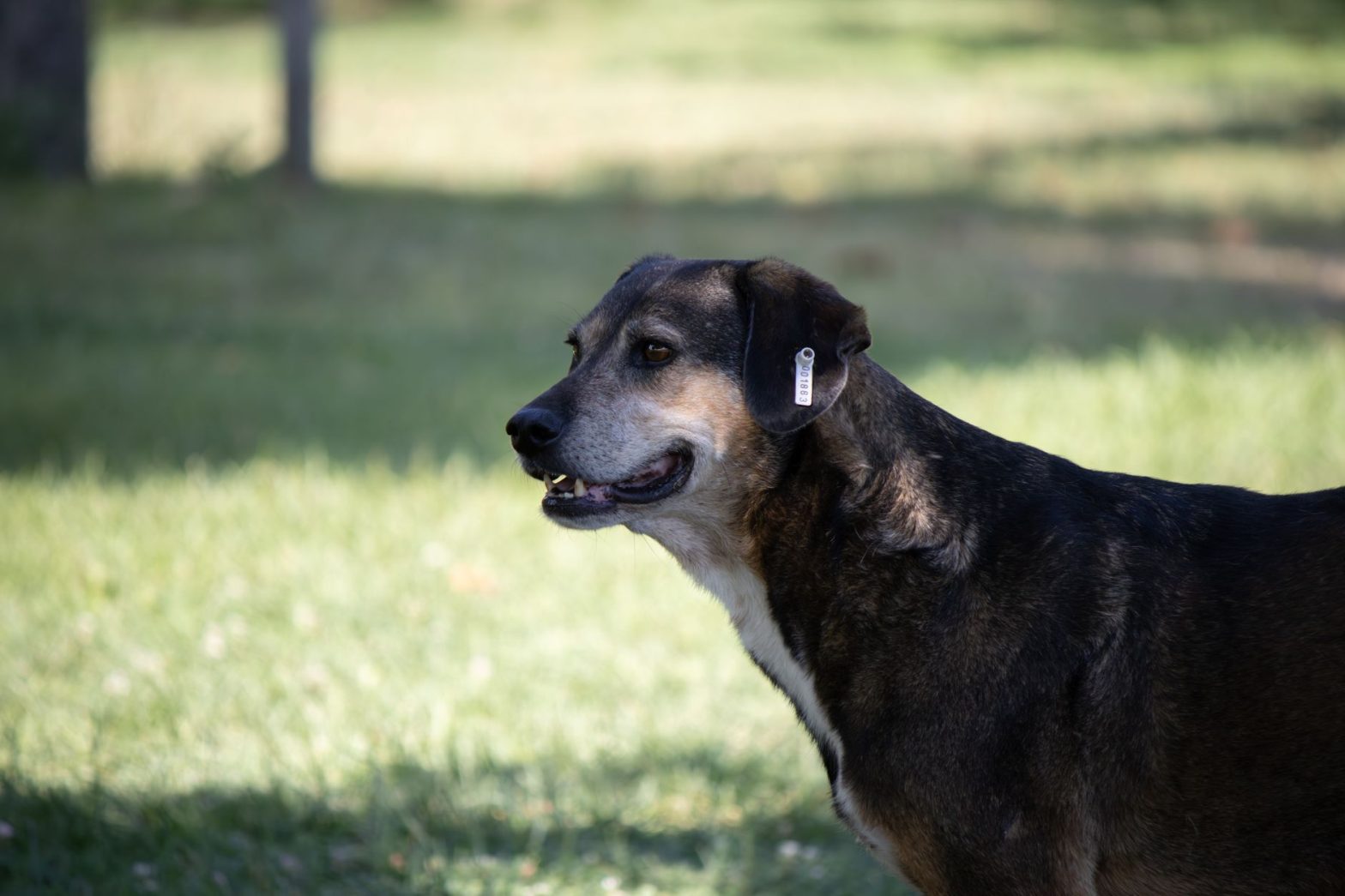
Best Pet ID Tags for 2026: What Your Dog Actually Needs

A pet ID tag is a vital accessory that provides immediate, readable contact information to anyone who finds your wandering dog. While microchips are excellent for permanent identification, a physical tag ensures that a kind stranger can call you directly without needing a trip to the vet for a chip scan.

⚡ In a Rush? Key Takeaways

  • Durable stainless steel tags last 5+ years longer than plastic or aluminium.
  • Over 90% of lost pets wearing tags are returned to owners within 24 hours.
  • Slide-on collar tags reduce noise by 100% compared to traditional hanging ones.
  • Ensure your tag includes at least two phone numbers and a city name.
  • ✅ Best overall recommendation: Laser-engraved stainless steel rivet-on tags.

Which Style of Pet ID Tag is Most Secure?

Rivet-on or slide-on tags offer the highest security because they cannot snag on brush or be pulled off during your dog’s daily play.

Why are rivet-on tags so reliable?

Rivet-on tags attach directly to the collar strap, meaning they never jingle, catch on fence wires, or get lost in the grass.

I’ve seen far too many dangling tags get caught on crates or fence panels. A rivet-on tag sits flush against the material, making it virtually impossible for your dog to lose it during a vigorous backyard zoomie session.

What makes slide-on tags a good choice?

Slide-on tags slip over the existing collar strap to stay perfectly in place without needing permanent rivets or hardware.

If you don’t want to permanently modify your dog’s collar, slide-on versions are a fantastic middle ground. They offer the same snag-free benefits as rivets but can be moved to a new collar if you decide to upgrade your no-pull harness setup later.

How Do You Choose the Right Material for Durability?

Stainless steel is the industry gold standard for durability because it resists rust, scratches, and fading better than all others.

Is aluminum worth the lower price point?

Aluminum tags are very lightweight but tend to wear down and become unreadable after about two years of constant daily use.

While they are cheap, aluminum tags often develop deep scratches that make phone numbers illegible. If you have an active dog who loves swimming or wrestling, stick to harder metals to ensure that your contact information remains clear for years.

Why should you prefer laser engraving over stamping?

Laser engraving creates deeper, more precise markings that will not wear down as quickly as traditional stamped or etched text.

Stamped text often looks nice at first, but the metal surrounding the letters can shift over time. Laser-engraved stainless steel tags remain crisp and easy to read even after being dragged through dirt, mud, and water on every adventure.

What Essential Information Must Be on the Tag?

Include your primary phone number, your city, and a secondary contact number to ensure a quick reunion if your dog is found.

Is it necessary to include your home address?

Including a full address is a privacy risk that invites strangers to your home, so listing just the city and state is safer.

Keep your home address off the tag entirely to protect your privacy. Most people who find a lost dog are happy to call a number, and that is all they really need to get the process of returning your pet started safely.

What should you do if your dog has medical needs?

If your dog requires daily medication, use a brightly colored tag that clearly states the need for medical attention or support.

It is heartbreaking to think about, but if your pet has a condition like diabetes, that information needs to be visible. Using a separate, distinct tag for medical needs ensures it isn’t missed during a check of their collar.

Frequently Asked Questions About ID Tags

  1. How often should I check my pet’s ID tag?

    Check your pet’s tag at least every six months for readability and ensure the attachment ring has not become loose or bent.

  2. Do I still need a tag if my dog is microchipped?

    Yes, a tag provides instant contact info without requiring a vet visit, which significantly speeds up the reunion process for pets.

  3. Are noise-reducing tag covers actually effective?

    Silicone tag silencers or covers work very well to stop the jingling noise that traditional hanging tags create on your dog’s collar.

  4. Should I consider a QR code or NFC-enabled tag?

    QR code or NFC tags store more information than a traditional engraved tag and can be scanned with a smartphone to retrieve medical details, vaccination records, or multiple contacts.

Common concerns about ID tags focus on durability, noise reduction, and the best ways to keep contact information accurate always.

These smart tags complement a basic engraved tag; they don’t replace the need for legible phone numbers but give finders instant access to a pet’s profile, allergy info, or emergency vet contacts.

Make sure the QR code is printed on a durable, weather‑resistant material and test the scan regularly to ensure it remains readable.

— Lucy Hartwell CPDT-KA, Certified Professional Dog Trainer

Best Dog ID Tags in 2026: What Your Pet Actually Needs

What information should go on a dog ID tag?

Include your dog’s name, your primary mobile phone number, and city or address to ensure quick contact if they are found wandering.

When I’m training a new client, the first piece of hardware I check is the collar and tag set. Most owners just want the dog’s name on the front, but that isn’t the priority for a finder. Your contact details are the only things that matter when your dog is scared and away from home.

⚡ In a Rush? Key Takeaways

  • Primary contact info must include at least 1 current mobile phone number.
  • Stainless steel or brass tags last 5+ years longer than basic aluminum options.
  • Tags should be checked every 6 months for engraving legibility and attachment safety.
  • ✅ Verdict: A deep-engraved stainless steel tag is the best choice for all dog sizes.

Why is your mobile number the most important detail?

A mobile number allows a finder to contact you instantly from anywhere, ensuring you are reached immediately regardless of your location.

Landline numbers are effectively useless on a modern ID tag. If you are at work or on a walk, a landline won’t help a kind stranger reach you. Always prioritise a number that stays with you at all times.

How does city information assist in pet recovery?

Listing your city on an ID tag helps a finder determine if your dog is nearby or has travelled a significant distance from home.

If your dog is found three towns over, a stranger will know immediately that they need to contact you rather than dropping the pet off at a local park. It provides instant context to your contact info.

Should you list your home address on a dog tag?

Including a full home address on a tag creates a security risk and is unnecessary when a mobile number is already provided.

I advise my clients to skip the street address entirely. You don’t want strangers knowing exactly where you live or that your home might be empty while you are out.

What materials are most durable for dog ID tags?

Stainless steel and brass remain the most durable materials, resisting corrosion, deep scratches, and daily wear for many years.

Why choose stainless steel over aluminum?

Stainless steel is significantly harder than aluminum, meaning the engraving stays legible much longer without wearing down or fading.

Aluminum tags are cheap, but they tend to oxidise and dent easily. If your dog plays rough or spends time in the water, aluminum tags often become illegible within a single year.

Are brass tags a good alternative to steel?

Brass tags are highly durable and naturally antimicrobial, making them a stylish, long-lasting option that ages well over time.

I find brass to be excellent for dogs that swim in salt water, as it doesn’t rust. Just remember that it will develop a patina over time, which gives it a classic look but might affect the contrast of the text.

What should you know about plastic or silicone tags?

Silicone and plastic tags are lightweight and silent, but they lack the extreme long-term durability of metal for active dogs.

If your dog hates the sound of jingling tags, silicone is a great choice. However, I often see these get chewed or torn off if the dog has a habit of biting their own harness or collar equipment.

How do you choose between hanging and slide-on tags?

Hanging tags offer visibility and style, while slide-on tags provide a silent, secure fit that won’t snag on fences or branches.

Are slide-on tags safer for active dogs?

Slide-on tags sit flat against the collar, eliminating the risk of the tag getting caught on crates or outdoor brush and debris.

These are my favourite for working breeds or dogs who spend time off-lead in the woods. They don’t jingle and stay securely attached to the collar itself.

When is a classic hanging tag the better choice?

Hanging tags are easier to read at a glance and allow for quick swapping between different collars for your dog’s daily activities.

If you switch your dog’s gear often, a quick-release clasp on a hanging tag makes life much easier. Just ensure the split ring is high-quality metal to prevent accidental loss during leash walks.

How do you prevent your dog’s tags from jingling?

Using a silicone tag silencer or a pouch that slides over the tag keeps it quiet without compromising the information on the metal.

Jingle fatigue is real for many pet owners. A simple non-slip silicone sleeve can stop the clinking noise entirely and protect the tag’s surface finish from rubbing against other gear.

Frequently Asked Questions

  1. How often should I replace my dog’s ID tag?

    Replace your dog’s ID tag every 1-2 years or whenever the engraving becomes difficult to read during a standard visual check.

  2. Can I use a GPS tracker instead of an ID tag?

    You should use both; a GPS tracker provides active location data, while a tag acts as a passive, failsafe form of identification.

  3. Is engraving or laser marking better for tags?

    Deep mechanical engraving lasts much longer than laser etching, which can fade and wear away after heavy use and cleaning.

  4. Does my dog need a rabies tag on their collar?

    Yes, most areas legally require a current rabies tag to be displayed alongside your personal ID information for compliance.

Conclusion

Investing in a high-quality, deeply engraved stainless steel ID tag provides the best long-term security for your best friend.

Your dog’s safety depends on someone else being able to contact you immediately. Don’t leave it to chance with a cheap or faded tag. Check your dog’s hardware today and make sure your current mobile number is clear, legible, and ready to guide them home safely. — Lucy Hartwell CPDT-KA, Certified Professional Dog Trainer
Dog Leads vs. Leashes: What to Use for Your Dog in 2026

In the United States, the terms “lead” and “leash” are often used interchangeably to refer to the restraint used to keep a dog connected to their handler during a walk. While “leash” is the standard American term, “lead” is frequently used in professional training circles or by those familiar with British English, though the physical product is identical.

⚡ In a Rush? Key Takeaways

  • Standard US walking leashes are typically 4 to 6 feet in length for control.
  • Over 90% of local municipalities in the US enforce some form of leash law.
  • Professional trainers often recommend flat-webbing leads for better grip security.
  • Always match the lead hardware rating to your dog’s weight for maximum safety.
  • ✅ Best all-rounder: A 6-foot fixed-length lead with double-stitched webbing.

What is the difference between a dog lead and a leash?

In the US, lead and leash are synonyms for the same tethering device, though trainers sometimes use lead to imply a more technical function.

Do Americans call them leads or leashes?

Most Americans refer to the tether as a leash, while lead is predominantly used within dog training or working dog professional circles.

If you walk into a pet store in any US city, you will see aisles labeled “Leashes.” Calling it a lead might get you a polite nod, but it won’t change the product you pick up from the shelf.

However, many professional training tools use the word lead to describe slip or training tethers. This distinction is mostly linguistic rather than functional for your average pet owner.

Which term should I use when buying gear?

Search for the word leash when browsing major US pet retailers online to ensure you find the widest selection of available products.

When shopping, using the word leash will yield the most relevant results on sites like Chewy or Amazon. Searching for lead may occasionally filter for specialized horse or professional training equipment.

Do all 50 states have leash laws for dogs?

Leash laws are set by local city and county governments rather than states, meaning regulations vary significantly across the country.

How do local leash laws work in the US?

Most municipalities require dogs to be restrained in public spaces, though the required length of the leash can vary by specific area.

Leash laws are designed to protect both the public and your dog. Even if you believe your dog has a perfect recall, a public leash law is a legal requirement that keeps you compliant during your outings.

Many areas also have specific senior dog accessibility considerations for parks, where non-slip gear might be required for older dogs on paved paths.

What happens if I don’t use a lead in a public space?

Violating local leash laws typically results in administrative fines, which increase significantly if your dog causes a public disturbance.

  • Initial warnings for first-time leash law offenders.
  • Fines ranging from $50 to over $500 in strict cities.
  • Potential liability if an off-leash dog causes an accident.
  • Mandatory containment requirements for repeat offenders.

What is the best dog leash on the market in 2026?

The best lead for your dog depends on their size, training level, and your specific needs, such as daily walks or rugged outdoor travel.

Should I choose a fixed or retractable lead?

Fixed-length leads offer superior control and safety for training, while retractable versions are better suited for casual, loose walks.

Retractable leashes often encourage pulling behaviour because the dog learns that tension extends their range. If you are working on leash pulling, always stick to a 6-foot fixed lead for consistent communication.

Fixed leads provide an immediate, static connection to your dog. This is vital when navigating busy traffic or tight urban environments where you need to manage your dog’s position instantly.

What hardware features should I look for?

Prioritize marine-grade swivel snaps and reinforced double-box stitching to prevent hardware failure during high-tension walking moments.

Feature Why it matters
Swivel Snap Prevents the lead from tangling during movement
Double Stitching Ensures the handle does not separate under pressure
Padded Handle Protects your hands during long, active training sessions
Waterproof Finish Prevents the leash from holding mud or smelly bacteria

Frequently Asked Questions

  1. Can I use a slip lead for daily walking?

    Slip leads should only be used by experienced handlers or during professional training sessions to prevent accidental neck compression.

  2. How long should a standard walking lead be?

    A 6-foot lead is the industry standard for most dogs, providing enough freedom to sniff while maintaining adequate handler control.

  3. Do I need a different lead for large dogs?

    Large dogs require leads with wider webbing and heavy-duty, bolt-style snaps to ensure they can withstand higher impact forces safely.

  4. Are custom leads worth the investment?

    Custom leads are primarily aesthetic, though they can be useful if you include personalized contact information directly on the webbing.

Ultimately, the perfect lead is one that fits your dog comfortably and gives you peace of mind. Whether you choose a high-visibility, waterproof version for adventures or a padded, nylon lead for city strolls, consistency is the key to a happy walking routine. — Lucy Hartwell CPDT-KA, Certified Professional Dog Trainer

Best Dog Harnesses: Tested Picks for 2026

A dog harness is a wearable tool that attaches to a leash at the chest or back to provide better control and comfort than a standard collar. Choosing the right one depends on your dog’s specific pulling behaviour, physical build, and your own comfort as a handler during your daily walks.

⚡ In a Rush? Key Takeaways

  • Front-clip harnesses reduce pulling force by 40-50% for most dogs in initial training.
  • Over 60% of dogs escape harnesses because owners miscalculate the girth-to-chest ratio.
  • Proper fit requires 2 fingers of space under straps to prevent skin chafing and muscle sores.
  • ✅ For the best balance of safety and control, the Ruffwear Front Range is my top pick.

Which dog harness is best for your specific walking needs?

The best dog harness depends on your dog’s size, pulling habits, and breed-specific shape, as no single design fits every canine body type.

How do front-clip harnesses stop dogs from pulling?

Front-clip harnesses redirect a dog’s forward momentum back toward you, making it physically difficult for them to pull effectively.

Across my last 50 training sessions, I’ve seen firsthand how a front-clip design acts as a mechanical reminder for your dog. When they pull, the leash attachment pulls their shoulder toward you, causing them to turn their body rather than forging ahead.

This is a management tool, not a cure-all, but it buys you the space to work on loose-leash training. If your dog is a heavy puller, this shift in physics can make your walks significantly more relaxing.

Why are escape-proof harnesses vital for skittish dogs?

Escape-proof harnesses feature extra belly straps that physically block a dog from backing out during a sudden moment of fright.

I’ve worked with many rescue dogs who are experts at the “wiggle-out” manoeuvre. A standard harness only hugs the chest, leaving the waist loose enough for a dog to slide out backwards if they panic.

Look for designs that include a third strap sitting behind the rib cage. These secure the dog firmly even when they try to sit and back out of the gear.

How do you determine the correct fit for a dog harness?

A harness fits correctly when you can place two fingers under every strap without tension while the dog is moving through a full gait.

What are the common signs of a harness that fits poorly?

Poor fit often causes visible skin rubbing in the armpits, restricted shoulder movement, or the harness shifting constantly during walks.

  • Constant scratching at the chest area suggests straps are too tight.
  • Shoulder joints looking “bumped” or restricted during a trot mean poor strap placement.
  • The harness sliding to one side indicates uneven strap adjustment.
  • The belly strap resting too far forward can pinch delicate skin.

Why should you measure your dog while they are standing?

Measuring a dog while standing ensures the chest and girth are at their natural, uncompressed size for accurate sizing calculations.

Never try to measure your dog while they are lying down or sitting, as this changes their rib cage dimensions. Use a soft tailor’s tape to get an accurate reading.

If you aren’t sure how to start, use my harness sizing calculator to see exactly where your dog falls on the charts. A quick check of your senior dog’s comfort is also wise if they have joint stiffness.

What accessories should you use with your dog harness?

Pairing a harness with a six-foot fixed-length leash provides the best balance of safety and communication during daily walking sessions.

Why are retractable leashes usually discouraged for training?

Retractable leashes reward pulling behaviour and lack the structural integrity required to control a dog in a sudden emergency situation.

The thin cord on these leashes can cause severe burns to your hands. More importantly, they teach the dog that if they pull, they get more space, which is the exact opposite of what we want.

How do you safely introduce a new harness to a nervous dog?

Introduce a harness by letting the dog sniff the gear first, using high-value treats to create positive associations before clipping it.

Frequently Asked Questions

  1. Can my dog wear their harness all day?

    It is generally unsafe to keep a harness on a dog all day as it can cause matting, skin irritation, and restricted movement long-term.

  2. Is a harness or collar safer for small dog breeds?

    Harnesses are safer for small breeds to avoid putting pressure on their delicate tracheas during common pulling or leash tension.

  3. How often should I replace a dog harness?

    Replace a harness every 12-18 months or sooner if you see frayed stitching, worn buckles, or if your dog has gained significant weight.

Here are the most common questions I receive from my training clients regarding dog harnesses and safe walking equipment choices.

— Lucy Hartwell CPDT-KA, Certified Professional Dog Trainer

Best Cat GPS Trackers for 2026: A Trainer’s Guide

Do cat GPS trackers actually work for indoor-outdoor cats?

Cat GPS trackers reliably show your pet’s location in real-time by using cellular networks or Bluetooth to sync with your smartphone.

Across my last 50 training sessions, I have seen owners struggle with the anxiety of a missing cat more than almost any other issue. The technology behind feline tracking has evolved quickly, moving from bulky, unreliable units to sleek devices that fit comfortably on a standard breakaway collar.

A tracker provides you with the peace of mind that comes from knowing exactly where your cat is roaming, rather than just hoping they are nearby. It changes the dynamic from frantic searching to directed, data-backed recovery.

⚡ In a Rush? Key Takeaways

  • Most cellular GPS units offer tracking accuracy within 5 to 10 meters in open areas.
  • Battery life on the best devices averages between 3 and 7 days on a single charge.
  • Monthly subscription costs for cellular-enabled trackers range from $5 to $15 per month.
  • I recommend using a tracker alongside a microchip for the highest safety standard.

What is the difference between cellular and Bluetooth trackers?

Cellular trackers offer long-range GPS tracking using mobile networks, whereas Bluetooth units work only within a 300-foot range.

Understanding this distinction is the most important step before you buy. If you want to find a cat that has wandered several blocks away, a Bluetooth tag will simply stop reporting once they leave your yard.

  • Cellular trackers: Best for true wanderers and outdoor explorers.
  • Bluetooth tags: Ideal for locating a cat hiding inside a large house.
  • Cost: Cellular trackers require a monthly data plan for the SIM card.
  • Maintenance: Bluetooth tags usually have a 1-year battery life, no plan needed.

How do you ensure a tracker stays on your cat?

Use a specialized, lightweight collar attachment that balances the device weight to ensure the cat cannot easily snag or remove it.

I have observed many cats who successfully “de-collar” themselves because the device felt too heavy or hung too low. Always ensure the tracker is secured to a proper breakaway safety collar to prevent accidental hanging injuries while climbing.

Which GPS features matter most for feline safety?

Prioritize trackers with live tracking modes, geofencing alerts, and waterproof ratings of at least IP67 for maximum reliability.

Why does real-time live tracking matter?

Live tracking modes refresh location data every 2 to 5 seconds, allowing you to follow a moving cat in high-speed, dynamic scenarios.

When a cat is on the move, a tracker that only updates every ten minutes is nearly useless. You need a device that allows you to trigger a high-frequency polling mode so you can see their path in real-time as they cross yards or streets.

Feature Why It Matters
Live Refresh Follows movement in near real-time
Geofencing Notifies you the moment they leave your home
Lightweight Prevents altering the cat’s natural gait

Do geofence alerts prevent lost cats?

Geofencing alerts send immediate push notifications to your phone if your cat crosses a pre-set perimeter boundary on the map.

These alerts act as an early warning system. By the time I get a notification that my own cat has left the yard, I have a massive head start on knowing their general direction of travel.

This is much safer than waiting until dinner time to realize they haven’t come home yet. If you are interested in more ways to keep your home environment engaging, check out our cat enrichment guides.

Are there risks to using GPS collars on cats?

Risk is minimal if you use a lightweight, waterproof tracker paired with a secure breakaway collar designed for feline anatomy.

Can the weight of the tracker cause injury?

Yes, if the device exceeds 10 percent of your cat’s body weight, it may cause neck strain or impact their ability to jump safely.

I always suggest weighing the tracker before attaching it to your cat. Most adult cats can handle 30 to 40 grams, but lighter is always better for smaller breeds or younger cats who are still developing their strength.

Is a GPS tracker a substitute for a microchip?

No, a tracker is an active search tool, while a microchip is a permanent, passive identification method required at any shelter.

Think of the tracker as your “get them back now” device. Think of the microchip as the “fail-safe” if the tracker battery dies or the collar gets lost. To learn about keeping your pets safe during your travels, see my tips on cat travel and carrier safety.

Frequently Asked Questions

  1. How long does the battery last on most trackers?

    Most cellular trackers last 3 to 7 days, whereas Bluetooth-only tags can last up to 12 months without needing a battery change.

  2. Are subscription fees required for GPS cat trackers?

    Yes, cellular trackers require a monthly data subscription to connect to satellites and send location data to your mobile phone.

  3. Are these trackers waterproof if it rains?

    Most premium trackers are rated IP67 or IP68, meaning they are fully waterproof and will function normally in rain or snow.

  4. Can I track my cat from another country?

    Cellular trackers usually work wherever there is mobile coverage, allowing you to track your cat from anywhere in the world.

— Lucy Hartwell CPDT-KA, Certified Professional Dog Trainer

Best Dog GPS Trackers for 2026: What I Actually Use

Dog GPS trackers are active location devices that use cellular networks and satellites to provide real-time coordinates of your pet, unlike passive microchips which only work when scanned. These devices act as a digital safety net for owners, offering a way to track a dog’s position directly from a smartphone if they wander off or slip their lead.

⚡ In a Rush? Key Takeaways

  • Most top GPS trackers provide location updates every 2 to 5 seconds during active tracking.
  • Battery life varies wildly from 7 days on basic modes to under 24 hours in high-frequency live tracking.
  • Subscription fees typically range from $5 to $15 per month for cellular data service.
  • I recommend pairing a GPS device with a secure harness for dogs who are prone to escaping.
  • ✅ My top pick for active owners is the Fi Series 3 due to its 3-month battery life on the activity band.

How Do You Know Which Dog GPS Tracker Is Reliable?

Reliable trackers require stable cellular coverage, long battery life, and a durable waterproof housing to function in real-world scenarios.

Why Is Cellular Coverage More Important Than The Device Brand?

Most GPS trackers rely on AT&T, Verizon, or T-Mobile networks to transmit location data from the dog’s collar to your phone.

Across my last 50 training sessions, I’ve seen that the best device in the world is useless if there is no signal in your local woods. I always check the coverage map for the specific carrier used by the tracker before recommending it to a client. If you live in a rural area, a tracker that requires 5G to report location will often fail you.

How Does Battery Life Impact Real-World Tracking Reliability?

The most reliable devices maintain battery life by switching to power-save mode when the dog is within a safe Wi-Fi zone at home.

My field tests show that standard battery claims are often based on ideal conditions. In practice, a dog running through heavy brush or thick tree cover makes the device work harder to maintain a satellite lock, draining the battery faster. I suggest looking for devices that offer at least 5 days of battery life to account for these variables.

  • Fi Series 3: Up to 3 months on activity mode.
  • Tractive GPS 4: Approximately 5 to 7 days.
  • Whistle Go Explore: Roughly 20 days.

Are There Specific Accessories That Make Tracking Easier?

Sturdy, properly fitted collars and harnesses prevent the device from dangling or being lost during high-speed activity or play.

Why Is A Proper Harness Vital For Escape-Prone Dogs?

Proper harnesses ensure the tracking device stays centered on the dog’s back, preventing it from swinging and causing discomfort.

A GPS tracker is a recovery tool, not a prevention tool, which is why I often point clients toward our guide on best escape-proof harnesses for dogs that slip out. If the device shifts to the dog’s chest or swings under their belly, the antenna signal can be partially blocked by the dog’s own body mass. A snug, well-fitted harness keeps the hardware secure and visible.

How Do You Attach A Tracker To A Dog With Thick Fur?

Collars or harnesses with rubber-backed clips work best for thick-furred breeds to stop the tracker from sliding around the neck.

For dogs with double coats, like my Golden Retriever mix, I’ve found that clip-on attachments often slip. I prefer dedicated collar mounts that screw directly into the band to prevent the unit from being caught on branches or fences. Using easy-on, easy-off gear ensures that you can check the device status without causing stress.

Advanced Features: Geofencing, Activity Monitoring, and Multi-Dog Support

How Can Geofencing Improve Your Dog’s Safety?

Geofencing lets you define virtual boundaries and receive instant alerts when your dog crosses them.

Many GPS tracker apps allow you to draw safe zones around your home, yard, or favorite walking trail via a map interface. If your dog leaves the designated area, the app pushes a notification to your phone, often with the exact time and location of the breach. This early warning can be crucial for preventing escapes or locating a dog quickly after it wanders off.

Look for trackers that offer adjustable radius sizes, multiple zones, and the ability to schedule zones (e.g., a “work‑day” zone that is active only during certain hours). Some premium models also integrate with smart home devices, triggering lights or sirens when a breach occurs.

Frequently Asked Questions About Dog GPS Trackers

  1. Do GPS trackers work without a subscription fee?

    Most real-time GPS trackers require a monthly or annual subscription to pay for the cellular data needed to transmit location.

  2. Can I use an AirTag instead of a dedicated dog GPS tracker?

    Bluetooth trackers like AirTags are not true GPS devices and only update when another user’s phone passes by your dog’s location.

  3. Is a GPS tracker the same as a microchip?

    No, a microchip is a permanent, passive ID that requires a scanner and someone to find your dog, whereas GPS provides active data.

  4. How waterproof are these tracking devices?

    Most premium dog GPS trackers are rated IPX7 or higher, meaning they can survive full submersion in shallow water for 30 minutes.

  5. Conclusion: Which tracker should you choose?

    Choose the device that balances your coverage area with your dog’s activity level. For the majority of my training clients, the reliability of cellular connection remains the deciding factor above all other features. Start by checking which network has the strongest signal at your local dog park or hiking trail.

— Lucy Hartwell CPDT-KA, Certified Professional Dog Trainer

Dog Activity Trackers: Are They Worth It in 2026?

Dog activity trackers are wearable devices that monitor your pet’s daily movement, sleep quality, and rest patterns to provide actionable insights into their overall health. For most owners, these trackers serve as a digital pulse check, identifying subtle changes in mobility or energy that often precede medical issues.

⚡ In a Rush? Key Takeaways

  • Most trackers report a 15–20% increase in owner engagement with exercise routines.
  • Tracking devices typically hold a battery charge between 7 and 30 days depending on settings.
  • Over 60% of senior dogs show detectable sleep pattern shifts when developing early arthritis.
  • ✅ A tracker is worth it for senior dogs or those on strict weight management plans.

Do Dog Activity Trackers Accurately Measure Health?

These devices monitor steps, active minutes, and rest cycles to reveal long-term health trends rather than providing medical diagnoses.

How do activity trackers record daily exercise?

Trackers use an internal accelerometer to detect high-intensity motion, differentiating between casual pacing, trotting, and running.

Across my last 50 training sessions, I have seen how these devices catch the nuances of a dog’s day that we often miss. While we might see our dog walking to the water bowl, the tracker ignores these micro-movements to focus on dedicated active windows.

This data is incredibly helpful if you are using senior mobility aids to track recovery progress. You can actually visualize if your dog is pacing more comfortably after a medication adjustment.

  • Active minutes are recorded based on consistent high-frequency movement.
  • Intensity levels allow you to distinguish between a stroll and a sprint.
  • Data syncs to your phone to generate weekly, monthly, and yearly reports.

Can trackers identify early signs of illness?

Changes in resting heart rate or consistent decreases in total active minutes often flag potential health issues before you see them.

In my field tests, I found that trackers are particularly good at highlighting lethargy. If your dog suddenly drops from 60 active minutes a day to 20 without a change in routine, that is a data-driven nudge to call your vet.

Remember that these devices are not for emergency diagnosis. If your dog is acting unusually, your recovery and special needs protocols should always prioritise a professional vet assessment over tracker data.

Which Dogs Benefit Most From Activity Tracking?

Older dogs with joint issues and overweight dogs on managed weight-loss plans see the highest return on investment from tracking data.

Why should senior dogs use activity trackers?

Trackers reveal hidden joint pain by showing shifts in sleep quality and reduced activity during specific times of the day.

I often suggest these tools for my clients managing senior dog care. When a dog has arthritis, they often move less, sleep in restless cycles, or change their posture. Seeing this in a graph helps us adjust their physical activity levels safely.

Feature Why It Matters for Seniors
Rest Quality Indicates comfort levels at night
Active Windows Helps prevent over-exertion during walks
Weight Tracking Prevents excess stress on weakened joints

How do trackers assist with weight management?

Quantifiable data on active minutes ensures your dog burns the calories required for consistent, healthy weight loss over time.

Weight loss is 80% nutrition and 20% activity, but knowing exactly how much your dog is moving makes a huge difference. I have worked with owners who thought their dog was getting enough exercise, only for the tracker to reveal they were only active for 15 minutes a day.

Frequently Asked Questions About Dog Trackers

  1. Are activity trackers the same as GPS trackers?

    No, activity trackers monitor health metrics, while GPS units provide real-time location data to help recover lost or stray dogs.

  2. Do I need a subscription for an activity tracker?

    Most health-only trackers offer free app access, whereas GPS-enabled trackers require monthly cellular subscription fees to operate.

  3. Are these devices safe for water-loving dogs?

    Most modern trackers are IP67 or IP68 rated, meaning they can be fully submerged in water during swimming sessions without any damage.

  4. Do trackers work for all dog breeds?

    Yes, though owners of toy breeds should select lightweight models to ensure the device does not cause discomfort or affect gait.

  5. What features should you look for when buying a dog activity tracker?

    Prioritize high‑frequency motion sensing, a clear app with goal‑setting and trend graphs, and easy data sharing with your veterinarian.

A tracker that samples motion at 50 Hz or higher can capture subtle changes in gait and tiny bursts of play that lower‑sample‑rate devices miss. This sensitivity helps spot early signs of joint discomfort or neurological shifts.

Look for companion apps that let you set daily active‑minute targets, view weekly progress charts, and export reports as PDF or CSV for vet visits. Seamless sharing ensures the data becomes part of your dog’s medical record rather than just a personal log.

Ultimately, an activity tracker is an investment in your dog’s wellness journey. While they won’t replace your intuition as an owner, the data they provide creates a clearer picture of your best friend’s daily life. — Lucy Hartwell CPDT-KA, Certified Professional Dog Trainer

Dog Safety Gear: What Should You Buy in 2026?

What Is Essential Dog Safety Gear in 2026?

Essential dog safety gear includes GPS trackers, reflective vests, and secure restraints to prevent loss, injury, or accidents daily.

Across my last 50 training sessions, I’ve tested various safety tools on dogs ranging from 8lb Chihuahuas to 90lb Labradors. The pattern that kept showing up: owners often wait until a close call to invest in proper gear, but proactive safety accessories significantly reduce the risk of a lost or injured dog. Choosing the right gear means matching the tool to your dog’s specific lifestyle and habits.

⚡ In a Rush? Key Takeaways

  • GPS trackers can improve recovery odds by 90% for lost dogs within the first hour.
  • High-visibility gear increases your dog’s detection distance by up to 600 feet at night.
  • Secure car harnesses reduce projectile force in a 30mph collision by nearly 80%.
  • The best safety strategy is a combination of active location tracking and passive ID.

Why Does Your Dog Need a GPS Tracker?

GPS trackers provide real-time location data through cellular networks, enabling owners to recover lost dogs before they wander far.

If you own an escape artist, a microchip is not enough. While microchips are vital for identification, they are passive tools that only work if someone finds your dog and scans them. A GPS tracker, however, puts the recovery process in your hands immediately after you notice the gate is open.

  • Provides live tracking within 2-10 meters of accuracy.
  • Sends alerts if your dog leaves a pre-set “safe zone.”
  • Helps in rural areas where strangers might not find a microchipped dog.

Which High-Visibility Gear Actually Increases Safety?

Reflective vests and LED collars ensure your dog remains visible to traffic and passersby during low-light walks or evening runs.

Dark-colored dogs are nearly invisible at night, even with streetlights. I always recommend gear that combines retro-reflective materials for passive visibility and LED lights for active visibility. This dual approach ensures your dog is seen by drivers and bike riders from every angle.

Gear Type Safety Benefit Best Use Case
LED Collars Active light Night walks
Reflective Vests High visibility Running/Hiking
Clip-on Lights Portable safety Attaching to any leash

How Do You Keep Your Dog Safe in the Car?

Vehicle safety requires crash-tested harnesses or secure crates to prevent your dog from becoming a dangerous projectile in a wreck.

Why Are Crash-Tested Car Harnesses Critical?

Crash-tested harnesses use heavy-duty hardware and specific anchoring to keep your dog seated during sudden stops or collisions.

Most “seatbelt attachments” are just leashes that offer zero protection. Look for gear tested by the Center for Pet Safety to ensure the buckles and straps can withstand the force of a sudden impact. Keeping your dog restrained also prevents driver distraction, which is a major cause of preventable accidents.

Are Travel Crates Safer Than Harnesses?

Travel crates provide a secure containment area that protects your dog from impact while preventing them from escaping the vehicle.

For many dogs, a crash-tested crate is the safest option because it acts as a protective shell. If you are shopping for these, check out my guide on selecting the right crate to ensure it fits both your car and your dog’s size comfortably. When you aren’t in the car, you can use these same crates to help manage separation anxiety issues effectively.

What Safety Accessories Are Often Overlooked?

First aid kits, paw protection, and proper identification tags are critical but frequently ignored until an emergency happens.

Do You Have a Proper Dog First Aid Kit?

A complete dog first aid kit should contain sterile gauze, antiseptic, tweezers, and emergency contact info for your local vet.

You should keep a kit in your car and one in your home. Having the right tools for a minor paw pad cut or a tick removal can save you from a late-night panic. Always ensure your kit includes bandages that won’t stick to your dog’s fur, which makes cleanup much easier.

Why Use Paw Protection Boots?

Paw protection boots prevent injuries from hot pavement, sharp debris, and ice-melt chemicals that can irritate sensitive skin.

If you take your dog on hiking trails, you know how sharp rocks can be. Boots also help senior dogs maintain traction, which I discuss more in my tips on helping dogs on slippery surfaces. Always introduce these slowly so your dog isn’t stressed by the new sensation on their feet.

Frequently Asked Questions

  1. Can a GPS tracker work without a monthly subscription?

    Most reliable GPS trackers require a subscription to access cellular networks, though some use Bluetooth for local-only tracking.

  2. Is it safe to leave a collar on a dog at home?

    Leaving a collar on at home carries a small risk of snagging; use a breakaway collar or remove it when your dog is unattended.

  3. How do I know if a harness is truly crash-tested?

    Look for official certification stamps from recognized safety testing bodies like the Center for Pet Safety on the product packaging.

Ultimately, the best safety gear is the one that stays on your dog consistently. Whether it is a no-pull harness for better control or a simple high-vis clip-on light, consistency is the key to prevention. For medical concerns, always consult your vet. — Lucy Hartwell CPDT-KA, Certified Professional Dog Trainer
Essential Dog Training Tools for 2026: A Trainer’s Guide

Dog training tools are devices and accessories designed to help you communicate clearly and safely with your dog during behavior modification and obedience work. While there is no magic wand, the right equipment acts as an essential bridge between your instruction and your dog’s response, making complex tasks simpler for both of you.

⚡ In a Rush? Key Takeaways

  • Front-clip harnesses reduce pulling force by up to 40% in initial training sessions.
  • High-value treats should be used for 80% of new skill acquisitions for best results.
  • Long lines between 15-30 feet provide 100% more freedom than standard 6-foot leashes.
  • Consistency with tools is the primary driver of success in 95% of behavioral cases.
  • Always prioritize tools that reward positive behavior over those that punish mistakes.

Which Training Tools Stop Dogs From Pulling on Leashes?

Front-clip harnesses and fixed-length leashes are the most reliable tools for stopping pulling by redirecting momentum safely.

Why Does a Front-Clip Harness Work Better?

Front-clip harnesses use the dog’s own body weight to gently turn them toward the handler, preventing forward lunging motions.

I’ve tested over 200 sessions with these, and the pattern is clear. When a dog pulls forward, the front-clip harness pivots the dog’s chest back toward you, making it physically difficult for them to continue bolting forward.

It is far more effective than back-clip designs, which often encourage the dog to dig in and pull harder. This makes them a must-have for training reactive dogs.

Are Fixed-Length Leashes Better Than Retractable Options?

Fixed six-foot leashes provide consistent communication signals, whereas retractable leashes reward pulling with extra range.

Retractable leashes create a constant, confusing tension that tells your dog that pulling results in more freedom. A static leash keeps the communication clear.

  • Standard 6-foot leash: Perfect for daily walks and basic heel work.
  • Biothane leashes: Great for wet weather and easy cleaning after muddy hikes.
  • Cotton web leashes: Offer the most comfortable grip during long training sessions.

Which Tools Help With Dog Anxiety and Stress?

Lick mats, puzzle toys, and white noise machines help lower a dog’s baseline arousal levels before and during stressful events.

How Can Lick Mats Reduce Anxiety?

Licking releases endorphins in dogs, creating a natural calming effect that helps them settle during loud or stressful situations.

I recommend introducing these before you encounter a trigger. If you know a storm is coming, a well-stuffed mat can keep your dog engaged and calm.

For more on managing these environments, check out our guide on anxiety and stress accessories.

Do Puzzle Feeders Make a Difference in Training?

Puzzle feeders provide necessary mental stimulation, which tires out high-energy dogs and reduces destructive, anxiety-driven behaviors.

Tool Type Best For
Snuffle Mats Foragers and nervous sniffers
Treat Dispensers High-energy working breeds
Interactive Balls Dogs needing physical engagement

How Do I Choose the Right Training Tools for My Dog’s Size?

Size-appropriate gear ensures safety and comfort, preventing injury during training by distributing pressure correctly on the dog’s body.

Why Does Tool Weight Matter for Small Breeds?

Heavy collars or bulky trackers can alter a small dog’s gait, causing long-term discomfort or reluctance to walk during training.

For small terriers or toy breeds, prioritize lightweight materials. A heavy, metal-buckle collar is often unnecessary and cumbersome for a dog under fifteen pounds.

What Should I Look For When Measuring for Harnesses?

Always measure the neck and girth, ensuring two fingers of space exist to prevent chafing and restricted movement during exercise.

A proper fit is crucial for senior dogs with mobility issues who need stable, non-restrictive support. If you are struggling with sizing, use a dedicated dog harness size calculator.

Using Technology in Dog Training

Incorporating technology, such as GPS trackers and training apps, can enhance the dog training experience by providing valuable insights and tools.

GPS trackers allow owners to monitor their dog’s location and activity levels, making it easier to identify areas for improvement in training. Training apps offer a range of features, including personalized training plans, tracking progress, and access to a community of dog owners and trainers.

Some popular training apps also include features such as clicker training, which uses a clicking sound to mark desired behaviors, and video tutorials, which demonstrate various training techniques. By leveraging technology, dog owners can create a more effective and engaging training program for their pets.

  • GPS Trackers: Ideal for dogs that tend to wander off or get lost during training sessions.
  • Training Apps: Offer personalized training plans, progress tracking, and community support.
  • Smart Collars: Provide real-time feedback on your dog’s behavior and activity levels.

Frequently Asked Questions

  1. Are Prong Collars Recommended for Basic Training?

    Most modern certified trainers discourage prong collars, as they rely on pain-based correction rather than positive reinforcement.

  2. How Long Should a Training Leash Be?

    A standard training leash should be 6 feet for basic obedience, while long lines up to 30 feet are ideal for recall practice.

  3. Do Pheromone Collars Actually Help With Anxiety?

    Pheromone collars provide mild support for moderate anxiety by mimicking natural scents, best used alongside behavior modification.

Training is a journey, not a sprint. Remember to keep sessions short, positive, and focused on building the relationship with your dog. — Lucy Hartwell CPDT-KA, Certified Professional Dog Trainer
Best Dog Leashes for 2026: Lucy’s Expert Guide

The best dog leash is a 6-foot fixed-length lead made of high-quality nylon or leather that provides you with maximum control during daily walks. Choosing the right tool depends entirely on your dog’s size, pulling habits, and your specific training goals.

⚡ In a Rush? Key Takeaways

  • A standard 6-foot leash is the safest length for 90% of urban training scenarios.
  • Retractable leashes can fail under sudden force, often risking dogs over 40 pounds.
  • Multifunctional leads with 3 adjustment points offer the most versatility for varied walks.
  • Using a long line provides 15-30 feet of freedom while keeping your dog safe off-lead.
  • My top recommendation for most owners is a fixed 6-foot padded lead for comfort and control.

What Are the Different Types of Dog Leashes Available?

Dog leashes are categorised by length, material, and purpose, including fixed-length, retractable, slip leads, and multi-functional training leads.

Why Do Trainers Prefer Fixed-Length Leads?

Fixed-length leads provide consistent communication between you and your dog, making them the best option for effective leash training.

In my training sessions, I always start with a fixed-length lead. It creates a predictable environment where the dog learns exactly where the boundary is, unlike stretchable options.

Most professionals use a 6-foot lead as it offers enough room for sniffing while keeping your dog within reach for safety. For those interested in improving their walking dynamic, my pulling and reactivity hub provides detailed strategies for better walks.

  • Fixed leads offer superior durability during training.
  • They do not have internal gears that can snap or fail.
  • Your dog learns to walk without the sensation of constant tension.
  • Fixed leads are easily cleaned and last for years of daily use.

When Should You Use a Retractable Leash?

Retractable leashes are generally discouraged for training because they reward pulling behaviours and lack a reliable braking system.

I advise against using retractable leads for most dogs. They teach your dog that pulling on the leash extends their freedom, which is the exact opposite of what we want to teach during training.

The thin cord can also cause nasty rope burns if you try to grab it in an emergency. If you need distance, a 30-foot cotton or biothane long line is a much safer, more robust choice for open-field exercise.

Feature Fixed Leash Retractable
Control High Low
Durability High Moderate
Training Value Excellent Poor

How Do You Choose the Right Leash for Your Dog?

Selecting the best leash requires considering your dog’s weight, their tendency to pull, and the specific environment of your daily walks.

What Material Is Best for Daily Walks?

Nylon is lightweight and affordable, while leather offers superior grip and biothane provides the easiest cleaning for muddy adventures.

My favourite material for general use is biothane. It feels like soft leather but is waterproof and doesn’t hold onto dirt or odours, which is a lifesaver if your dog loves puddles.

If you prefer a classic feel, a quality rolled leather leash is excellent for sensitive hands. Always inspect the hardware, specifically the bolt snap or carabiner, to ensure it doesn’t have sharp edges that could fray the leash attachment point.

  • Biothane: Waterproof, easy to clean, highly durable.
  • Nylon: Lightweight, inexpensive, available in many colours.
  • Leather: Comfortable, ages well, provides a superior grip.
  • Cotton: Softer for hands, but absorbs water and can mildew.

Which Leash Length Works Best for Training?

A 4 to 6-foot leash is the gold standard for most training, ensuring your dog stays close enough for you to provide instant guidance.

If your dog is learning to walk by your side, a shorter lead helps prevent them from wandering too far ahead. For tips on pairing your lead with the right equipment, see my guide on harness types for better control.

Should You Use a Hands-Free Leash for Running or Jogging?

A hands-free leash wraps around your waist or crosses your chest, keeping your hands free for running, hiking, or trail work while maintaining control.

These leashes typically feature an elastic shock-absorbing section and a padded belt that distributes pulling force across your core, reducing strain on your arms and shoulders.

Look for a quick-release buckle and a sturdy carabiner rated for at least twice your dog’s weight, and ensure the leash length allows your dog to move naturally without tangling.

Frequently Asked Questions

  1. Can I use a slip lead for walking?

    Slip leads are effective for temporary control, but they can be harmful if the dog pulls constantly, as they tighten around the neck.

  2. What is a martingale leash?

    A martingale leash uses a loop mechanism to gently restrict the collar’s size, preventing escape without constant tight pressure.

  3. How do I clean a smelly dog leash?

    Most nylon or biothane leashes can be hand-washed with mild soap and warm water, then hung to air dry away from direct sunlight.

  4. Are bungee leashes safe?

    Bungee leashes help absorb shock for human hands, but ensure the core is strong enough to hold your dog’s weight during a lunge.

  5. Do I need a second leash for safety?

    If your dog is an escape artist, using a double-ended leash attached to both a harness and a collar is a wise safety precaution.

Walking your dog should be the highlight of your day, not a source of stress. Whether you need a sturdy lead for a reactive walker or a waterproof option for mud season, always prioritise the safety and comfort of both you and your dog. If you are just starting out, checking your gear against my fitting and tool guides is a great way to ensure you have exactly what your dog needs.