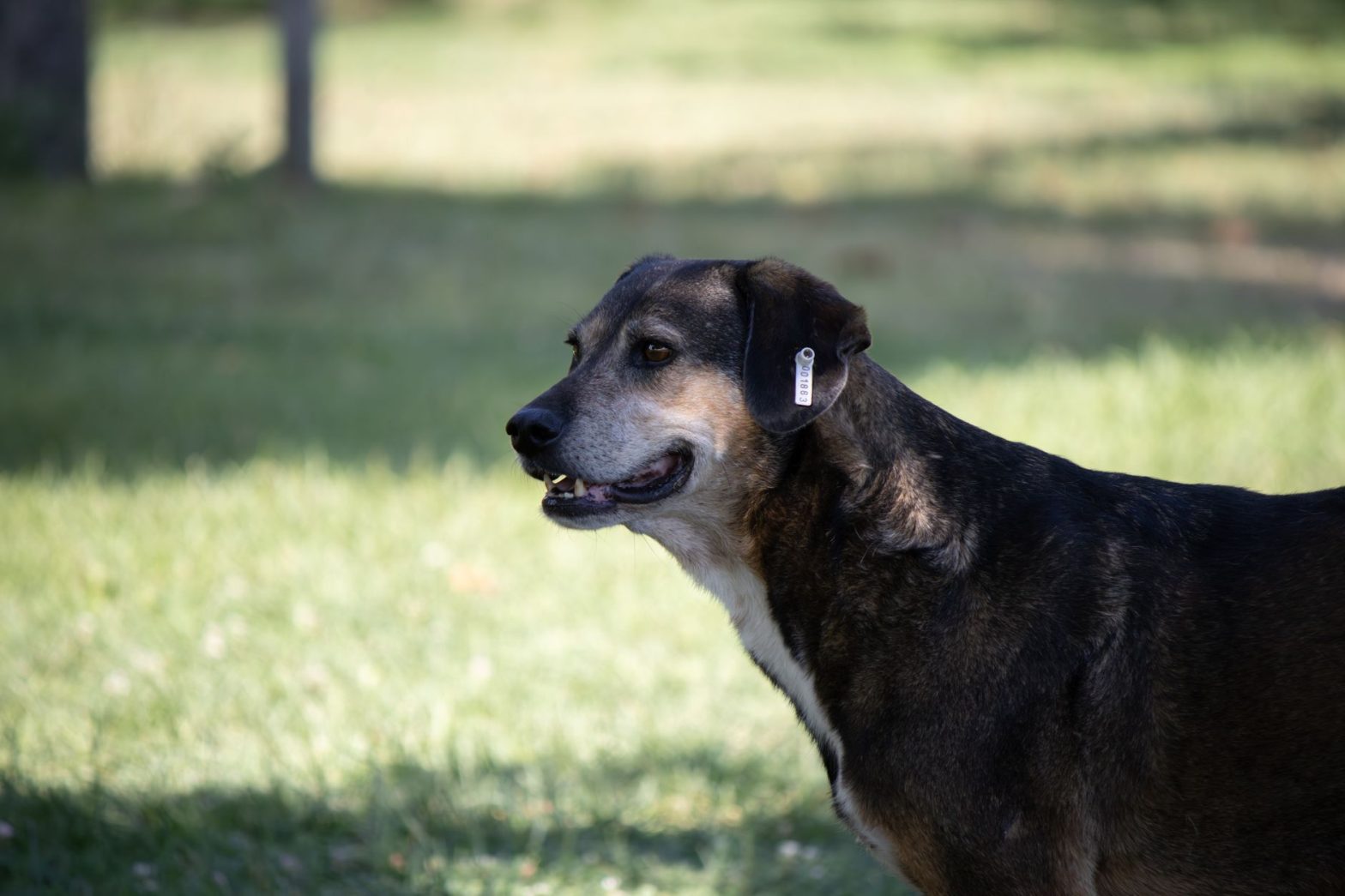
A pet ID tag is a vital accessory that provides immediate, readable contact information to anyone who finds your wandering dog. While microchips are excellent for permanent identification, a physical tag ensures that a kind stranger can call you directly without needing a trip to the vet for a chip scan.
⚡ In a Rush? Key Takeaways
- Durable stainless steel tags last 5+ years longer than plastic or aluminium.
- Over 90% of lost pets wearing tags are returned to owners within 24 hours.
- Slide-on collar tags reduce noise by 100% compared to traditional hanging ones.
- Ensure your tag includes at least two phone numbers and a city name.
- ✅ Best overall recommendation: Laser-engraved stainless steel rivet-on tags.
Which Style of Pet ID Tag is Most Secure?
Rivet-on or slide-on tags offer the highest security because they cannot snag on brush or be pulled off during your dog’s daily play.
Why are rivet-on tags so reliable?
Rivet-on tags attach directly to the collar strap, meaning they never jingle, catch on fence wires, or get lost in the grass.
I’ve seen far too many dangling tags get caught on crates or fence panels. A rivet-on tag sits flush against the material, making it virtually impossible for your dog to lose it during a vigorous backyard zoomie session.
What makes slide-on tags a good choice?
Slide-on tags slip over the existing collar strap to stay perfectly in place without needing permanent rivets or hardware.
If you don’t want to permanently modify your dog’s collar, slide-on versions are a fantastic middle ground. They offer the same snag-free benefits as rivets but can be moved to a new collar if you decide to upgrade your no-pull harness setup later.
How Do You Choose the Right Material for Durability?
Stainless steel is the industry gold standard for durability because it resists rust, scratches, and fading better than all others.
Is aluminum worth the lower price point?
Aluminum tags are very lightweight but tend to wear down and become unreadable after about two years of constant daily use.
While they are cheap, aluminum tags often develop deep scratches that make phone numbers illegible. If you have an active dog who loves swimming or wrestling, stick to harder metals to ensure that your contact information remains clear for years.
Why should you prefer laser engraving over stamping?
Laser engraving creates deeper, more precise markings that will not wear down as quickly as traditional stamped or etched text.
Stamped text often looks nice at first, but the metal surrounding the letters can shift over time. Laser-engraved stainless steel tags remain crisp and easy to read even after being dragged through dirt, mud, and water on every adventure.
What Essential Information Must Be on the Tag?
Include your primary phone number, your city, and a secondary contact number to ensure a quick reunion if your dog is found.
Is it necessary to include your home address?
Including a full address is a privacy risk that invites strangers to your home, so listing just the city and state is safer.
Keep your home address off the tag entirely to protect your privacy. Most people who find a lost dog are happy to call a number, and that is all they really need to get the process of returning your pet started safely.
What should you do if your dog has medical needs?
If your dog requires daily medication, use a brightly colored tag that clearly states the need for medical attention or support.
It is heartbreaking to think about, but if your pet has a condition like diabetes, that information needs to be visible. Using a separate, distinct tag for medical needs ensures it isn’t missed during a check of their collar.
Frequently Asked Questions About ID Tags
-
How often should I check my pet’s ID tag?
Check your pet’s tag at least every six months for readability and ensure the attachment ring has not become loose or bent.
-
Do I still need a tag if my dog is microchipped?
Yes, a tag provides instant contact info without requiring a vet visit, which significantly speeds up the reunion process for pets.
-
Are noise-reducing tag covers actually effective?
Silicone tag silencers or covers work very well to stop the jingling noise that traditional hanging tags create on your dog’s collar.
-
Should I consider a QR code or NFC-enabled tag?
QR code or NFC tags store more information than a traditional engraved tag and can be scanned with a smartphone to retrieve medical details, vaccination records, or multiple contacts.
Common concerns about ID tags focus on durability, noise reduction, and the best ways to keep contact information accurate always.
These smart tags complement a basic engraved tag; they don’t replace the need for legible phone numbers but give finders instant access to a pet’s profile, allergy info, or emergency vet contacts.
Make sure the QR code is printed on a durable, weather‑resistant material and test the scan regularly to ensure it remains readable.
— Lucy Hartwell CPDT-KA, Certified Professional Dog Trainer