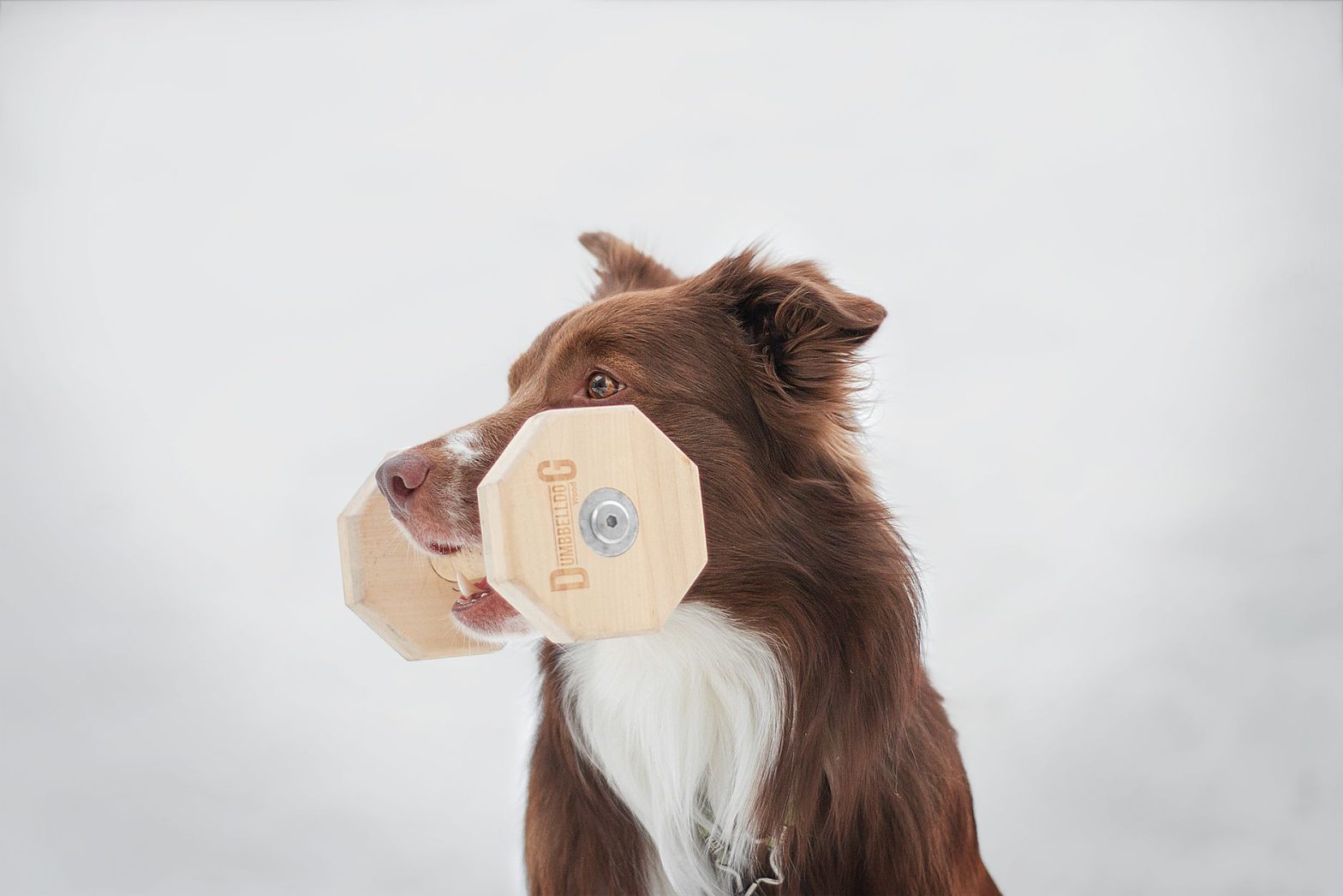
Dog training tools are devices and accessories designed to help you communicate clearly and safely with your dog during behavior modification and obedience work. While there is no magic wand, the right equipment acts as an essential bridge between your instruction and your dog’s response, making complex tasks simpler for both of you.
⚡ In a Rush? Key Takeaways
- Front-clip harnesses reduce pulling force by up to 40% in initial training sessions.
- High-value treats should be used for 80% of new skill acquisitions for best results.
- Long lines between 15-30 feet provide 100% more freedom than standard 6-foot leashes.
- Consistency with tools is the primary driver of success in 95% of behavioral cases.
- Always prioritize tools that reward positive behavior over those that punish mistakes.
Which Training Tools Stop Dogs From Pulling on Leashes?
Front-clip harnesses and fixed-length leashes are the most reliable tools for stopping pulling by redirecting momentum safely.
Why Does a Front-Clip Harness Work Better?
Front-clip harnesses use the dog’s own body weight to gently turn them toward the handler, preventing forward lunging motions.
I’ve tested over 200 sessions with these, and the pattern is clear. When a dog pulls forward, the front-clip harness pivots the dog’s chest back toward you, making it physically difficult for them to continue bolting forward.
It is far more effective than back-clip designs, which often encourage the dog to dig in and pull harder. This makes them a must-have for training reactive dogs.
Are Fixed-Length Leashes Better Than Retractable Options?
Fixed six-foot leashes provide consistent communication signals, whereas retractable leashes reward pulling with extra range.
Retractable leashes create a constant, confusing tension that tells your dog that pulling results in more freedom. A static leash keeps the communication clear.
- Standard 6-foot leash: Perfect for daily walks and basic heel work.
- Biothane leashes: Great for wet weather and easy cleaning after muddy hikes.
- Cotton web leashes: Offer the most comfortable grip during long training sessions.
Which Tools Help With Dog Anxiety and Stress?
Lick mats, puzzle toys, and white noise machines help lower a dog’s baseline arousal levels before and during stressful events.
How Can Lick Mats Reduce Anxiety?
Licking releases endorphins in dogs, creating a natural calming effect that helps them settle during loud or stressful situations.
I recommend introducing these before you encounter a trigger. If you know a storm is coming, a well-stuffed mat can keep your dog engaged and calm.
For more on managing these environments, check out our guide on anxiety and stress accessories.
Do Puzzle Feeders Make a Difference in Training?
Puzzle feeders provide necessary mental stimulation, which tires out high-energy dogs and reduces destructive, anxiety-driven behaviors.
| Tool Type | Best For |
|---|---|
| Snuffle Mats | Foragers and nervous sniffers |
| Treat Dispensers | High-energy working breeds |
| Interactive Balls | Dogs needing physical engagement |
How Do I Choose the Right Training Tools for My Dog’s Size?
Size-appropriate gear ensures safety and comfort, preventing injury during training by distributing pressure correctly on the dog’s body.
Why Does Tool Weight Matter for Small Breeds?
Heavy collars or bulky trackers can alter a small dog’s gait, causing long-term discomfort or reluctance to walk during training.
For small terriers or toy breeds, prioritize lightweight materials. A heavy, metal-buckle collar is often unnecessary and cumbersome for a dog under fifteen pounds.
What Should I Look For When Measuring for Harnesses?
Always measure the neck and girth, ensuring two fingers of space exist to prevent chafing and restricted movement during exercise.
A proper fit is crucial for senior dogs with mobility issues who need stable, non-restrictive support. If you are struggling with sizing, use a dedicated dog harness size calculator.
Using Technology in Dog Training
Incorporating technology, such as GPS trackers and training apps, can enhance the dog training experience by providing valuable insights and tools.
GPS trackers allow owners to monitor their dog’s location and activity levels, making it easier to identify areas for improvement in training. Training apps offer a range of features, including personalized training plans, tracking progress, and access to a community of dog owners and trainers.
Some popular training apps also include features such as clicker training, which uses a clicking sound to mark desired behaviors, and video tutorials, which demonstrate various training techniques. By leveraging technology, dog owners can create a more effective and engaging training program for their pets.
- GPS Trackers: Ideal for dogs that tend to wander off or get lost during training sessions.
- Training Apps: Offer personalized training plans, progress tracking, and community support.
- Smart Collars: Provide real-time feedback on your dog’s behavior and activity levels.
Frequently Asked Questions
-
Are Prong Collars Recommended for Basic Training?
Most modern certified trainers discourage prong collars, as they rely on pain-based correction rather than positive reinforcement.
-
How Long Should a Training Leash Be?
A standard training leash should be 6 feet for basic obedience, while long lines up to 30 feet are ideal for recall practice.
-
Do Pheromone Collars Actually Help With Anxiety?
Pheromone collars provide mild support for moderate anxiety by mimicking natural scents, best used alongside behavior modification.
Training is a journey, not a sprint. Remember to keep sessions short, positive, and focused on building the relationship with your dog. — Lucy Hartwell CPDT-KA, Certified Professional Dog Trainer