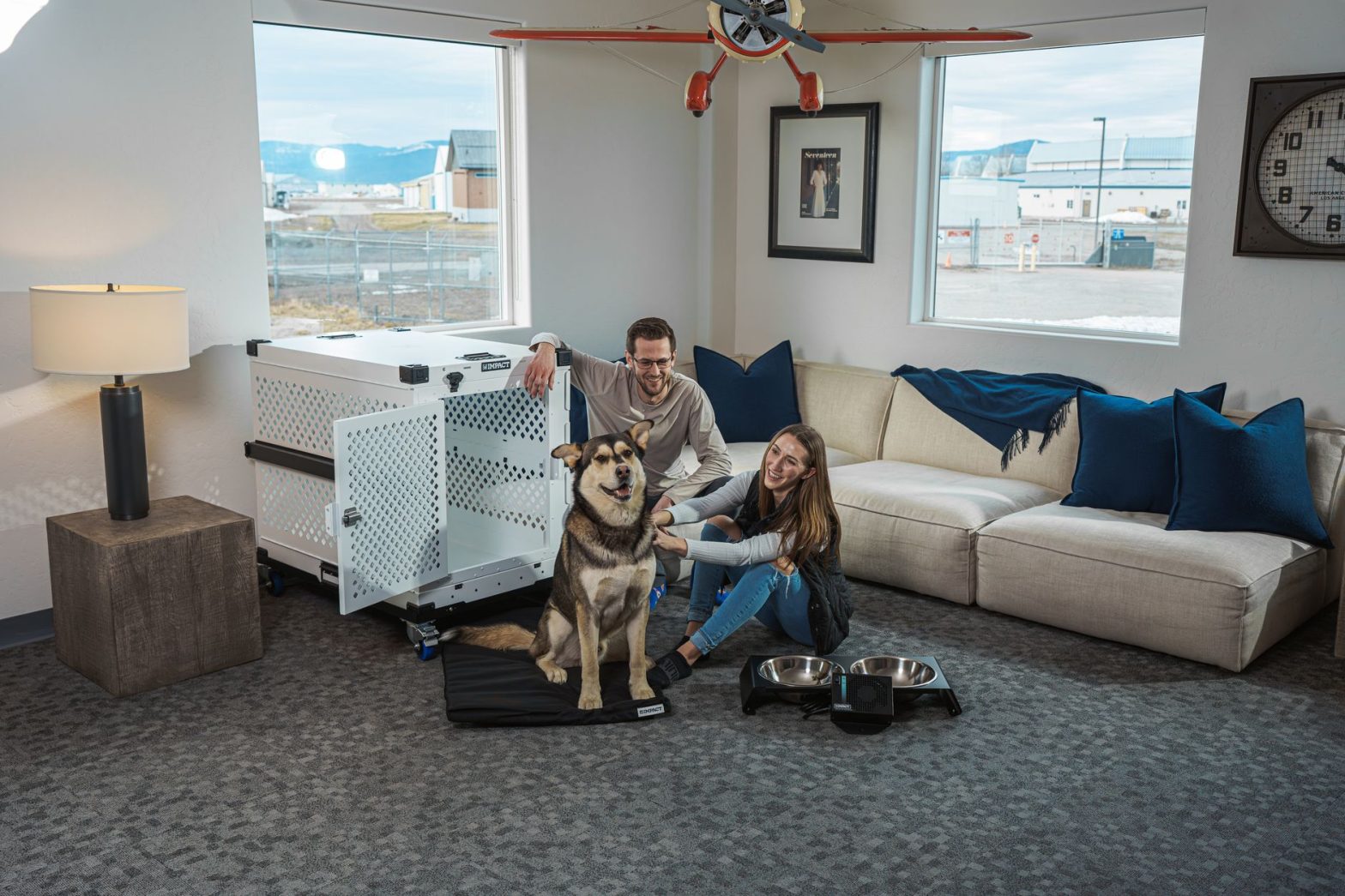
A large dog crate for big breeds should allow your dog to stand, turn around, and lie down comfortably with at least 4 to 6 inches of extra clearance on all sides. For giant breeds like Great Danes or Mastiffs, this often means sizing up to a 48-inch or 54-inch heavy-duty model to ensure they don’t feel cramped or anxious.
⚡ In a Rush? Key Takeaways
- Large crates must provide 6 inches of clearance to prevent joint strain.
- Heavy-duty steel crates can withstand up to 150 lbs of persistent pressure.
- Folding wire crates save 70% more space when stored than solid plastic models.
- My top recommendation for giant breeds is a 54-inch reinforced metal crate.
What Size Crate Does My Large Dog Need?
Most large dogs require a 42-inch or 48-inch crate to ensure they can comfortably stand, turn around, and lie down without hitting walls.
How Do I Measure My Dog for a Crate?
Measure from the tip of the nose to the base of the tail, then from the floor to the top of the head while sitting, adding 6 inches to each.
I always tell my clients that guessing based on weight alone leads to expensive mistakes. A tall Greyhound and a stocky Bulldog might weigh the same, but their spatial needs are completely different.
- Length: Tip of nose to base of tail (not tail tip).
- Height: Floor to the highest point of their ears while standing.
- Width: The dog’s shoulder width plus 4 inches of extra space.
Is a Larger Crate Always Better for Training?
Oversized crates can hinder potty training because dogs may use one corner as a bathroom if there is too much excess space available.
If you have a puppy, look into crates with divider panels. These allow you to adjust the interior space as your dog grows. You can learn more about managing this in our anxiety and stress management hub.
Which Crate Style Is Best for Big Breeds?
Wire crates offer the best ventilation and visibility, while heavy-duty steel crates provide maximum security for escape artist dogs.
Why Choose Heavy-Duty Steel Over Standard Wire?
Heavy-duty steel crates feature reinforced welds and thicker gauge metal that prevents bending from powerful or anxious large dogs.
My own rescue mix is an escape artist who can nudge open standard latches in minutes. For dogs like him, reinforced steel is the only option that keeps them safe and secure.
| Feature | Standard Wire | Heavy-Duty Steel |
|---|---|---|
| Durability | Low/Medium | Very High |
| Weight | Lightweight | Heavy |
| Price | Budget-friendly | Premium |
Are Plastic Travel Crates Suitable for Home Use?
Plastic crates provide a den-like environment that reduces stress but offer limited airflow compared to open-wire mesh designs.
If your dog struggles with noise sensitivity or separation anxiety, the enclosed nature of a plastic crate can feel safer. Check out our guide on crates for separation anxiety to see if this style suits your setup.
How Do I Keep My Large Dog Comfortable Inside?
Use four-inch thick orthopedic memory foam beds to ensure your large dog’s joints are properly cushioned against the hard crate floor.
Do Large Dogs Need Orthopedic Bedding?
Orthopedic bedding for large dogs distributes weight evenly, reducing pressure on aging hips and stiff joints during long crate sessions.
I never recommend using basic flat mats for senior or heavy breeds. Thin mats compress instantly, leaving your dog sleeping essentially on a metal or plastic floor.
How Should I Arrange the Crate for Best Results?
Place the crate in a quiet corner of your home, away from high-traffic areas and direct drafts, to encourage a calm and restful state.
Proper placement is essential, especially for sensitive dogs. If your home setup is still a work in progress, use our senior dog home audit to ensure your living spaces remain safe and accessible.
Crate Training Basics for Large Dogs
Introduce the crate gradually with positive reinforcement, using treats and short sessions to build a positive association.
Start by leaving the crate door open and placing a favorite blanket or toy inside; reward your dog for entering voluntarily. Once comfortable, close the door for a few minutes while you stay nearby, gradually increasing the time as your dog remains relaxed.
Never use the crate as punishment; consistency and patience are key to turning the crate into a safe retreat rather than a source of anxiety.
Frequently Asked Questions
-
How long should a large dog stay in a crate?
Adult large dogs should not spend more than four to six hours in a crate at a time to prevent muscle stiffness and ensure bathroom needs.
-
Are wire crates easy to clean?
Wire crates are the easiest to clean because they feature removable slide-out trays that can be rinsed and disinfected in minutes.
-
Can my large dog bend the crate bars?
Yes, powerful dogs can bend standard wire bars; if your dog displays destructive behavior, invest in reinforced steel or aluminum models.