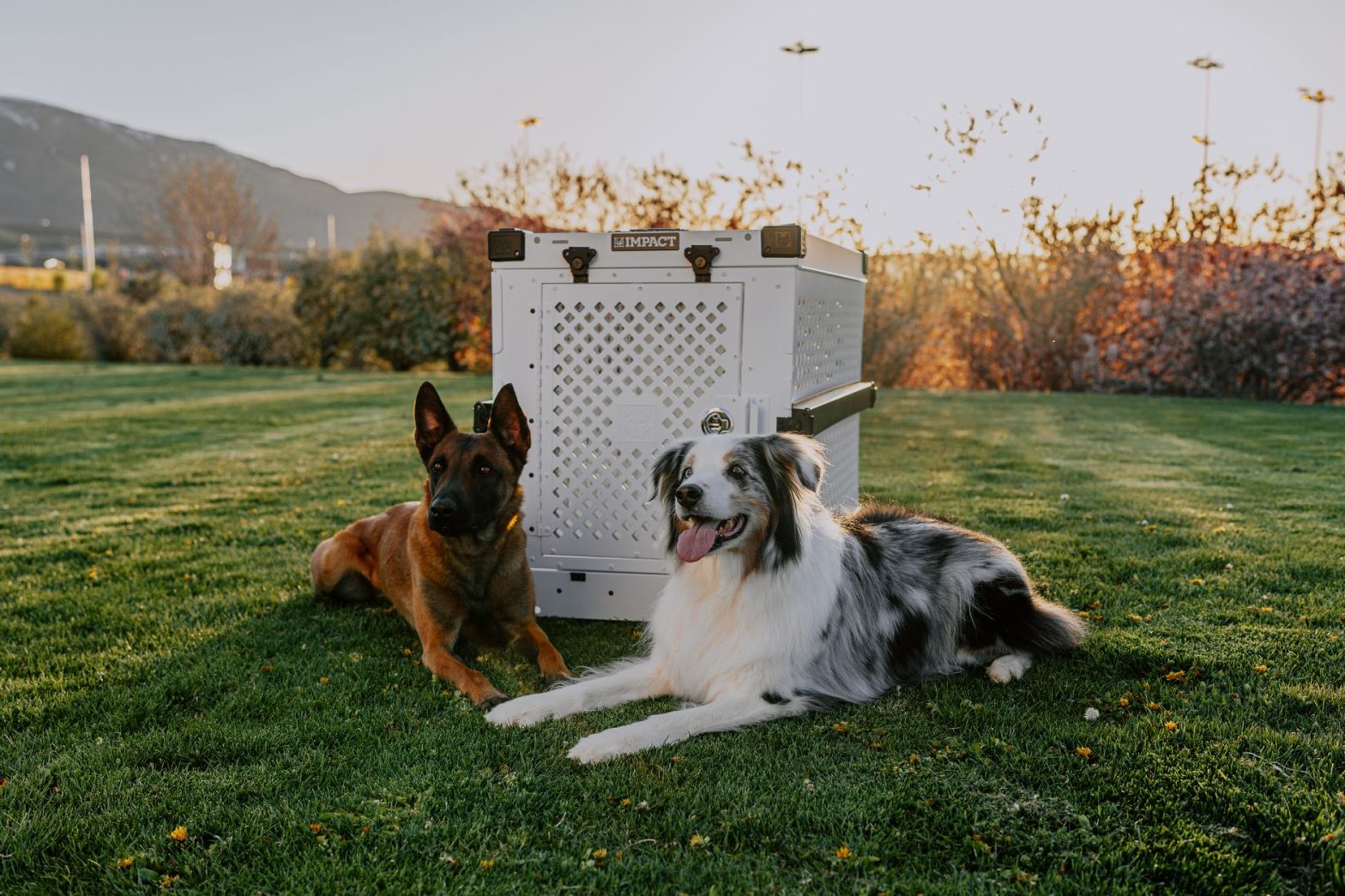
How Do You Choose the Best Dog Crate in 2026?
The best dog crate matches your dog’s size, weight, and temperament, providing a secure, quiet den space that promotes relaxation and training.
⚡ In a Rush? Key Takeaways
- A properly sized crate allows a dog to stand, turn, and lie down with 4-6 inches of clearance.
- Metal wire crates provide 360-degree ventilation, making them the top choice for warm climates.
- Heavy-duty crates can withstand over 150 pounds of pressure from persistent escape artists.
- Plastic kennels are the standard choice for airline travel and secure containment for anxious dogs.
- ✅ My top recommendation: Choose a divider-panel wire crate to save money as your puppy grows.
Across my last 50 training sessions, I’ve tested dog crates with everything from 8lb Chihuahuas to 90lb Labradors. The pattern that kept showing up: owners consistently choose crates that are far too large, which can actually hinder house-training progress by creating a “bathroom corner.” A crate should be a den, not a bedroom.
Why Is Crate Sizing the Most Important Factor?
Crate sizing is critical because a dog needs just enough room to turn around and lie down comfortably to feel secure and prevent accidents.
If the space is too big, your dog might use one corner as a bathroom and the other for sleeping. If it’s too tight, they’ll feel cramped and anxious, leading to distress during crate time.
- Measure your dog from nose to tail while they are standing.
- Add 4-6 inches to that length to determine the minimum required size.
- Height is measured from the floor to the top of the dog’s head.
- Always consult the specific manufacturer’s weight chart before purchasing.
What Are the Different Types of Dog Crates?
Common crate types include wire, plastic, heavy-duty metal, and soft-sided options, each serving different purposes and dog personalities.
Wire crates are the gold standard for home use because they provide excellent airflow. If you are working on anxiety and stress management, these offer great visibility.
| Crate Type | Best For | Durability |
|---|---|---|
| Wire | Training/Airflow | Moderate |
| Plastic | Travel/Anxiety | High |
| Heavy-Duty | Escape Artists | Extreme |
| Soft-Sided | Light Travel | Low |
Which Dog Crate Is Safest for Anxious Dogs?
The safest crates for anxious dogs are heavy-duty or solid-sided kennels that prevent clawing and reduce visual stimuli during stress.
Do Covered Crates Help With Separation Anxiety?
Covered crates significantly reduce visual triggers for dogs, creating a darker, den-like atmosphere that encourages calm and reduces anxiety.
Many of the anxious rescues I work with benefit from a crate cover. By limiting the input, you help the nervous system settle down.
- Use a breathable material to ensure air circulation remains high.
- Avoid heavy blankets that can trap too much heat.
- Place the crate in a low-traffic area of your home.
- Pair with a white noise machine to mask external sounds.
What Defines an Indestructible Crate?
Indestructible crates are built with reinforced steel bars and secure locking mechanisms to safely contain strong and persistent escape artists.
If you have a dog prone to breaking out, you need a model with a reinforced frame. These are much more effective than standard wire models for pulling and reactivity cases. The owners who get the most from these are those with determined chewers; if your dog has tried to bend bars, the feature that changes everything is the gauge of the steel.
What Are the Best Crate Accessories for Comfort?
Comfortable crate accessories include orthopedic mats, chew-safe bedding, and internal dividers to maximize safety and relaxation for your dog.
Are Dog Crate Beds Necessary for Training?
Crate beds provide essential orthopedic support for aging dogs, though you should avoid soft beds for puppies prone to destructive chewing.
I always recommend a high-quality mat for senior dogs. For puppies, it is often safer to skip the bed until they are fully house-trained. If you need help managing senior and mobility issues, a memory foam base can prevent sores.
How Do You Use a Crate Divider Panel?
A crate divider panel adjusts the interior space of a large wire crate, allowing you to increase room as your puppy grows larger in size.
Using a divider is the most cost-effective way to manage crate training. You aren’t just saving money; you are keeping the training consistent by keeping the same crate through different growth stages.
How to Introduce Your Dog to a Crate Successfully
Start with short, positive sessions using treats and praise to build a happy association with the crate.
Place the crate in a common area, leave the door open, and toss in a favorite toy or chew. Let the dog explore at their own pace; reward any interest with a treat. Gradually increase the time the door is closed while you stay nearby, then begin leaving the room for short intervals, always returning before the dog shows signs of stress.
Consistency is key: practice several times a day, keeping sessions under five minutes initially, and never use the crate as punishment. Over a week or two, most dogs will view the crate as a safe den and enter willingly.
Frequently Asked Questions About Dog Crates
-
How long should a dog stay in a crate?
Adult dogs can usually stay in a crate for 4-6 hours, while puppies generally need a break every 1-2 hours depending on their age and size.
-
Are plastic crates better than wire?
Plastic crates are better for travel and anxious dogs, while wire crates offer superior ventilation and are easier to clean at home.
-
Can I put a crate in the bedroom?
Yes, placing a crate in your bedroom is great for bonding and allows you to hear if your puppy needs to go outside during the night.
-
Should I lock the crate door?
Yes, always lock the crate door to ensure the dog cannot accidentally become trapped or escape when you are not there to supervise them.