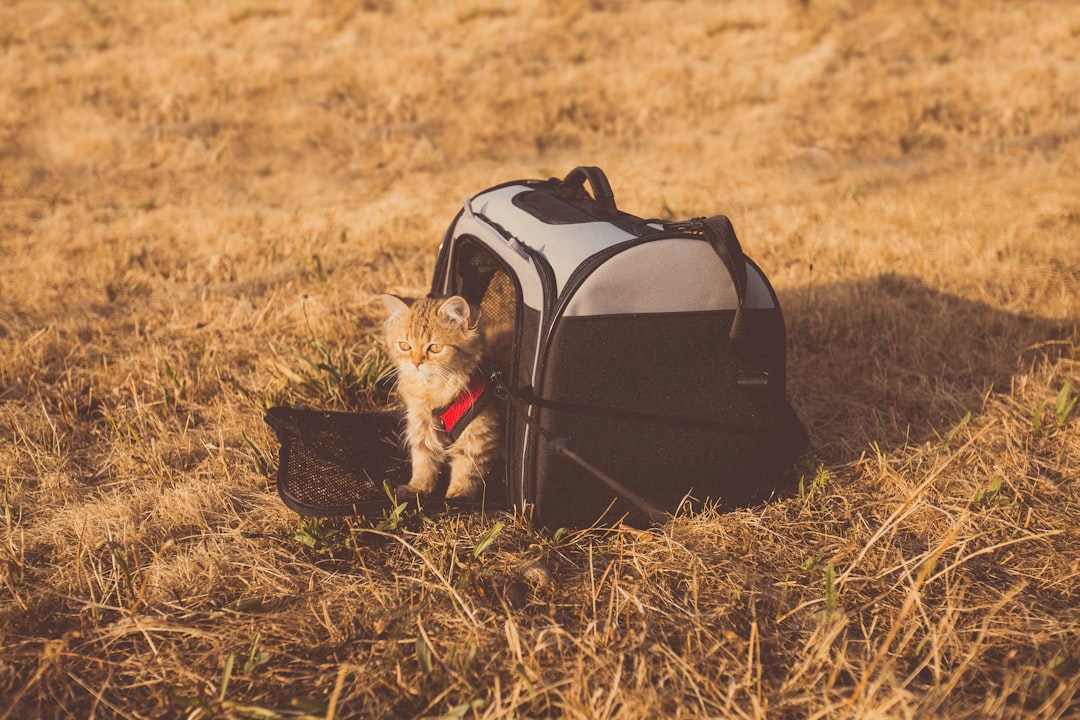
How Do I Stop My Cat From Freaking Out In The Carrier?
It’s a scene familiar to many cat owners: the mere sight of the cat carrier sends your feline friend into a frenzy. Hissing, scratching, and a desperate attempt to disappear under the nearest piece of furniture – sound familiar? You’re not alone. Cat carrier anxiety is a common issue, but thankfully, it’s one you can tackle head-on.
As a fellow cat lover, I’ve been there. Trips to the vet with my own cats used to be a source of major stress for everyone involved. Over time, I’ve learned some effective strategies to make the experience less traumatic. In this article, I’ll share my top tips for calming your cat’s carrier anxiety, turning travel into a (relatively) peaceful experience.
Why do cats hate carriers so much?
Cats often associate carriers with negative experiences like vet visits or being moved to unfamiliar environments. This learned association can trigger a fear response, leading to avoidance behaviors and panic. It is important to change this association to ensure easier travel with your feline friend.
Choosing the Right Carrier: Comfort is Key
The first step in calming carrier anxiety is selecting the right carrier. A carrier that’s too small, difficult to access, or feels unstable can exacerbate your cat’s fears.
What are the best features of a cat carrier to look for?
Look for a carrier that’s sturdy, well-ventilated, and easy to clean. A top-loading carrier can be a lifesaver, allowing you to gently lower your cat in instead of forcing them through a front door. Consider a carrier that can also double as a safe space at home.
- Size: Your cat should be able to stand up, turn around, and lie down comfortably inside.
- Material: Hard-sided carriers offer more protection, while soft-sided carriers can be easier to store.
- Access: Top and front openings provide flexibility. A top opening is especially helpful for anxious cats.
- Ventilation: Good airflow is essential to prevent overheating and reduce stress.
Can I use a dog carrier for my cat?
While a small dog carrier might seem suitable, they’re often not ideal for cats. Cat carriers are designed with features specific to feline needs, such as better ventilation and secure latches that prevent escapes. It’s best to invest in a carrier specifically designed for cats.
Making the Carrier a Safe Space
Once you’ve chosen the right carrier, it’s time to transform it from a scary object into a comforting retreat. This involves desensitization and positive reinforcement. Associate the carrier with good things and reduce fear responses.
How do I get my cat used to the carrier?
Start by leaving the carrier out in a common area with the door open. Make it inviting by placing a soft blanket or your cat’s favorite toys inside. Encourage your cat to explore the carrier on their own, without any pressure.
- Treats and Toys: Toss treats or toys inside the carrier to create positive associations.
- Feeding Time: Place your cat’s food bowl near the carrier, gradually moving it closer and eventually inside.
- Positive Reinforcement: Praise and reward your cat for any interaction with the carrier, no matter how small.
How long does it take for a cat to get used to a carrier?
The timeframe varies depending on your cat’s personality and past experiences. Some cats may become comfortable within a few days, while others may take weeks or even months. Consistency and patience are key.
Pre-Trip Preparations: Setting the Stage for Success
On the day of your trip, a few simple preparations can make a big difference in your cat’s stress level. Consider using calming aids, and make sure your cat feels secure during transport.
Should I feed my cat before putting them in a carrier?
Avoid feeding your cat a large meal right before travel, as anxiety can sometimes lead to nausea. However, a small, light meal or a few treats can help keep them content.
Do calming sprays or pheromone diffusers help reduce cat anxiety in carriers?
Yes, absolutely! Feliway is a synthetic feline pheromone that can help reduce anxiety and promote a sense of calm. Spray the carrier with Feliway about 30 minutes before putting your cat inside. Also, consider using a calming collar for your cat.
What’s the best way to get a reluctant cat *into* the carrier?
Here are a few tricks to try:
- The Towel Wrap: Gently wrap your cat in a towel, leaving only their head exposed, before placing them in the carrier. This provides a sense of security and prevents scratching.
- The Backward Approach: Instead of trying to coax your cat in face-first, try gently backing them into the carrier.
- The Vertical Drop: If you have a top-loading carrier, gently lower your cat in from above.
During the Trip: Keeping Calm and Collected
Once your cat is in the carrier, your job isn’t over. How you handle the trip itself can significantly impact their anxiety levels. Here are some tips to soothe your furry passenger.
Should I cover the carrier with a blanket?
Yes, covering the carrier with a blanket can provide a sense of security and reduce visual stimulation. However, make sure there’s still adequate ventilation. Leave the front slightly uncovered so your cat can still see out a bit. This helps them feel safer and reduces anxiety.
What can I do to keep my cat calm in the car?
During the drive, speak to your cat in a calm, reassuring voice. Avoid sudden movements or loud noises. Playing soft music can also help mask stressful sounds.
Are there any calming treats for cats during travel?
Yes, certain calming treats containing ingredients like L-theanine or chamomile can help reduce anxiety. Consult your veterinarian before using any new supplements, however. Some treats can make a big difference in your cat’s comfort level.
Post-Trip: Reinforcing Positive Associations
Once you’ve reached your destination, it’s important to continue reinforcing positive associations with the carrier. A positive post-trip experience can help reduce future anxiety levels.
How can I make the carrier feel safe when we get home?
Leave the carrier out in a familiar area, and allow your cat to exit on their own terms. Offer praise and treats to reward their bravery. Let your cat set the timeline for re-entering the carrier.
Should I clean the carrier after a stressful trip?
Yes, cleaning the carrier after a stressful trip can help remove any lingering odors or pheromones that might trigger anxiety. Use a mild, cat-friendly cleaner. A clean carrier can feel like a fresh start for your cat.
When to Consult Your Vet
While these tips can be effective for many cats, some may require additional help. If your cat’s anxiety is severe or doesn’t improve with these strategies, consult your veterinarian. They may recommend medication or other interventions.
Can my vet prescribe medication for cat anxiety during travel?
Yes, in some cases, your veterinarian may prescribe anti-anxiety medication for travel. This is typically reserved for cats with severe anxiety or those who have not responded to other methods. Always follow your vet’s instructions carefully.
The Takeaway
Conquering cat carrier anxiety takes time, patience, and a consistent approach. By choosing the right carrier, creating positive associations, and implementing calming strategies, you can transform travel from a nightmare into a manageable experience for both you and your feline friend. Remember, every cat is different, so experiment to find what works best for your furry companion.
And finally, consider investing in a cat carrier designed specifically for anxious cats, such as those lined with calming pheromones or offering a secure, enclosed space. A GPS cat tracker can also ease your mind, ensuring you can locate your cat if they manage to escape during travel.