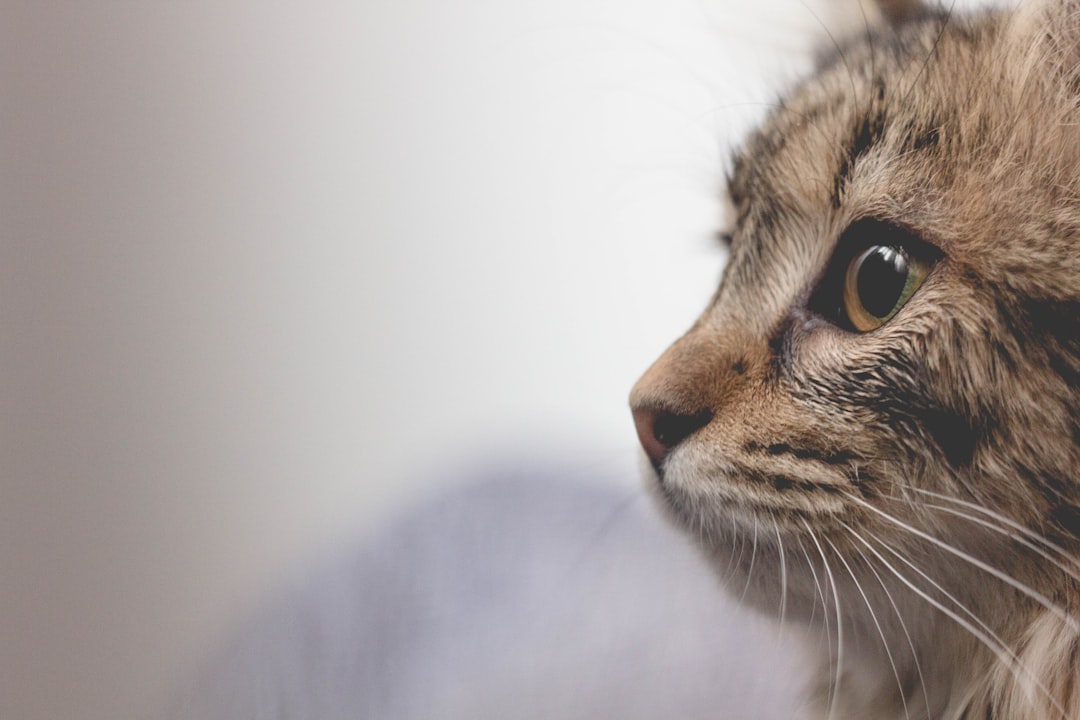
How Do Cats Say Goodbye?
Cats, those enigmatic creatures, often leave us wondering about their true feelings. Unlike dogs, who wear their hearts on their furry sleeves, cats tend to be more subtle in their expressions. This can leave you scratching your head, especially when it comes to deciphering their farewell rituals. As any cat owner knows, interpreting feline communication is an art, not a science. Let’s dive into the fascinating world of feline goodbyes and unravel the mystery behind how cats say farewell.
Why Don’t Cats Seem to Notice When Owners Leave?
Cats are masters of independence, which contributes to why their departures go unnoticed. Their routine is often less attached to your presence compared to dogs.
Unlike dogs, who often experience separation anxiety when their owners leave, cats tend to be more self-sufficient. While they may enjoy your company, they don’t necessarily rely on you for their emotional well-being. This independence translates to a more relaxed attitude when you head out the door. It’s not that they don’t care, but their survival instincts are wired differently. They know how to entertain themselves, hunt, and find comfort in their surroundings.
Here’s an analogous example: If you’re searching for a cat carrier for car anxiety, you’re likely seeking a product to ease stress for your feline versus being crucial. It’d be more about your feeling versus a necessity. Understanding that emotional nuance is a vital first step.
Common Feline Farewells
Although difficult, understanding common farewell behaviors is key to truly knowing a cat’s feelings. Cats show affection in unexpected ways, and goodbyes are no different.
Do cats purr when you leave?
Purring isn’t always a sign of happiness. Cats also purr when they’re stressed, in pain, or trying to self-soothe, and that includes when you leave.
While purring is often associated with contentment, it can also be a sign of anxiety or stress. When you’re leaving, your cat might purr to comfort themselves, especially if they sense a change in your routine. Think of it as their way of saying, “Okay, everything’s going to be alright,” rather than a joyful farewell. It’s their internal coping mechanism kicking in.
Do cats rub against you when you leave?
Rubbing, or bunting, is a way for cats to mark their territory and spread their scent and is a common tactic to say goodbye. When your cat rubs against you as you’re heading out, they’re essentially claiming you as their own before you leave.
Do cats meow when you leave?
A meow or two might simply be their way of acknowledging your departure so pay attention to the type of meow too. Is it a plaintive wail, or a casual chirp?
A drawn-out, high-pitched meow could indicate anxiety. The cat is saying, “Hey, don’t leave me! I’m not happy about this.”
A soft, gentle meow is more likely a simple acknowledgment of your departure. The cat is saying, “Okay, goodbye. See you later.” It’s a polite and casual farewell.
Do cats head butt you when you leave?
Cats will head-butt their owners to show affection. They press their forehead against you to deposit scent secretions from glands. When they head-butt you as you leave, it means they care.
Do cats ignore you when you leave?
Some cats simply don’t react when their owners leave, which is perfectly normal. It doesn’t mean they don’t care; it simply means they’re independent and confident in their environment.
Do cats show you their belly when you leave?
If your feline exposes their vulnerable belly, they trust you. It’s a sign that they feel safe and secure in your presence, even as you’re leaving.
Factors That Influence a Cat’s Goodbye Behaviour
A few situations sway the feline’s emotions, and as a result, influence the animal’s actions. Here are some important factors.
The Cat’s Personality
Your cat’s personality plays a significant role in how they say goodbye. Some cats are naturally more affectionate and demonstrative, while others are more reserved and independent.
The Cat’s Age
Kittens tend to be more clingy and vocal when their owners leave, while older cats are often more set in their ways. A senior cat may simply want to be left alone.
If you are planning a trip, look into a cat carrier for anxious cats to ensure that they are safe and calm when going to the vet. Senior cats are more susceptible to getting anxious if they aren’t comfortable.
The Cat’s Relationship With You
Like humans, cats develop unique relationships with their owners, which is especially common in multi-cat households. The stronger the bond, the more likely they are to display noticeable farewell behaviors.
The Cat’s Routine
Cats are creatures of habit, so any disruption to their routine can cause anxiety and affect how they say goodbye. If you usually leave at a specific time of day, your cat may anticipate your departure and display certain behaviors in response.
Separation Anxiety in Cats: When Goodbye Is Hard
Although less common than in dogs, separation anxiety can occur in cats. If your cat exhibits extreme distress when you leave, it may be a sign of a deeper issue.
Signs of Separation Anxiety in Cats
- Excessive vocalization (meowing, howling, crying)
- Destructive behavior (scratching furniture, chewing objects)
- Inappropriate elimination (urinating or defecating outside the litter box)
- Excessive grooming (leading to bald patches or skin irritation)
- Changes in appetite (loss of interest in food or compulsive eating)
- Restlessness or agitation (pacing, inability to settle down)
What to Do If You Suspect Separation Anxiety
If you notice these signs, consult with your veterinarian. They can rule out any underlying medical conditions and recommend appropriate treatment options, such as behavior modification techniques or medication. If your cat has separation anxiety, invest in calming cat beds for anxious cats.
Making Goodbyes Easier for Your Cat
Whether your cat is prone to anxiety or simply prefers a calm farewell, there are steps you can take to make your departures less stressful for both of you.
Establish a Consistent Routine
Cats thrive on routine, so try to maintain a consistent schedule for feeding, playtime, and departures. This predictability can help reduce anxiety.
Provide Environmental Enrichment
Make sure your cat has plenty of toys, scratching posts, and climbing structures to keep them entertained while you’re gone. A stimulated cat is less likely to feel bored or anxious.
Use Pheromone Diffusers
Pheromone diffusers release synthetic feline pheromones that can help create a calming environment. Place one in your cat’s favorite spot to help them feel more secure.
Offer a Special Treat or Toy
Before you leave, give your cat a special treat or toy that they only get when you’re heading out. This can create a positive association with your departure.
Stay Calm and Collected
Cats are sensitive to your emotions, so try to remain calm and collected as you prepare to leave. Avoid making a big fuss or displaying any signs of anxiety yourself.
The Cat’s Perspective: Why Goodbyes Matter
While it’s easy to anthropomorphize our feline friends, it’s important to consider their perspective. Cats experience the world differently than humans, and their farewell behaviors are rooted in their unique instincts and needs.
For cats, goodbyes may not be about emotional attachment in the same way they are for humans. Instead, they’re more about maintaining a sense of security and control over their environment. When you leave, you’re disrupting their routine and potentially threatening their resources. That’s why they display certain behaviors to reassure themselves that everything is still okay.
Final Thoughts: Decoding the Feline Farewell
Understanding how cats say goodbye is a key to unlocking a deeper connection with your feline companion. By paying attention to their subtle cues and respecting their needs, you can create a more harmonious relationship and ease any anxiety they may feel when you leave.
So, the next time you head out the door, take a moment to observe your cat’s farewell rituals. You may be surprised by what you discover. Whether it’s a gentle purr, a soft head-butt, or a casual flick of the tail, each goodbye is a unique expression of your cat’s affection and their way of saying, “See you later, meow!” If you want to keep your cat happy and healthy, cat enrichment is key.