How to Brush Your Dog’s Teeth at Home (Trainer’s Step-by-Step Routine)
Dental disease is one of the most common health issues I see in dogs, and it’s also one of the most preventable — which is exactly why it frustrates me when owners tell me they “tried brushing once and it didn’t go well” and gave up. As a CPDT-KA certified trainer, I think of tooth-brushing the same way I think of nail trims: it’s a trained behavior, not something a dog automatically tolerates, and a few short sessions of positive association make a permanent difference.
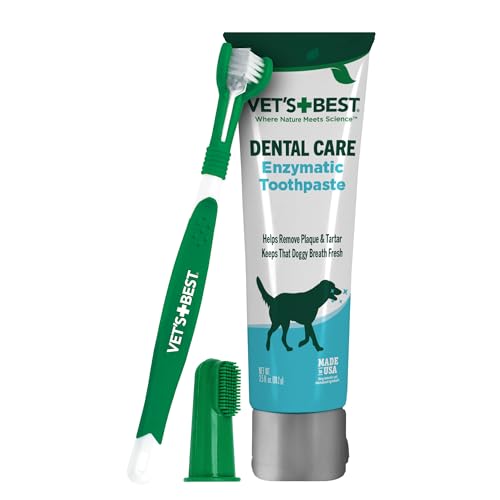
Check today’s price on Amazon: Vet’s Best Dog Toothpaste & Toothbrush Dental
Here’s the actual routine I use and recommend, step by step — not the rushed five-second version that ends with your dog bolting under the bed.
Step 1: Get Your Dog Comfortable With Touch First
Before any brush touches a tooth, spend a few days just handling your dog’s muzzle and lips, pairing it with a treat every time. Lift the lip, touch a tooth with your finger, treat. That’s it. Dogs that fight brushing almost always skipped this step — the brushing itself isn’t usually the problem, the sudden hand-in-mouth is.
Step 2: Start With a Finger Brush, Not a Full Toothbrush
A finger toothbrush gives you more control and feels less invasive to a dog than a long-handled brush right out of the gate. I start every dog — and every client’s dog — on a finger toothbrush before graduating to anything bigger.
Step 3: Use an Enzymatic Toothpaste Made for Dogs
Never use human toothpaste — the fluoride and foaming agents aren’t meant to be swallowed, and dogs don’t spit. Enzymatic pet toothpaste is designed to be swallowed and works by breaking down plaque chemically, not just by scrubbing. I use enzymatic dog toothpaste in a poultry flavor, since flavor is genuinely what makes or breaks cooperation here.
Step 4: Brush in Small Circles, Focus on the Gumline
You don’t need to scrub the inside surfaces of the teeth — most tartar builds up along the outer gumline, which is also the side your dog will tolerate best since you’re not reaching deep into their mouth. Thirty seconds per side is plenty for a daily routine.
See the latest deal: Vet’s Best Dog Toothpaste & Toothbrush Dental
Step 5: Keep Sessions Short and End on a Win
Two minutes, once a day, consistently, beats one long ten-minute session a week. End before your dog gets frustrated, not after.
What About Water Additives and Dental Rinses?
Brushing is still the gold standard, but a dental water additive is a reasonable supplement on days a full brushing session isn’t realistic. It’s worth noting that pet dental water additives borrow a lot from human oral-care technology — controlled-pressure delivery designed to reach the gumline more thoroughly than a rinse alone. It’s not a brushing replacement, but it’s a genuinely useful add-on for the days brushing doesn’t happen.
Signs You Need an Actual Vet Dental Cleaning
Home brushing maintains clean teeth — it doesn’t remove tartar that’s already hardened. If you see brown buildup at the gumline, bad breath that doesn’t improve with brushing, or your dog pulling away when you touch one specific tooth, that’s a vet visit, not a toothpaste problem.
What If Your Dog Won’t Tolerate Brushing At All?
Some dogs genuinely never get fully comfortable with a brush, especially seniors who’ve had years of no dental care and may have sore spots we don’t know about. In those cases, I don’t force it — I back up to the handling-and-treat stage indefinitely, lean more heavily on dental chews and water additives, and talk to the dog’s vet about whether a professional cleaning under anesthesia is overdue. A dog that tolerates nothing is telling you something, and the answer usually isn’t “brush harder.”
Traveling With Your Dog? Don’t Forget the Toothbrush
A trip is no reason to skip the routine, and the kit is small: a finger brush and a small tube of enzymatic dog toothpaste take almost no room in a bag. Just as your dog doesn’t need a bulky travel kit, neither do you, so if you want a compact option for your own teeth, take a look at the best travel electric toothbrushes. Pack both and neither of you has to miss a day.
Dental care is one of the easiest health habits to build into a daily routine once a dog is used to it — and one of the easiest to let slide once it isn’t. A few consistent weeks of short sessions is usually all it takes to get there.
Check today’s price on Amazon: Vet’s Best Dog Toothpaste & Toothbrush Dental
For more detail, read dog dental care.
You may also want to read dog grooming tools.
Black Friday and Cyber Monday 2026 deals on dog dental care products are coming — bookmark this page and check back from 27 November for live price drops.