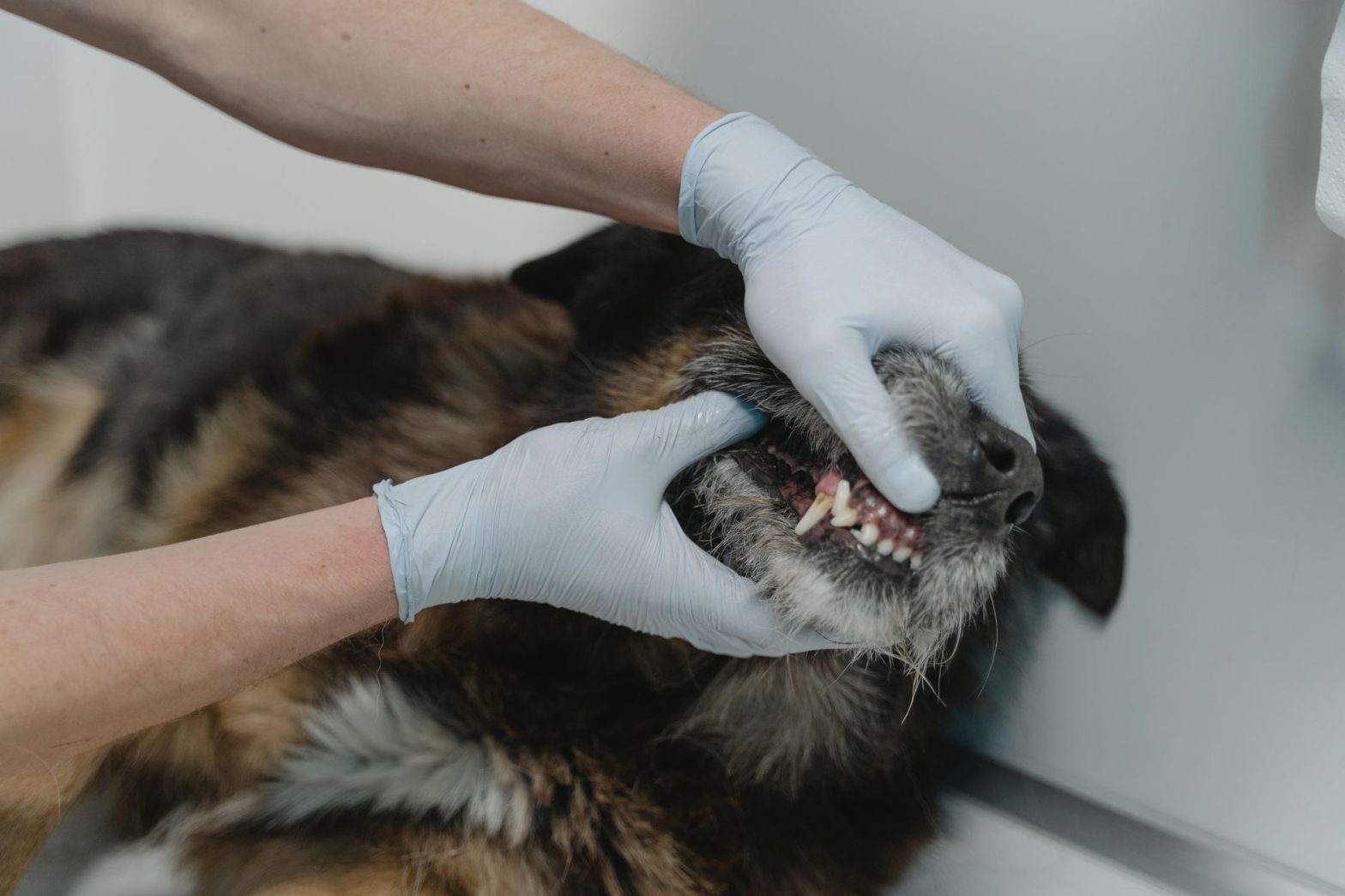
Dog dental care requires a consistent daily routine of mechanical cleaning, regular oral inspection, and the use of vet-approved chewing aids to prevent plaque buildup. Most adult dogs develop periodontal disease by age three without an established home care plan, making proactive maintenance essential for long-term health.
⚡ In a Rush? Key Takeaways
- 80% of dogs exhibit signs of periodontal disease by their third birthday.
- Brushing your dog’s teeth just 3 times weekly reduces plaque by 40%.
- Avoid human toothpaste, as 100% of these contain xylitol which is fatal to dogs.
- Always prioritize VOHC-accepted chews for proven tartar control results.
- ✅ Verdict: A daily toothbrushing habit is the gold standard for oral longevity.
How Do I Start Brushing My Dog’s Teeth?
Begin by desensitizing your dog to finger contact, then introduce a soft-bristle brush with poultry-flavored paste over several weeks.
Can I use human toothpaste for my dog?
Never use human toothpaste for dogs because common ingredients like fluoride and xylitol cause severe toxicity and potential organ failure.
Human dental products are formulated for spitting, but dogs swallow everything. Xylitol is an artificial sweetener found in many brands that can trigger a dangerous drop in blood sugar.
Look specifically for enzymatic toothpaste formulated for pets. These formulas break down bacteria in the mouth even after you stop scrubbing.
How often should I brush my dog’s teeth?
Brush your dog’s teeth at least three times per week to effectively disrupt the formation of hardened tartar on their enamel surface.
- Use a soft-bristled brush or finger cot.
- Focus primarily on the outside surfaces of the back molars.
- Reward your dog heavily after each session to build positive associations.
What Are the Best Dental Chews for Dogs?
The best dental chews are those with a VOHC seal of acceptance that mechanically scrape plaque off teeth during the natural chewing process.
How do I identify a safe dental chew?
Look for the Veterinary Oral Health Council seal on packaging to ensure the product has verified data proving it reduces tartar buildup.
Not all treats marketed as dental aids perform the same way. Many are simply high-calorie snacks that do nothing for gum health.
Checking labels for the VOHC seal is my top tip for clients before they spend money on accessories. It confirms the product has undergone clinical trials.
Which dental toys actually help clean teeth?
Textured rubber toys with ridges and nubs help scrape away soft plaque during play if your dog is an enthusiastic and persistent chewer.
If your dog is a destructive chewer, consider looking at our best chew toys for anxious dogs to manage their chewing needs safely. A tough, textured rubber toy acts as a manual scrubber for the gums.
| Feature | Benefit |
|---|---|
| Ridges | Scrapes plaque during active play |
| Durability | Prevents ingestion of dangerous fragments |
How Do I Know If My Dog Has Dental Disease?
Watch for persistent bad breath, visible yellow tartar on teeth, red inflamed gums, or difficulty eating that signals chronic dental pain.
Why does my dog have such bad breath?
Persistent bad breath usually indicates a buildup of odor-causing bacteria from tartar or infection, which warrants a full vet exam.
While “dog breath” is common, a foul, rotting smell is not. This often indicates advanced decay that needs professional intervention.
If you notice this, I always suggest checking in with your vet. For senior dogs, it is even more critical to keep up with mobility and health; see our guide on senior dog home audits for more tips.
What should I look for during an oral inspection?
Lift the lips to check for swollen, bleeding gums, loose teeth, or brown tartar deposits that won’t wipe away with simple cleaning.
- Check for “pockets” between the gums and teeth.
- Ensure there is no broken enamel.
- Look for excessive drooling or blood on chew toys.
Frequently Asked Questions
-
Do water additives really clean teeth?
Water additives reduce oral bacteria and freshen breath, but they cannot replace the mechanical cleaning power of brushing or chewing.
-
Are raw bones safe for dog dental health?
Raw bones carry risks of tooth fractures and bacterial contamination, so most vets suggest safer, purpose-made dental alternatives.
-
How do I manage dental health in senior dogs?
Senior dogs often have fragile teeth, so use soft-textured chews and consult your vet before introducing any rigorous brushing routine.
-
Do professional dental cleanings at the vet necessary?
Yes, even with diligent home care, most dogs benefit from a veterinary dental cleaning under anesthesia every 1–2 years to remove tartar below the gumline and assess oral health.
During the procedure, the vet scales tartar both above and below the gumline, polishes the enamel, and may take dental radiographs to detect hidden issues like root abscesses or bone loss.
Regular professional cleanings help prevent periodontal disease progression and can extend the interval between needed home‑care interventions.
Maintaining dental hygiene is a long-term commitment that pays off in your dog’s overall quality of life. For more tips on keeping your dog comfortable, visit our dog recovery and special needs hub to see how lifestyle accessories support health.
— Lucy Hartwell CPDT-KA, Certified Professional Dog Trainer