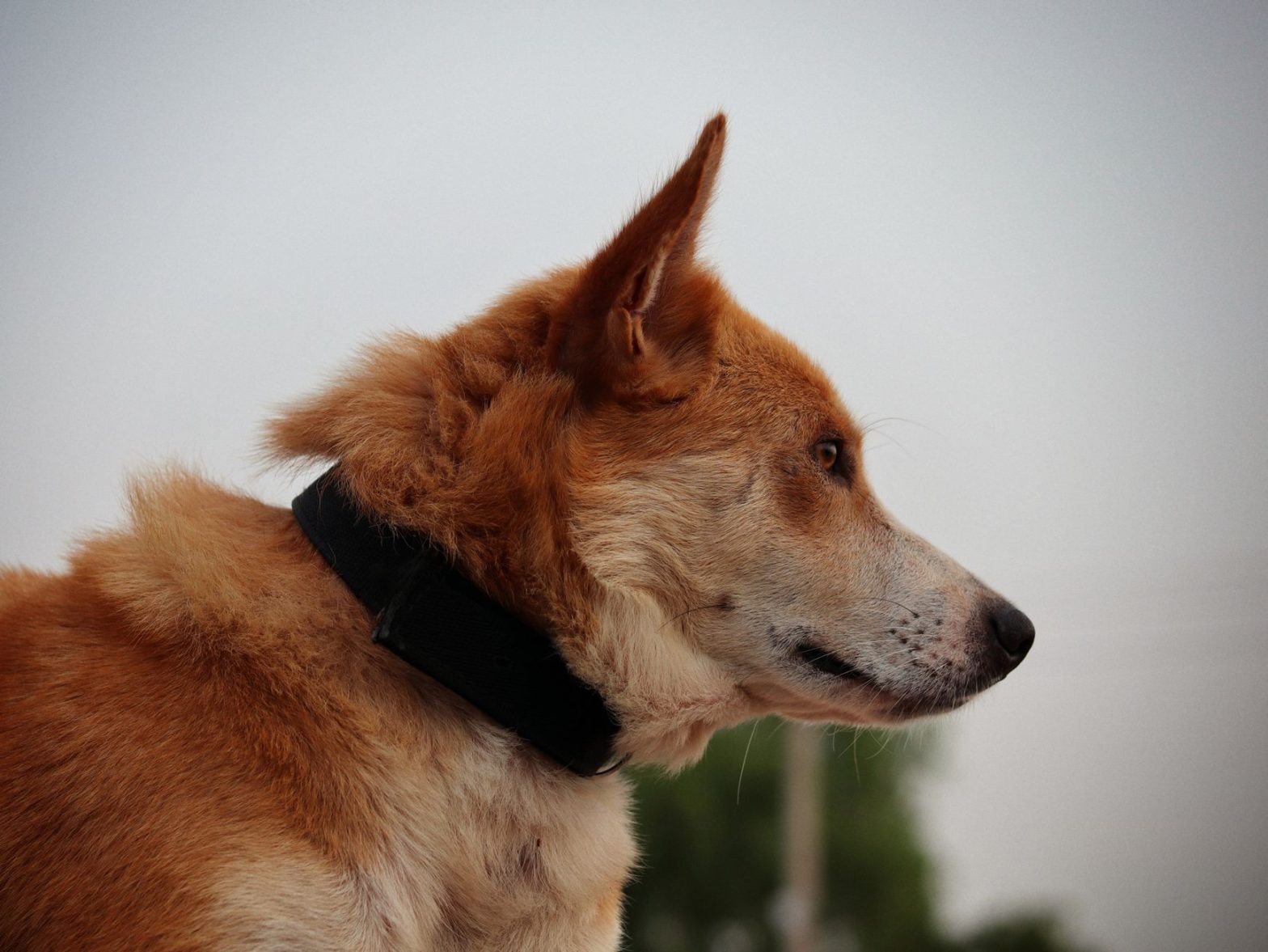
A dog collar is the primary piece of identification equipment for your pet and must provide a secure, comfortable fit for daily wear. Most dogs require a collar that balances durability with weight, typically resting two fingers wide on the neck to prevent respiratory stress or escape risks.
⚡ In a Rush? Key Takeaways
- A properly fitted collar allows two fingers of space between the strap and your dog’s neck.
- Nylon is the standard for daily wear, lasting 2-3 years with regular cleaning.
- Leather collars offer durability but require periodic conditioning to prevent cracking.
- Martingale collars reduce escape risk for breeds with narrow heads by 90% during tension.
- ✅ Use a flat buckle collar for identification and a harness for walking pullers.
What Are the Different Types of Dog Collars Available?
Dog collars include flat, martingale, head, and slip styles, each designed for specific training needs, comfort levels, or safety.
Why Use a Standard Flat Collar?
Flat collars are the most common everyday choice for dogs, providing a lightweight way to display identification tags and licenses.
I reach for a standard flat collar when I just need a place to attach Biscuit’s ID tags. These are the workhorses of the dog accessory world, keeping identification visible and accessible at all times.
For most of my training clients, the flat collar serves as a permanent home for the license and name tag. It is not designed for heavy-duty leash training, but it is perfect for casual house wear or quick trips to the car.
When Should You Choose a Martingale Collar?
Martingale collars tighten gently when tension is applied, preventing dogs with narrow heads from slipping out during walk time.
If you live with a greyhound, whippet, or a dog who considers themselves a professional escape artist, the martingale is a game changer. It provides a secure fit that tightens only when the dog pulls against the leash.
Unlike slip chains, these feature a limited closing loop that prevents over-tightening. It is a fantastic safety tool for sighthound owners who worry about their dogs backing out of traditional gear.
Are Head Collars Necessary for Reactive Dogs?
Head collars offer steering control for reactive dogs, though they require careful desensitisation to ensure your dog feels comfortable.
I recommend head collars for dogs that are exceptionally strong on the leash, as they allow you to redirect the dog’s head during walks. However, these are management tools and require a structured training approach to ensure the dog doesn’t find them stressful.
You must ensure the head collar fits properly without rubbing the snout. Always pair this with positive reinforcement to build a good association with the device.
How Do You Select the Best Collar Material?
Collar materials include nylon, leather, and biothane, with choices based on your dog’s activity level and maintenance preferences.
Why is Nylon the Most Popular Material?
Nylon collars are lightweight, washable, and affordable, making them the ideal choice for everyday wear and active outdoor lifestyles.
Nylon is the classic choice because it is incredibly versatile. You can toss it in the wash after a muddy hike and it comes out looking almost new, which is a big win for my active pack.
- Budget-friendly
- Quick-drying
- Available in hundreds of colors
- Highly durable in wet weather
What Are the Benefits of Leather Collars?
Leather collars provide high durability and a classic look, though they need occasional oiling to stay soft and avoid stiffness.
Leather ages beautifully and feels soft against a dog’s skin, especially for breeds with sensitive coats. It is a premium choice that lasts for years if you keep it clean and conditioned.
Avoid letting leather stay wet for long periods, as it can stiffen or develop an odor. If your dog loves to swim, nylon or synthetic materials are a much better investment for your senior or active dog.
When Should You Use Biothane?
Biothane is a waterproof, wipeable material that mimics leather’s strength while remaining completely immune to moisture and odors.
I have started using Biothane more often because it is effectively indestructible. It doesn’t absorb smells, which is perfect if your dog enjoys rolling in things they shouldn’t while on trails.
It is surprisingly soft, making it great for dogs who pull but aren’t quite ready for a full no-pull harness setup.
Frequently Asked Questions About Dog Collars
-
Can I leave my dog’s collar on 24/7?
Most trainers recommend removing collars at home to prevent snags and allow skin breathing, especially for dogs with thick coats.
-
What is the safest way to measure my dog’s neck?
Use a soft tape measure and keep it snug but comfortable, ensuring you can fit two fingers between the tape and the skin.
-
Are metal chain collars safe for puppies?
Metal collars are not recommended for puppies or untrained dogs, as they can cause severe neck and throat injury if pulled hard.
Common collar questions cover safety, sizing, and usage to ensure your dog remains secure during daily activities and walks.
Ultimately, the right collar is one that fits securely, holds your tags reliably, and suits your dog’s specific behavioral needs. Take the time to measure twice and select a material that fits your local climate and your dog’s lifestyle.
— Lucy Hartwell CPDT-KA, Certified Professional Dog Trainer