Best Orthopedic Cat Beds for Senior Cats

Does my senior cat need an orthopedic bed?

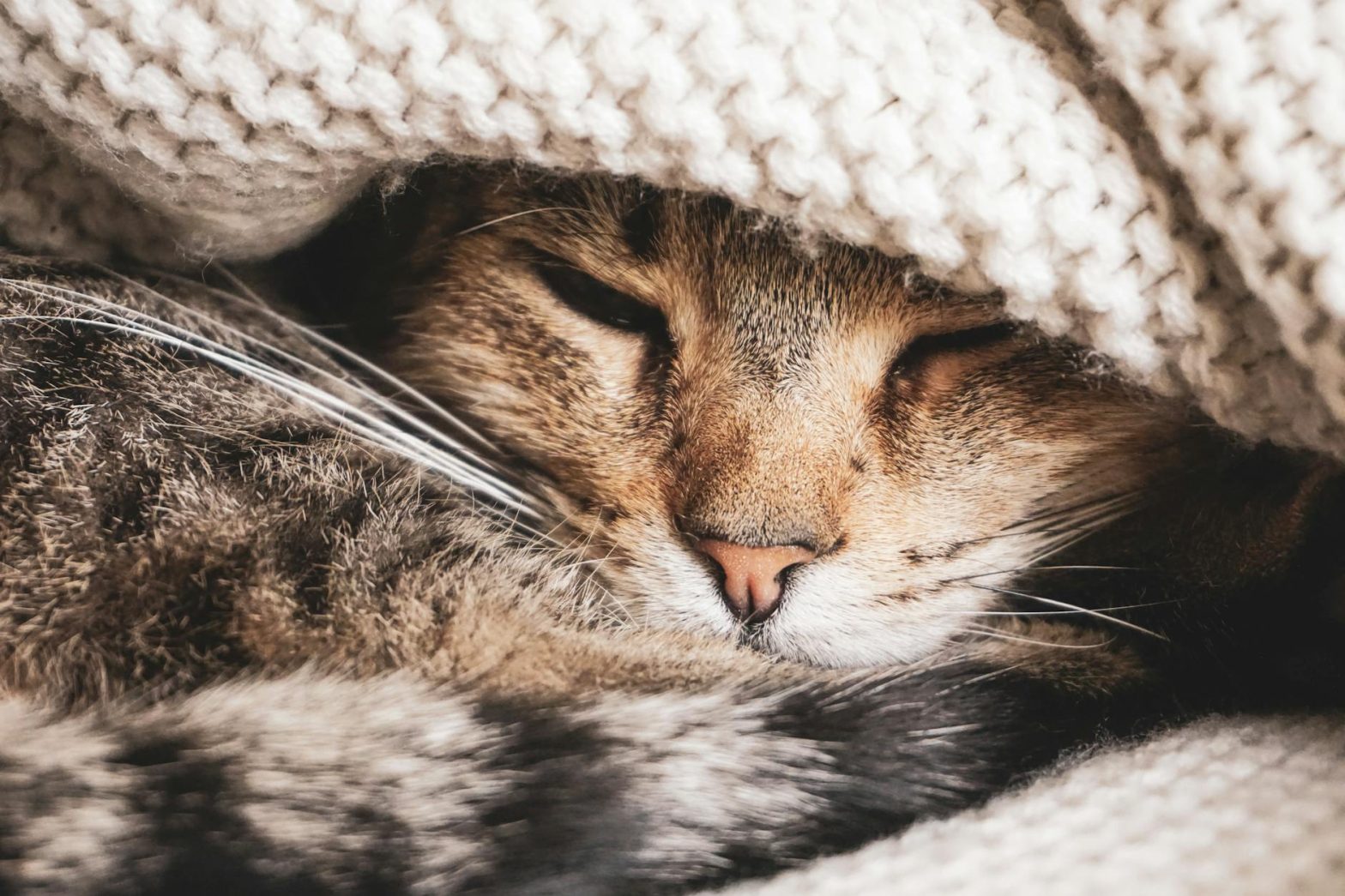
If your cat is showing signs of joint pain, arthritis, or general discomfort, an orthopedic bed can provide significant relief. These beds are designed to support the spine and joints, distributing weight evenly to reduce pressure points.

What are the benefits of orthopedic cat beds?

Orthopedic cat beds offer several benefits, including improved sleep, reduced pain, and enhanced mobility. The memory foam conforms to your cat’s body, providing customized support and cushioning.

What type of orthopedic bed is best for a senior cat?

The best orthopedic bed for a senior cat depends on their individual needs and preferences. Look for beds with thick memory foam, supportive bolsters, and easy-to-clean covers. Consider your cat’s sleeping style and any specific health issues they may have.

Best Orthopedic Cat Beds for Senior Cats: Our Top Picks

After researching and testing numerous orthopedic cat beds, I’ve compiled a list of the best options for senior cats. Each bed has been evaluated based on its support, comfort, durability, and ease of maintenance.

Furhaven Orthopedic Cat Bed

The Furhaven Orthopedic Cat Bed is a popular choice among cat owners, and for good reason. It features a thick layer of orthopedic foam that provides excellent support and cushioning.

  • Pros: Affordable, available in multiple sizes and styles, easy to clean.
  • Cons: Some cats may not like the bolster design.

Check current price on Amazon

K&H Memory Sleeper Cat Bed

The K&H Memory Sleeper Cat Bed is designed with a layer of medical-grade memory foam, making it ideal for cats with arthritis or other joint issues.

  • Pros: High-quality memory foam, heated option available, durable construction.
  • Cons: More expensive than some other options.

Check current price on Amazon

Best Friends by Sheri Deep Dish Cuddler

The Best Friends by Sheri Deep Dish Cuddler is a cozy and supportive bed that cats love. While not strictly orthopedic, its high walls and plush filling provide a sense of security and comfort that can be beneficial for senior cats.

  • Pros: Provides a sense of security, machine washable, attractive design.
  • Cons: Not as much orthopedic support as other options.

Check current price on Amazon

Purrfect Zone Orthopedic Cat Bed

This bed features human-grade memory form for optimal support and comfort. The Purrfect Zone cat bed also has a removable, washable cover.

  • Pros: Great reviews, washable cover, modern design
  • Cons: Limited color options and sizes.

Check current price on Amazon

What size orthopedic bed does my cat need?

Measure your cat from nose to tail while they’re sleeping to determine the appropriate bed size. Add a few inches to ensure they have enough room to stretch out and get comfortable. Most orthopedic cat beds come in small, medium, and large sizes.

What to Look for in an Orthopedic Cat Bed

When choosing an orthopedic cat bed, consider the following factors:

Thickness and Density of Memory Foam

The thicker and denser the memory foam, the better the support and pressure relief. Look for beds with at least 3 inches of high-density memory foam for optimal comfort.

Supportive Bolsters

Bolsters can provide additional support and security for senior cats. They can also serve as a headrest and help reduce drafts.

Easy-to-Clean Covers

Accidents happen, especially with senior cats. Choose a bed with a removable, machine-washable cover for easy cleaning and maintenance. Waterproof liners are a plus.

Non-Slip Bottom

A non-slip bottom will prevent the bed from sliding around on hard floors, providing stability and preventing injuries.

Materials and Construction

Opt for beds made from durable, non-toxic materials that can withstand daily use. Check for reinforced stitching and sturdy construction.

How to Introduce Your Cat to Their New Orthopedic Bed

Some cats may be hesitant to use a new bed at first. Here are some tips to help them adjust:

Place the Bed in a Familiar Spot

Put the new bed in a place where your cat already likes to sleep or nap. This will help them feel more comfortable and secure.

Add Familiar Scents

Place a blanket or toy that smells like your cat on the bed. This will help them associate the bed with positive experiences.

Use Catnip or Treats

Sprinkle a little catnip on the bed or place a few treats on it to entice your cat to explore.

Be Patient

It may take a few days or weeks for your cat to fully adjust to their new bed. Be patient and continue to encourage them to use it.

Orthopedic Cat Beds vs. Regular Cat Beds

While regular cat beds can provide comfort and warmth, they don’t offer the same level of support and pressure relief as orthopedic beds. Orthopedic beds are specifically designed to alleviate joint pain and improve sleep quality, making them a better choice for senior cats with arthritis or other health issues.

Want to read more about cat care for your aging feline friend? Read our tips for the best cat litter boxes for senior arthritic cats.

Are heated cat beds beneficial for senior cats?

Heated cat beds can be particularly beneficial for senior cats, as they help to soothe aching joints and muscles. The gentle warmth can improve circulation and provide additional comfort during colder months.

Final Thoughts

Choosing the right orthopedic cat bed can make a big difference in your senior cat’s comfort and quality of life. Consider their individual needs and preferences, and don’t be afraid to experiment with different styles and features until you find the perfect fit. With the right bed, your cat can enjoy many more years of restful sleep and comfortable lounging.

Looking for more ways to help your aging cat? Check out our guide to the Senior Cats Hub.
Best Low-Entry Litter Boxes for Arthritic Senior Cats

Is your cat struggling to use their current litter box?

If you’ve noticed your senior cat struggling to get in and out of their litter box, they might need a low-entry option. Standard litter boxes can be too tall for older cats with arthritis or mobility issues to comfortably use. Switching to a low-entry box can help them maintain their hygiene and avoid accidents outside the box due to pain or difficulty.

What makes a litter box suitable for a senior cat?

When choosing a litter box for your senior cat, consider these factors:

  • Low entry: The most important feature is a low entrance point, ideally no more than 5-6 inches high. This makes it easier for cats with joint pain to step in and out.
  • Size: Opt for a larger box to give your cat plenty of room to move around and eliminate comfortably.
  • Material: Smooth, non-porous plastic is easy to clean and sanitize, preventing bacteria buildup.
  • Stability: The box should be sturdy and stable to prevent tipping, which can be especially dangerous for cats with balance issues.
  • Easy to Clean: A simple design without too many nooks and crannies will make cleaning quicker and more thorough.

Best Low-Entry Litter Boxes for Senior Cats

Here are some of the best low-entry litter boxes currently available, based on their suitability for senior cats:

Nature’s Miracle Just For Cats Litter Box

Capsule: The Nature’s Miracle Just For Cats Litter Box is designed with a low-entry point and is infused with odor-blocking technology, offering ease of access for senior cats and helping to contain unpleasant smells.

Nature's Miracle Just For Cats Litter Box

  • Pros: Very low entry, antimicrobial protection, good size.
  • Cons: Some cats may prefer a covered box, can be a bit flimsy for larger cats.

Check current price on Amazon

Petmate Open Cat Litter Box

Capsule: Petmate Open Cat Litter Box is a basic and affordable option with a low front entry, making it easy for senior cats to step in and out comfortably. Its simple design aids easy cleaning.

Petmate Open Cat Litter Box

  • Pros: Affordable, readily available, simple design.
  • Cons: No special features, may not be large enough for extra-large cats.

Check current price on Amazon

IRIS USA Open Top Cat Litter Box

Capsule: The IRIS USA Open Top Cat Litter Box features a lower front for easy entry and higher sides to help contain litter, providing a practical solution for senior cats with mobility issues.

IRIS USA Open Top Cat Litter Box

  • Pros: High sides minimize litter scatter, easy to clean.
  • Cons: Larger size may not fit in smaller spaces, some cats prefer a covered box.

Check current price on Amazon

Purina Tidy Cats Breeze Litter System

Capsule: The Purina Tidy Cats Breeze Litter System utilizes a unique pellet and pad system that separates solid waste from urine, making it easier to maintain and offering a low-dust option that is beneficial for senior cats.

Purina Tidy Cats Breeze Litter System

  • Pros: Low dust, easy to clean, good odor control.
  • Cons: Requires special pellets and pads, some cats don’t like the pellet texture, takes getting used to.

Check current price on Amazon

Good Pet Stuff Litter Box Hidden in Clay Pot

Capsule: The Good Pet Stuff Litter Box Hidden in Clay Pot disguises the litter box as a decorative plant pot with a wider entryway, providing easier access for older cats while blending seamlessly into home decor.

Good Pet Stuff Litter Box Hidden in Clay Pot

  • Pros: Concealed design, looks like a plant, easy for cats to enter.
  • Cons: Can be bulky, not ideal for small spaces, some cats might not like entering a closed space.

Check current price on Amazon

How to encourage your senior cat to use their new litter box

Introducing a new litter box can sometimes be tricky. Here’s how to encourage your senior cat to use their new low-entry box:

  • Placement: Put the new box in the same location as the old one.
  • Scent familiarization: Place a small amount of used litter from the old box into the new one.
  • Positive reinforcement: Reward your cat with treats or praise when they use the new box.
  • Make it accessible: Ensure the path to the litter box is clear and easy for your cat to navigate. Ramps or non-slip mats can help.

Other accessories that help senior cats use the litter box easier

Beyond a low-entry litter box, consider these accessories to further assist your senior cat:

  • Litter box ramps or steps: If a low-entry box isn’t low enough, a small ramp or set of steps can make the transition even easier.
  • Non-slip mats: Place a mat under the litter box to prevent it from sliding and to provide your cat with secure footing.
  • Litter box enclosures: If your cat prefers privacy, choose an enclosure with a wide, low opening.
  • Heated litter box: The warmth can be soothing for arthritic joints, encouraging use.

Why is my senior cat suddenly missing the litter box?

If your senior cat has started missing the litter box, consider these potential causes:

  • Medical conditions: Urinary tract infections (UTIs), kidney disease, diabetes, and arthritis can all contribute to litter box avoidance.
    Consult your vet immediately to rule out medical causes
  • Anxiety: Changes in the home environment, such as a new pet or family member, can cause anxiety and lead to accidents. Consider using a calming diffuser near the litter box
  • Litter box issues: The litter box may be too small, too dirty, or in an inaccessible location.
  • Cognitive dysfunction: As cats age, they can develop cognitive dysfunction, which can affect their memory and spatial awareness.

What type of litter is best for senior cats?

Choose a litter that is soft, low-dust, and easy on your senior cat’s paws and respiratory system:

  • Clay litter: Traditional clay litter is inexpensive but can be dusty and hard on sensitive paws use with caution.
  • Paper litter: Recycled paper litter is soft, low-dust, and absorbent, making it a good option for senior cats.
  • Wood litter: Wood pellets or shavings can be a good choice for odor control and absorbency.
  • Silica gel litter: Silica gel litter is highly absorbent and controls odor well, but some cats may not like the texture.

A low-entry litter box can improve your senior cat’s quality of life

Helping your senior cat maintain their hygiene and dignity is a crucial part of their care. By providing a low-entry litter box and considering other helpful accessories, you can make their golden years more comfortable and enjoyable. Consult with your veterinarian to rule out any underlying medical conditions contributing to litter box issues.

Is Grain-Free Dog Food Safe? What the Science Says

Is Grain-Free Dog Food Safe for Dogs?

Grain-free dog food has surged in popularity over the last decade, but is it really a healthier option for your dog? As a canine nutrition enthusiast, I’ve dug into the research to understand the great grain-free debate. The short answer: for most dogs, grain-free food is safe, but it’s not automatically healthier, and for some dogs, it might even be detrimental. Let’s explore the nuances.

What exactly does ‘grain-free’ mean in dog food?

When a dog food is labeled ‘grain-free,’ it means that the recipe doesn’t include common cereal grains like wheat, corn, rice, barley, or rye. Instead, these formulas often use alternative carbohydrate sources such as sweet potatoes, peas, lentils, and tapioca.

Why Do People Choose Grain-Free Dog Food?

Many dog owners switch to grain-free diets believing they are avoiding allergens or providing a more ‘natural’ diet. Here are some common reasons driving this trend:

Does grain-free food help with dog allergies?

It might, but not for the reason most people think. True grain allergies in dogs are relatively rare. Food sensitivities are more commonly linked to protein sources like chicken or beef. If your dog has a diagnosed grain allergy, then grain-free is necessary. Otherwise, it may not make a difference.

Is grain-free closer to a dog’s ‘ancestral’ diet?

The idea that dogs should eat like their wolf ancestors is a common argument for grain-free diets. However, dogs have evolved significantly from wolves and have adapted to digest carbohydrates. Grains can be a perfectly healthy part of a dog’s diet, providing energy and fiber.

What Are the Potential Risks of Grain-Free Dog Food?

While grain-free diets can be safe for many dogs, there have been some concerns raised by the FDA related to a possible link between grain-free diets and a heart condition called dilated cardiomyopathy (DCM).

What is dilated cardiomyopathy (DCM) in dogs?

DCM is a condition where the heart muscle becomes enlarged and weakened, making it difficult for the heart to pump blood efficiently. This can lead to heart failure.

What did the FDA find about grain-free dog food and DCM?

In 2018, the FDA began investigating a potential link between certain grain-free dog foods and DCM. Their research suggested that diets high in peas, lentils, and other legumes might interfere with taurine absorption, an amino acid important for heart health. The FDA hasn’t definitively concluded that grain-free diets *cause* DCM, but the association is enough to warrant caution.

Should I be worried about DCM if my dog eats grain-free food?

Not necessarily, but it’s worth considering. If your dog is eating a grain-free diet containing high levels of peas, lentils, or other legumes, talk to your vet. They may recommend checking your dog’s taurine levels or switching to a different food.

What Are the Benefits of Grain-Free Dog Food?

Despite the concerns surrounding DCM, grain-free diets can offer some benefits for certain dogs:

Can grain-free food help with sensitive stomachs?

Some dogs with sensitive stomachs may benefit from grain-free diets because they are easier to digest due to the different fiber sources. If your dog struggles to digest common grains, a grain-free formula may reduce digestive upset.

Is grain-free food better for dogs with skin issues?

If your dog has a diagnosed grain allergy contributing to skin problems, removing grains from the diet can improve their skin health. However, remember that protein allergies are more common, so switching protein sources might be more effective. Always consult with your vet for appropriate tests.

How to Choose a Safe and Healthy Grain-Free Dog Food

If you decide to feed your dog a grain-free diet, here are some tips to choose a safe and healthy option:

What ingredients should I look for in grain-free dog food?

Look for a recipe with a named meat source as the primary ingredient (e.g., chicken, beef, lamb). Avoid foods with excessive amounts of peas, lentils, and other legumes, especially as the top ingredients. Consider options that include a variety of carbohydrate sources instead of relying heavily on just one or two.

Is it important to check the taurine levels?

While not always listed on the label, you can contact the manufacturer and ask about the taurine content of their food. Some grain-free foods are supplemented with taurine to help mitigate the risk of DCM.

Should I consult my vet before switching to grain-free?

Absolutely. Your veterinarian can assess your dog’s individual needs and help you determine if a grain-free diet is appropriate. They can also monitor your dog for any signs of DCM.

Grain-Free vs. Grain-Inclusive: Which is Better?

Ultimately, the ‘best’ choice depends on your individual dog. There’s no one-size-fits-all answer. Here’s a quick comparison:

Grain-Free Pros:

  • May be beneficial for dogs with diagnosed grain allergies.
  • Can be easier to digest for some dogs with sensitive stomachs.

Grain-Free Cons:

  • Potential link to DCM, especially with diets high in legumes.
  • Often more expensive than grain-inclusive foods.

Grain-Inclusive Pros:

  • Grains can provide essential nutrients and fiber.
  • No known link to DCM.
  • Generally less expensive than grain-free options.

Grain-Inclusive Cons:

  • May not be suitable for dogs with grain allergies (though rare).
  • Some dogs may have difficulty digesting certain grains.

What are good alternatives for dogs allergic to grains?

If your dog has a diagnosed grain allergy, there are several alternative options to consider:

Novel Protein Diets:

These diets feature protein sources that your dog hasn’t been exposed to before, such as duck, venison, or rabbit. They can help reduce the risk of allergic reactions to common proteins like chicken or beef.

Hydrolyzed Protein Diets:

In these diets, the proteins are broken down into smaller pieces, making them less likely to trigger an allergic response. Hydrolyzed protein diets are often recommended for dogs with severe food allergies.

Limited Ingredient Diets:

These diets contain a limited number of ingredients, making it easier to identify and avoid potential allergens. They can be grain-free or grain-inclusive, depending on the specific formula.

Final Thoughts on Grain-Free Dog Food Safety

Grain-free dog food can be a safe and appropriate choice for some dogs, but it’s not a universally superior option. The most important thing is to choose a high-quality food that meets your dog’s individual needs and consult with your veterinarian to ensure their diet is promoting optimal health. Pay close attention to the ingredients list, and be wary of diets that rely heavily on legumes.

Ultimately, a well-balanced diet with a variety of nutrients, whether it contains grains or not, is the key to keeping your furry friend happy and healthy. For example, what the best arthritis bed is for your dog will depend on their size and sleeping style.

Accessories Mentioned

  • Dog Beds

Best Dog Food for Golden Retrievers: Keeping Your Golden Healthy

What is the best dog food for Golden Retrievers?

The best dog food for Golden Retrievers focuses on joint health, weight management, and preventing bloat, all while meeting their high energy needs. Look for formulas with glucosamine and chondroitin, controlled calorie content, and high-quality protein sources with a precise blend of wholesome carbohydrates and healthy fats.

Hey fellow dog lovers! Lucy here, and as a Golden Retriever enthusiast (I’ve got two goofballs myself!), I know how important it is to get their diet just right. Goldens are prone to a few breed-specific health issues, and the food you choose can make a huge difference in their overall well-being. So, let’s dive into the world of Golden Retriever nutrition and find the perfect fuel for your furry friend’s adventures.

Why do Golden Retrievers have specific dietary needs?

Golden Retrievers are prone to certain health issues, like hip and elbow dysplasia, heart problems, and bloat. A tailored diet can help mitigate these risks. Choosing food with proper nutrients and controlled portion sizes can support your golden’s well-being.

  • Rapid Growth: As puppies, Goldens grow quickly, requiring a balanced diet to support bone and joint development and prevent developmental orthopedic disease (DOD).
  • Joint Health: Sadly, Goldens are predisposed to hip and elbow dysplasia. The right food can help manage those risks.
  • Weight Management: These guys LOVE to eat, which can lead to obesity!
  • Bloat (Gastric Dilatation-Volvulus): A scary and life-threatening condition, but diet can play a role in prevention.
  • Heart Health: Certain nutrients, like taurine and L-carnitine, are important for heart health, as dilated cardiomyopathy (DCM) has been linked to grain-free diets in some dogs. (Consult with your vet about this issue.)

What nutrients are most important for Golden Retrievers?

Golden Retrievers thrive on a diet that balances high-quality protein, healthy fats, and appropriate carbohydrates with added nutrients to support their specific needs. Understanding the role of each nutrient helps ensure your dog gets a diet that supports overall well-being for your Golden.

  • Protein: Look for real meat sources like chicken, beef, or fish, not just “meat by-products.” Protein is essential for muscle development and maintenance.
  • Fat: Healthy fats like omega-3 and omega-6 fatty acids support skin and coat health, brain function, and energy levels. Fish oil and flaxseed are great sources.
  • Carbohydrates: Choose easily digestible carbs like brown rice, oatmeal, or barley. Avoid excessive amounts of corn, wheat, and soy.
  • Glucosamine and Chondroitin: These support joint health and can help prevent or manage arthritis.
  • Fiber: Adequate fiber promotes healthy digestion and can help with weight management.
  • Taurine and L-Carnitine: As mentioned, these amino acids support heart health.

How much should I feed my Golden Retriever?

The amount you feed your Golden Retriever depends on their age, activity level, and the specific food you’re using. Always follow the feeding guidelines on the food bag as a starting point, but adjust as needed to maintain a healthy weight. You should be able to feel their ribs easily, but not see them.

What ingredients should I avoid in Golden Retriever dog food?

While every dog is different, some ingredients are generally best to avoid in Golden Retriever food. These ingredients may contribute to health issues or lack nutritional value. Avoiding these can help keep your Golden healthy.

  • Excessive Fillers: Corn, wheat, and soy can be difficult for some dogs to digest and offer limited nutritional value.
  • Artificial Colors, Flavors, and Preservatives: These additives can cause allergies or sensitivities in some dogs.
  • Generic “Meat By-Products”: Opt for named meat sources like “chicken” or “beef” instead.
  • High Salt Content: Excessive sodium can be detrimental to heart health.

Do grain-free diets cause heart problems in Golden Retrievers?

Some studies have linked grain-free diets to dilated cardiomyopathy (DCM) in Golden Retrievers. The FDA has been investigating this issue. It’s best to consult with your vet before switching to a grain-free diet.

What is the best puppy food for Golden Retrievers?

The best puppy food for Golden Retrievers is specifically formulated for large-breed puppies. These formulas have a careful balance of calcium and phosphorus to support healthy bone and joint development and prevent rapid growth, which can contribute to joint problems later in life.

How do I switch my Golden Retriever to a new food?

Transitioning your Golden Retriever to a new food gradually is important to avoid digestive upset. Mix the new food with the old food, slowly increasing the amount of new food over 7-10 days. Always monitor for any signs of digestive issues like diarrhea or vomiting.

Accessories to support your Golden Retrievers diet

The right accessories can help your golden eat comfortably and at the appropriate speed. Elevated bowls and slow feeders can improve digestion for your special companion.

  • Elevated bowls: Elevated bowls can help prevent bloat by encouraging a more upright eating posture, potentially reducing air intake.
  • Slow feeder bowls:If your golden eats too quickly, a slow feeder bowl can help slow them down, which aids digestion and reduces the risk of bloat.
  • Measuring cups: Accurate measuring is essential to ensure your golden gets the right amount of food at each meal.
  • Food storage containers: Proper food storage keeps the food fresh and prevents contamination.

How can I tell if the food is working for my Golden Retriever?

Signs that a food is working well for your Golden Retriever include a healthy coat, good energy levels, consistent stools, and a healthy weight. If you notice any negative changes, like skin issues, digestive upset, or weight loss, it may be time to reevaluate their diet.

Best dog food brands for Golden Retrievers

If you’re feeling overwhelmed, don’t worry! Here are a few brands that are often recommended for Golden Retrievers:

  • Purina Pro Plan: Offers a variety of formulas, including options specifically for large-breed puppies and adults. Their sensitive skin and stomach formulas are also popular.
  • Royal Canin: Known for their breed-specific formulas tailored to the unique needs of Golden Retrievers.
  • Hill’s Science Diet: Provides well-balanced nutrition and has options for sensitive stomachs and weight management.
  • Blue Buffalo: Offers a variety of grain-inclusive and grain-free options. Be sure to consult with your vet before choosing a grain-free diet.
  • Nutro: Uses high-quality ingredients and offers limited-ingredient formulas for dogs with sensitivities.

Golden retriever feeding schedule

Puppies should be fed more frequently than adult dogs, typically three to four times a day, to support their rapid growth. Adult Goldens can be fed twice a day to help maintain stable energy levels and aid digestion. Senior dogs may benefit from smaller portion sizes more frequently to accommodate changes in metabolism and activity levels.

Puppy feeding Schedule

Golden Retriever puppies need frequent feedings to support rapid growth and development. From weaning until about six months old, offer food three to four times a day. This helps maintain consistent energy levels and supports bone and muscle growth during this critical phase. As they grow, you can gradually reduce the feedings to twice a day.

Adult feeding schedule

For adult Golden Retrievers, feeding twice a day—once in the morning and once in the evening—is generally best. This schedule helps maintain stable energy levels and provides consistent nutrition without overloading their digestive system. Spacing the meals out also helps to prevent them gulping down food to fast and too much.

Senior feeding schedule

As Golden Retrievers age, their activity levels and metabolism may decrease. Adjusting their feeding schedule ensures that they receive the appropriate nutrition without excess calories. Offering smaller portions more frequently can ease digestion and maintain stable energy levels which is very important for senior dogs.

Final thoughts

Choosing the best dog food for your Golden Retriever is an investment in their health and happiness. By understanding their specific nutritional needs and selecting a high-quality food, you can help them live a long, active, and fulfilling life. And of course, regular check-ups with your vet are essential to ensure they’re thriving!