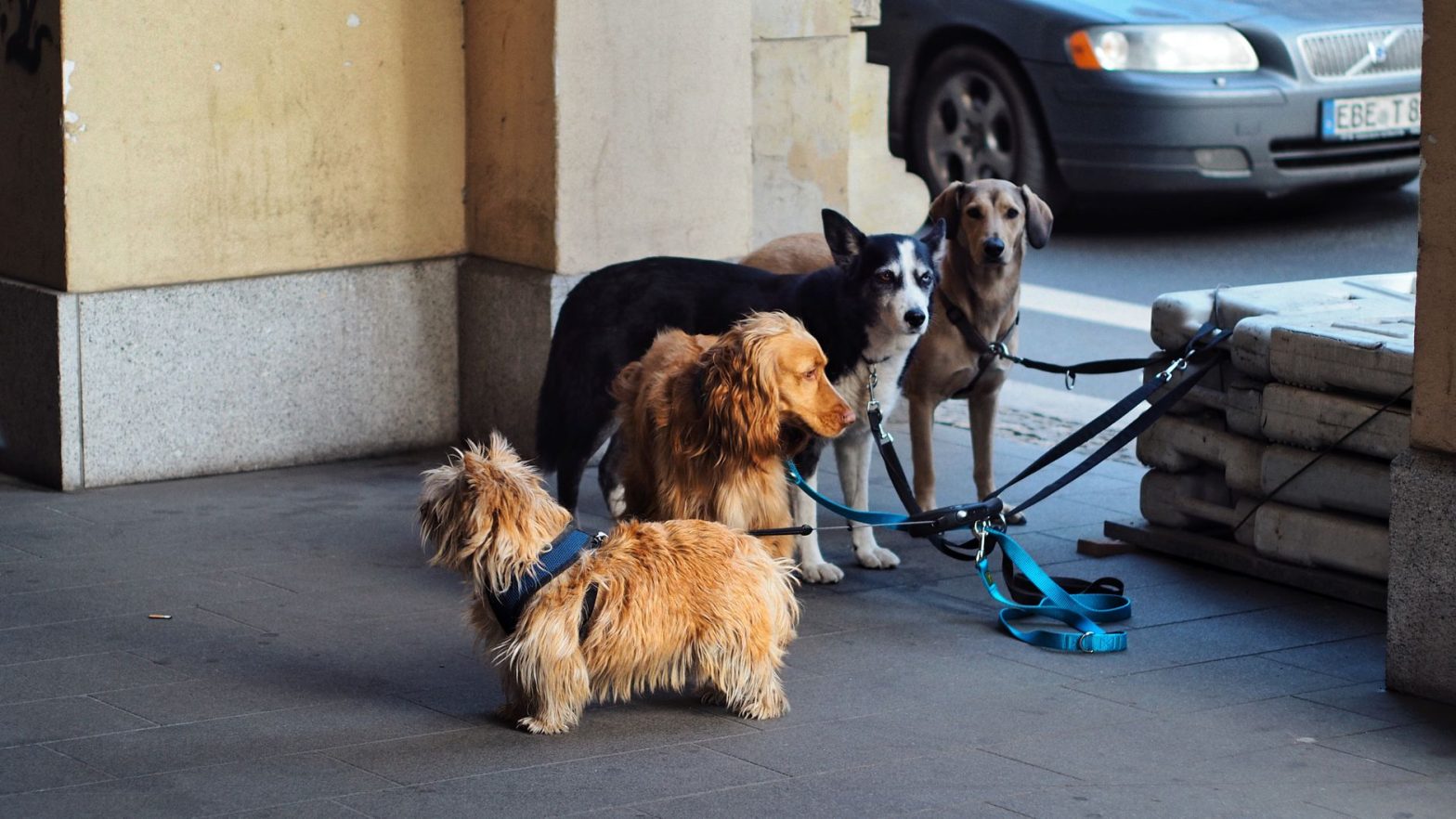
Best Dog Leashes for 2026: Types, Materials and How to Choose
The right leash depends on what you want to do on a walk: casual neighbourhood strolls, loose-leash training, recall practice or hiking. This guide covers the main types, materials and lengths, and when a retractable or long line is, and is not, a good idea.
Black Friday and Cyber Monday 2026 deals on dog leashes are coming — bookmark this page and check back from 27 November for live price drops.
Quick Answer: What Is the Best Dog Leash?
- For most daily walks, a 6-foot fixed-length leash is the simplest and most controllable choice.
- Muddy or wet walks: a biothane leash such as the Jim Hodges biothane leash wipes clean and does not hold smells.
- Running or hiking: a Tuff Pupper hands-free bungee leash keeps your hands free.
- Busy streets: a leash with a padded second handle gives you quick control close to the dog.
- Recall practice: use a long line in a secure area, clipped to a harness rather than a collar.
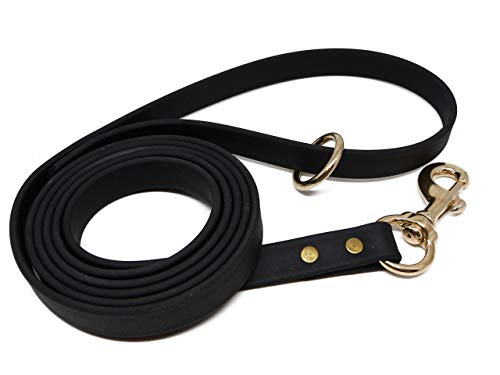
Check today’s price on Amazon: Jim Hodges Biothane Leash
What Are the Different Types of Dog Leashes?
Why use a standard fixed-length leash?
A fixed leash of about six feet gives your dog room to sniff while keeping them inside your reaction zone. It is also the easiest to shorten by hand in a crowd, and it is the best tool for teaching loose-leash walking because the length never changes.
Are retractable leashes safe?
Many trainers advise against them. The thin cord can cause friction burns or cuts if it wraps around a hand or leg, the lock can fail, and the leash can teach a dog that pulling earns more room. If you use one, keep it to open, quiet areas with a dog that has reliable manners, and never for dogs that lunge. For reactive dogs, a standard leash is the safer option.
When should you use a long line?
Long lines (around 15 to 30 feet) are for recall training and relaxed sniffing walks in secure areas, not for pavements or traffic. Clip them to a harness, not a collar, so a sudden stop at the end of the line does not strain your dog’s neck. A 30-foot recall training lead is one example. Wear gloves if your dog can run, since a sliding line can burn your hands.
What is a traffic handle leash?
A traffic handle is a second handle close to the clip. It lets you keep your dog tight to your side near roads or in crowds, and gives you a quick way to take control. Look for a padded design such as the Plutus Pet double-handle leash.
See the latest deal: Padded Traffic Handle Leash
Hands-free and waist belt leashes
These attach to a belt around your waist and usually include a bungee section that absorbs sudden pulls. They suit running, hiking and relaxed walks with a dog that does not pull hard. A Tuff Pupper hands-free bungee leash is one option. They are not ideal for strong pullers, since a big lunge acts on your whole body. Look for an adjustable belt and a quick-release buckle.
How Do You Choose the Right Leash Material?
Common materials are nylon, cotton, leather and biothane.
| Material | Best for | Care |
|---|---|---|
| Nylon | Everyday walks | Machine or hand wash |
| Biothane | Hiking, rain and mud | Wipe clean |
| Cotton | Soft grip, training sessions | Hand wash |
| Leather | Comfortable grip and a classic look | Needs conditioning |
Is biothane better than nylon?
Biothane is coated webbing that is waterproof and wipes clean, so it is a good choice for muddy or wet walks. Nylon is lighter and cheaper but can fray and hold dirt. Leather feels great in the hand but needs care. Choose the material that matches where you walk.
What leash width and length suit your dog?
Match the width to your dog’s size: thin leashes for small dogs, wider for big or strong ones. A 4 to 6 foot leash is usually right for small dogs and for most dogs on daily walks. A shorter leash gives more control; a longer one gives more freedom.
How do you choose a leash for a dog that pulls?
A leash does not fix pulling, training and the right harness do. Use a standard six-foot leash, stop when the leash goes tight and reward walking beside you. A front-clip harness often helps; see our guide to the best no-pull dog harnesses, or the best harnesses for reactive dogs.
How do you clean and check a leash?
Wash nylon and cotton with mild soap and warm water, and wipe biothane clean. Every few months, check stitching, the handle and the clip. Replace the leash if the clip sticks, rust appears or the webbing is frayed.
Related reading: how to stop leash pulling.
You may also find it useful to read about the essential pet accessories.
If this is on your radar, read our piece on the right leash for a dog that pulls.
Related reading: why some trainers avoid harnesses.
You may also find it useful to read about collars for large breeds that pull.
For more detail, see dog waste bag dispensers.
For more detail, see how to pick and fit dog booties.
Frequently Asked Questions About Dog Leashes
Should I use a double-clip leash?
A double-clip leash can attach to a front and a back harness ring for extra control while you train. It is useful for strong pullers.
Do I need a different leash for a puppy?
Puppies do best on a lightweight leash they cannot easily chew through. Use a leash that is comfortable to hold, and replace it as your puppy grows.
Can one leash be used for two dogs?
A coupler lets you walk two dogs on one handle, but separate leashes give you more control, especially if the dogs differ in size or strength.
Can I leave a leash on my dog indoors?
Not unsupervised. A leash can snag on furniture or a crate and become a strangling risk.
Are bungee leashes good for dogs that pull?
A bungee section softens the jolt for both of you, but it does not stop pulling. Use it with training.
What is a martingale?
A martingale is a collar style that tightens slightly to stop a dog slipping out, not a leash. See our guide to martingale collars.
What is the best dog leash for pullers?
No leash fixes pulling on its own. Use a standard six-foot leash, stop when it goes tight and reward your dog for walking beside you. A front-clip harness often helps; see our guide to the best no-pull dog harnesses.
What is the best dog leash for running or hiking?
A hands-free bungee leash such as the Tuff Pupper hands-free bungee leash keeps your hands free and softens sudden pulls, though it is not ideal for strong pullers. For muddy or wet trails, a biothane leash such as the Jim Hodges biothane leash wipes clean.
What leash suits a large dog?
Match the width to your dog’s size: wider webbing for big or strong dogs, thinner for small ones. A 4 to 6 foot leash is usually right for most dogs on daily walks, and a shorter leash gives more control.
How long should a dog leash be?
About six feet works for most daily walks, because it lets your dog sniff while staying inside your reaction zone. Longer lines of roughly 15 to 30 feet are for recall practice in secure areas. See How Long Should a Dog Leash Be?
Is a retractable dog leash a good idea?
Many trainers advise against them. The thin cord can cause friction burns or cuts, the lock can fail and the leash can teach a dog that pulling earns more room. If you use one, keep it to open, quiet areas with a dog that has reliable manners. See Are Retractable Leashes Safe for Dogs?
Check today’s price on Amazon: Jim Hodges Biothane Leash
— Lucy Hartwell CPDT-KA, Certified Professional Dog Trainer