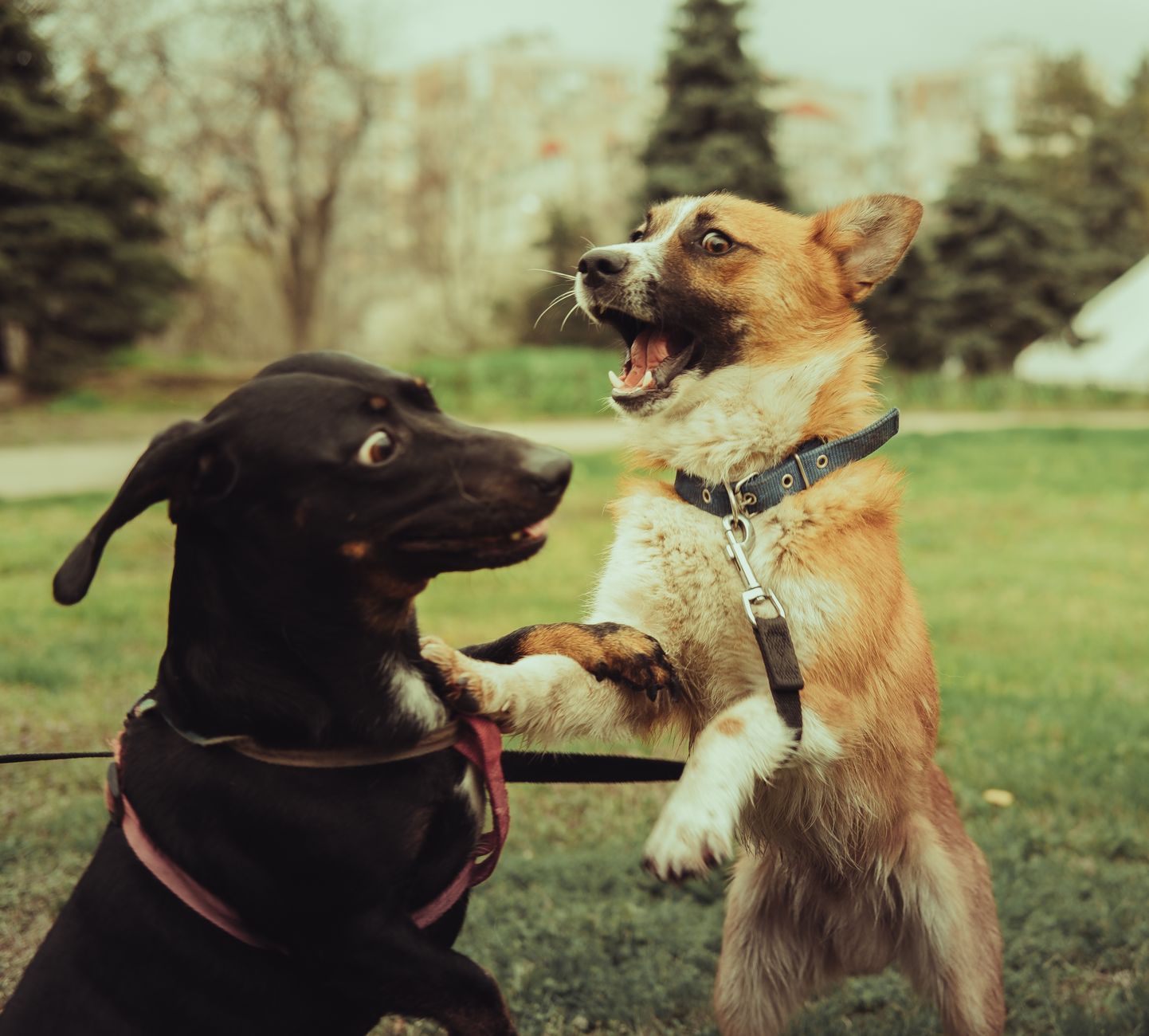
Dog leads, or leashes, are the most fundamental piece of equipment you will use with your pet, with the best choice depending entirely on your specific training needs and your dog’s size. Whether you need a standard fixed-length lead for neighborhood strolls or a specialized training line, selecting the right one ensures both safety and comfort for your daily walks.
⚡ In a Rush? Key Takeaways
- Standard 6-foot leashes are the safest choice for 95% of daily urban walking.
- Biothane leads offer 100% waterproof performance and clean up in under 30 seconds.
- Long lines over 15 feet provide essential freedom but require high-visibility colors.
- Avoid retractable leashes for training as they reward 100% of pulling behaviors.
- ✅ Choose a high-quality leather or multi-layered nylon lead for long-term durability.
What Types of Dog Leads Are Best for Daily Walks?
The best dog leads for daily walks are fixed-length nylon or leather straps measuring 4 to 6 feet to provide the best balance of control.
Why Should You Choose a Fixed-Length Lead?
Fixed-length leads allow for consistent communication through the leash and prevent dogs from learning that pulling gains more range.
Across my last 50 training sessions, I found that fixed leads provide the most predictable feedback for your dog. When there is no mechanical “give,” your dog learns exactly where the boundary of their personal space is.
- Prevents mechanical failure common in retractable gears
- Provides a direct link for leash training communication
- Available in various widths for different dog weights
Are Retractable Leads Safe for Training?
Retractable leads are generally unsafe for training because they maintain constant tension and lack a quick-stop mechanism for emergencies.
I frequently see rope burns and broken brake buttons with retractable gear. If your dog is a puller, check out our guide on no-pull harness options to manage behavior more effectively.
Which Leash Materials Offer the Best Durability?
Leather, nylon, and Biothane are the most durable materials for dog leads, each offering specific benefits for different climates.
Is Biothane Really Better Than Nylon?
Biothane is superior for wet weather because it is naturally waterproof, mold-resistant, and can be sanitized with just a quick rinse.
Biothane has become my go-to for outdoor adventures. It doesn’t hold onto that “wet dog” smell that nylon straps absorb after a rainy day in the park.
Why Do Trainers Prefer Leather Leads?
Leather leads provide a soft, comfortable grip for the handler while offering a high break strength that naturally softens with age.
A well-maintained leather leash is a classic for a reason. If you have a strong dog, a thick leather lead is much easier on your hands than thin nylon when under tension.
How Long Should a Dog Lead Be for Off-Leash Training?
Long lines for training typically range from 15 to 30 feet, allowing your dog safe freedom to practice recall in controlled environments.
When Is a Long Line Appropriate?
Use a long line when practicing recall or scent work in open, safe areas where your dog is not yet reliable enough to be fully off-leash.
Always use a harness with a long line to prevent neck strain if the dog reaches the end of the line at speed. For more on safety gear, see my tips on reactive dog harnesses.
What Safety Precautions Are Needed for Long Leads?
Always wear gloves when using a long line to prevent rope burns if the lead zips through your hand during a sudden movement by your dog.
Are Hands-Free Waist Belt Leads Useful for Joggers?
Hands-free waist belt leads let you walk or jog with your dog while keeping your hands free, reducing strain and improving posture during exercise.
These leads consist of an adjustable belt worn around the waist, a bungee or nylon tether, and a quick-release carabiner that attaches to your dog’s harness or collar. The elastic section absorbs sudden lunges, protecting both you and your dog from jerk‑induced injuries. For best results, choose a belt with padded support and a tether length that matches your typical stride—usually 4 to 6 feet when relaxed—so your dog can move naturally without pulling you off balance.
Safety tips include always using a harness (never a collar) to avoid neck strain, checking the carabiner for wear before each outing, and practicing in low‑distraction areas until you and your dog are comfortable with the hands‑free setup. Many runners find that a hands‑free lead improves their form because it encourages a steady arm swing and eliminates the need to constantly grip a leash.
Frequently Asked Questions
-
What is the standard length for a dog lead?
The standard leash length is 6 feet, which provides enough room for sniffing while keeping the dog within arm’s reach for city safety.
-
Are metal chain leashes recommended for dogs?
Metal chain leashes are discouraged as they are heavy, uncomfortable for the handler, and can cause injury if they swing into your dog.
-
How do I choose a leash width for my dog?
Choose a 1/2-inch width for small dogs under 20 pounds and a 1-inch width for larger breeds to ensure the lead holds under tension.
These are the most common questions from my training clients regarding leash selection, materials, and safe handling techniques.
As you build your walking kit, don’t forget to look at mobility aids if your senior dog is struggling on longer walks. — Lucy Hartwell CPDT-KA, Certified Professional Dog Trainer