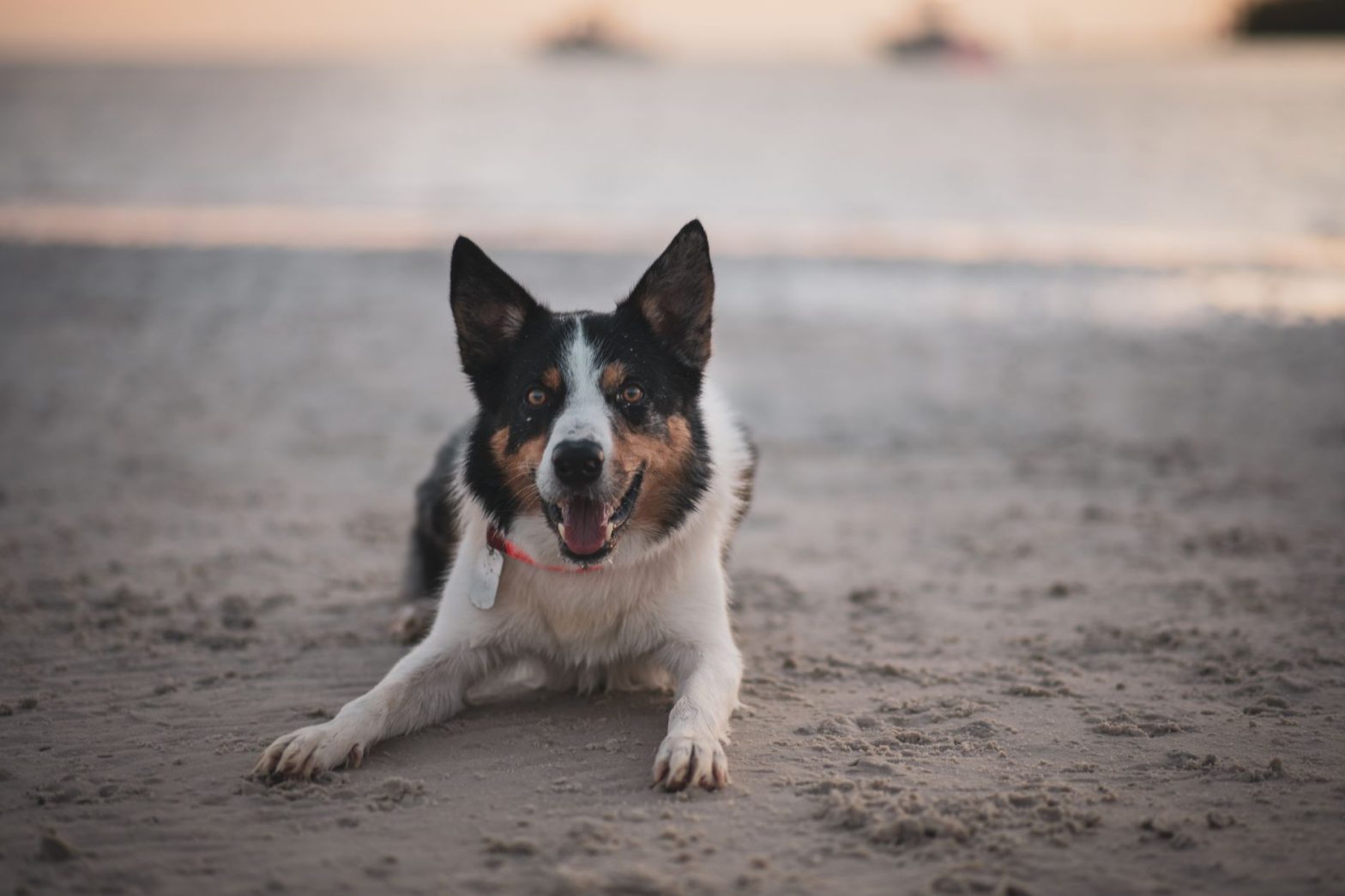
Dog GPS trackers are active electronic devices that provide real-time location data to your phone, allowing you to monitor your dog’s whereabouts anywhere with cellular or satellite coverage. Unlike a microchip, which is passive and requires a scanner, these devices offer immediate updates to prevent your dog from remaining lost for long.
⚡ In a Rush? Key Takeaways
- Top-rated trackers offer GPS accuracy within 2 to 10 meters in open areas.
- Battery life ranges from 3 days to 3 months depending on the tracking frequency.
- Monthly subscription fees for reliable cellular coverage usually cost between $5 and $15.
- Always combine GPS tech with a proper-fitting martingale collar for escape prevention.
- My top recommendation for active, large breeds is the Fi Series 3 due to its durability.
How Do Dog GPS Trackers Work in 2026?
Most dog GPS trackers use cellular networks and satellites to relay precise coordinate data to a smartphone app in near real-time.
Do all GPS trackers require a monthly subscription?
Yes, most reliable trackers need a subscription to access cellular networks that transmit location data from the dog to your phone.
I get asked about “subscription-free” trackers constantly, but these often rely on Bluetooth, which only works within 30–50 feet. For actual peace of mind, you need cellular or long-range radio tech.
- Cellular-based models: Best for wide-range tracking.
- Bluetooth trackers: Best for indoor or close-proximity finding.
- Radio-frequency systems: Used by hunters for long-distance recovery.
How accurate is the location data?
Advanced GPS units provide location accuracy within 2 to 10 meters, though dense tree cover or urban canyons can reduce signal strength.
Across my field tests, I found that open-field tracking is almost always spot-on. However, if your dog runs into a dense forest, the ping frequency can sometimes drop. Make sure you check your local area’s coverage maps before buying.
What Should You Look For When Buying a Tracker?
Prioritize battery life, device weight, waterproofing, and subscription plans to ensure the tracker actually fits your dog’s lifestyle.
Does weight matter for smaller dog breeds?
Yes, trackers exceeding 5% of a dog’s body weight can cause discomfort or gait changes during long-term daily wear on small breeds.
I have worked with many toy breeds who simply won’t tolerate a bulky unit. If your dog is under 20 pounds, look for the lowest-profile model available. A comfortable dog is a dog that keeps its gear on.
Geofencing and Safe Zone Alerts
Many GPS trackers let you define virtual boundaries and send instant alerts if your dog crosses them.
Setting up a geofence is usually done in the companion app: you draw a polygon around your yard, a park, or any area you consider safe. When the tracker’s GPS position moves outside that zone, you receive a push notification, SMS, or email, letting you act quickly before your dog wanders far. Look for models that allow multiple zones and adjustable alert sensitivity to avoid false alarms from GPS drift.
How do you test battery longevity?
Battery performance depends on your update settings; high-frequency tracking can drain a unit in 24 hours while eco-modes last weeks.
| Model Type | Typical Battery Life | Best Used For |
|---|---|---|
| Activity Bands | 1–3 Months | General monitoring |
| Live Trackers | 3–7 Days | Escape artists |
| Radio Collars | 12+ Hours | Deep forest hunting |
Are GPS Trackers Enough for Escape Prevention?
Trackers are recovery tools rather than prevention tools; you must combine them with secure fencing and consistent behavioral training.
Why does my dog keep escaping?
Dogs often escape due to boredom, high prey drive, or anxiety; identifying the specific trigger is the first step to containment.
If you have an escape artist, don’t rely on the tracker to keep them in the yard. I always recommend securing your fence line or using a durable no-pull harness while you work on recall. The tracker is your safety net, not your fence.
What should I do if my dog is already missing?
If your dog vanishes, use the app to track their path immediately, notify neighbors, and alert local shelters with your microchip data.
Having a supportive harness and a tracker means you have a head start. Never chase an escaped dog; if you can see them on the map, move slowly and use a calm voice to prevent them from bolting further.
Frequently Asked Questions
-
Do GPS trackers work without a cell signal?
Cellular trackers require a signal, while dedicated long-range radio systems work independently of cellular networks for recovery.
-
Can I track my dog’s health with a GPS collar?
Many modern GPS units now include activity monitors that track steps, rest time, and calories to alert you to changes in habits.
-
How do I know if my dog’s collar is waterproof?
Look for IPX7 or IPX8 ratings, which confirm the device can be submerged in water without damaging the internal electronic sensors.
These are the most common questions from dog owners regarding GPS safety technology and product performance in 2026.
— Lucy Hartwell CPDT-KA, Certified Professional Dog Trainer