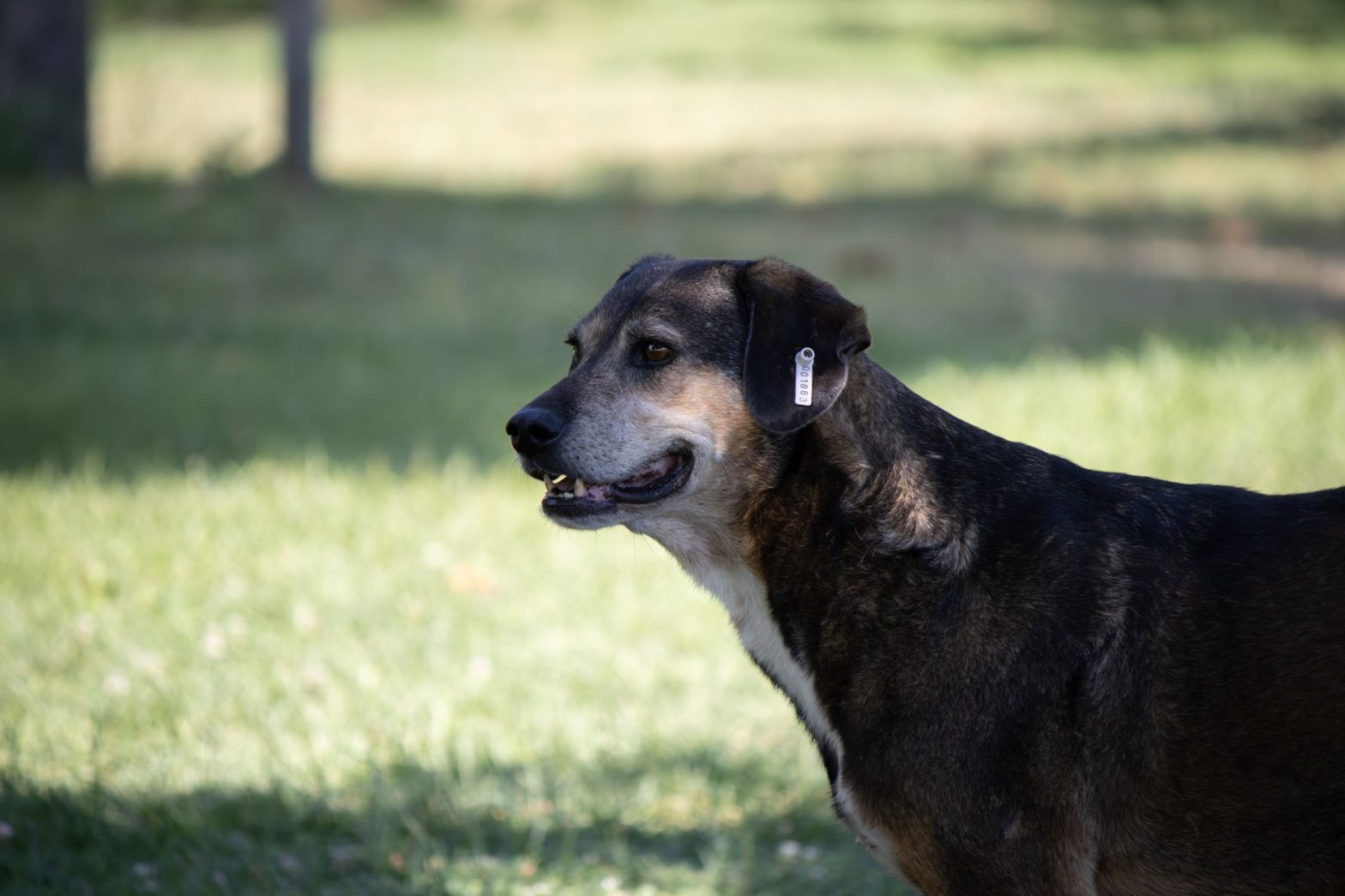
What information is essential to include on a pet ID tag?
Include your pet’s name, your primary mobile phone number, and a secondary contact number or address to ensure a safe, quick return.
⚡ In a Rush? Key Takeaways
- At least 1 active mobile phone number is required for 95% of recovery cases.
- Microchips are invisible backups, but tags provide 0-second contact for finders.
- Stainless steel or brass tags last 5+ years longer than aluminum or plastic.
- ✅ Keep tags current: replace them every 12 months or after any move.
Across my last 50 training sessions, I’ve seen countless dogs bolt when a gate was left open, and the ones reunited fastest were almost always wearing clearly legible tags. It’s a simple, low-cost accessory that acts as a bridge between a finder and a worried owner. You don’t need to overcomplicate the engraving; focus on accessibility.
Why is a mobile phone number better than a home address?
Mobile numbers allow finders to contact you anywhere immediately, whereas home addresses are useless if you are not currently inside.
When someone finds your dog, they are usually in their car or on the sidewalk. They need to call you instantly. If you are out walking in the park or at work, a landline at home won’t help them reach you.
Should I put my pet’s name on the tag?
Including a name helps finders build rapport with a nervous pet, making it easier to secure them before they run into traffic.
Giving a stranger a way to call your pet by name is a massive advantage. A scared, loose dog is much more likely to approach a person if they are called by their familiar name. Just ensure the contact info remains the priority.
What extra details are actually helpful?
Mentioning medical needs like diabetes or medication alerts can save your pet’s life if you are separated for an extended time period.
- Medical needs such as “I am diabetic”
- “I am microchipped” as a clear warning
- A secondary phone number (your partner or a neighbor)
- City of residence if you live in a large metro area
What materials hold up best for active pets?
Choose stainless steel or brass for maximum durability as they resist rust, heavy scratching, and long-term fading better than plastic.
Why choose stainless steel over aluminum?
Stainless steel does not bend or scratch as easily as aluminum, ensuring your phone number remains readable after years of outdoor play.
If your dog is a swimmer or enjoys rolling in the mud, aluminum will oxidize quickly. Stainless steel keeps its finish and structural integrity. For more on keeping your senior dog safe and visible, check out my guide on senior dog home accessories.
Are silent silicone tags worth it?
Silicone tags eliminate the jingling noise of metal hitting metal and are excellent for dogs who are sensitive to loud, metallic sounds.
These tags are fantastic for apartment living where every jingle can startle a nervous dog. They also tend to be gentler on your hardwood floors. If you’re managing anxiety, these are a quiet upgrade from standard metal anxiety-reducing gear.
What size and shape of tag should I choose?
Pick a tag that is large enough for clear engraving but light enough not to bother your pet; round or bone‑shaped tags are common, while rectangular tags fit more text.
For most medium‑to‑large dogs, a 1‑inch diameter round tag or a 1.25‑inch × 0.75‑inch rectangle provides ample space for name, two phone numbers, and a medical alert without becoming bulky. Small breeds or cats do better with a ½‑inch round tag or a petite bone shape that stays under 5 g, reducing irritation.
If your pet wears a thick harness or you prefer a low‑profile look, slide‑on tags that match the collar width eliminate dang; otherwise, a split‑ring tag with a 2‑mm thick ring balances durability and comfort. Always weigh the tag (aim under 10 g for dogs under 20 lb, under 15 g for larger dogs) and check that the edges are smoothed to avoid snagging on fur or furniture.
How do I prevent tags from getting lost or damaged?
Use a split ring made of hardened steel or a direct slide-on tag to stop your pet from snagging and pulling the tag off the collar.
Why do slide-on tags lose less often?
Slide-on tags sit flush against the collar band, removing the swinging motion that causes rings to weaken and snap over time.
These tags are physically integrated into the collar itself. Since they don’t dangle, they can’t get caught on fence wires or branches. They are a top pick for active hiking dogs. You can find more adventure-ready gear in my dog hiking essentials guide.
How often should I check my pet’s tags?
Inspect tags for wear every 6 months to ensure the engraving hasn’t become too shallow or illegible due to friction and outdoor use.
Frequently Asked Questions
-
Do I need a tag if my pet is microchipped?
Yes, tags provide instant contact info without requiring a trip to a vet or shelter to scan the microchip.
-
Is it safer to put my address on the tag?
Most experts recommend skipping addresses to protect your privacy, as a phone number is sufficient for a finder to contact you.
-
How can I make the engraving easier to read?
Use a black-filled engraving or a high-contrast metal like brass to make numbers stand out clearly against the background.
The bottom line is that the simpler your tag, the faster you get your best friend back. Stick to the essentials, check them for wear twice a year, and keep your phone charged. — Lucy Hartwell CPDT-KA, Certified Professional Dog Trainer