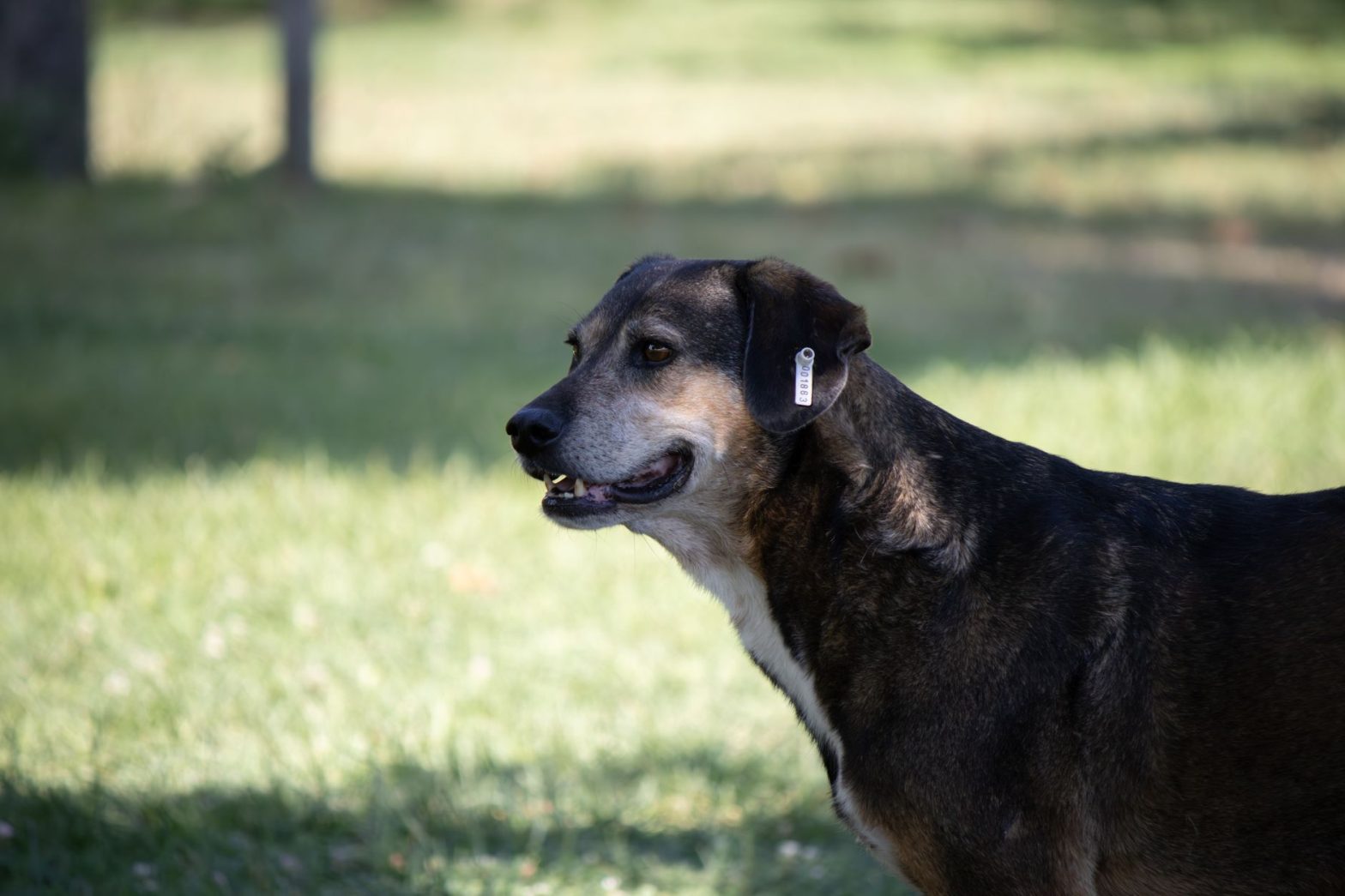
A pet ID tag is the fastest way to get your dog or cat home if they wander off because it provides immediate, accessible contact information to anyone who finds them. While microchips are vital, they require a professional with a scanner; a tag works the moment a stranger spots your pet.
⚡ In a Rush? Key Takeaways
- Stainless steel tags last 5-10 years without significant wear or rust.
- Over 90% of lost pets wearing visible identification return home quickly.
- Always include at least one current phone number on the reverse side.
- ✅ For active dogs, choose laser-engraved steel over plastic or aluminum.
What Material Makes the Most Durable Pet ID Tag?
Stainless steel and brass are the most durable options for 2026, resisting rust and deep scratches for many years of heavy use.
Why is stainless steel the gold standard?
Stainless steel provides maximum protection against corrosion and daily friction, ensuring engraved contact details remain readable.
In my years of training, I’ve seen countless aluminum tags that become illegible within a single year of romping through parks. Stainless steel resists that wear-and-tear beautifully.
Because it doesn’t oxidize, you won’t deal with that nasty green residue often found on cheaper metal collars. It stays shiny and legible throughout your pet’s life.
Are silicone or plastic tags a safe choice?
Silicone tags offer silent, lightweight alternatives, though they lack the long-term durability of traditional metal engravings.
Silicone is wonderful if your dog is a “clink-clink” sensitive sleeper who hates the sound of metal tags. However, they can degrade faster than metal when exposed to intense UV rays.
Which metal tags should you avoid?
Avoid soft aluminum tags which bend easily, become scratched after months of use, and lead to unreadable phone numbers over time.
- Aluminum: Very lightweight but prone to deep scratches and bending.
- Plastic: Great for kittens, but likely to snap or fade with heavy outdoor use.
- Gold-plated: Usually just thin layers that peel to reveal cheaper, corroding metal.
What Information Must You Include on a Pet ID Tag?
Include your primary phone number, your pet’s name, and a specific medical alert if your dog or cat requires daily medication.
Should you put your home address on the tag?
Avoid putting your home address on a pet ID tag to prevent unauthorized strangers from knowing exactly where you live and stay.
Most trainers, including myself, recommend omitting your full home address for security reasons. A phone number is far more useful to a rescuer.
If you feel safer including an address, perhaps stick to just your city or a simple “Reward if Found” phrase. This keeps your home privacy intact.
How can medical information save your pet?
Adding medical alerts like ‘Needs Meds’ or ‘Deaf’ helps rescuers understand your pet’s specific needs before arriving at a shelter.
If your senior dog has hearing loss or requires insulin, this is a literal lifesaver. You can see my advice on senior dog care for more on protecting aging pets.
How Do ID Tags Work With Other Safety Gear?
ID tags complement your pet’s gear by providing offline contact data while items like GPS trackers provide real-time location.
Why are microchips not a replacement for tags?
Microchips require a special scanner only available at clinics or shelters, while tags provide instant, non-digital contact access.
Think of the microchip as a permanent backup, but the ID tag as your first line of defense. A tag is visible to anyone, even a child in the park.
If you’re worried about active dogs, check out my pulling and reactivity tools to ensure your collar setup is secure.
Should you attach tags to the collar or harness?
Attach the ID tag to a flat collar rather than a harness to ensure your contact details remain with the pet at all times.
Many owners use harnesses only for walks. If the dog escapes without the harness, they lose their ID. Always keep a lightweight collar on for identification.
Frequently Asked Questions
-
How often should you replace your pet’s ID tag?
Check your pet’s tag twice a year for readability, replacing it immediately if the engraving starts to fade or the ring wears thin.
-
What is the best way to quiet jingling tags?
Use a silicone tag silencer, a small rubber sleeve, or attach the tag directly to the collar with a split ring to stop the jingle.
-
Can I engrave both sides of the tag?
Engraving both sides allows you to fit more information, such as your name on the front and two phone numbers on the back of the tag.
-
Should you consider a QR code or NFC pet ID tag?
QR code and NFC tags store more data online while keeping a simple, scannable surface for quick access.
These tags link to a secure profile where you can update phone numbers, medical info, and even upload photos without needing to replace the physical tag. They work with any smartphone scanner, making them useful for tech-savvy finders.
However, rely on the finder having a smartphone and internet access, so it’s wise to keep a basic engraved tag with your primary phone number as a backup.
Ultimately, the best tag is one that is always there. Check out my guide on fitting gear properly to make sure your pet’s collar isn’t too loose. — Lucy Hartwell CPDT-KA, Certified Professional Dog Trainer