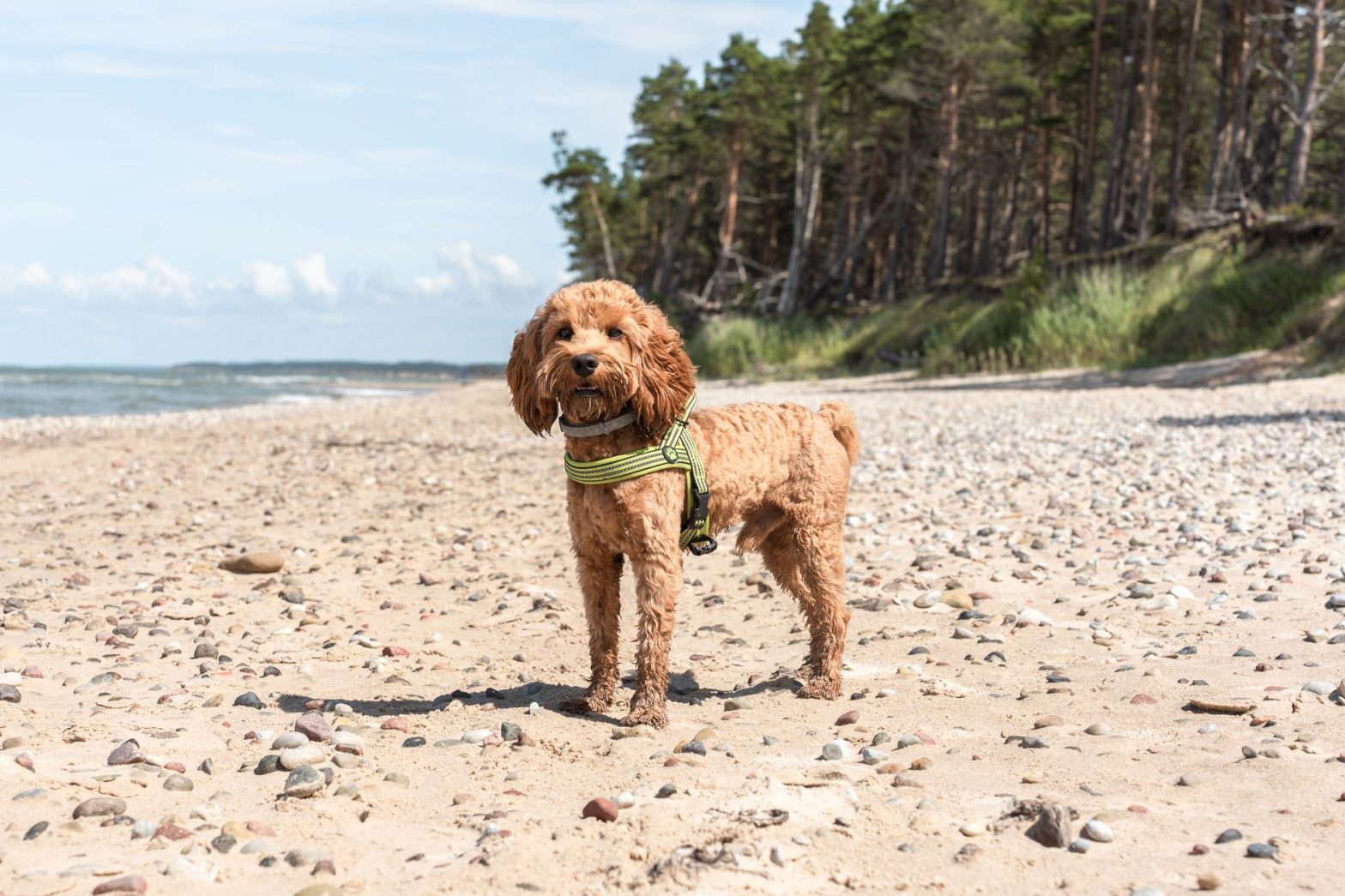
Hypoallergenic dog collars are accessories made from non-porous or organic materials like hemp, cork, or high-grade silicone to prevent skin irritation. If your dog suffers from contact dermatitis or redness around the neck, switching to these specific materials often stops the itching cycle immediately.
⚡ In a Rush? Key Takeaways
- Synthetic dyes and cheap nickel hardware trigger allergic skin reactions in 15% of dogs.
- Hemp and cork provide 100% natural, antimicrobial surfaces that repel skin-irritating mold.
- Silicone collars reduce grooming effort by 90% because they are completely non-porous and easy to wash.
- Switching materials typically results in visible skin improvement within 7 to 10 days of consistent use.
- Look for certified nickel-free hardware to eliminate the most common cause of contact dermatitis.
Why Does My Dog Have Skin Irritation Around Their Neck?
Neck irritation is commonly caused by contact dermatitis from low-quality metal buckles, synthetic dyes, or trapped moisture under collars.
Could My Dog Be Allergic to Their Current Collar?
Yes, many dogs react to nickel-plated hardware or synthetic nylon webbing that traps sweat and bacteria against their delicate skin.
During my training sessions, I’ve seen countless dogs with red, inflamed skin patches caused by cheap metal hardware. If your dog is scratching their neck, they might be reacting to nickel, which is a frequent allergen in standard pet store gear.
Synthetic materials like nylon and polyester are also culprits because they are porous. They soak up oils and bacteria, creating a perfect environment for irritation. For dogs struggling with skin health, check our dog health resources to ensure no other underlying conditions exist.
How Do Porous Materials Trap Allergens Against the Skin?
Porous synthetic fabrics like nylon absorb oils and dust, keeping skin-irritating debris pressed against the dog 24 hours a day.
Most common collars are essentially sponges. They hold onto dead skin cells, garden pollen, and cleaning chemicals, which stay in contact with your dog’s neck. If you are noticing persistent itching, it may be time to try a durable, skin-safe accessory instead.
- Porous nylon traps dirt and garden allergens daily.
- Retained moisture leads to bacterial growth under the strap.
- Low-quality plastic clips can harbour microscopic surface mold.
Which Materials Are Safest for Dogs With Sensitive Skin?
Natural fibers like hemp and cork or medical-grade silicone are the safest choices for dogs prone to skin allergies and irritation.
Is Hemp a Good Material for Hypoallergenic Collars?
Hemp is naturally antimicrobial and moisture-wicking, making it an ideal, chemical-free option for dogs with severe skin sensitivities.
Hemp is my top recommendation for owners who want something completely natural. It is incredibly strong, yet it softens with age without losing its structural integrity. More importantly, it resists mildew and bacteria naturally.
If you have an active dog, hemp is fantastic because it stays comfortable even when damp. It doesn’t hold onto smells the way synthetic webbing does, meaning fewer baths are needed for your dog’s gear. Always ensure you are also using the right gear for their specific body type; you can use our fitting tools to ensure it isn’t too tight.
Why Choose Medical-Grade Silicone for Sensitive Dogs?
Silicone is completely non-porous and hypoallergenic, ensuring no bacteria or allergens can embed themselves into the collar’s surface.
Silicone has become a game-changer for dogs who swim or play in the mud. Because it is non-porous, it creates a sterile barrier that doesn’t trap anything against the skin. It is also remarkably soft, which prevents mechanical friction that often contributes to redness.
| Material | Best Feature | Why it Soothes Skin |
|---|---|---|
| Hemp | Antimicrobial | Repels mold and bacteria |
| Silicone | Non-porous | Prevents allergen buildup |
| Cork | Naturally soft | Reduces physical friction |
Frequently Asked Questions About Hypoallergenic Gear
-
Should I look for nickel-free hardware?
Yes, nickel-free hardware is essential as nickel is the most common metal allergen that causes contact dermatitis in domestic dogs.
-
How often should I clean a hypoallergenic collar?
Wash these collars weekly using warm water and a mild, fragrance-free soap to remove dust, pollen, and natural oils from the skin.
-
Can a loose collar help reduce skin irritation?
Yes, ensuring two fingers of space between the collar and the neck prevents trapped moisture and excessive rubbing against the skin.
-
Will these collars help if my dog has food allergies?
These collars treat contact skin irritation, but they cannot address internal itching or redness caused by underlying food allergies.
Choosing the right collar is often the easiest change you can make to stop your dog from feeling miserable. By swapping out those itchy nylon straps for natural fibers or silicone, you are giving their skin the breathing room it needs to heal. Keep a close eye on their progress, and if the redness doesn’t clear up after a week, it is always a good idea to consult your vet to rule out other medical issues.