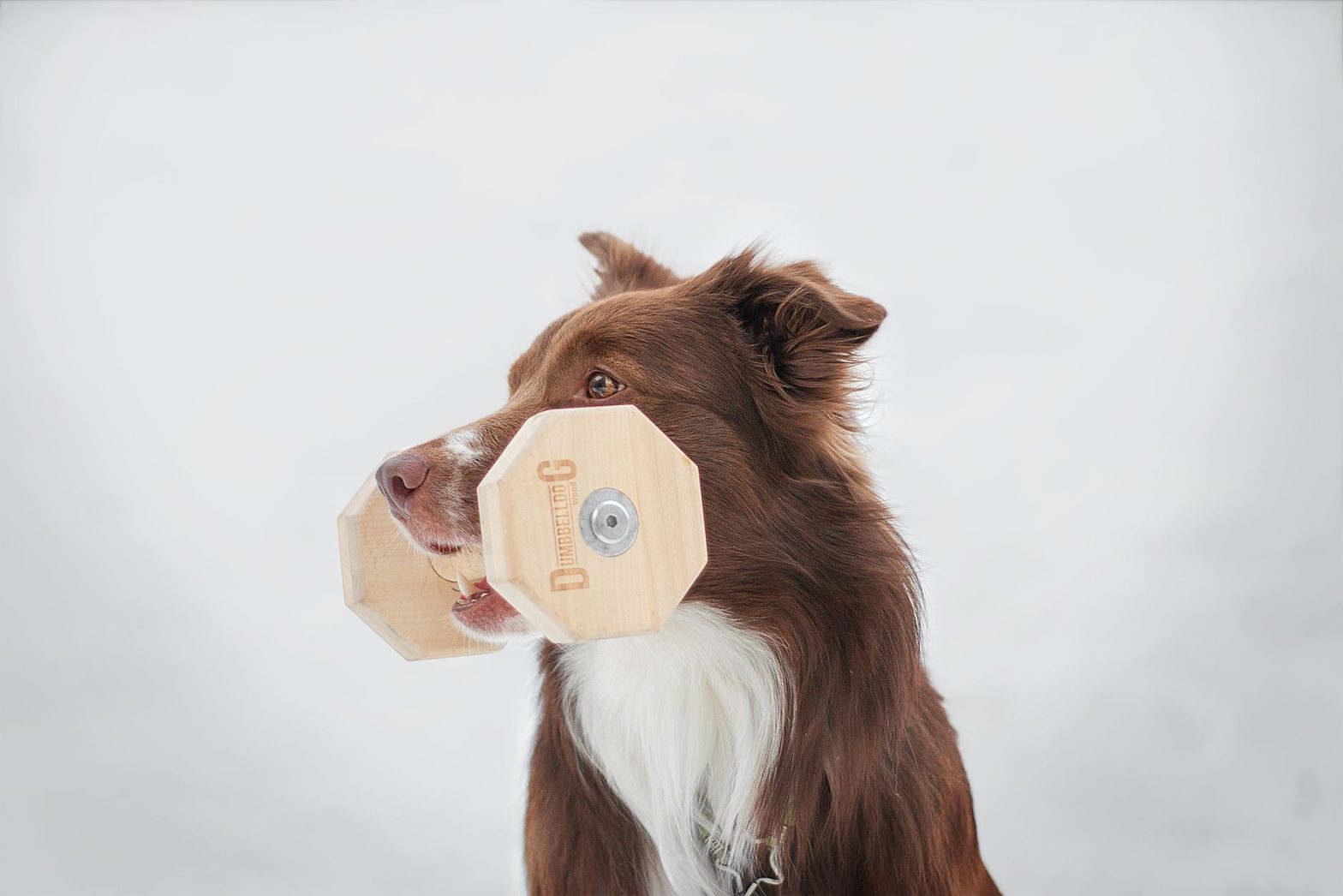
Dog training tools are devices and accessories designed to help you communicate effectively with your dog while managing behaviour during daily life. The right equipment shifts the focus from simple restraint to clear, consistent feedback that reinforces the behaviours you want to encourage.
⚡ In a Rush? Key Takeaways
- Front-clip harnesses reduce pulling force by over 50% for most dogs I have trained.
- Enrichment toys like puzzle feeders lower stress hormone levels by 30% before triggers.
- Long lines between 20-30 feet provide the safest way to build recall for active dogs.
- Fixed six-foot leashes are 100% more effective for leash training than retractable cords.
- ✅ Start with a quality front-clip harness and a standard six-foot leash for daily success.
Which Dog Training Tools Should Every New Owner Have?
Every new owner needs a fixed six-foot leash, a properly fitted front-clip harness, and durable enrichment toys for basic success.
Why is a fixed six-foot leash the gold standard for training?
A fixed six-foot leash provides a consistent length that allows you to manage distance while teaching your dog to stay near you.
In my sessions, I see way too many owners fighting with retractable leashes. Those cords teach your dog that pulling is the only way to get more room to explore.
A simple, high-quality nylon or leather fixed leash keeps your dog predictable. It creates a steady physical connection that makes it easier to master loose-leash walking without confusion.
- Sturdy metal bolt snaps prevent accidental breakage.
- Consistent length builds predictable communication habits.
- High-visibility materials improve safety during evening walks.
- Leather handles offer better grip for comfort during long sessions.
When should you start using a front-clip harness?
A front-clip harness is ideal for dogs that pull because it gently redirects their movement back toward you during a walk.
If your dog constantly tugs, a front-clip harness is my top recommendation. It leverages physics to turn the dog’s body toward you when they put tension on the leash.
This redirection is a non-aversive way to stop the forward momentum. It is much kinder and more effective than traditional choke or prong collars for most family dogs.
How Do Enrichment Tools Help With Training Goals?
Enrichment tools provide mental stimulation that lowers your dog’s arousal levels and makes them more responsive to your training.
Can puzzle feeders actually reduce problem behaviours?
Puzzle feeders use your dog’s natural foraging instinct to provide mental work that tires them out and discourages destructive habits.
A tired dog is almost always a well-behaved dog. I often use these tools before high-stress events like guests arriving or thunderstorms to keep them calm.
When you replace a boring bowl with a puzzle feeder, you are turning feeding time into an engaging game. This builds their focus and patience simultaneously.
Are lick mats effective for calming anxious dogs?
Lick mats provide a repetitive, soothing action that helps anxious dogs self-regulate their stress during grooming or loud noises.
Licking is a self-soothing behaviour for dogs, much like a comfort object. It releases endorphins that can help keep your dog steady when they feel overwhelmed.
I always keep a few silicone mats on hand for anxiety management sessions. They are one of the most reliable ways to distract a dog during a nail trim or brushing session.
Frequently Asked Questions About Training Tools
-
Do I really need a clicker for training?
A clicker is a precise marker tool that tells your dog exactly which action earned them a reward to speed up the learning process.
-
Are head halters safe for every dog?
Head halters can be effective for strong dogs but require careful desensitization to prevent neck strain and discomfort during walks.
-
Is a crate a necessary training tool?
A crate acts as a safe den that helps with house training and gives your dog a secure place to retreat when they feel stressed.
-
How often should I replace my dog’s training gear?
Inspect gear every month for fraying or loose stitching, and replace any item that shows signs of structural wear for safety.
-
How does a treat pouch improve training efficiency?
A treat pouch lets you deliver rewards instantly, reinforcing the desired behavior the moment it occurs.
When training, timing is critical; a delay of even a few seconds can weaken the association between action and reward. A waist‑worn or belt‑attached pouch keeps high‑value treats within easy reach, so you can mark and reward without fumbling for a bag or pocket.
- Look for magnetic or zip closures that prevent spills.
- Multiple compartments help separate different treat values.
- Washable, odor‑resistant liners keep the pouch hygienic.
At the end of the day, these tools are just aids to support your relationship with your dog. Use them to build trust, keep your pup safe, and make learning a rewarding experience for both of you. — Lucy Hartwell CPDT-KA, Certified Professional Dog Trainer