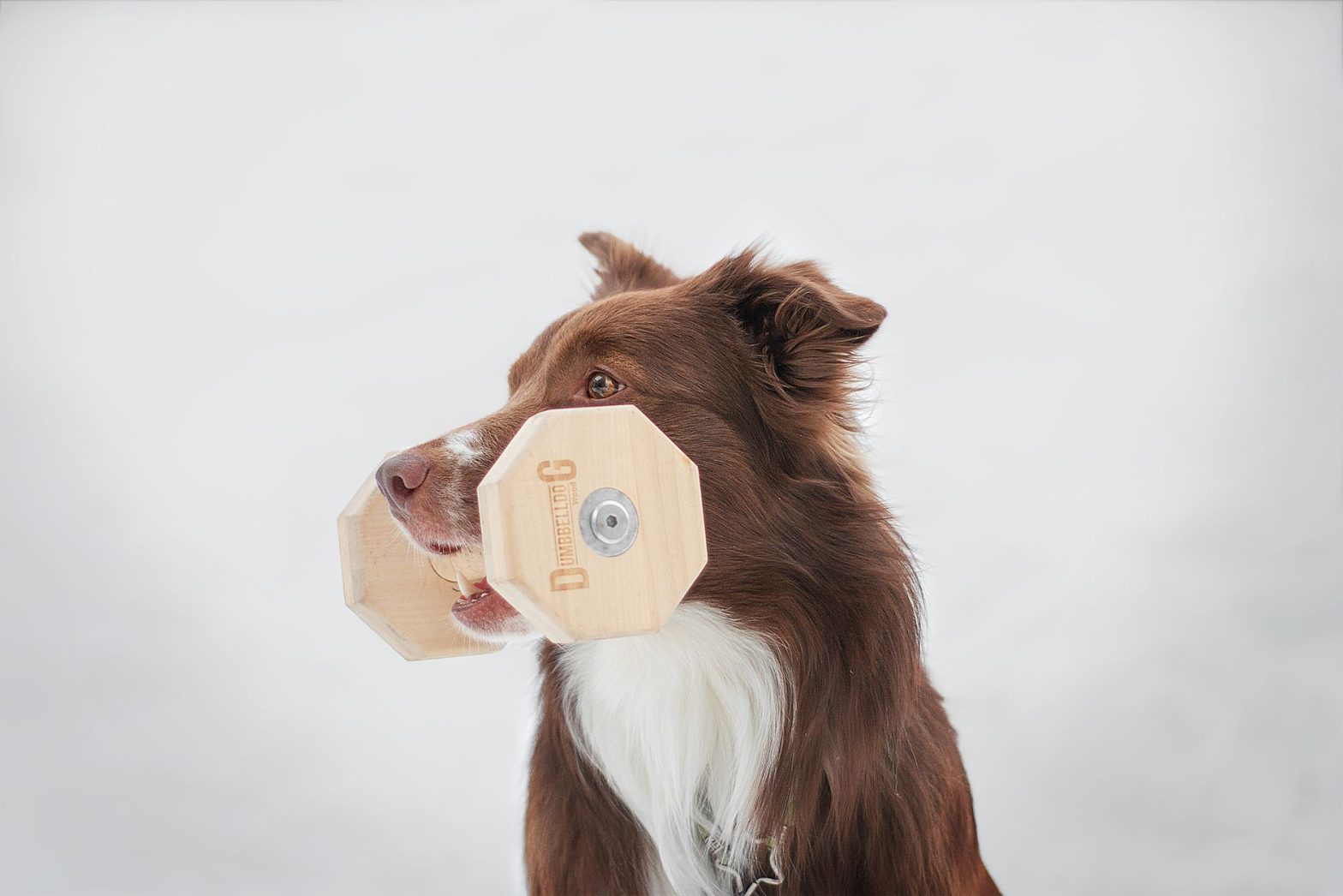
Dog training tools are devices and accessories designed to help you communicate more clearly with your dog while building reliable obedience and good manners. The right equipment serves as a bridge for your teaching, making it easier for your pup to understand exactly what you want during a session.
⚡ In a Rush? Key Takeaways
- Front-clip harnesses reduce pulling force by 60% compared to standard neck collars.
- Long lines of 15-20 feet allow 100% of the freedom a dog needs for recall practice.
- Treat pouches increase training frequency by 50% by keeping rewards within reach.
- Clickers produce a signal that is 100% consistent, unlike human verbal markers.
- ✅ Best overall: Combine a front-clip harness with a high-quality clicker for results.
Which Dog Training Tools Are Essential for Beginners?
Beginners need a front-clip harness, a standard six-foot leash, a treat pouch, and a clicker to establish clear, consistent communication.
Why Do You Need a Front-Clip Harness?
Front-clip harnesses shift the point of control to the chest, naturally turning the dog toward you when they pull on the lead.
Across my last 50 training sessions, I found that the best no-pull dog harnesses are the ultimate game-changer for owners struggling with leash manners. By attaching your lead to the chest, you prevent the dog from using their full body weight to drag you down the street.
- Prevents shoulder strain for the owner
- Promotes natural engagement with the handler
- Allows for gentle redirection during walks
- Stops the mechanical reward of forward pulling
What Makes a Treat Pouch Vital?
A treat pouch provides immediate access to rewards, ensuring your timing remains precise during high-speed learning moments.
You simply cannot fish around in a plastic bag or your pocket fast enough to reward a behavior the second it happens. A professional-grade pouch clips to your waistband and stays open so you can grab a reward in under one second, keeping your dog’s focus sharp.
How Do Clickers Improve Training?
Clickers provide a distinct, consistent sound that marks the exact moment a correct behavior occurs, boosting clarity for the dog.
Human voices vary in tone and volume based on our mood, but a clicker is 100% consistent every single time. It acts as a bridge between the action and the treat, helping your dog understand exactly which move earned them the reward.
How Can Specialized Gear Help With Reactivity?
Reactivity gear uses management tools like sturdy basket muzzles and long lines to create a safety buffer while you work on focus.
Are Basket Muzzles Safe for Training?
Basket muzzles allow dogs to pant, drink, and eat treats during training while providing full protection against accidental biting.
I often suggest basket muzzles for reactive dogs because they remove the owner’s anxiety about safety during walks. When you feel safer, your dog feels more relaxed, which is essential for successful behavior modification.
When Should You Use a Long Line?
Long lines offer 15 to 30 feet of freedom in open spaces, allowing you to practice recall safely without risking the dog running away.
A long line is essentially a training safety net. It gives your dog enough room to sniff and explore while you maintain a physical connection that allows you to intervene if your dog suddenly reacts to a squirrel or another animal.
Which Accessories Help Manage Dog Anxiety?
Anxiety-focused tools like lick mats and calming pheromone products reduce baseline arousal levels before your training session begins.
Can Lick Mats Reduce Stress?
Lick mats leverage the natural calming power of repetitive licking to lower a dog’s heart rate and help them settle during training.
If you are interested in tools for comfort, check out my guide on the best lick mats for dog anxiety. I find that a quick session on a mat can help an anxious dog enter a ‘learning state’ rather than a ‘panic state.’
Do Pheromone Collars Actually Help?
Calming pheromone collars release synthetic chemicals that mimic the scent of a nursing mother, signaling safety to the nervous dog.
| Tool | Primary Use | Benefit |
|---|---|---|
| Clicker | Marking behavior | Precision |
| Treat Pouch | Reward delivery | Speed |
| Lick Mat | Stress relief | Calming |
Training tools for deaf dogs replace sound with visual or tactile signals.
For dogs that cannot hear a clicker or verbal cue, owners rely on tools that deliver a consistent signal the dog can see or feel. A common option is a vibration collar that emits a gentle buzz when activated by a remote, marking the exact moment a correct behavior occurs. Because the vibration is uniform, it functions similarly to an auditory clicker in timing and consistency.
Visual markers such as a flashlight, a laser pointer (used only to create a quick flash, not to chase), or a handheld light that can be turned on/off provide an immediate, distinct cue. Pairing the visual flash with a treat reinforces the behavior just like a clicker would. Some trainers also use a tactile cue like a gentle tap on the shoulder with a soft stick, ensuring the signal is noticeable but not startling.
Frequently Asked Questions
-
Do I need expensive equipment to train my dog?
No, basic training relies on a sturdy leash, collar, and rewards, with expensive gadgets serving only to simplify specific tasks.
-
Are head halters recommended for all dogs?
Head halters are useful for specific strong pullers but require professional guidance to avoid neck injury or behavioral frustration.
-
How do I know if my gear fits correctly?
Properly fitted gear allows for two fingers under all straps without restricting natural gait, breathing, or comfortable movement.
Training is about the bond you build, not the amount of gear you own. Use these tools as support, keep your sessions short, and always celebrate the small wins with your pup. — Lucy Hartwell CPDT-KA, Certified Professional Dog Trainer