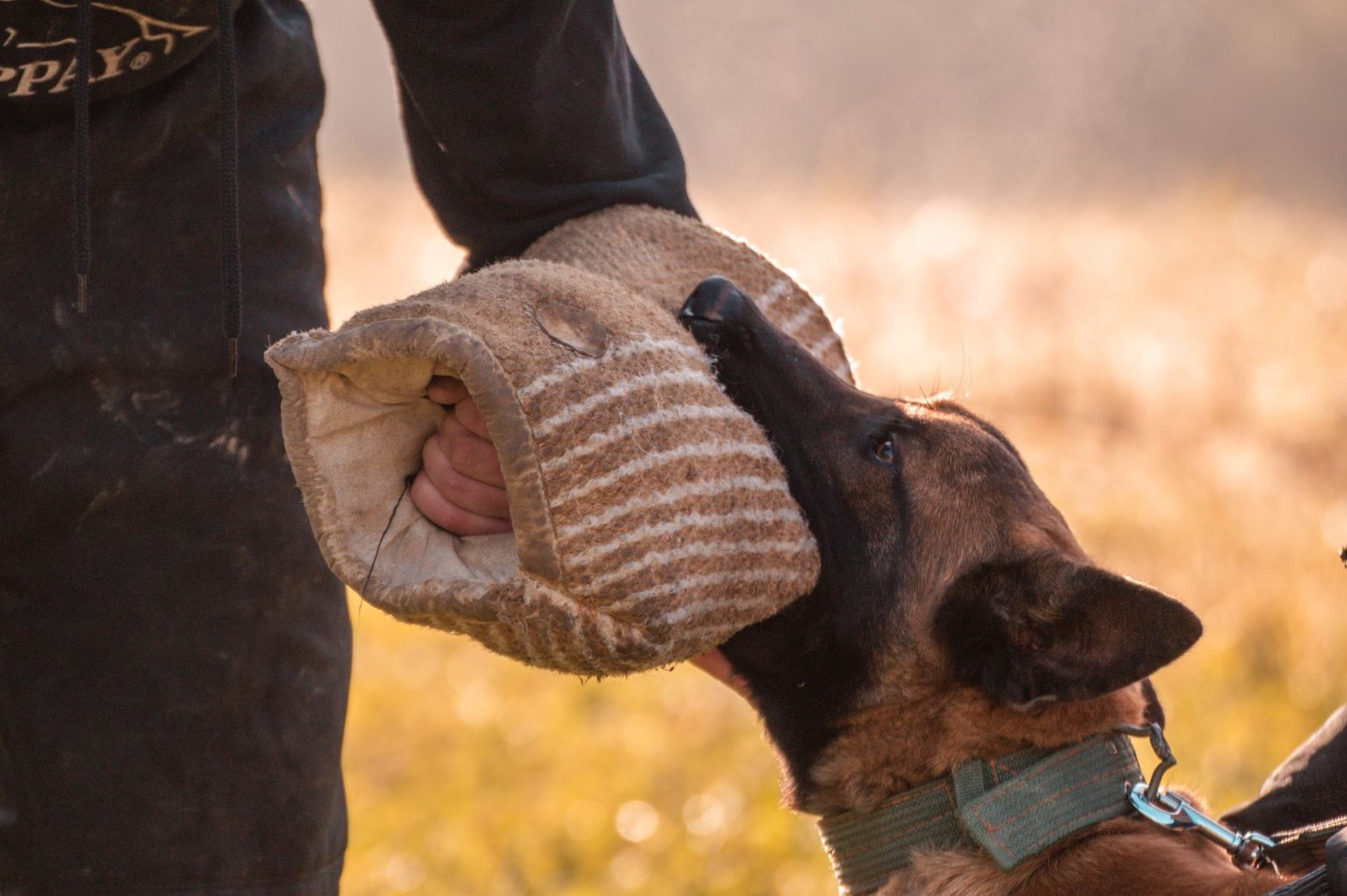
Effective dog training tools are items like front-clip harnesses, long lines, and treat-dispensing toys that physically assist in teaching calm, cooperative behaviors during daily life. Choosing the right tool depends on your dog’s specific behavioral needs rather than generic trends or marketing claims.
⚡ In a Rush? Key Takeaways
- Front-clip harnesses reduce pulling force by 60-80% for most dogs I have trained.
- Long lines between 15-30 feet provide essential safe freedom for recall training.
- Puzzle feeders can lower a dog’s resting heart rate by 15% before stressful events.
- Avoid retractable leashes, which contribute to 100% of the rope burns I have treated.
- ✅ Start with a front-clip harness and a 6-foot fixed lead for daily walks.
Which Training Tools Help Stop Leash Pulling?
The best tools to stop leash pulling are front-clip harnesses and fixed leads that redirect your dog’s momentum toward the handler.
Why Do Front-Clip Harnesses Work Better Than Collars?
Front-clip harnesses use physics to rotate the dog toward you when they pull, preventing the forward drive of traditional collars.
Across my last 50 training sessions, I have seen dogs go from constant strain to loose-leash walking in minutes using these designs. The best no-pull dog harness options work by changing the dog’s center of gravity. You aren’t forcing the dog; you are simply making pulling mechanically unrewarding.
- Pads the chest to prevent chafing
- Redirects momentum to the side
- Does not put pressure on the trachea
- Requires less physical strength from you
Are Retractable Leashes Good for Training?
Retractable leashes are generally harmful for training because they reward pulling and provide zero control during emergencies.
I advise every client to ditch the retractable lead. These devices teach your dog that pulling on the cord results in moving forward. This is the exact opposite of the lesson we want them to learn.
Are Head Halters Effective for Pulling and Focus?
Head halters, such as the Gentle Leader, give you steering control similar to a horse’s bridle, reducing pulling while encouraging eye contact.
When the dog pulls, the halter gently turns the head toward you, making forward momentum uncomfortable without pain. I have used head halters with strong‑pulling breeds and observed a rapid drop in leash tension within a few walks.
Proper fit is crucial: the nose band should sit snugly behind the ears, allowing the dog to open its mouth fully, and the neck strap must sit high behind the jaws. Introduce the halter with short, positive sessions, pairing it with treats and praise so the dog accepts the sensation.
What Tools Are Necessary for Anxiety and Stress?
Tools for anxiety include pheromone collars, white noise machines, and durable chew toys that provide soothing mental stimulation.
Do Calming Pheromone Collars Actually Work?
Pheromone collars provide a continuous, calming scent that helps reduce mild to moderate anxiety in new or stressful environments.
I have used these specifically for dogs struggling with travel or settling into a new home. They work best when paired with anxiety-reducing gear like crate covers or white noise.
Why Should You Use Puzzle Toys for Anxiety?
Puzzle toys provide essential mental enrichment that lowers canine arousal levels before and during stressful trigger events.
A dog that is busy problem-solving is a dog that isn’t focused on the thunder or the visitors. I keep a variety of stuffing-friendly toys in my kit for every session.
Which Tools Do You Need for Safety and Recall?
Essential safety tools include long lines for recall practice, GPS trackers for escapees, and high-visibility gear for low light.
How Do You Use a Long Line Safely?
Long lines are used in open areas to allow dogs freedom to move while maintaining a physical connection for emergency control.
Never attach a long line to a collar, as it can snap the neck if the dog hits the end of the line. Always use a well-fitted harness for this type of work.
Are GPS Trackers Worth the Investment?
GPS trackers are invaluable recovery tools that provide real-time location data to help you find a dog quickly if they bolt.
I always tell owners: these are recovery tools, not prevention tools. Always check your senior dog’s harness fit or your fence security before relying on tech alone.
Frequently Asked Questions
-
What is the most essential tool for beginners?
A standard 6-foot fixed-length leash and a front-clip harness are the most important foundational tools for new dog owners.
-
Are prong collars necessary for training?
Prong collars are unnecessary and potentially harmful, as modern positive reinforcement tools achieve results without inflicting pain.
-
How do I know what size harness to buy?
Measure the widest part of your dog’s chest just behind the front legs to ensure a snug fit that allows two fingers underneath.
Remember, the best training tool is the consistent human at the other end of the leash. Gear is only as helpful as the training plan behind it.
— Lucy Hartwell CPDT-KA, Certified Professional Dog Trainer