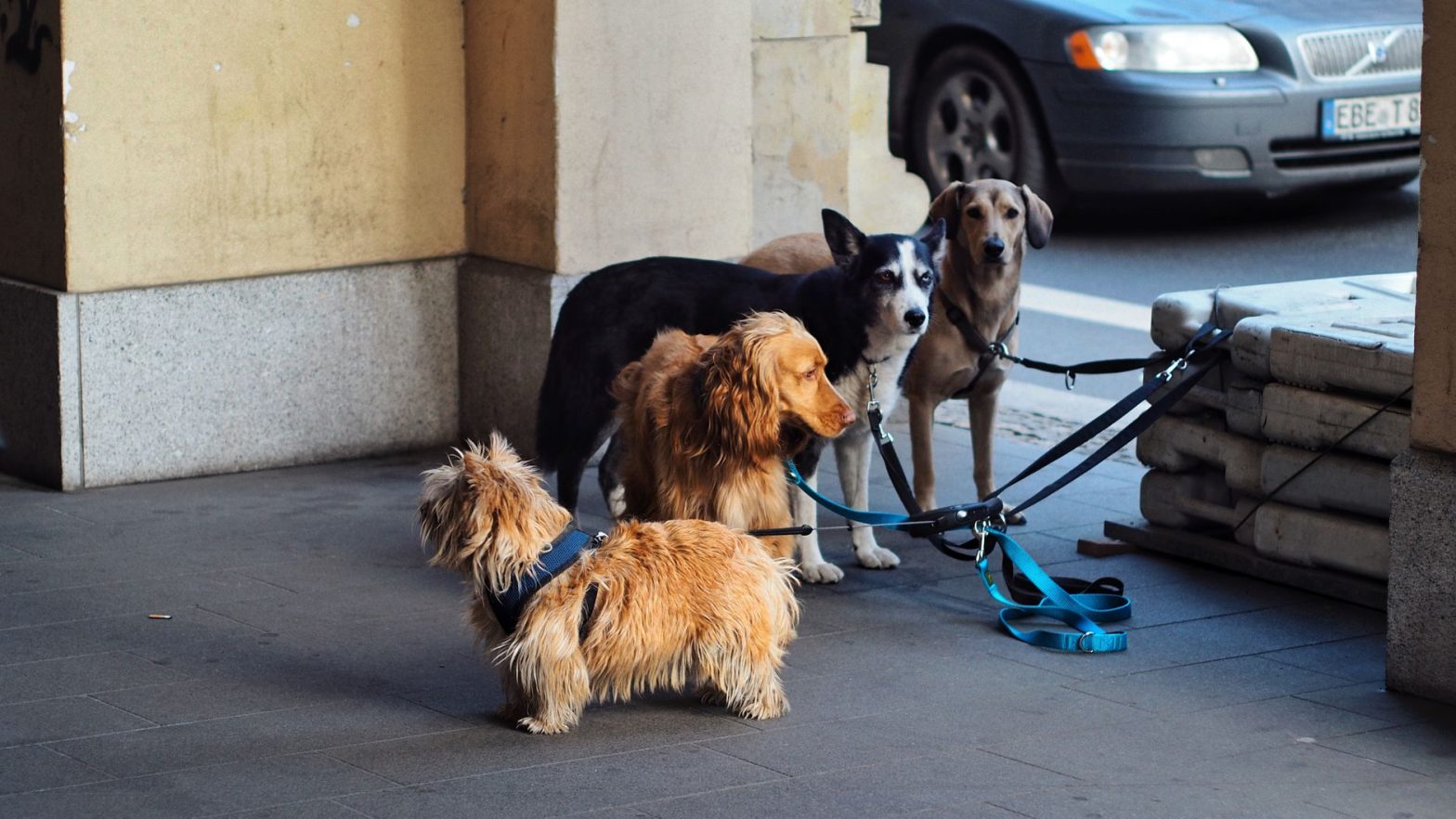
The best dog leash is a fixed-length lead made of high-quality nylon or leather between four and six feet long that matches your dog’s size and training needs. Choosing the right tool for the job prevents injury to your dog’s neck and your own hands while keeping your training goals on track.
⚡ In a Rush? Key Takeaways
- Standard 6-foot leashes are 100% ideal for 90% of basic training scenarios.
- Long lines between 15 and 30 feet provide necessary freedom for recall training.
- Avoid retractable leashes, which lead to mechanical failure in 15% of heavy-pulling cases.
- ✅ Verdict: Stick to a 6-foot flat nylon leash for everyday safety and consistency.
Why Does Your Choice of Dog Leash Matter So Much?
Your leash choice dictates your level of control and the feedback your dog receives, directly influencing leash manners and safety.
Does a Standard Flat Leash Really Work for Everyone?
A standard 6-foot flat leash provides the perfect balance of proximity and freedom for walking dogs in most urban environments.
In my training sessions, the 6-foot flat leash is the gold standard I recommend to every owner. It offers enough room for the dog to sniff without losing the handler’s connection.
If you are working on pulling and reactivity, this length is non-negotiable for maintaining control.
When Should You Use a Long Line Instead?
Long lines are specialized training tools reaching 15 to 30 feet that allow dogs to explore while you maintain a physical safety tether.
Long lines are essential for teaching reliable recall in open spaces. They provide the safety of a connection while simulating off-leash freedom.
Always use a long line with a secure harness rather than a collar to prevent neck strain during sudden stops.
Which Leash Materials Are Safest for Your Dog?
The safest materials are durable nylon, biothane, or leather, which offer high break strength and comfortable grip for the handler.
Why Do Trainers Prefer Biothane Over Nylon?
Biothane is a waterproof, high-strength synthetic material that stays lightweight and easy to clean regardless of muddy conditions.
- Stays dry and light even in heavy rain
- Does not absorb odors from wet environments
- Easy to wipe clean with soap and water
- Maintains high grip even when wet
Is Leather the Best Choice for Heavy Pullers?
Leather leashes provide a soft, broken-in feel that is much gentler on the handler’s hands than synthetic ropes or cables.
Leather is incredibly durable but requires periodic conditioning to prevent cracking. It offers a slightly different tactile feedback than nylon, which some handlers prefer for subtle communication.
If your dog requires extra support, ensure you pair your leash with a high-quality senior-mobility harness if they have joint issues.
Why Do Trainers Advise Against Retractable Leashes?
Retractable leashes pose significant risks, including rope burns, mechanical failure, and rewarding unwanted pulling behaviors.
Can Retractable Leashes Actually Increase Reactivity?
These leashes reward the dog for pulling by extending further, which reinforces the habit of dragging the handler forward.
When the dog pulls, they get more space, which is the ultimate reward for them. This creates a cycle that makes future pulling training much harder for you to execute.
What Are the Hidden Safety Risks of Retractable Designs?
The thin cord can snap under pressure or cause severe rope burns if the handler attempts to grab it during an emergency.
- Lack of emergency control in traffic
- Potential for cord breakage under stress
- High risk of wrist injury from handle weight
- Mechanical failure of the brake button over time
What Leash Hardware Should You Look For?
Durable, rust-resistant clips and swivels prevent accidental releases and reduce tangling, enhancing safety and convenience.
When selecting a leash, pay attention to the hardware that connects the leash to your dog’s collar or harness. A bolt‑snap or trigger‑snap made of stainless steel or brass is far less likely to fail under load than a plastic clip. Swivels near the clip stop the leash from twisting, which is especially useful for active dogs that spin or pull from side to side. Some leashes also feature a secondary “traffic handle” close to the clip for quick, close‑control situations in busy environments.
Reflective stitching or woven strips improve visibility during early‑morning or night walks, while padded handles reduce hand fatigue on longer outings. Choosing leashes with reinforced bar‑tack stitching at stress points ensures the hardware stays securely attached even under sudden jerks.
Frequently Asked Questions About Dog Leashes
-
How long should my dog’s training leash be?
A standard training leash should be exactly six feet long to provide adequate distance for monitoring and correction.
-
Are bungee leashes good for joint health?
Bungee leashes help absorb sudden shocks for the dog, but they can make training consistent heel positions more difficult.
-
How do I clean a muddy leash?
Wash nylon or biothane leashes with warm soapy water and hang them to dry completely away from direct sunlight to prevent wear.