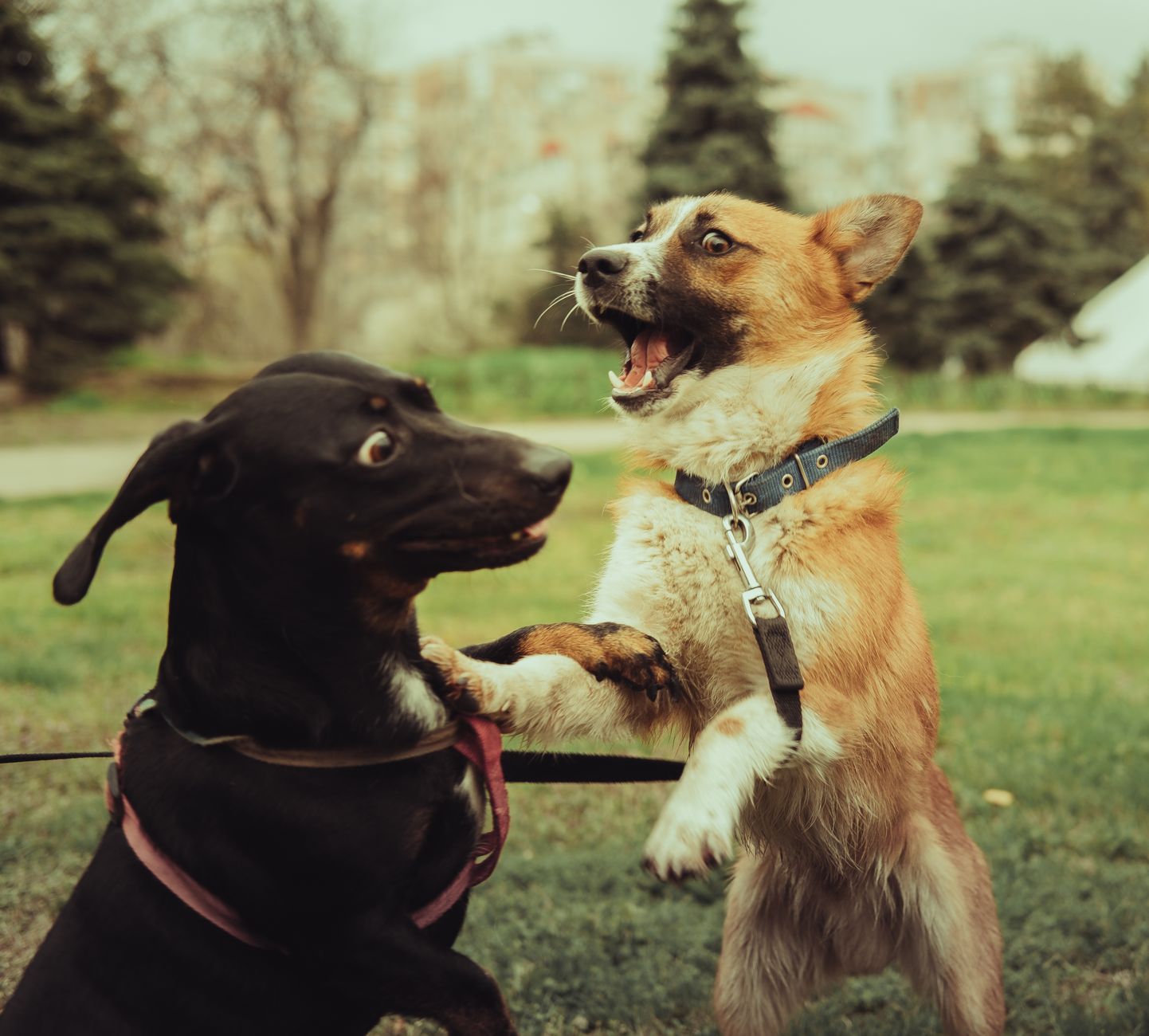
Dog leads are essential tools for walking, training and keeping your dog safe in public spaces. Choosing the right lead depends on your dog’s size, behaviour and where you walk them.
⚡ In a Rush? Key Takeaways
- Standard nylon leads are best for daily walks and cost $8-$20 on average
- Retractable leads offer flexibility but reduce control in high-distraction areas
- A 6-foot lead provides ideal balance of freedom and control for most dogs
- Reflective stitching increases night visibility by up to 300%
- ✅ Verdict: Choose a padded handle, double-stitched nylon lead for everyday use
What Are the Main Types of Dog Leads Available?
The main types are standard fixed-length, retractable, slip, training long lines and adjustable leads, each suited to different walking and training needs.
What Is a Standard Fixed-Length Dog Lead?
A standard fixed-length lead is typically 4-8 feet long made of nylon, leather or rope with a clip for your dog’s collar or harness.
I’ve used standard leads on everything from Chihuahuas to Great Danes in my training sessions. They’re reliable, affordable and give consistent control. For daily neighbourhood walks, a 6-foot nylon lead with padded handle works best for most dogs.
How Does a Retractable Dog Lead Work?
Retractable leads have a spring-loaded mechanism inside a plastic handle that lets the lead extend and lock at various lengths up to 26 feet.
While retractable leads let your dog explore more, I’ve seen owners struggle to lock them quickly when a reactive dog appears. The thin cord can also cause rope burns if it wraps around legs. They’re best for well suit dogs in open areas with low distraction and well-trained dogs.
When Should You Use a Slip Lead?
Slip lead is a combined collar and lead that tightens when pulled, often used for training or vet visits but requires careful timing to avoid discomfort.
Slip leads work well for quick control during vet visits or grooming, but I don’t recommend them for daily walks on pullers. The constant pressure can hurt your dog’s trachea if they lunge. Always release tension immediately when your dog stops pulling.
What Are Training Long Lines Used For?
Training long lines are 15-50 foot leads used for recall practice, tracking or giving dogs more freedom while maintaining safety in open areas.
I use 30-foot cotton long lines for recall training in parks. They let dogs practice coming when called while I can still reel them in if needed. Never use long lines near roads or in crowded areas where they could tangle around obstacles or people.
How Do I Choose the Right Lead Length for My Dog?
Ideal lead length depends on your dog’s size, training level and walking environment, with 4-6 feet suiting most neighbourhood walks and 10-30 feet for training.
What Lead Length Is Best for Puppies?
Puppies do well with 4-6 foot leads for basic leash manners, switching to longer lines only after mastering recall in low-distraction areas.
I start puppies on 4-foot nylon leads to teach them not to pull. Their small size means shorter leads prevent tangling and give better control. Once they reliably sit and wait at curbs, I introduce 10-foot lines for brief sniffing breaks.
How Long Should a Lead Be for Adult Dogs?
Most adult dogs walk well on 5-6 foot leads, giving enough room to sniff while keeping them close enough to steer clear of hazards.
For my Labrador mixes, a 6-foot lead is perfect city walking length. It lets them check pee mail without wrapping around my legs. If your dog heels tightly, a 4-foot lead works, but avoid anything shorter than 4 feet as it restricts natural gait.
When Do You Need a Longer Lead?
Longer leads (10-30 feet) are useful for recall training, hiking or giving senior dogs more freedom to move slowly while staying connected.
I use 15-foot leads for arthritis-friendly walks with my senior dogs—they can ambble at their pace without pulling me off balance. For reactive dogs, longer lets increase distance from triggers while you work on counter-conditioning.
What Features Make a Dog Lead Safe and Durable Dog Leads?
Look for double-stitched nylon with a padded handle and reflective trim offers the best balance of durability, comfort and safety for most dogs.
Why Does Handle Padding Matter?
Padded handles prevent rope burns and hand fatigue during long walks or when your dog suddenly lunges after squirrels or other dogs.
After walking three dogs daily for years, I’ve learned unpadded nylon handles leave blisters. Neoprene or foam padding absorbs shock from pulls. Test the grip—it should feel secure even with sweaty or gloved hands.
How Important Is Reflective Trim?
Reflective trim increases visibility by up to 300% in low light, giving drivers more time to react if your dog darts toward the road.
I won’t buy a lead without reflective stitching now. Once, my beagle chased a raccoon at dusk—I spotted her in time because the lead’s reflectors caught my flashlight beam. Look for 3M Scotchlite or similar quality reflectors.
What Hardware Should You Check?
Always test the clip’s strength and swivel action—it should rotate freely and withstand at least 200lb of force without bending or breaking.
Cheap leads often have weak clips that break under stress. I carry a small carabiner to test clips in stores—if it doesn’t snap shut smoothly or feels flimsy, skip it. Brass or stainless steel clips last longest.
How to Use a Dog Lead Safely and Effectively
Safe lead use means holding it correctly, avoiding wraps around limbs, staying aware of surroundings and matching lead length to your environment’s distraction level.
What’s the Proper Way to Hold a Dog Lead?
Hold the lead with your thumb through the loop and fingers wrapped around the handle, keeping slack to allow natural movement but ready to shorten if needed.
Never wrap the lead around your wrist—it can cause serious injury if your dog lunges. I teach clients to hold the lead like a golf club: relaxed grip, elbows bent, ready to respond. This reduces strain and improves communication.
Common Mistakes to Avoid With Dog Leads?
The top mistakes are wrapping the lead around your hand, using retractable leads near roads and not checking wear regularly for frays or weak clips.
I’ve seen nasty rope burns from owners wrapping leads during walks. Retractables near traffic are dangerous—the thin cord can snap or fail to lock. Inspect leads weekly: run fingers along the length feeling for thin spots or fuzzy areas.
How to Train a Dog Not to Pull on Lead?
Stop walking when your dog pulls, wait for slack, then reward and proceed—consistency teaches them pulling doesn’t get them where they want to go faster.
This method takes patience but works. I combine it with front-clip harnesses for strong pullers—the redirection makes stopping more effective. Practice in your driveway first before trying busy sidewalks.
FAQ
Are leather dog leads better than nylon?
Leather leads are durable and soften with age but require conditioning and aren’t ideal for wet conditions, while nylon is affordable, washable and weather-resistant.
I prefer nylon for daily walks—it handles mud and rain better. Leather is lovely for show dogs or special occasions but needs regular oiling to prevent cracking. Both work if maintained well.
Can I use a dog lead for tie-outs?
Never use a regular dog lead as a tie-out—it’s not designed for constant tension and can fail; use a proper tie-out cable or stake instead.
I’ve seen leads snap when left