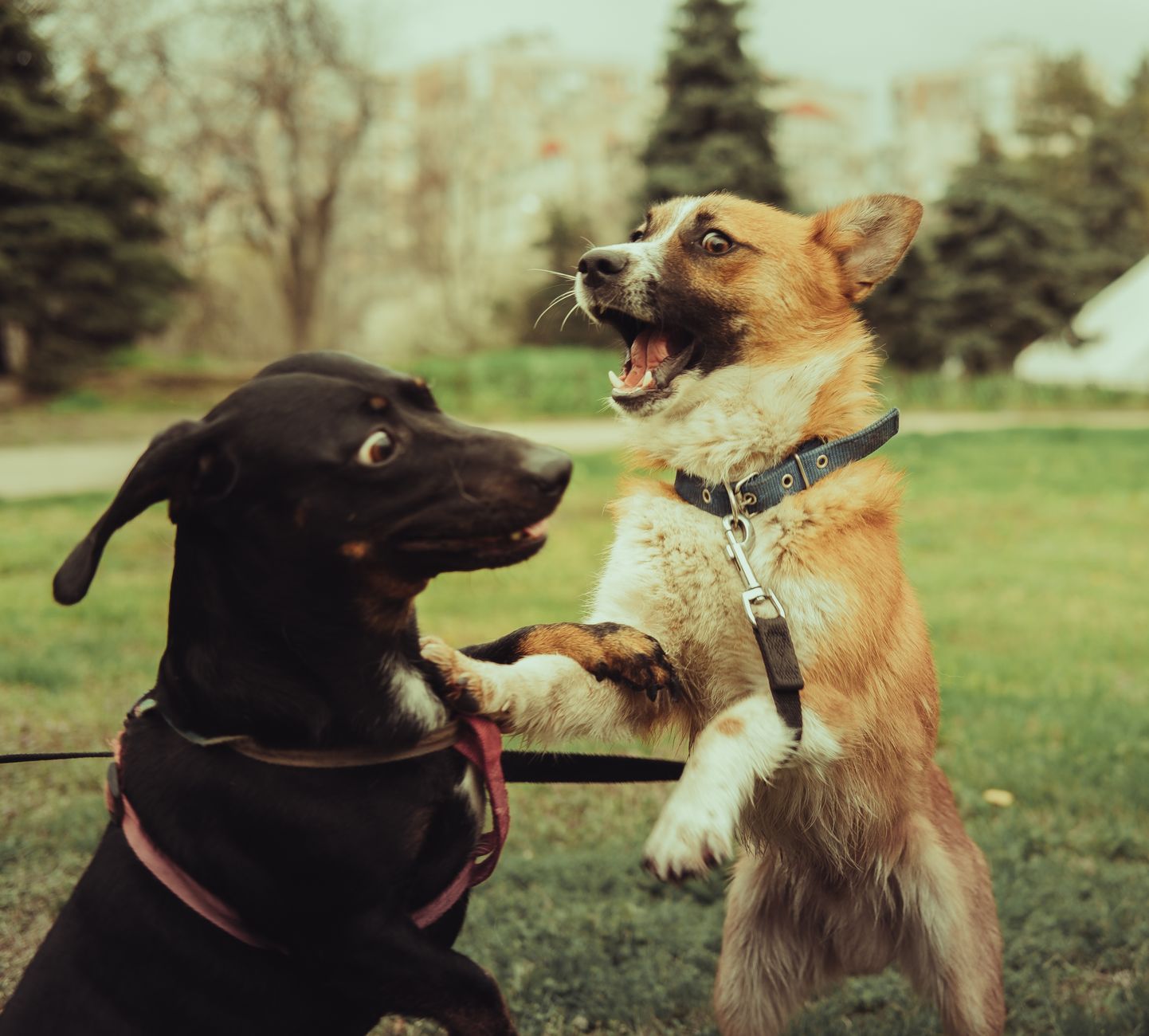
A dog lead is the primary communication bridge between you and your dog, serving as a vital tool for safety, training, and bonding during every outing. Choosing the right one depends on your dog’s breed, size, and specific walking behaviours rather than just the aesthetic appeal of the handle or material.
⚡ In a Rush? Key Takeaways
- Standard 6-foot fixed-length leads remain the gold standard for basic obedience training.
- Long lines between 15 and 30 feet provide necessary mental enrichment for scent-driven dogs.
- Retractable leashes carry a 20% higher risk of mechanical failure compared to fixed leads.
- Multi-function leashes with dual clips offer the best control for training reactive dogs.
- Always match hardware strength to your dog’s weight to prevent catastrophic clip failure.
Which Dog Lead Type Is Best for Basic Training?
A fixed 6-foot nylon or leather lead is the best choice for basic training, offering consistent control and clear communication signals.
Why should you use a standard 6-foot fixed lead?
Fixed 6-foot leads provide a predictable length that allows owners to manage their dog’s proximity while teaching core obedience.
During my training sessions, I have found that simplicity wins every time. A standard 6-foot lead doesn’t distract the dog with mechanical sounds, making it perfect for loose-leash training basics.
These leads are also durable and easy to handle in emergencies. If you need to shorten your grip quickly, there is no mechanism to jam or lock up.
What are the benefits of leather versus nylon leashes?
Leather leashes provide a comfortable, non-slip grip that becomes softer over time, while nylon offers better durability in wet weather.
- Leather: Becomes supple with age, reduces rope burn risk, high durability.
- Nylon: Lightweight, available in many colours, machine washable for hygiene.
- Biothane: The best of both worlds, waterproof, easy to clean, and extremely strong.
How Do You Select a Leash for Reactive or Pulling Dogs?
Reactive dogs require a durable multi-point lead that offers secondary attachment points to improve steering and overall handler control.
Are multi-function leashes better for safety?
Multi-function leads with multiple clips and rings allow for variable lengths, providing safer control during high-traffic urban walks.
When working with dogs that struggle on walks, I always recommend looking for gear that supports no-pull harness setups. Being able to clip a lead to both the front and back of a harness changes the physics of the walk entirely.
Using a double-ended lead allows you to steer your dog’s body rather than just pulling against their neck. This simple adjustment often provides the stability needed for successful outings.
Why should you avoid retractable leashes for reactive dogs?
Retractable leads are dangerous for reactive dogs because they provide inconsistent tension and offer no emergency control or locking.
What Safety Features Should Every Dog Lead Have?
Reliable hardware and high-visibility stitching are the two most important safety features to check on any new dog walking lead today.
Is your lead hardware strong enough for your dog?
Bolt-snap hardware must be chosen based on your dog’s weight and force potential to avoid the risk of accidental clip detachment.
I have seen far too many cheap clips snap under the force of a sudden lunge. Always check that your leash clip is made of solid brass or high-grade steel.
If you have a senior dog who needs extra stability support, ensure your lead hardware is rated for at least twice your dog’s total body weight.
Do high-visibility leashes actually prevent accidents?
High-visibility leads with reflective threading allow drivers to see you and your dog much earlier during low-light evening walks.
- Reflective trim: Visible from 500 feet away in low-light conditions.
- LED attachments: Provide active lighting for visibility in pitch-black areas.
- Fluorescent colours: Best for daytime visibility in dense traffic environments.
| Activity | Recommended Lead Type | Key Features |
|---|---|---|
| City walking / traffic | Standard 6‑ft fixed lead (nylon or leather) | Predictable length, easy to grip, high‑visibility stitching |
| Trail running / jogging | Hands‑free waist leash with bungee shock absorber | Keeps hands free, reduces jerk, reflective trim for low light |
| Hiking / off‑trail | Long line (15‑30 ft) made of biothane | Water‑proof, easy to clean, gives dog freedom to sniff |
| Training basics (loose‑lead, recall) | Fixed 4‑6 ft leather or nylon lead | Consistent length, comfortable grip, durable hardware |
| Reactive or pulling dogs | Multi‑function double‑ended lead with traffic handle | Secondary attachment point, extra handle for close control, strong brass clips |
Frequently Asked Questions
-
How long should a training leash be?
A standard training lead should be between 4 and 6 feet, providing enough room for movement while keeping your dog within your reach.
-
Are cotton leashes safe for strong dogs?
Cotton leashes are generally not recommended for strong pullers as the material can fray and snap under significant tension over time.
-
Can I use a long line on a daily walk?
Long lines are excellent for enrichment in safe, open areas, but they should not be used as a replacement for standard leads in traffic.
-
When should I replace my dog’s lead?
Replace your lead immediately if you see frayed stitching, rusted clips, or any signs of material weakness that could risk a break.
Choosing the right lead is an investment in your dog’s comfort and your peace of mind. By matching the lead style to your dog’s specific behavioural profile, you make every walk a safer and more enjoyable experience for both of you. — Lucy Hartwell CPDT-KA, Certified Professional Dog Trainer