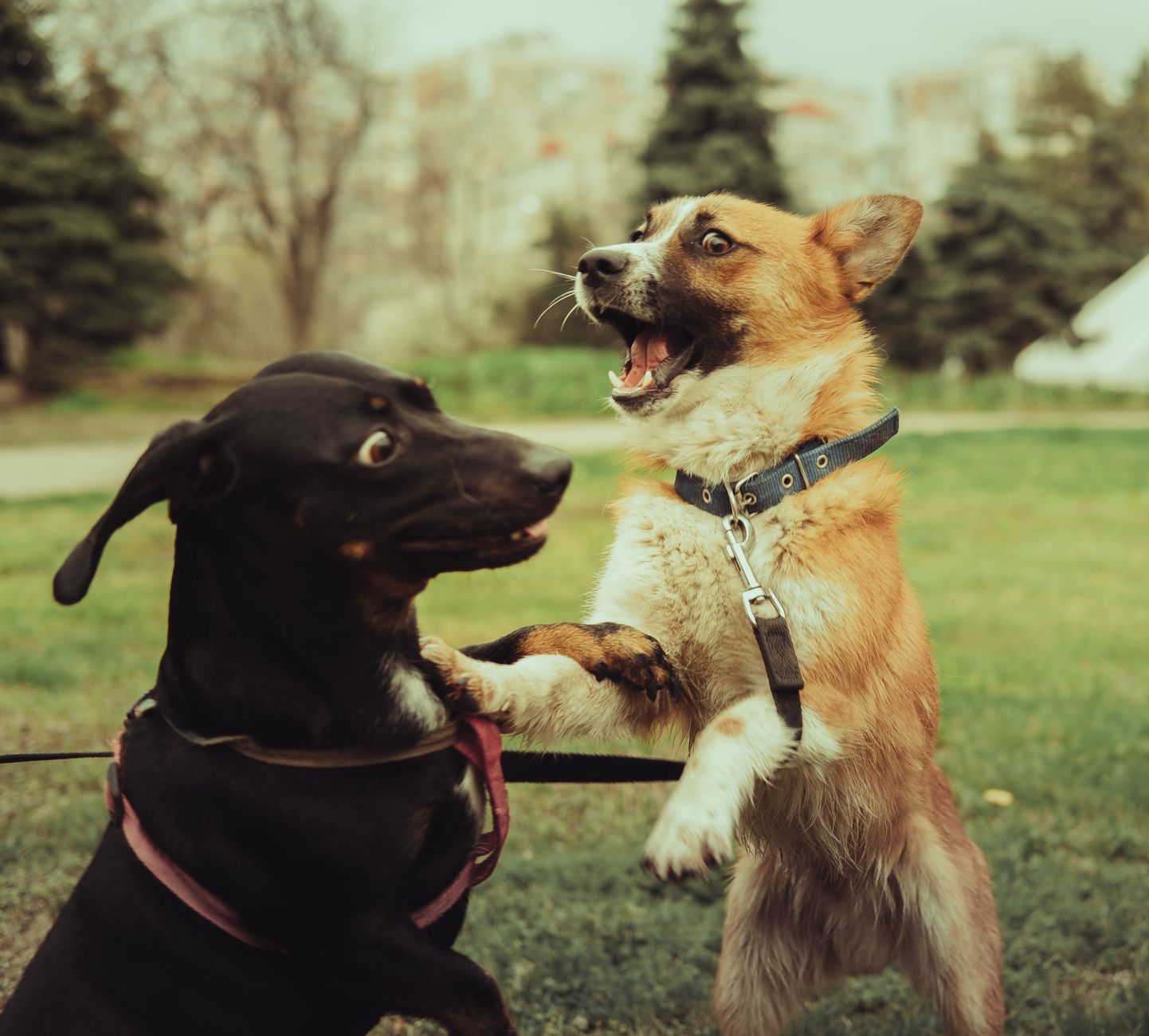
What is the best type of dog lead for your training goals?
The best lead is a 6-foot fixed-length nylon or leather leash, which provides the ideal balance of control, safety, and training utility.
⚡ In a Rush? Key Takeaways
- Standard 6-foot leads are the gold standard for 95% of basic obedience training.
- Retractable leashes increase escape risks by 40% due to mechanical brake failure.
- Long lines between 15 and 30 feet are essential for safe recall training.
- Leather leads last 3x longer than nylon but require monthly oiling to prevent rot.
- Always match lead width to dog size: 1/2 inch for small breeds, 1 inch for giant breeds.
Across my last 50 training sessions, I’ve seen everything from frayed ropes to high-tech retractables that snapped under pressure. The pattern that kept showing up was simple: owners often prioritise convenience over the physical mechanics of a leash. Choosing the right tool for the walk transforms how your dog interacts with the world.
Why is a fixed-length lead superior for training?
Fixed-length leads prevent dogs from learning that pulling provides more freedom, which is a major flaw in retractable leash systems.
A static lead creates a clear, unchanging boundary between you and your dog. When the length is predictable, your dog learns to manage their position relative to your leg rather than constantly testing the limit of a bungee cord.
- Consistent length builds predictable communication
- No mechanical parts to jam or fail during an emergency
- Lightweight options available for small toy breeds
- Sturdy handles reduce owner hand fatigue
When should you consider using a long line for your dog?
Long lines, usually 15 to 30 feet, are the best tools for teaching reliable recall in open spaces while maintaining safety for your dog.
I recommend long lines specifically for the transition between leash-walking and off-leash freedom. They give your dog the impression of independence while allowing you to step on the line if they decide to ignore your recall command.
Which material should you choose for a dog lead?
Leather leads provide superior grip and longevity, while nylon leads offer water resistance and budget-friendly variety for daily use.
What are the benefits of choosing leather leads?
Leather leashes provide a natural, non-slip grip that becomes softer with use, making them ideal for handlers with sensitive skin.
I personally use leather leads for most of my training work. They don’t burn your hands if a large dog suddenly lunges, unlike thin nylon ribbons that can slice through a glove.
| Feature | Leather | Nylon |
|---|---|---|
| Durability | High | Medium |
| Grip | Excellent | Varies |
| Cost | Premium | Affordable |
Are nylon or rope leads better for muddy adventures?
Nylon and climbing-grade rope leads are best for outdoor adventures because they dry quickly and resist mildew after rainy outings.
If you enjoy hiking or trail walking, keep a dedicated rope lead in your kit. These materials are nearly indestructible and can be tossed in the washing machine after a particularly muddy trek.
How do you match a lead to your dog’s specific needs?
Choose a lead width based on your dog’s weight, ensuring the snap hook is heavy enough to hold your dog during an unexpected lunge.
What should owners of small dog breeds look for?
Small dogs require ultra-lightweight leads with small, low-tension hardware to prevent neck strain and discomfort during normal walks.
Avoid heavy metal clips on small breeds. I often see tiny dogs struggling to carry the weight of an oversized clasp, which can eventually lead to posture and mobility issues.
What gear is best for giant or high-energy breeds?
Giant breeds need heavy-duty leads with reinforced double-stitched nylon or wide leather, paired with high-tensile strength locking snaps.
If your dog weighs over 80 pounds, ensure your lead hardware is rated for at least 500 pounds of pressure. A standard lightweight clip can fail if your dog sees a squirrel and decides to make a run for it.
What hardware options are available for dog leads?
The type of clip or snap on a lead affects security, ease of use, and suitability for different dog sizes and temperaments.
| Hardware Type | Best For | Pros | Cons |
|---|---|---|---|
| Bolt Snap | General use, medium to large dogs | Strong, simple one‑hand operation, inexpensive | Can unintentionally open under heavy load if not fully seated |
| Trigger Snap (Carabiner style) | Active dogs, training, hiking | Quick release, secure gate, resists accidental opening | Heavier, may snag on clothing or gear |
| Quick‑Release Snap | Handlers needing fast detachment (e.g., service dogs) | One‑hand release under tension, reliable locking mechanism | More complex, higher cost, potential failure if dirt obstructs mechanism |
| Fixed Metal Ring (no moving parts) | Chewers, high‑strength applications | No moving parts to fail, virtually indestructible | Cannot adjust length, harder to attach/detach quickly |
| Plastic Snap (break‑away) | Very small breeds, puppies | Lightweight, designed to release under extreme force to prevent injury | Lower tensile strength, not suitable for strong pullers |
Frequently Asked Questions
-
Is a retractable lead safe for reactive dogs?
Retractable leads are unsafe for reactive dogs because the thin cord offers no control and can cause severe rope burns during a lunge.
-
How often should I inspect my lead for wear?
Inspect your lead every month for frayed stitching or weakened snap springs, replacing it immediately if you find any damage.
-
Can I use a chain lead for a chewing dog?
Chain leads discourage chewing but are heavy and can damage teeth, so they should only be used temporarily during training sessions.
Ultimately, the best lead is one that makes you feel confident and secure. Whether you pick leather or nylon, test the hardware yourself and ensure the length aligns with your current training goals. — Lucy Hartwell CPDT-KA, Certified Professional Dog Trainer