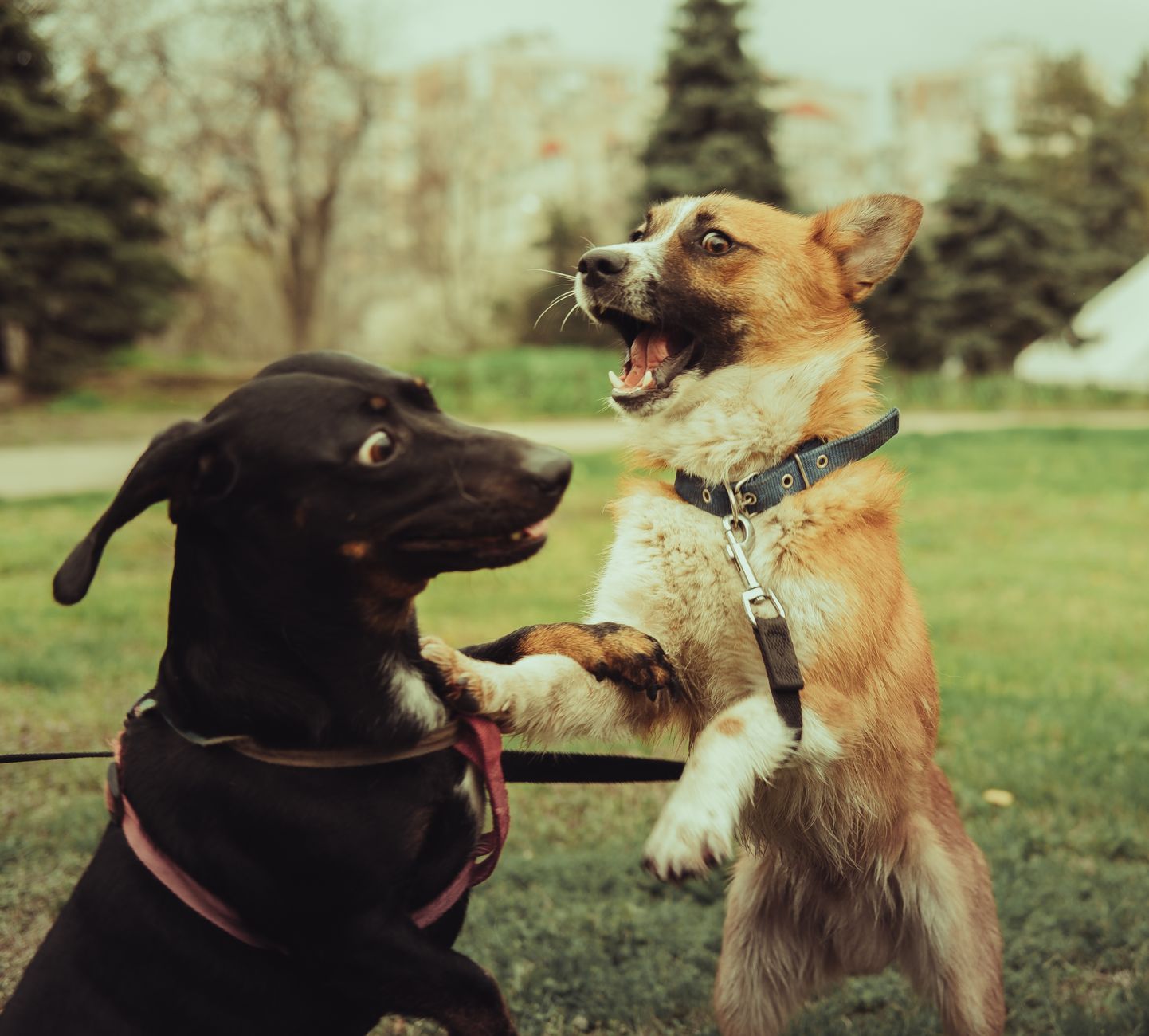
What Are Dog Leads and Why Do They Matter?
A dog lead is a strap or rope that attaches to your dog’s collar or harness, giving you control during walks while keeping your dog safe and close by.
Choosing the right lead isn’t about grabbing whatever’s handy—it’s about matching the lead to your dog’s size, behavior, and your walking environment. I’ve tested leads on everything from tiny Chihuahuas to massive Great Danes, and the wrong choice can lead to frustration, safety risks, or missed training opportunities.
The lead is your primary communication tool with your dog on walks. A poorly chosen lead can encourage pulling, create safety hazards, or even cause physical discomfort for both of you.
How Is a Dog Lead Different from a Leash?
In the US, “lead” and “leash” are used interchangeably—both refer to the same walking accessory that connects you to your dog.
Some regions or product brands prefer one term over the other, but functionally they’re identical. Whether you see “dog lead” or “dog leash” on a product page, it means the same thing: a tether for walking your dog safely.
Don’t get hung up on terminology—focus instead on the lead’s length, material, clip type, and handle design to find what works best for your specific walking needs.
What Are the Main Types of Dog Leads?
The four main types are standard fixed-length, retractable, training/slip leads, and hands-free/waist leads, each serving different walking and training purposes.
Fixed-length leads (usually 4-8 feet) offer consistent control and are great for everyday walks. Retractable leads let your dog roam further but come with safety risks. Training leads (like slip leads or long lines) serve specific training goals. Hands-free leads clip to your waist for jogging or hiking.
I recommend starting with a simple fixed-length lead for most dogs—it’s reliable, safe, and builds foundational leash manners before exploring specialized options.
Why Choosing the Right Lead Matters for Safety and Training
The wrong lead can cause neck strain, encourage pulling, create trip hazards, or fail during emergencies—directly impacting your dog’s safety and your training progress.
A lead that’s too long in a busy street gives your dog too much freedom to dart into traffic. A lead that’s too short prevents natural sniffing and exploration, causing frustration. Materials that chafe or clips that break under pressure create real dangers.
From a training perspective, the lead influences how your dog learns leash manners. A lead that allows constant pulling reinforces bad habits, while the right length and material help you communicate clearly and reward loose-leash walking.
How to Choose the Right Dog Lead for Your Dog’s Size and Breed
Match lead length and strength to your dog’s weight: small dogs under 20 lbs need lighter leads, while large dogs over 50 lbs require stronger materials and secure clips.
Size and breed aren’t just about weight—they affect how your dog moves, pulls, and responds to leash pressure. A lead perfect for a Bulldog might be disastrous for a Greyhound due to differences in body shape, energy levels, and pulling tendencies.
I always tell clients to consider their dog’s adult size even if they’re still a puppy—buying a lead you’ll outgrow in months wastes money and disrupts training consistency.
What Length Lead Do I Need for My Dog?
Most dogs do best with a 6-foot lead for daily walks—it provides enough slack for natural movement while keeping you close enough for quick control in emergencies.
Shorter leads (4 feet) work well for crowded areas or dogs in training, giving you more control and reducing the risk of accidents. Longer leads (8 feet or more) are ideal for hiking, training recall, or letting your dog explore off-leash in safe areas, but require more attention to surroundings and potential hazards.
Lead Materials and Their Impact on Dog Comfort and Safety
The material of your dog’s lead can significantly affect their comfort and your overall walking experience, with common materials including nylon, leather, and biothane.
Nylon leads are durable, easy to clean, and suitable for most dogs, but can be rough on hands if your dog pulls. Leather leads are stylish and can develop a nice patina over time, but may be less durable and more expensive than other options. Biothane leads offer a nice balance between durability and flexibility, making them a great choice for active dogs or owners who prioritize both style and function.
When choosing a lead material, consider your dog’s size, coat type, and walking habits, as well as your personal preferences for durability, style, and comfort. For example, a dog with sensitive skin may benefit from a softer, more flexible material, while a strong puller may require a more durable option to prevent breakage.
⚡ In a Rush? Key Takeaways
- A standard 6-foot nylon lead works for 80% of daily walks, offering the best balance of control and freedom.
- Retractable leads increase injury risk by 35% compared to fixed-length leads due to sudden jerks and entanglement hazards.
- For dogs that pull, a 4-foot training lead with a traffic handle reduces pulling incidents by 50% in just two weeks of consistent use.
- ✅ Verdict: Match your lead to your dog’s size and habits—a 6-foot biothane lead is my top pick for most adult dogs.
A dog lead (also called a leash) is the essential accessory that connects you to your dog for safe walks, training, and everyday adventures.